
Why Your Front Desk Role Is Bigger Than Phones
Why should I treat my front desk as more than just a phone team? Because the person on the phone touches three jobs at once, and pretending otherwise wastes the role. They're the frontline phone team, obviously. But they're also part of your advertising team, because they collect what made patients call and report it back so you can sharpen the message. And they're part of your sales team, because [...]
How a Busy Schedule Causes Missed Patient Calls
How does a busy schedule cause my practice to miss new patient calls? It hides the misses inside the work. On a full day you've got patients flowing through, consults arriving and leaving, and calls landing on top of all of it. Your attention can only sit in one place, so when you're deep in a procedure or a treatment conversation, the ringing phone simply loses the fight. Nobody decides [...]
How Missed Calls Mean Wasted Advertising Money
How much advertising money am I losing to missed phone calls? Potentially up to half of it, and most dentists never see the bill. Here's the math that should bother you. Each call costs $150 to $200 to create. If half your calls aren't answered live and 80% of those callers hang up and don't return, then a big slice of every advertising dollar walks out the door before a [...]
Why Big Dental Cases Are a Details Driven Endeavor
Why do big dental implant cases come down to details rather than one big move? Because there's no single big move. A large case is the sum of a hundred small things done right, and any one of them can quietly sink it. The call answered live. The follow-up that actually happened. The ad detail you captured. The consult scheduled before the patient cooled off. None of those feels heroic [...]
Weekly Phone Numbers Every Dental Practice Should Track
What weekly numbers should I track for new patient phone calls? Four, and you should know them cold every week. How many people called us this week. How many consults did those calls schedule. How many of those turned into started treatment. And have I followed up with everyone who needed it this month. Once you're rolling, those numbers stop being a mystery and start being predictable percentages. Know your [...]
How Phone Team Follow-Up Drives Big Case Acceptance
How is answering the phone part of the sales process for big dental cases? Because the call doesn't end the sale, it starts the chain. The person on the phone usually owns at least part of the follow-up, and follow-up is where big cases actually get accepted. If you've handed follow-up to your financial presenter, fine, they carry it. But in most practices the phone team is still responsible for [...]
Why Your Front Desk Should Ask About the Ad
Why should my front desk ask what made a patient excited about our ad? Because that one question turns your phone team into your marketing department. When someone calls, don't just log which ad they saw. Ask what about it actually got them to pick up the phone. The ad got their attention, but the specific thing that pushed them to act is gold, and only the caller can tell [...]
When New Patient Calls Are Missed in Your Office
When during the day am I most likely to miss new patient calls? Earlier and later than you'd guess, and during the chaos in between. The bulk of unanswered calls land roughly between 5am and 11pm, which is well outside the hours most front desks are staffed and alert. Some of that is obvious. You're not in the office at 7am or 9pm. But plenty of it happens while you [...]
Should You Use a Backup Answering Service for Calls
Should I use a backup answering service for missed dental calls? Yes, and I'd set it up before you lose another month of leads. The idea is simple. If your team can't pick up live within about 12 to 15 seconds, the call rolls to a third party that answers, "Dr. Jones office, thanks for calling." They take the patient's information and email it straight to you for follow-up. Think [...]
The Real Cost Per Phone Call in a Dental Practice
What does a single new patient phone call actually cost my practice? Somewhere between $150 and $200 to create, and that's before anyone says hello. That's the advertising spend it takes, on average, to make one phone ring in your office. So when a call goes unanswered, you didn't just miss a patient. You set fire to $150 to $200 you already paid. Stack that up across the calls you [...]
How Many Dental Calls Get Answered Live in Your Office
How many of my dental practice phone calls actually get answered live? If you're like most practices, about half. I've watched the numbers across hundreds of offices and millions in advertising, and 50% of calls answered live is what a practice doing well looks like. That means the other half slips through. You're busy. You've got patients in chairs, consults coming and going, and the phone rings on top of [...]
Monitoring Call Logs in Your Dental Practice
Why should I monitor my dental practice's call logs every month? Because the numbers tell you the truth your gut won't. When you log into the call data, you see every call that came in, how many, and whether they were answered or missed. I'll pull up a single office in Florida and see 60 calls in a thirty-day window, right on target for a couple arches a month. Without [...]
How a Phone System Boosts Patient Connection
Why does a phone system free up the front desk to connect better with patients? Because once the mechanics are automatic, your attention goes back to the human. When the front desk first learns a system, it feels stiff, like they're reading off a checklist while a real person waits on the line. But that's temporary. Once they know it cold, the structure fades into the background and they're free [...]
Tickler File Follow Up for Dental Prospects
Is a simple tickler file good enough for following up with dental prospects? Yes, a tickler file works fine, as long as you actually go back to it on the right date. People hear follow-up system and assume they need expensive software. You don't. A tickler file can be as simple as writing the next step on the back of the patient's intake sheet and filing it under the date [...]
Capturing Patient Information From Callers Who Won’t Book
How do you get a caller to share their information when they won't book an appointment? Offer them something valuable enough that handing over their details feels like a fair trade. Plenty of callers aren't ready to schedule, and if you push for the appointment and get nothing, you've lost them completely. So flip it. Instead of the booking, ask for the information, and give them a reason. I use [...]
Three Patient Call Outcomes Every Front Desk Must Know
What are the three possible outcomes of a new patient phone call? Every call that you actually answer ends one of three ways, and knowing them tells you what to do next. One, a consult gets scheduled, and now you run the follow-up sequence, twice in the first month and monthly for five more. Two, no consult booked but the caller gives you their information, which means you can keep [...]
Implant Patient Follow Up Cadence That Wins Cases
How long should a dental practice follow up with a new implant prospect? Six months of real contact when they schedule, then once a year forever. Most offices do zero, which is why they leave so many cases on the table. Here's the cadence I want. When a consult gets booked, you follow up twice in the first month, then once a month for the next five. That's six months [...]
Patient Information Collection on the First Call
What information should the front desk collect on every new patient phone call? Get the caller's contact details and enough about their situation to follow up, and get it on the very first call. This sounds basic, and that's exactly why practices skip it and bleed money. If you don't capture who they are at the start, every downstream process is dead on arrival. You can't follow up on a [...]
What Unanswered Dental Calls Cost Your Practice
Why do so many dental implant calls go unanswered and what does it cost the practice? Here's the brutal number. Across millions of dollars in advertising I've watched, only about 50% of calls get answered live, even in practices doing well. That means half your callers never reach a human. And of those missed calls, 80% just hang up. They don't leave a message, most never call back, because they're [...]
Recording Dental Calls to Improve Case Presentations
Should dental practices record their phone calls and case presentations? Yes, and if you're not, you're flying blind. Recording is the single thing that turns a call into something you can actually improve. If the call lives only in memory, it's gone, and so is every chance to fix it. When the calls are recorded, you can pull up a great one and study why it worked, or pull a [...]
Two-Round Front Office Feedback for Dental Teams
What is the best way to give feedback to dental front office staff after a patient call? Keep it small, keep it immediate, and run it in two rounds. The mistake is dumping ten corrections on someone after a recorded call. Their brain shuts off. So focus on one thing, right after the call, every time. Round one is the did-well round. You listen to the call together and you [...]
Coaching Beats Tenure for Dental Case Acceptance
How can a new team member close more dental cases than a veteran with 20 years of experience? Coaching beats tenure, and it isn't close. Someone in your office with a year of real feedback and the right system can outperform a person who has been doing it for twenty years on autopilot. I've lived this myself. I've hired surgical coaches for implants, an orthodontic coach for ortho cases, business [...]
Why Dental Phone Skills Get Worse Without Feedback
Why do most dental practices get worse at phone skills over time instead of better? Because experience alone makes you worse, not better. There's a curve I think about a lot, and it bends down, not up, when you practice without feedback. Look at a New York City cab. The driver has years behind the wheel and the ride still stinks. The car is dirty, the experience is forgettable. Then [...]
Studying Top Performers to Improve Selling Skills
How does studying world class performers improve my own selling skills? By giving you feedback you cannot generate on your own. There is a sharp example from chess. It turns out studying chess alone is the single biggest predictor of how good a player becomes, better than playing friends or even tournaments. Why? When you play, you pick a move but you never learn the better move you missed. So [...]
What the 10000 Hour Rule Means for Dentists
What does the 10,000 hour rule mean for running a dental practice? Less than people think, and that should be a relief. The 10,000 hour idea, from Anders Ericsson, says world class mastery takes about that many hours of deliberate practice. A concert pianist puts in that kind of time. On the surgical side, yes, the more deliberate hours you log the closer you get to true mastery, and that [...]
Why Surgical Coaching Matters for Implant Dentists
Why does surgical coaching matter even for experienced implant dentists? Because experience and skill are not the same thing, and even great surgeons keep improving with the right setup. People assume coaching is for the front desk and selling side only. It is not. The surgical side responds to coaching and feedback just as strongly. Look at how medicine trains it. A less experienced surgeon does the case while a [...]
Logging Adverse Events to Cut Failures in Half
Should dentists keep a log of cases that went wrong? Yes, and almost nobody does it, which is exactly why it is such an advantage. There is a neurosurgeon who logged every one of his surgeries over a ten year period, tracked adverse events, and sat down with his team to ask how each one could have been avoided. He cut those events by roughly half. Not to zero, because [...]
Recording Role Plays to Sharpen Your Coordinator
How can recording role plays improve my treatment coordinator's performance? It works the same way it works for athletes and surgeons, and it is one of the cheapest upgrades you can make. The pattern from deliberate practice research is clear. You identify one specific thing to improve, you perform it on camera, then you watch yourself back and make corrections before it ever counts. A coordinator who hears herself stumble [...]
Why Every Prospective Patient Call Has Hidden Value
Why should I treat every phone call from a prospective patient as valuable? Because you do not know what you have until you open it. I think of inbound callers like Easter eggs. Some have a boring prize inside, plenty have a decent one, and once in a while you crack one open and it is amazing. You cannot tell from the outside. The only way to find out is [...]
You Only Need to Be Best in Your Local Region
Do I need to be the best in the country at case presentation to succeed? No, and chasing that is a waste of energy. You do not need to be the pianist who can fill a concert hall on the planet. You need to be very good in your own local region, and that bar is lower than you think. Most people sitting in the same role at the dental [...]
Coaching Your Dental Team to Close Bigger Cases
Does coaching actually matter for closing big dental cases? It matters more than almost anything else, and the evidence is everywhere outside dentistry. Nobody becomes a world class pianist or a Derek Jeter on raw talent and reps alone. There is always a coach in the picture, someone watching, pointing at the specific flaw, and pulling the skill up past where the person could get on their own. The same [...]
Uber vs Taxi: Patient Experience Feedback Lessons
Why is the Uber versus taxi comparison relevant to my dental practice? Because it explains why two operations doing the same job deliver wildly different experiences. Get in a regular city cab and you are gambling on a bad ride, a dirty car, a driver who has done this for years and never improved. Why? No feedback, no deliberate practice, so they coasted into mediocrity. Uber is not magic and [...]
Deliberate Practice vs Just Practice for Dental Teams
What is the difference between practice and deliberate practice for my dental team? Regular practice is just showing up and doing the thing again. A golfer playing rounds, a coordinator taking calls all day, both are accumulating experience but not necessarily improving. Deliberate practice is different. You pinpoint one specific thing you want to change, you set a goal around it, and then you run an activity built only to [...]
The Unlearning Curve: Why Staff Skills Slide Back
Why do my treatment coordinators get good and then slide back to average? Because skill is not a thing you earn once and keep forever. A Swedish psychologist named Anders Ericsson mapped this out. You climb a curve as experience and practice build your skills, you hit a plateau, and then without deliberate practice and feedback you start to forget and slide back down. I call it the unlearning curve. [...]
Why Dental Phone Skills Are a Real Professional Job
Is answering the phone at a dental practice really a skilled job? Yes, and treating it like grunt work is one of the most expensive mistakes I see. The person taking inbound calls from prospective patients is doing professional skill work, not receptionist work. They are not just sending texts and shuffling paper. They are deciding whether a stranger with a real problem ever walks through your door. Most front [...]
How Patient Experience Drives Future Implant Cases
How does the patient experience after treatment affect future implant cases? It feeds everything that comes next. How you present and deliver a case shapes how happy that patient is afterward, and a happy patient gives you testimonials. Those testimonials bring in more patients, which means more cases. It compounds. There's another loop most dentists ignore. A satisfied patient becomes someone who defends your treatment plan to the spouse, the [...]
Keeping Patient Promises Builds Case Acceptance
Why does doing what you say you'll do matter for case acceptance? Because it's the quietest form of proof a patient ever gets. When you say you'll call Tuesday and you call Tuesday, you've just shown that person, without a word about implants, that you keep your commitments. Now stretch that across a $40,000 treatment that runs for months. Every promise you keep before they pay you tells them what [...]
Why Mastering Case Presentation Pays Dental Staff
Does mastering dental case presentation actually pay off for staff members? More than almost any other skill they could learn. I had a young man join one of our practices over a decade ago, hungry and excited, and he made himself a master of the presentation process. Ten years on, what he gets paid is remarkable, purely because he's so good at helping patients say yes to big cases. And [...]
Capturing Caller Information Decides Your Case Count
How important is capturing caller information at the front desk? It's one of the highest-payoff details in the whole practice, and it's usually the worst handled. Every call is a fish you've drawn in with your message, and the better you are at capturing information about that fish, the more cases you do and the more clearly you understand what your advertising is actually producing. When the front desk lets [...]
Stop Prejudging Patients Before They Walk In
Why is it a mistake to judge a new patient call before they arrive? Because a prospective patient is like an Easter egg. You really can't tell what's inside until you open it. Some eggs hold a boring little prize, plenty hold a decent one, and now and then one holds something amazing. The trouble is they all look about the same from the outside. The same goes for the [...]
Why Patient Phone Calls Are Your Practice Lifeblood
How should I think about every patient phone call coming into my practice? Treat each one like a red blood cell. Red blood cells circulate around the clock carrying oxygen everywhere your body needs it. Prospective patient calls do the same thing for your practice. They bring the oxygen in. The more of them arrive, and the better you care for each one, the healthier your whole practice gets and [...]
Why Few Practices Ever Close Large Dental Cases
Why do so few practices ever sell a $50,000 dental case? Because two things have to be right and usually only one is. First, the right patients have to be showing up for consultations. If your flow is all small jobs, you'll never see the big-case patient walk in. Second, and this is where most practices fall down, the case has to be presented in a way that lets someone [...]
Why a Case Presentation Checklist Beats Memory
Why use a written checklist for dental case presentation? Because no one can hold this many details in their head. A real case presentation for a full-arch case has so many moving parts that memory alone will fail you, and the moment it fails is the moment you start improvising and drifting. A written checklist keeps you and your team from deviating too far from the process that actually works [...]
Why There Are No Real Case Presentation Tips or Tricks
Are there closing tips or tricks for presenting large dental cases? No, and anyone selling you tricks is selling you a problem. There are no shortcuts that magically get a patient to part with $50,000. At this level of complexity and money, every industry that sells big-ticket items runs on a step-by-step process, not gimmicks. Tricks imply you're getting someone to buy something against their interest, and that's the opposite [...]
Why Long-Term Patient Follow Up Wins Implant Cases
Why should I follow up with implant patients who already said no? Because no rarely means never. It usually means not right now. Some patients want the treatment badly and still can't move on it today. The money isn't there, the financing fell through, or life is simply in the way. But circumstances change. I've seen patients come back years later, ready and able, purely because we stayed in touch. [...]
How Leadership Drives Dental Case Acceptance
Is leadership really part of getting more dental implant cases accepted? Yes, and most dentists never connect the two. Leadership isn't a corner-office word. It's how your team interacts with each other and with patients. What you say, how you say it, when you say it, and who you say it to. It's looking a patient in the eye and giving them the good news and the not so good [...]
Why Attention to Detail Wins Big Dental Implant Cases
Why does attention to detail matter so much in big dental implant cases? Because the details are the case. When someone is deciding whether to put $25,000 or $50,000 into their own mouth, every small thing they experience tells them whether they can trust you with it. The tone of the voice that answers the phone, whether you call back when you said you would, whether the consult flows or [...]
Why Your Whole Team Must Understand Big Cases
Why does my whole team need to understand how big implant cases work? Because the case does not rest on you alone, it runs through every hand it touches, and most of those hands underestimate how much they matter. The person taking the phone call, the team member doing the financial presentation, the assistant managing the flow, each of them is handling details that decide whether a patient stays or [...]
ClearChoice Proves an Independent Dentist Can Compete
If ClearChoice can systematize big implant cases, why can't an independent dentist? You can, and ClearChoice is the proof. They are a great example, here in the US and honestly anywhere in the world. If they can build the systems to handle big implant cases at scale, so can you. The difference is not talent or some secret, it is that they treat the variables seriously as a matter of [...]
What Leadership Looks Like in the Patient Experience
What does good leadership look like during the patient experience? Leadership is not a title, it is what you say, how you say it, when you say it, and who you say it to, all the way through the case. It starts with how you answer the phone and what you do once you pick up. It runs through how you lead a patient from that first call until after [...]
How Leadership Affects Practice Administration
How does leadership affect the administration side of a dental practice? They drag each other along, which is exactly why I keep them in the same ring. When a dentist grows as a leader and builds up the team around them, the administration gets better almost automatically. People who feel led take ownership of the flow, the documentation, the little routines that keep things tight. The reverse is just as [...]
Can Dentists Develop Leadership? Nurture Not Nature
Are great leaders born or can dentists actually develop leadership? Nobody is born a great leader, not the doctor and not a single person on the team. It is nurture, not nature, and that should be encouraging news. Leadership develops over time. You can leave it to slowly form on its own across decades of life experience, or you can work on it deliberately and grow it fast. I push [...]
Why Every Dental Practice Needs an Admin Manual
Why should I write an admin manual for my dental practice? Because details you keep only in your head get forgotten, and forgotten details cost you cases. An admin manual is where you write down every process and step so the flow of service stays consistent no matter who is working or what changed last week. Staff turn over. People who have been with you a decade leave. Without the [...]
Administrative Details That Drive Case Acceptance
What administrative details actually affect implant case acceptance? More than you would ever guess, and most of them feel too small to bother with. Administration is team uniforms, how clean your bathroom is and who cleans it, whether you run on time or keep people waiting, how rehearsed the flow feels from the moment the door opens to when it locks at night. It is what you hand a patient [...]
Why Clinical Skills Alone Are Not Enough for Cases
Why isn't being a skilled clinician enough to win big implant cases? Because patients assume clinical skill the moment you have a license. To them, every dentist behind every door is competent, that is just what the credential means. If they have no experience with implants, they genuinely do not believe there is much difference between you and the next guy. So your surgical talent, the thing you spent years [...]
The Three Rings Behind Dental Practice Success
What are the three rings that determine dental practice success? I picture every practice as three overlapping rings: clinical skills, administration and leadership, and sales and advertising. Clinical is the easy one, that is where dental school trained you and most dentists arrive already strong there. The other rings are where cases get won or lost. Administration is the flow of the whole experience, leadership is how you and your [...]
Online Scheduling vs Phone for Implant Consults
Why can't I just use online scheduling and text reminders for implant consults? Because what works for a hygiene visit or an earache does not fly for a sixty thousand dollar reconstruction. Online scheduling, email appointments, text confirmations, all of that is fine for low stakes routine care where the patient already knows what they need. But you are selling something complex and expensive that the patient barely understands and [...]
Why the First Phone Call Wins Implant Patients
Why does the first phone call matter so much for implant patients? The first phone call is where trust starts or dies, and most people skip right past that. For big implant work, the vast majority of patients reach you by phone before anything else. That call is your one shot to connect with them emotionally so they actually want to come in and believe they can trust you. I [...]
Why Details Matter So Much for Big Implant Cases
Why do small details matter more for large dental implant cases? Because the stakes scale with the price tag. A filling is forgiving. Someone forgets to call you back, the bathroom is a little grubby, you run twenty minutes late, none of that sinks a hundred dollar visit. But you are asking a patient to spend the price of a car on their mouth, and at that level every small [...]
When to Invest in Phone Training for Your Team
Should I get phone training for my team beyond the basics? If your numbers say the phone is leaking, then yes, without hesitation. There is the passive kind of training, the tenets you print out and have everyone read so the team is on the same page. That is the floor, not the ceiling. Make sure it happens first. But reading a few principles does not turn a front desk [...]
Cut Patient Cancellations and No-Shows From the Phone
Why do so many new patients cancel or no-show, and what can I do about it? First, you have to know the number, because most offices don't. Track how many booked callers actually arrive versus how many cancel or never show. Until you measure it, you cannot fix it. Once you see the rate, it usually points straight back to the phone call that booked them. A caller who was [...]
Track Dental Marketing to Revenue, Not Just Calls
How do I know if my marketing is actually working at the dental office? Stop looking at how many calls you got and start tracking what those calls became. Record every single way a patient can find their way into your practice and tie it back to revenue. Where did they come from? How many called, how many showed up for a consult, how many paid, and how many of [...]
Why Your Front Desk Needs a 10-Point Phone Slip
What is a 10-point phone slip and should my front desk use one? Yes, put one in place and start using it today. A phone slip is a simple checklist your team fills out on every new patient call, capturing the points that actually matter: who they are, where they heard about you, what they want, and whether you got them booked. It sounds basic. That is the whole reason [...]
Find the Holes in Your Dental Practice Processes
How do I find the holes in my dental practice processes? Put monitors on every step and let the numbers tell you. Most dentists assume they know where things break down, and they are usually wrong. Track your incoming calls, how many convert to consults, how many move on to paid visits, and how many simply no-show or cancel. Each one of those numbers is a pressure gauge. When a [...]
Track Phone Calls Into Consultations to Stop Leaks
Why should I track how many phone calls turn into consultations? Because without that number you are flying blind. You think the phone is fine. You have no idea. Count the calls you get in a month from your marketing, then count how many of those actually book a consultation. The gap between those two numbers is the single most expensive leak in most practices, and nobody is watching it. [...]
Phone Monitors to Track Monthly in Your Practice
What phone monitors should I actually track every month in my practice? Track the things that show you where patients leak out, not just the comforting totals. You already watch production, collections, and accounts receivable. Add the phone side. Every month, log how each patient found you so you can tie revenue back to the marketing that produced it. Then watch the phone itself. How many calls came in, how [...]
Fix the Phone First to Close Your Marketing Loop
Why is the phone the first thing I should fix to close my marketing loop? Because every dollar you spend on marketing funnels through the phone before it ever becomes a case. You can run brilliant ads, but if the call that ad generates is handled at an F level, the money is gone. That is why I start the whole loop at the phone slip and training, not at [...]
Don’t Use Your Call Tracking System as Voicemail
Can I just use my call tracking system as a fancy voicemail? You can, but it is a waste of real money. When you invest in tracking numbers and call recording, the whole point is a live human answering and a record you can coach from. Letting it dump callers into a voicemail box throws all of that away. A prospective patient calling about a large case does not want [...]
Active Phone Training vs Passive for Dental Teams
What is the difference between passive and active phone training for my team? Passive means you hand the team recordings and hope. Active means an outside trainer sits on real calls, scores them, and sends you a report every single month while your team also critiques themselves. That gap is the whole story. Passive caps out around a C plus with constant nagging because nobody objective is holding up a [...]
Turn Phone Calls Into Patients With Funnel Tracking
How do I know which marketing actually turns phone calls into booked patients? You build a monitor that follows the caller all the way through, not just to the ring. Counting calls is the easy part. The number that matters is what happens after. Of the calls you get in a month from a given ad, how many turned into a booked consultation? How many of those showed up and [...]
Why Missed Phone Calls Cost Your Dental Practice
Is it really a problem if my dental office misses a few phone calls? It is a big mistake, and I will say that plainly. Given how few calls it takes to fill a high value implant case, every missed call is money walking out the door. There is no reason to miss one anymore. You can forward your line to a 24/7 answering service so a live human being [...]
Measuring Phone Calls Lifts Dental Team Performance
Does measuring my team's phone calls actually improve their performance? It does, and there is solid behavioral science behind it, not just my opinion. Things you measure tend to improve regardless of anything else you change. Decades of work in behavioral psychology and sociology, across manufacturing and sales jobs, show the same thing. The simple act of measuring nudges the result upward. It is not a guarantee, but it moves [...]
Recording Phone Calls in Your Dental Practice Pays Off
Is it worth recording the actual phone calls at my dental practice? It is one of the best moves you can make, and a few years back you simply could not do it at our scale. We used to rely on mystery shopping, where someone pretended to be a patient and got recorded once in a while. Now the tracking numbers capture the real conversations, every day, with real callers. [...]
Use a Unique Phone Number on Every Dental Ad
Should I put a unique phone number on each of my dental ads? Yes, and not having one is a hole in your practice you cannot see. Put a dedicated tracking number on every major marketing activity. Your website gets one, your pay per click landing page gets one, your print, your radio, your TV each get their own. That way when the phone rings you know exactly which ad [...]
Why Dental Phone Performance Keeps Sliding Backward
Why does our phone performance keep sliding back even after good training? Because you stopped the active part. This is the most predictable thing I see. A practice builds real phone skill through monthly call reviews and outside critiques, then life gets busy, the reports fall off the plate, and within a few months the office regresses right back to where it started, or barely above it, the D level. [...]
Are Phone Training CDs Enough for Dental Staff Calls?
Is giving my staff phone training CDs enough to fix our call handling? No. Passive training, handing your team recordings and hoping they listen, gets you from an F to maybe a C plus or B minus with a lot of nagging. That is the ceiling, and there is a clean reason for it. Nobody outside the office is hearing the calls. No third party is scoring them, no report [...]
Why Front Desks Fail Mystery Calls at the Dental Office
Why does my front desk score so poorly on mystery calls? Because you handed them a phone and no system. I have watched this play out for almost a decade, and the pattern never changes. With no phone slip and no training, anyone who touches your phone earns an F on a mystery call. Every time. That is the baseline, not a fluke. It is not that your team is [...]
Phone Love Language That Makes Callers Feel Valued
What is love language on a phone call and why should my team use it? Love language is the small set of warm, affirming words you sprinkle through a call to make the caller feel valued, and "wonderful" is the easiest one to start with. "Wonderful, let me get a little information from you." "Wonderful, Ms. Parker." It sounds minor, but it lands. A first-time caller is often tense and [...]
Use Assumptive Phone Language to Sound Confident
How can I make my phone language sound more confident without being pushy? Make everything assumptive instead of asking permission. The difference is in tiny word choices. Don't say "Would you like to give me your cell?" Say "And your cell number." Don't say "Would you maybe want the forms?" Say "I'll email your forms ahead of time." You are assuming the patient is moving forward because you assume they [...]
Patients Call Several Practices Before They Choose
Why do dentists keep saying patients call several practices before choosing? Because they do, and forgetting it costs you cases. A prospective patient is a consumer, and a serious one will typically call three to five dental practices before deciding where to spend their money. That changes how you treat the very first call. You are not the only number on their list, you are one of several, and the [...]
How Phone Background Noise Costs You New Patients
Does it matter if there is background noise during my phone calls? More than you think. The person answering your phone is supposed to be the calm expert a nervous caller leans on, and a room full of chatter and clatter undercuts that instantly. Background noise distracts the team member trying to listen for the pain, and it distracts the caller who is already a little anxious about why they [...]
Repeat Back a Caller Concern to Build Trust Fast
When a caller finally reveals their real concern, what should my team say next? Repeat it back and agitate it a little, so they feel you truly get it. Hearing the pain isn't enough. You have to reflect it. If a caller says she doesn't want two years in braces, don't just nod and book her. Say, "So what you're telling me is it's the length of time. Spending years [...]
Handling a Free Consultation Caller the Right Way
A caller only wants the free consultation. Should I just book it and move on? Book it, yes, but don't let the freebie distract you from the work the call is supposed to do. I listened to a call where a sharp front desk person almost rushed past discovery because the woman mentioned the complimentary consult. The instinct is, she wants the free thing, just close it and hang up. [...]
Why New Patient Calls Should Never Go to Voicemail
What happens when a new patient call goes to voicemail? You lose them, and you probably never know it. Think about it from the caller's side. If a prospective patient wanted to talk to your voicemail, they wouldn't have called. Nobody ever said "today is the day I deal with this, and the best part is I won't have to talk to a human." When someone finally decides to call [...]
Reduce No-Shows With One Word at Call Close
What is the single most effective way to reduce no-shows for new patient consults? Use the word promise, out loud, before you hang up. Most teams close with directions and a polite "see you Monday." Take it up a step. First give assurance, "I look forward to meeting you," which is how you confirm. Then ask for the verbal contract: "Do you promise to give me a call at this [...]
Collect Multiple Phone Numbers From Dental Callers
How should I ask for a patient's phone numbers on an intake call? Assume they have all of them and take them all. Never say "Would you like to give me a number?" That hands the patient an exit. Instead, state it. "What is your home phone number? And your work number? Good. And your cell?" You are not asking permission, you are gathering what you need to take care [...]
When to Welcome a New Caller in Your Dental Practice
Should I welcome a new caller at the start of the call or at the end? Do it at the start, and then again at the end if you like. For years I taught teams to welcome the patient near the close. Then I heard a call where the person said it right up front, "Let me be the first to welcome you to our practice," and it was better. [...]
Uncover Patient Emotional Pain on the First Phone Call
How do I get the real reason a patient called instead of just the marketing answer? You dig, and you ask differently than most people do. When you ask what prompted the call and the patient just says "I saw your mailer," they have answered the surface, not the pain. Don't accept it. Say, "That's great. Let me ask you this. Sometimes patients who call us have lived with a [...]
Fix a Robotic Phone Voice at Your Dental Front Desk
Why does my front desk sound robotic when collecting patient information on the phone? Because they are reading you a survey, not having a conversation. Most team members get a list of intake questions and fire them off like a cop asking for license and registration. Short, curt, next, next, next, no breathing room in between. They don't mean to sound cold, but that is exactly how it lands. I [...]
Earn a Scared Patient’s Trust on the Phone
How does my team member earn a scared caller's trust on the phone? By speaking from the heart with a little personal proof. When a caller admits they are afraid and have put off treatment for years, do not argue or push. Acknowledge it and reassure them. We hear that all the time, and I can tell you we will go as slow as you need to. Then add the [...]
How to Control a Phone Call With a Talkative Caller
How do I get a talkative caller to follow my lead on the phone? You earn it by sounding like the captain. When a prospective patient finally calls, they spill the beans, a long emotional story with a lot to get off their chest. That is good, let them. But while they talk, your job is to make them feel like the person on the line is the conductor, the [...]
Phone Intake Check In Keeps Callers Comfortable
How do I keep a phone caller from feeling interrogated during intake? Check in with them. If your practice has a string of business questions to get through, do not just rattle through them head down. Pause and reassure the caller along the way. You are doing a great job. Almost done. Just a couple of questions left. Those little check ins keep the call feeling human instead of like [...]
Ask Intake Questions on the Phone Without the Survey Feel
How can my team ask intake questions without sounding like a survey? Teach them to sing. When a team member runs through a list of intake questions, the ones that are not relationship questions, they tend to fire them off like a survey. Short, curt, no breathing room, next, next, next. They do not mean to sound cold, but they do. Singing just means changing the voice and tone so [...]
Why Your Phone Script Should Not Start With Insurance
Why shouldn't my phone script start with asking about dental insurance? Because the first thing out of your mouth tells the caller whether you see a person or a payment. Most phone slips being pushed on practices open with do you have dental insurance, when did you last see a dentist, when were your last X-rays. That is business first, and it gets delivered like a survey, curt and clipped, [...]
New Patient Call Steps That Close the Appointment
What is the right order of steps when handling a new patient phone call? Front load the relationship, not the paperwork. The first four steps are the ones that close the appointment. Greeting that shocks them with warmth. Then, that is a great question, may I have your name, and write it down. Then ask what got them to call today and dig for the emotional pain. Then repeat that [...]
Create Phone Urgency in Dental Calls the Honest Way
How do I create urgency on the phone without sounding pushy? You repeat their pain back to them and let your voice carry the weight. Once a caller tells you the real story, the tooth they ignored for three years, the swelling, the warmth in the face, the bad breath, you play it back. Mary, let me make sure I have this right, then walk through exactly what they said [...]
Should You Quote Implant Price Over the Phone?
Should I tell a caller the price of implants right away on the phone? No, and the word you use matters before the number ever does. When a caller asks how much, never lead with the cost. Reframe it as the investment, then redirect to why they are calling in the first place. People who open with a price question are rarely shopping on price, they are scared, in pain, [...]
Answer the Implant Cost Question Without Quoting a Price
What question should I ask a caller asking how much dental implants cost? Do not just quote a price. When someone asks how much an implant is, you answer with a question that uncovers why they really called. Say their name, then ask, Mary, what got you to give us a call today about the investment for implants. Notice two things. You say investment, not cost. And you plug back [...]
Fix a Robotic Receptionist on New Patient Calls
Why does my receptionist sound robotic when answering new patient calls? Because she is internally focused. She is thinking about the practice, the intake, the questions she has to get answered, next, next, next. That is exactly what makes her sound like a cop saying license and registration. The fix is to flip her attention outward. Externally focused means the person comes first and the business comes second. Relationships first, [...]
Phone Greeting Script That Wins Dental Callers Fast
What should my front desk say in the first few seconds of answering the phone? Make the greeting count, because you can win the call in the first 25 seconds. The caller is braced for the worst. They expect a flat tone, no thank you, a mumbled practice name, and a robotic how can I help you. So shock them. Sound genuinely happy they called. Say the practice name clearly. [...]
Why the First Phone Call Decides Your Implant Case
How important is the first phone call when a new implant patient finally calls? It is the whole ballgame. By the time someone dials your number, they have already stalled for weeks, maybe years, because they dreaded the call going badly. So when they finally pick up the phone, they are what I call hyper responsive. Your marketing wore them down until they said uncle, I cannot do this anymore, [...]
Patient Experience Continuum From First Call Onward
How does the feeling from the first phone call carry through treatment? It never really stops. The mood and feeling that wins someone on the first call is not a one-time trick, it is the start of a continuum. That same feeling has to carry through every step after they arrive, through the consult, through treatment designed to be as painless and efficient as you can make it, through delivering [...]
Why Patients Delay Calling Your Dental Office
Why do prospective patients stall for weeks before calling a dental office? Because they expect the call to go badly. Most customer service out there, on the phone or face to face, is pretty abysmal, and your caller has been burned enough times to assume yours will be the same. The flat greeting, the impatient tone, the rapid-fire questions that feel like license and registration. So they put it off. [...]
Why Your Team Follows Systems Only If You Do
Why does my team stop following the phone systems I put in place? Look in the mirror first. If you ask your team to follow the slip, show up on time, and go all in on new systems, but you do not do those things yourself, you have a problem. Teams watch the doctor constantly. When you pour all your energy onto the front end and then break your own [...]
Turn Patients into Zealots Who Refer Unprompted
How do I turn a new patient into someone who refers without being asked? You aim past advocate and go for zealot. Most practices are happy to turn a customer into an advocate, the patient who, if you prompt them, will leave a review or send a referral. That is fine, but it still requires you to ask. A zealot is different. A zealot does not need to be prompted. [...]
Front Office Expert: Your Most Important Phone Hire
Why is the person answering my phone more important than my dental reputation? Because the caller cannot feel your clinical skill yet. They have never sat in your chair. The only evidence they have in that moment is the human voice answering the phone, and that voice carries the entire impression. I call that person the front office expert, the real hero on the front end, because they sit at [...]
Phone Follow-up Commitment: Keep Every Promise Made
What is the commitment and follow-up step that most phone training skips? It is simply this. Do what you said you would do. Your marketing makes promises, your front office expert makes more promises on that first call, and the patient is tracking every one, sometimes without even realizing it. If you say you will email the packet, send it. If you say the doctor will call, the doctor calls. [...]
Phone Script Mindset: Get the Doctor on Board First
How do I get my dentist mindset right about using a phone script at all? You have to make peace with two words your team probably hates. Script is one. Sales script is the other. Most dentists and front desk people flinch at both because dental school told them selling is beneath them. Until you, the doctor, settle that in your own head and decide a script is a service [...]
Phone Script Steps: Master the First Four First
Why should the first four steps of a phone script matter more than the rest? Because they build the habit everything else rides on. On a ten point intake script, the first four steps are where I tell teams to become absolute masters. Get those into muscle memory, the greeting, the connection, and you create habits and behaviors that carry the rest of the call almost on their own. Nail [...]
Phone Intake Slip: Structure Plus Warmth on Calls
Why does my team need a phone slip instead of just being friendly on calls? Because friendly without structure loses cases, and structure without friendly sounds robotic. A phone slip, an intake script for the prospective patient call, gives your front office expert a track to run on so nothing critical gets dropped. But the slip is only half of it. The point is not just fill out the form, [...]
First Call Window: You Get Three to Four Minutes
How long do I really have on a first call with a prospective patient? Three to four minutes. That is the window, and most practices waste it gathering insurance details and demographics. Understand what is actually happening when that phone rings. Your marketing finally pushed someone to the breaking point, where they said uncle, I cannot live with this problem anymore. So they are what I call hyper responsive. They [...]
New Patient Greeting: The First 25 Seconds That Win
What does the greeting on a new patient phone call actually need to do? It needs to tell the caller you have been waiting for them all day. Something as plain as thank you for calling Dr. Smith's office, this is Chris, I can help you. Say it warm, say the practice name clearly, and sound grateful. Here is why that matters more than people think. The person dialing has [...]
Phone Mood and Feeling: Why Callers Hang Up Anyway
Why do prospective patients hang up even when my front desk says all the right things? Because the words are not the thing they are judging. The caller is reading mood and feeling, and they decide in seconds whether the person on the other end actually wants them. If your front office expert sounds like they are processing a form, the patient feels it instantly, and no perfect script saves [...]
Should You Keep Score on Phone Performance?
Do I really need to keep score publicly on my team's phone performance? Yes, and out in the open where everyone can see it. A sales business runs on a scoreboard, and the phone is the first place to keep one. If nobody sees how each person is doing on calls answered, calls converted, and appointments set, then accountability is just a word you say in meetings. People rise to [...]
Why You Should Record New Patient Phone Calls
Why should I record and listen to my practice's new patient calls? Because you cannot fix what you never hear, and right now you are guessing. Live call recording replaced the old mystery shopper for one reason. It shows you exactly what a stranger experiences when they reach your practice, with no one performing for the boss. I have listened to thousands of these calls, and the gap between what [...]
Should Your Front Desk Use a Phone Script?
Should my front desk use a phone script for new patient calls? Yes, and stop flinching at the word. Script is the S word dentists hate, right alongside sales, and that resistance is exactly why their phones underperform. A phone slip is not a robotic read. It is the proven path through the call so your team hits every slat instead of winging it and dropping the patient somewhere. The [...]
How Your Front Office Expert Converts Calls
Who on my team actually determines whether a new patient call converts? The person answering the phone, full stop. Not you, not your technology, not your reviews. On the first call the prospective patient never meets your hands or your clinical reputation. They meet your appointment coordinator, your receptionist, whoever picks up the line, and the entire mood and feeling of that call rests on that one human. Most dentists [...]
How Many Practices a Patient Calls Before Choosing
How many dental practices does a new patient call before choosing one? Three to five, every time, and you need to build your phone around that fact. The patient who reaches you is not deciding whether to get treatment. They are deciding which of several practices to trust, and they are running a quiet bracket in their head as they dial down the list. Your marketing earned you a spot [...]
How a Caller Should Feel on the First Phone Call
How important is how a caller feels during the first phone call? It is the whole ballgame. The third slat of the call is mood and feeling, and it decides more than any script line ever will. A prospective patient calls three to five practices before they choose, so by the time they reach you they are comparing how each call made them feel. The one who wins is the [...]
Why Wasted Marketing Means Calls Go to Voicemail
Why are my marketing dollars wasted if calls go to voicemail? Because availability is the very first slat of the call, and if it breaks, everything you spent to make the phone ring is gone. You can run flawless campaigns, follow every step, and drive a flood of prospective patients to call or opt in, but if they hit voicemail, a full mailbox, a message, or some outside answering service [...]
Phone Mistakes That Quietly Kill Case Acceptance
What are the most common phone mistakes that kill case acceptance? Think of the first call as a bridge the patient has to cross to reach you, and that bridge has five slats. If any one of them is rotten, they fall through and call your competitor. The slats are connectivity and availability, message consistency, mood and feeling, the actual phone skills of the person answering, and the follow-through on [...]
Is Fear Stopping You From Changing Front Desk Calls?
Is it fear that stops dentists from changing how their front desk handles calls? Most of the time, yes, and it helps to name it. The dentist who won't push real phone changes is usually afraid the team will sabotage it, push back, or quit. So nothing changes, because the fear of a hard conversation outweighs the lost cases nobody ever sees. Here is the thing about those lost cases. [...]
Why Your Team Ignores New Phone Systems You Bring Back
Why does my team ignore the new phone systems I bring back from conferences? They ignore it because they have watched you do this before. You go to a conference, you come back fired up, you announce big changes, and three weeks later it has fallen through the cracks. Your team has seen that movie. So when you walk in with the next shiny object, they nod, they smile, and [...]
Why Your Dental Practice Is Really a Sales Business
Why does my dental practice need to think of itself as a sales business? Because it is one, whether you like the word or not. You can be the best clinician in your zip code and still go broke if nobody trusts you enough to say yes on the phone and show up. Marketing only buys you the ring of the phone. What happens after that is sales, and most [...]
What Is a Phone Slip and Why Your Front Desk Needs One
What is a phone slip and why would my front desk need one? It is the tool that gives your team the right instrument to do a job they are currently doing barehanded. A structured phone slip, the version I use runs ten points, guides the person through a high-value call so nothing important gets dropped and the caller is moved toward a booked consult. Think of it as the [...]
How a Bad Phone Wastes Your Technology Investment
Can a bad phone process really waste the money I spend on technology and continuing education? Yes, and the connection is more direct than most doctors want to hear. You invest a fortune in new technology, but the phone indirectly decides whether those machines ever get used on the cases they were bought for. Same with courses. You spend tuition and travel to learn a procedure, and whether you actually [...]
The Phone: A Competitive Advantage Most Dentists Miss
Why does answering the phone well give me an advantage over other dentists nearby? Because almost none of them will ever figure this out. I would love to train every dentist in the profession on how much the phone matters, but that is not going to happen. Most will go their whole careers never realizing it is this important. That is good news for you. When your competitors leave the [...]
Handling Price Questions Over the Phone at Your Practice
What should my team do when a caller asks for the price of implants over the phone? First, understand what is actually happening, because most teams misread it. A price question is rarely a real request for a number. It is the only question the caller knows how to ask. They want to know if you can help them and whether they can trust you, and price is the proxy [...]
Dentist Phone Mindset: Why It Is Not Just Front Desk
Should the dentist think about their own mindset on the phone, or leave it to the front desk? You own a mindset on the phone whether you admit it or not, and it leaks into the whole team. Plenty of doctors quietly believe the phone is the front desk's problem and beneath them. That attitude sets the ceiling for how seriously anyone treats it. If you act like the phone [...]
How the Phone Connects Marketing to Selling Treatment
How does the phone connect my marketing to actually selling treatment? The phone is the connector. It is the single point where your marketing hands the patient to your selling process, and if that handoff is sloppy the whole chain breaks. You can run beautiful ads and a strong consult, but the call between them decides whether the patient ever reaches the consult at all. I think of it as [...]
Why Generic Phone Scripts Fail a Niche Dental Practice
Why do generic phone scripts fail for a niche dental practice? Because the scripts most practices use were built for a different job. The average front-desk phone system is geared around insurance and getting basic-needs patients in the chair. That is fine for a cleaning. It falls apart the second a high-value implant caller is on the line asking the questions those people ask. You would never do a complex [...]
Calls Coming In But Not Booking Consultations? Read This
My marketing brings in calls but consultations are not getting booked. What is wrong? I lived this exact problem. The phone was ringing constantly, money was going out the door on marketing, and the consult calendar stayed thin. I assumed the marketing was weak. It was not. The booking was breaking on the phone, and I did not see it until we started tracking what actually happened after the ring. [...]
Is the Phone Important for a Dental Practice? My Honest Take
Is the phone really that important for a dental practice that does big implant cases? I rank it right behind your license and your hands. Think about that. Everything else you build sits underneath it. The marketing you buy, old and new, your follow-up on prospects, the niche treatment you are passionate about, referrals from other dentists and from patients, the expensive technology on your shelves, the courses you fly [...]
Why Patients Hang Up On Voicemail Instead of Calling
Why do so many patients hang up instead of leaving a voicemail at a dental office? Because they have been trained by every other business they deal with to expect an instant answer, and your practice is not exempt from that. The surveys put it near 80 percent who hang up the moment they hit a voicemail, and that data is over a decade old now. People expect faster responses [...]
Helping More Patients By Running a Better Practice
How does helping more patients connect to running my practice like a business? They are the same thing, and that is the part dentists miss. It is easy to feel uneasy about treating any of this as sales, but look at the other end of the pipeline. Past the advertising, past the case presentations, what sits at the bottom line is how many of these patients you helped. We are [...]
Why Marketing Alone Won’t Fix Dental Case Acceptance
Why won't the marketing or my consultant fix my case acceptance for me? Because the part that decides your outcome is the part nobody outside your walls can touch. Advertising can get patients to call you, and a good agency takes that whole burden off your plate. But the sales, the administrative handling, the leadership, and the accountability inside the office are not things anyone can run through your phone [...]
Growing a Dental Practice Beyond Clinical Skill
Where should I focus to grow my practice if my clinical skills are already strong? Probably not the clinical chair. Picture three rings: clinical skill, administrative systems, and sales. Almost everyone I work with already has the clinical ring handled. If your dentistry were bad you would not have the patient flow or the income to even be advertising in the first place, so I take that ring as a [...]
How To Run Consistent Team Meetings in Your Practice
How do I make a weekly team meeting stick instead of fizzling out? Make it short, fixed, and non-negotiable. The instinct is to think a real meeting needs thirty minutes or an hour. It does not. Fifteen minutes done every single week beats an hour done whenever you remember. What makes it work is not the length, it is the consistency. Same day, same agenda, same numbers pulled together in [...]
ClearChoice Practice Systems a Solo Dentist Can Copy
What can a solo dentist learn from how ClearChoice runs its offices? Steal their discipline, not their billboards. I point to ClearChoice because, stripped down, they do what I teach, and they do it because it works. There is no freestyling on their phones. The way calls get answered is structured. The way a case gets presented follows a defined process, the same every time. They advertise heavily, they answer [...]
Why Your Front Desk Makes Decisions You Never Approved
Why is my front desk making decisions I never authorized? Because you gave them more room than you realize, and they took it to protect you. When I work inside practices and listen to the reasons team members give for not using a process fully, what I usually find is staff quietly making front-end calls the doctor would never approve. They are not being malicious. Most of the time they [...]
Sharing Your Sales Training With Dental Staff
Should I show my big-case sales training to my front desk and key staff? Yes, if you run a transparent practice. There is nothing wrong with sitting your key staff down and walking them through the same thinking you went through as the owner. The people answering your phone and greeting patients are the ones executing most of this, so hiding the strategy from them makes no sense. When they [...]
Selling Expensive Dental Treatment Needs a Better Team
Why does selling expensive dental treatment require a better team than basic dentistry? Because the price point exposes everything. Think about McDonald's. They sell a two-dollar burger, and the business does not need much sophistication, just speed. Take the order, flip the burger, take the money, move people out. Now picture the five-thousand-dollar burger in Vegas, where the real cost is a bottle of expensive Bordeaux sitting next to it. [...]
Who Is the Sales Manager in a Small Dental Practice?
Who should be the sales manager in a small dental practice? Someone has to own the numbers, and in a very small practice that someone might be you. I wish I could tell you otherwise, but if there is nobody else with the authority to hold the routine together, the doctor becomes the sales manager by default. The better move is to delegate it hard to one person who actually [...]
Does the Dentist Have To Be Selling the Cases?
Does the dentist have to be the one selling big implant cases? Not forever, but probably for now. Look at how the big corporate clinics run it. They built sales staff into the office and pushed those people hard to learn a real sales process, which lets them pull the doctor almost completely out of the success equation. The doctor does dentistry, the trained staff handle the conversation. That is [...]
Weekly Sales Meeting Agenda for Dental Practices
What should a weekly sales meeting in a dental practice actually cover? Keep it tight and keep it numbers-first. Every week you review the pulse of the practice with the same fixed agenda so nobody walks in guessing. How many new calls came in. How many are still sitting on the books. How many diagnostic visits did we do, because that is where the case gets diagnosed. How many case [...]
Dental Team Accountability With Long-Tenured Staff
How do I hold a long-time dental team member accountable without damaging the relationship? Stop confusing loyalty with competence. You can have someone who shows up every day, never misses, maybe is a relative or has been with you fifteen years, and that person can still be quietly torpedoing your case acceptance because they will not run your phone process the way you built it. Dependable does not mean coachable. [...]
Implant Patient Follow-Up: How Many Touches
How many times should my team follow up with implant patients who do not schedule? At a bare minimum, six contacts over six months for anyone who has not booked or is not ready yet. Make two of those touches in the first month, then one a month after that. That is the floor, not the goal. For context, ClearChoice runs around eight touches before the patient even shows up [...]
Run Paper Patient Follow-Up Without Software
Can I run patient follow-up on paper instead of buying software? Yes, and plenty of strong practices do exactly that. You do not need expensive customer relationship software to follow up well. Grab a loose leaf binder with tabs from January to December, fill out a slip for each patient who needs follow-up, and assign one person to work it. In the old days this was called a tickler system. [...]
Make Your Front Desk Part of the Marketing Team
How does my front desk team become part of the marketing team? By asking every caller what they saw and where they saw it, and then actually reporting it back. When your team documents the advertising a patient responded to, they stop being order takers and become your eyes in the local market. Things show up differently city to city. If your staff flags something unusual, that is real intelligence, [...]
What Dental Sales Management Is and Who Owns It
What is sales management in a dental practice and who owns it? Sales management is the ongoing work of monitoring how your team converts opportunities, and in most practices nobody owns it, which is exactly why most practices leak cases. It is not the marketing. It is not the one time training. It is the weekly discipline of listening to calls, looking at the numbers, and coaching toward what should [...]
Why Run a Weekly Sales Meeting With Your Team
Why should I run a weekly sales meeting with my dental team? Because skills decay without a rhythm, and a short weekly meeting is the cheapest rhythm you can build. Even fifteen minutes counts. Pull one recorded call, listen to it together, and walk through the phone slip line by line as a team. The training value is real, but the bigger payoff is cultural. When the team sees the [...]
Building Team Call Self-Critique Accountability
How do I make my team accountable for reviewing their own phone calls? Build it into the week as a standing expectation, not a favor. Every person who handles calls listens to their own recordings weekly with the phone slip in front of them and critiques the call honestly. Did we follow the steps or not? Some weeks a team member will have no call of their own in the [...]
What ClearChoice Practice Culture Teaches Dentists
What can I learn about practice culture from how ClearChoice runs its offices? ClearChoice is worth studying because, in essence, they do what I teach, and they do it with discipline most private offices never reach. There is no freestyling when you call them. There is no freestyling once you are in the building. Every step of how they answer the phone and present the case follows a defined process. [...]
Why Staff Freestyle Phone Calls Instead of a Process
Why do my staff freestyle phone calls instead of using our process? There are really only two reasons, and both trace back to you. The first is slack leadership on the front end. The system never got adopted because the owner never said clearly this is how we do things, so people defaulted to winging it. The second is the veteran with the know-it-all attitude, the person who has been [...]
Dentist Involvement in Phone Training: How Much
How involved should the dentist actually be in phone training? More involved than you think, and probably more than you want to be. The single biggest predictor I have seen over many years is the doctor staying in the process. Not buying the marketing and disappearing. Actually embracing the call steps, keeping the slip on your desk, and talking about it. When you sit and listen to a recorded call [...]
Long-Time Employee Refuses Your System: Accountability
Should I fire a long-time employee who refuses to follow our new system? You do not have to fire them, but you do have to be willing to. Here is the part dentists hate to hear. Someone hired three years ago does not get to set the rules forever. It is completely fine to change what the job requires to keep the job. If using the system is now an [...]
RMFD Phone Coaching for Your Dental Team
What does RMFD mean for managing my dental phone team? RMFD stands for record, monitor, feedback, daily. It is the difference between a team that stays sharp and one that quietly slides. You can run the best onboarding in the world, but skill levels do not hold without ongoing feedback. So pull a recorded call, even just one a week if that is all you can manage, and review it [...]
Why Your Front Desk Ignores Phone Scripts
Why does my front desk team ignore the phone scripts I gave them? Because you handed them a script and then walked away. A system only sticks when the doctor owns it out loud. If you never say this is how we answer phones here, nobody adopts it, and within a month they drift back to freestyling every call. I can hear it instantly when I listen to recordings. The [...]
Train Your Team on the Patient Call Closing
How do I train my team to end a new patient call so the person actually shows up? Close with a verbal contract, and train your team to deliver it without flinching. After confirming the appointment, you have them say, so will you just promise to call me if you can't make it, then repeat the office number twice, then go silent and wait for the answer. That silence is [...]
Why Capture Every Patient Contact Information
Why does my front desk need to capture every phone number and email a new patient has? Because that patient is a lead, and you only stay in front of a lead if you can reach them. People have more than one number. Do not assume everyone lives on a cell. Get the home number, the work number, the cell, the email, the mailing address, repeat them back, and write [...]
Leading a Team in Capturing Marketing Data
How do I lead my team to capture marketing data without making it feel like a chore? Tie it to a question they already care about, which is what actually works. Every time the team asks a caller what search terms they used, or what made them choose us, and then documents the answer, they are handing you the real language of your market. That is gold. Local markets differ, [...]
Building Team Listening Skills on Patient Calls
How do I build a team culture of really listening to patients on the phone? Teach the hardest discipline first, which is shutting up after a question. Most of us, even outside work, ask a question and then answer it ourselves before the other person can speak. We put words in their mouth. On the phone that habit costs you everything, because you need the patient's own words, their language, [...]
Why a Dentist Must Lead the Phone Slip Review
Why should the dentist personally care about how phone slips get filled out? Because the slip is your daily window into whether the team is doing the work, and your attention to it signals what matters here. If you never look at the slips, never ask about them, never make them part of your everyday language in the office, your people will read that silence correctly. It does not matter [...]
Coaching a Dental Team Through a Long New Process
How should I coach a team that gets overwhelmed by a long new process? Shrink the target. When something takes a while to get used to, I do not demand all ten steps perfectly on day one. I hold them accountable for the first three. Let's just nail those by the next time we meet. That is it. A team that is drowning in a ten-step process will freeze, but [...]
Why Phone Greetings Shape Practice Culture
Why is the way my receptionist answers the phone so important to practice culture? Because that first step sets the tone for everything that follows. When the greeting is done right, it puts your team member into the correct mindset for the whole call, listening, guiding, closing. When it is done wrong, the rest unravels. I notice this as a consumer too. Call almost any business and the opening tells [...]
Is Your Front Desk Really Running Patient Calls?
How can I tell if my front desk is actually using our call system or just faking it? Listen to the calls and look at the paper. I listen to far more phone calls than I ever want to, and you reach a point where you can tell within seconds. When the system is in place, the greeting is right, the mindset is set, the person is actually listening. When [...]
Should Staff Personalize Your Phone Script?
Should I let my staff add their own personality to our phone process? Not in the early part of the training, and I am blunt about this. When a system is new, freestyling is the enemy. I tell doctors the ten steps are required, in order, as written, and it is not up to whether the team feels like it. Here is what I hear on calls when people roam [...]
What Dental Leadership Accountability Really Looks Like
What does accountability actually look like for a dentist leading a front desk team? It looks like presence, not lectures. Real accountability is you reviewing the actual work. Every day you pick up a few of the phone slips and you check whether each step got filled in. A blank slip tells you they skipped the process. A complete slip tells you they followed it. That is your evidence, and [...]
Getting Your Dental Team to Accept a Big Change
How do I get my dental team to accept a big change without resistance? Frame it the way you already framed every other change they survived. When you bring a new scanner or new software into the office, nobody gets a vote on whether to learn it. Everybody stops what they are doing and learns it because that is the job. A new way of handling phone calls is no [...]
Why Your Team Won’t Follow a New Phone Script
Why won't my team use a new phone script even after I send them to training? Because training was never the thing that makes it stick. You are. I have watched plenty of practices spend money on classes and then watch the new system die within two weeks, and the reason is always the same. The doctor went quiet. If your team does not hear from your mouth, on a [...]
Build a Caring Dental Practice Culture
How do I build a practice culture where my team genuinely cares about nervous callers? Start by teaching your team what a caller actually went through to dial your number. Most people do not like going to the dentist. By the time someone calls about missing teeth, they have probably been putting it off for years and something finally broke them. When your team understands that calling was the single [...]
Stop Your Front Desk From Flat Calls
How do I keep my front desk from sliding back into flat question and answer calls? By accepting that one training session will never hold and building in constant reinforcement. The pull toward question, answer, question, answer, schedule, hang up is powerful because it is fast and it feels efficient. But that flat call strips out every bit of emotion, intimacy, concern, urgency, and encouragement, and the caller hangs up [...]
Doctor Leadership and Team Accountability
Why does the doctor need to be the one holding the team accountable for new systems? Because a system without an owner dies the week the coach leaves. I can teach your team every step and every word, but I am not there at four o'clock on a busy Thursday when it would be easier to skip the hard question. You are. As the leader, holding your team accountable is [...]
Train Your Team in Problem Agitate Solution
What is the problem agitate solution method and how do I train my team to use it? It is a sales structure that has been around forever, and it only comes out when a patient pushes back on scheduling. The problem is not I need implants. The problem is the story she told you, the emotional pain, the grandson, the moment she said enough. So you repeat that problem back. [...]
Collect Every Patient Contact Information Detail
Should I always ask new dental patients for multiple phone numbers and contact methods? Yes, and train your team to ask for all of them every time. The work number, the cell, the home line, the email. Do not assume everyone lives on a single cell phone, because plenty of people still carry more than one way to be reached. The reason is follow up. Even when your team runs [...]
Handling the Implant Price Question on Calls
How does my front desk handle a caller who only wants to know the price of implants? First, change the word. When a caller asks the price of implants, teach your team to answer with the word investment, not price. Mary, tell me what got you to call us today about implants and the investment. Notice we do not dive in and start firing back clinical questions about pain or [...]
The Most Important Phone Question Your Team Asks
What is the most important question on a new patient phone call and why should my team master it? The single most important question is the one that uncovers why this person is calling right now, today. Not what procedure they think they need. The real answer is the emotional decision-making factor, the last event that pushed them over the edge. It is also the hardest question for a team [...]
Train Your Team to Repeat the Patient Story Back
Why should my team repeat a caller's story back to them? Because if you do not, the caller will talk herself out of the appointment before she hangs up. After a patient tells your team member the real reason she called, the next move is to repeat it back to her with genuine concern. So you told me your grandson made fun of your missing teeth again last week and [...]
Leading Your Dental Team Through a Change
My team resists a new patient communication system. How do I lead them through the change? Expect the resistance and name it before they do. When I teach a team the emotional pain step, they look at me and say that is really different. They are right. It is very different from the question and answer reflex they learned everywhere else. But here is what I tell the doctor. This [...]
Coaching Your Front Desk on Emotional Pain Questions
How do I coach my front desk to ask a patient about emotional pain instead of physical pain? Train them to understand the question is not about a toothache. The most important question on a new patient call is not where it hurts. It is what happened. What was the last event, the trigger, the moment a person decided I am done, I cannot take this anymore and picked up [...]
Why Your Whole Dental Sales Team Mindset Matters
Why does my whole dental team need to think of themselves as part of the sales team? Because they are, whether they admit it or not. Every person who touches a phone call or greets a patient is on your sales team, your marketing team, and your advertising team at the same time. I know that word makes clinical people uncomfortable. Get over it. You are in a business that [...]
Get Your Dental Team to Follow a Phone Script
How do I get my dental team to follow a phone script in the right order? Stop calling it a script and start treating it as a sequence your team has to master, in order, every single time. The reason I drill the steps in sequence is simple. If your team jumps around, they get off track, they forget a question, and it is brutal to back paddle once a [...]
Why You Must Control the Phone Conversation Early
Why does taking control of the conversation early matter? Whoever controls the first thirty seconds usually controls whether that patient ever schedules. Most callers open with a question, almost always about price. The instinct is to answer it, then pile on more questions, are you in pain, do you want an appointment, why implants. Resist that. The disciplined move is to acknowledge the question, take the lead, may I ask [...]
How to Make a Memorable First Phone Call
How do I make my practice memorable on the first phone call? Treat the call as an experience, not a transaction, and say that word out loud until your team feels it. Your prospective patients are consumers. They will call a few other practices no matter how good you are, so the goal is not to stop their shopping. It is to make every other call feel flat by comparison. [...]
Why Phone Calls Put Relationship Before Business
Why should the first phone steps be about relationship not business? Because patients buy from people they trust, and trust does not start with logistics. The first six steps of how I teach a call are deliberately about relationship and emotion, creating trust, intimacy, empathy, urgency, and genuine care. Only around step seven do you move into the business details you need, the marketing and sales information about how they [...]
How to Get Your Team to Use the Phone Slip
How do I make sure my team actually uses the phone slip? Make it impossible not to. The single most common excuse I hear when I ask why the slip was not used is, I did not have it with me. So remove that excuse entirely. Copy the slip onto colored paper, pick one color and keep it, pink if you like, just stay consistent. Print a stack. Then leave [...]
Why Long Phone Calls Hurt Your Case Acceptance
Why are long phone calls with patients a bad sign? Because the longer you talk, the more you tend to unravel the consult before it ever happens. I know a thirty-minute phone call feels productive, like you really bonded with the patient. It is usually the opposite. The best thing you can do on that call is get the basics, reassure them they made the right decision reaching out, and [...]
What the Phone Slip Box at the Top Is For
What is the point of the box at the top of a phone slip? It is your record of exactly what happened with that patient, and it doubles as a team accountability tool. The box at the top captures the critical details, who they are, when they called, whether you set an appointment, and what you sent out to them. That last part matters because preparing a patient for the [...]
Should the Front Desk Handle Phone Calls Freely?
Should I make the front desk handle phone calls their own way? No, and letting them is one of the most expensive habits in dentistry. When ownership stays hands-off, the team makes up its own rules of engagement on the phone, and those improvised rules rarely convert implant patients. Everyone has a slightly different greeting, a different way of answering the price question, a different idea of follow-up. The result [...]
Why Your Team Ignores the Systems You Teach
Why does my team ignore the systems I teach them? Usually because the accountability mindset never started at the top. When I get a doctor whose team is ignoring the trainings, barely attending the case presentation course, skipping the phone slip, not following up, not even presenting financing options, the pattern is always the same. It traces straight back to an owner who never decided this was non-negotiable. Teams read [...]
What the Best Implant Practices Do Differently
What do the best implant practices do that others do not? They adopted the behaviors and never stopped, even when no one was checking. When I look at the very best performing practices I have worked with, some have not been clients in more than ten years, and they still answer the phone the same disciplined way. They use a phone slip every time. They run a specific sales process [...]
Build Team Accountability Without In-Person Meetings
How do I create accountability without in-person staff meetings? You build it into the tools and rhythm instead of the travel. In the old days I flew doctors and their staff into hotel meetings in different cities, two days at a time, and that travel itself created accountability. People prepared because they knew they were showing up. The internet matured, then the pandemic put the last nail in flying around, [...]
Why Case Acceptance Starts With Owner Accountability
Does case acceptance really start with the dentist? Yes, and most owners hate hearing it. Accountability in a practice starts with ownership, full stop. If you as the doctor are not clear about your expectations with your office manager or your team, they will make up their own rules of engagement and their own processes, and those almost never move cases. I have seen it over and over. The doctor [...]
Why Your Marketing Leads Die on the Phone
Why do my marketing leads die after the phone rings? Because the leads were never the problem. After ten years of Google ads and fifteen of print and TV, I can make your phone ring with implant patients almost on demand. That part is predictable. What happens on the other side of the call is where cases get won or lost, and that side lives or dies on accountability. If [...]
Standing Out in Dentistry Despite Colleague Criticism
Should I worry that standing out will upset other dentists? You should expect it and stop caring about it. If you stand out in implant dentistry, two things happen. You help more patients, and some colleagues will not like you. Both are signs you are doing it right. The dentists who criticize the doctor willing to advertise boldly or charge for real value are rarely the ones building anything. Here [...]
Why Google Reviews Sell Implants Better Than Ads
How important are Google reviews for an implant practice? They are almost everything now. Word of mouth has always been the non-monetary currency of a practice, the thing that buys you new patients without a dollar of ad spend. In this century that currency lives almost entirely in Google reviews. A patient who can tell the tale of getting their life back, and who sings your praises in public, will [...]
Building Patient Trust Fast in the Implant Consult
How do I build trust with an implant patient quickly in the consult? Find what you have in common, and do it on purpose. Before you walk in, take five minutes to look for similarities between your life, your background, your experiences, and that patient's. You will find more than you expect if you actually look. Mention it early, honestly, not as a sales trick. That small thread of connection [...]
Why Safe Implant Advertising Impact Falls Flat
Why does my safe, professional implant advertising get no response? Because safe is the most dangerous thing you can do. When your ad looks like every other dental ad the patient has already scrolled past, you have given them an experience they have seen a hundred times, and they feel nothing. You cannot sell implant steak without the sizzle. Some of the best implant advertising I have ever seen is [...]
Patient Experience Implants Marketing Cannot Save
Can great implant advertising make up for a poor patient experience? It cannot, and I know this because I have watched it fail with my own practice. You can run the best implant ad ever made, and a lackluster experience will destroy it. The first phone call, the initial consult, the diagnosis visit, the case presentation. Any one of those can quietly undo every dollar you spent getting the patient [...]
Why Implant Brand Building Wastes Your Marketing Money
Should I focus my implant marketing on building my brand? No, and if someone pitches you a brand-building plan, run. You are not Coca-Cola. You do not have the budget or the decades to make people remember a logo, and even if you did, a remembered logo does not fill chairs. Every dollar of your advertising has to ask for a direct response. Call this number. Book this consult. Take [...]
Ideal Dental Implant Case Presentation Length Explained
How long should a dental implant case presentation be? Twenty five minutes. That is the ceiling, not a target. Go past it and the patient's mind has already left the room while their body politely stays in the chair. I have sat in on consults that ran forty five minutes and watched the doctor talk himself out of a yes he already had at minute fifteen. A bored patient cannot [...]
Why Patients Reject Your Implant Case Acceptance Pitch
Why do patients reject implant cases even when I explain the clinical details perfectly? Because the technical part was never the part that closes. I learned this the hard way over thirty years of watching consults. You can say every correct thing about the implant system, the bone, the healing time, and the patient will sit there nodding and still walk out. They have to feel it in their gut [...]
Skip Live Meetings to Learn Bigger Dental Case Selling
Do I have to attend live meetings to learn how to sell bigger dental cases? No, and that's good news for your wallet and your family. The old model meant getting on a plane, missing days of production, buying a hotel room, and trading family time for a seminar. That cost is real, and for a lot of dentists it's the quiet reason they never start. You can learn the [...]
Why a Community of Dentists Speeds Up Your Growth
Is it worth joining a community of other dentists who want to grow? Yes, and it's one of the most underrated moves you can make. Working alone is the default for most owner dentists, and it's also why the same problems feel impossible year after year. You're trying to solve in isolation what someone two states over already cracked last spring. A place to go, a school of like-minded dentists, [...]
What Makes a Coachable Dentist Succeed With Training
What kind of dentist actually benefits from coaching and case training? Three traits, and they matter more than where you went to school or how long you've practiced. Coachable, open-minded, and batteries-included. Coachable means you'll actually try a method before you argue with it. Open-minded means you'll question what dental school told you about how patients decide. Batteries-included means you bring your own energy and you don't need someone winding [...]
Why Dentist Burnout Strikes Before Practice Success
Why do so many dentists burn out before their practice succeeds? Because they treat every fire as equally urgent and they never build a place to step back and think. I see it constantly. A dentist grinds for years, says yes to everything, chases every new shiny tactic, and one morning he's either staring at bankruptcy or he's so fried he's ready to quit. Burnout isn't usually caused by hard [...]
The Mindset Barrier Blocking Bigger Dental Cases
What's the biggest mindset barrier to accepting bigger dental cases? The biggest barrier isn't skill. It's the belief that you need to be some kind of superhuman before you start. Anthony Greenback said it well. To live through an impossible situation you don't need the reflexes of a Grand Prix driver, the muscles of Hercules, or the mind of an Einstein. You simply need to know what to do. That's [...]
Most Important Priorities in Your Dental Practice
How do I figure out what's most important in my dental practice? Picture a sinking ship with a couple hundred people aboard and only three life jackets. In that moment you stop confusing important with most important real fast. Almost everything in a practice looks important. New equipment, a slicker website, another CE course, a prettier reception desk. But only a few things actually move bigger cases through your door [...]
Surviving an Impossible Situation in Your Practice
What does it actually take to get through an impossible situation in my practice? There is a line from Anthony Greenbank I come back to often. To live through an impossible situation you don't need the reflexes of a Grand Prix driver, the muscles of Hercules, or the mind of Einstein. You simply need to know what to do. That is the whole thing. When your practice feels like it [...]
Important vs Most Important in Your Dental Practice
How do I figure out what's most important when everything in my practice feels urgent? You learn the difference between important and most important the way people learn it in a crisis, except you want to learn it before the crisis. There is an image I love: the ship is going down, you are in the water with two hundred friends and only three life jackets. In that instant nobody [...]
Real Dental Coaching vs Just Getting Information
What's the difference between real coaching and just being given information? Real coaching tells you what to do next in your specific situation. Information dumping hands you a pile and wishes you luck. The word coaching gets used promiscuously these days, and a lot of it is just data dressed up in a nicer outfit. I learned this watching skilled sellers in other industries make fortunes by overwhelming people and [...]
Overwhelmed by Dental Courses? The Problem Is More
Why does buying more dental courses leave me more overwhelmed, not better? Because most of what gets sold to dentists is data dumping disguised as teaching. I sat through a three-day seminar full of brilliant marketers who knew exactly how to sell information, and almost none of them gave any real instruction on what to do with it. They pile mountains of material on people and walk away. That is [...]
Not a Good Networker? You Can Still Grow Big Cases
Do I need to be a good networker to succeed with big dental cases? No, and the relief on people's faces when I say that is something to see. You do not need to be a natural networker to grow a big-case practice. The skill that actually matters is showing up, working a proven plan, and being willing to participate. Networking is a personality trait that gets oversold. Consistency is [...]
Are Dentist Coaching Groups Too Cliquish to Join?
I worry that dentist coaching groups are cliquish and I won't fit in? I hear this and I understand it, but a good group is built so no clique or single personality can dominate. When the format gives everyone equal time and attention, the cliquishness has nowhere to grow. The honest part is this: you get out of it exactly what you put in. Stop worrying about fitting in and [...]
How Fear in Your Dental Practice Runs the Show
How do I stop my fears from running my dental practice? Whatever you fear and refuse to face up to controls you. Whatever you fear and are willing to face, you have the power to overcome. That is not motivational fluff, it is the actual mechanism of how dentists stay stuck. The fear of the high-fee conversation, the fear of presenting a full-arch treatment plan, the fear of a patient [...]
Can a Shy Introverted Dentist Sell Big Cases?
I'm shy and introverted, can I still succeed at selling big dental cases? Believe it or not, I am the same way. Most people would never guess I am a true introvert, but I am. What I learned early is that I will always accomplish more through movement than through meditation. That one line changed my life. Whatever you fear and refuse to face controls you. Whatever you fear and [...]
Feeling You Have Nothing to Contribute? Read This
What if I feel like I have nothing to contribute to a group of other dentists? If you genuinely believe you have nothing to offer, that belief is the problem, not the truth. It means you are unaware of your own skills and talents, and usually it means your confidence has taken a hit somewhere along the way. You cannot value abilities you refuse to see. Here is what actually [...]
Going It Alone as a Dentist: When It Backfires
Can I grow my big-case dentistry skills entirely on my own? Plenty of dentists can, and some genuinely should. Not everyone needs outside structure to get where they want to go. But before you plant your flag on going it alone, ask yourself one honest question: are you actually getting the cases and the case acceptance you want, in the timeframe you want? If the answer is yes, carry on, [...]
Competition Between Dentists Is Mostly in Your Head
Should I worry about a competitor being in the same dentist group as me? I get this worry constantly, and it is almost always misplaced. When two dentists from the same area do end up around the same table, they nearly always walk out as friends and strategic allies. They figure out fast that there is more to gain from cooperating than from circling each other like sharks. Dentists who [...]
The Hidden Fear of Sharing Income Among Dentists
Why am I afraid to let other dentists know how much I earn? Here is the truth that takes most dentists by surprise: no one really cares how much you make. You build that fear up in your head and it feels enormous, but the moment you sit in a room of other doctors you realize everyone is on their own track. Some make more than you, some make less, [...]
Too Busy to Improve Your Dental Practice?
I'm too busy to work on my practice, how do I find the time? I'll push back on the premise. You're not too busy, you've just never sorted important from most important. When dentists tell me they can't travel, they've got a stack of stuff to read, they're slammed, what I actually hear is someone who hasn't made that distinction. Here's the reframe that changed things for me: getting results [...]
Why You Never Fix Your Practice Yourself
Why do I keep telling myself I'll fix my practice on my own and then never do? Because you're human, and human behavior is hard wired to resist change without support, no matter how smart or disciplined you are. About 89% of the time, when a dentist says I know I need to change but I'll do it myself, that statement is self-deluding. The Johns Hopkins data backs this up. [...]
Competitor in Your Dental Coaching Group?
What if a competitor is in the same dental coaching group as me? It's a far smaller risk than the fear makes it feel. In tightly run groups it rarely happens at all, and when two dentists from nearby markets do land in the same room, here's what actually plays out: they almost always become friends and end up forming a strategic alliance. They figure out quickly that there's more [...]
Should Dentists Worry About Income Privacy With Peers?
Should I worry about other dentists knowing how much money I make? No, and I'll tell you the part that surprises people: nobody really cares. When dentists get into a room together, some make more and some make less, and everyone figures out fast that they're on completely separate tracks. Money stops being a scoreboard and starts being what it actually is, a means to build new capabilities and new [...]
Why Delegating Your Weaknesses Grows Your Practice
Why does delegating my weaknesses make my dental practice stronger? Because trying to be good at everything is how a practice quietly stalls. Your future is only as good as your willingness to admit what you're not good at and then hand it off. I learned this the hard way. I'm no good at anything involving construction, and for years that stressed me out because I thought I should be [...]
A Starter Not a Finisher? Build Practice Systems Anyway
I'm a starter not a finisher, can I still build better practice systems? Yes, and honestly most dentists I meet are starters, not finishers. It's common in entrepreneurs. So I have a saying for that personality: you can do anything in your practice you want, as long as you're not the one who has to do it. Not finishing isn't a character flaw, it's an operational trait baked into how [...]
Can Four Coaching Sessions Change a Dental Practice?
How can just four coaching sessions a year really change my practice? It isn't four days in isolation, that misses the point entirely. It's four times a year you stop and take a hard, honest look at what's actually working in your practice and what isn't, then run a proven plan against it. The changes you make in those sessions ripple through every other system the rest of the year. [...]
Are You Too Old to Change Your Dental Practice?
Am I too old to change my dental practice and how I run my career? I don't buy it, and I've watched the proof up close. I've worked with dentists past seventy who think and act with more motivation than colleagues forty years younger. Old is an attitude, not an age. I say that only from watching people two and three decades older than me stay enormously productive in their [...]
Can You Change Your Practice Alone Without Help?
Can I improve my practice on my own without any outside help or coaching? You can try, but the odds are against you, and there's real research behind why. About ten years ago Johns Hopkins ran a study on behavioral change in medicine, patients who would live measurably longer with simple changes to diet, exercise, and habits. Only 1 in 9, about 11%, actually made and kept those changes. For [...]
Worried Practice Change Means Too Much Change at Once?
What if changing my practice systems requires too much change at once? Too much change is an interesting fear, because in my experience nobody actually takes on more change than they can handle. I've watched hundreds of dentists do this. Each person moves at their own pace, sets their own deadlines, and adopts new systems on their own schedule. The accountability is there, but the speed is yours. So the [...]
Waiting for a Better Dental Team Before You Grow?
Should I wait until I have a better team before improving case acceptance? Don't wait. This is one of the longest waits a dentist ever signs up for, because if you haven't built a strong team by now, what exactly is going to change on its own? Nothing. A great team doesn't magically appear. It comes from a system for finding, hiring, and keeping the right people, and most dentists [...]
Is Your Unique Dental Practice Holding You Back?
Is my dental practice too unique to follow standard case acceptance systems? No. I hear this constantly, and it's usually the thing holding a dentist back the most. Yes, your practice is different. Everybody's is, far more than most dentists realize. But at the same time your practice is about 80% the same as every other one I've worked with. The mechanics of presenting a big case, building trust, and [...]
Worried Dental Training Is Boring? Format Is Everything
I think I'd get bored sitting through a full day of dental training. Is it worth it? If it were a day of someone lecturing at you, I'd say skip it too. I can't sit still for that either. But the format that actually works isn't a seminar where you park yourself in a chair and watch slides. The good sessions move. Frequent breaks, lots of variation, and most of [...]
Why You Must Destroy Broken Marketing to Break Through
Why should I be willing to destroy parts of my dental marketing that don't work? Because a true breakthrough usually means breaking the old way first, and most dentists won't. I keep a quote on my wall, be willing to destroy anything in my life that is not excellent. Applied to your practice, it's a simple test. Take a piece of your marketing or case acceptance and ask, is this [...]
Short-Term Pain vs Long-Term Suffering in Practice
Should I choose short-term or long-term pain when fixing my practice? Short, every time. One of my mentors put it plainly. There are two kinds of suffering, long-term and short-term, and you get to pick. Most dentists pick long without realizing it. They grind for years at marketing or case acceptance that simply does not work, hoping effort alone will save it. That's long-term suffering, and it's the expensive kind. [...]
My Practice Is Different: When That Excuse Costs You
Is my dental practice really so unique that general systems won't work? Everybody's practice is different, far more than most dentists realize, and at the same time about 80 percent the same. Hold both of those at once. The proven principles in dental marketing and case acceptance work across that shared 80 percent, and you'll find them useful almost immediately. Here's the trap. The more you insist you're a special [...]
Shy Dentist? Why Speaking Up Decides Your Results
I'm a shy dentist and hate speaking up in group settings. Will that hold me back? Let me push back gently. If you truly couldn't talk or put yourself out there, you'd be bankrupt right now. Think about it. You started or bought a practice, you face new patients every day, you ask people to say yes to big treatment. You already do the hard version of speaking up. A [...]
Writing Down Goals Changes How Your Practice Grows
Why does writing down my dental practice goals actually work? Because your brain is wired straight to your writing hand, and it takes seriously whatever you commit to paper. People live up to what they write down. That's not motivational fluff, it's just how the mind treats a goal once it becomes concrete, measurable, and especially once it carries a deadline. I know plenty of dentists hate forms and planning. [...]
Telling the Truth About Your Practice Drives Growth
Does telling the truth about my practice really drive growth? It's the only thing that does. All progress starts by telling the truth, and most dentists never get past the warm fuzzy version of where their practice actually stands. This isn't a touchy-feely exercise. It's three blunt questions. Where are you right now, where do you actually want to go, and how are you going to get there? Answer those [...]
Why Successful Dentist Peers Make You a Better Owner
Why should a dentist surround themselves with other successful dentists? Because you become the people you spend time with, and that's not a slogan, it's a pattern I've watched play out for years. Hang around dentists who don't do anything and you'll slowly evolve down to their level. Hang around producers and you rise. I learned long ago that the fastest way to get better is to spend time with [...]
Afraid of What a Practice Audit Will Reveal? Read This
Why am I afraid of what I'll find when I audit my dental practice? Because you suspect some of it isn't working, and you're right. But fear is the wrong reason to skip the audit. What you'll actually find is that you've built more than you give yourself credit for, that you have real skills to focus, and that opportunity is sitting there unused. You'll also find that parts of [...]
The Dental Workaholic Trap That Lowers Productivity
Is being a dental workaholic actually hurting my practice? Yes, and the numbers usually prove it. The dentist who brags about working all the time has lost touch with everything except the chair. Add up all the non-patient hours and the productivity is low, not high. These doctors tend to be paranoid about competitors, they wear out their staff and churn through them, and the same chaos shows up in [...]
Associate Dentist Training When the Owner Won’t Pay
I'm an associate dentist and my practice owner won't pay for training. What should I do? Pay for it yourself. I know that's not what you want to hear, but it cuts to the real question, which is whether you actually think like an entrepreneur or you're just waiting to be subsidized. An independent dentist takes the next step toward owning their future without asking permission first. If you genuinely [...]
Waiting Until Ready Is Killing Your Dental Practice
Why do I keep waiting until I'm more organized before changing my dental practice? You will wait forever, and here is the honest reason why. Right now you have no incentive to get organized, so you don't. If being organized were going to fix things on its own, you'd already be there. The waiting is the barrier, not the disorganization. I tell dentists the road to someday leads straight to [...]
Fix Your Dental Practice Balance With a Simple Fun List
How do I stop my dental practice from consuming my entire life? When a dentist works hard and gets off track, the whole life gets swallowed by work, especially the groundwork that is not fun, and somewhere along the way they forget to have fun at all. That is the quiet killer. The fix starts with something almost too simple. Write a fun list. Name the activities and interests that [...]
What the Most Successful Dentists Do Differently
What separates the most successful dentists from everyone else? It is not talent and it is not luck. The top 20 percent of dentists got there because they are willing to do the things the bottom 80 percent will not. That is the whole secret, and it is almost boring how simple it is. The unwilling list usually includes showing up consistently, traveling when it matters, sitting in a room [...]
Make Your Dental Growth a Self Liquidating Investment
How can spending money on practice growth ever pay for itself? The best place to put money is into something that brings back more than it cost, because at that point the investment is basically free. I call it self liquidating. If you spend a dollar on a system that generates two, the system paid for itself and then kept paying. That is the bar I want you to hold [...]
Don’t Like Groups? Why a Dentist Peer Group Pulls You Up
I don't like being in groups. Won't a mastermind of dentists just drain me? Most entrepreneurs, dentists included, do not like being stuck in groups of non-creative people. I get it. But a strong peer group is a different animal. Everyone in it is, or wants to be, a creative leader, and they understand that getting better means talking to people ahead of them in some area. That is the [...]
Need a Money-Back Guarantee Before You Join Coaching?
I won't join a coaching program unless it comes with a money-back guarantee. Is that unreasonable? It depends on how you think. People who think like bureaucrats want guarantees for things that only work if they show up and participate. Entrepreneurs see it differently. Their own participation, investment, and growth are the guarantee. For work that depends on you, a refund clause mostly protects the takers, the energy drainers who [...]
Already Using Free Dental Marketing Tips? Is It Enough?
I'm already using all the free tips and I bought the book. Do I really need more help? If you are using every free strategy, doing hours of testing each week, and getting every result you want, then no, you do not need more help. I mean that. But be honest with yourself. Do you suspect there is a faster, easier, better path to your goals than the one you [...]
Don’t Want More Money From Your Dental Practice?
I don't really want any more money, so why would I work on growing my practice? Honestly, that is usually an excuse, and I say it with respect. Growth was never just about more money. It is about more success, satisfaction, and significance across your whole life. More money is a by-product, not the point. One of my mentors said if you have enough money to solve the problem, you [...]
Don’t Want to Travel for Dental Coaching? Read This
I don't want to travel for dental coaching or live meetings. Is that a dealbreaker? No, plenty of growth happens remotely now and you can get real results without leaving your office. But let me push on the mindset, because I do not like travel either. Are there things tied to your future that you would travel for if you really believed in them? Most serious dentists decide there are. [...]
Already Have Your Own Marketing Systems? Make Them Better
I already have my own marketing and case acceptance systems that work. Why change them? Keep what works. I would never tell you to throw out systems that are producing for you. But here is the thing about good marketers and good dentists. The proven plans that lift the highest producers tend to make your existing tools sharper, not redundant. The strategies behind strong elective case ads usually apply directly [...]
Already Successful? Improve Dental Case Acceptance Anyway
I'm already doing really well in my dental practice. Why would I bother trying to improve case acceptance? Doing really well is exactly why you should keep pushing, not a reason to coast. Most high performers I work with were already successful before they got serious about improving. The question is not whether you are doing well. It is whether you have bigger goals. Building a better practice does not [...]
Spouse Doesn’t Support Your Practice Growth Plans?
My spouse doesn't support me investing in coaching for my practice. What should I do? First, get clear on what support actually means. Does your spouse support how you run the practice right now? Is it giving both of you the lifestyle you want, and I do not just mean money, I mean time together and time for yourself? Most of the time when a spouse pushes back, it is [...]
No Time in a Small Dental Practice? Make Time to Grow
I run a small dental practice and I never have time to work on growth. How do I fix that? If you can never take the time off, then ask yourself when you will ever get to the point where you can. That day does not arrive on its own. I ran a small practice myself, on purpose, and the trap is the same at every size. You wear all [...]
Why One Elegant Idea Beats a Hundred Tactics
What is an elegant idea and why does it matter for case acceptance? An elegant idea is the one move that quietly does the work of a hundred others. I love the phrase because it captures something most dentists miss. One elegant idea, actually executed, is worth more than a thousand semi-good ideas sitting in a pile. The trap is collecting. People chase more tactics, more scripts, more options, and [...]
Why Brilliant Dentists Fail and Average Ones Win
Why do brilliant dentists fail while average ones get rich? I've watched it happen for years and it stops surprising people once they understand it. There are enormously intelligent, highly capable clinicians who rack up failure after failure, and dentists with merely decent skills who become immensely successful. Clinical brilliance and business success are two different games. The successful ones aren't smarter, they've built the learned skills the school never [...]
Stop Feeling Like a Victim of Your Practice
How do I stop feeling like a victim of my own dental practice? First, hear how the story sounds out loud: "I have no free time, I never have fun anymore, I'm a slave to my practice, I'm a victim." I've heard it many times, and I'll be blunt, that's a psychological barrier wearing the costume of a real one. It feels permanent, but it's a set of habits and [...]
How Dentists Develop Better Habits That Stick
What does it actually mean for a dentist to develop better habits? It means the change happens inside, not in your shopping cart. You can buy every external tool there is, the ads, the templates, the courses, but the habits that support a bigger practice are built internally and on purpose. They don't show up because you own more stuff. I think of it like a clinician's hands. Nobody is [...]
Why Your Not-To-Do List Beats Your To-Do List
Why is a not-to-do list as important as my to-do list as a dentist? Every business owner I know, successful or not, has a giant to-do list. That's just the state of things, overwhelmed and full of options. So the to-do list isn't what separates the winners. The not-to-do list is. Deciding what you will not pursue is how you protect your time and your focus from a hundred things [...]
Why Reading Dental Business Books Changes Nothing
Why does reading more dental business books never seem to change my results? Because reading and learning, by themselves, are just a nice way to spend time. You can finish every book in the world on growing a practice and still change nothing, because data isn't the missing piece. Most dentists I meet aren't short on information, they're drowning in it. What they lack is a plan and a path [...]
Small Practice, No Time for Growth? Start Here
My practice is too small and I have no time to work on growth. How do I start? So you can't afford to take time off, in your own mind. Let me ask the obvious thing back. How long do you plan to stay in that trap? If you can never step away from the chair, when exactly will you do the strategic planning and goal setting that lets you [...]
Don’t Have Money to Grow Your Dental Practice?
I don't have the money to invest in growing my dental practice. Now what? You're going to spend that money regardless. It'll go to clinical training, new equipment, more clinical training, or it'll quietly drain away through mistakes and a dozen other things we all spend on. So the question isn't whether you'll spend, it's whether what you buy pays you back. The best investment is the kind that brings [...]
Need Management Not Marketing to Grow Your Practice?
Should I focus on practice management instead of marketing to grow? Before you pick one, tell me what you actually mean by management. Standard operating procedures? A binder of courses? Because here's how I see it. Warren Buffett once studied 19 executives he admired and couldn't find a single shared trait, but he summed it up well: great leaders do the right thing, great managers do things the right way. [...]
Too Much Dental Marketing Stuff But Still Stuck?
I already have tons of dental marketing materials, so why am I still stuck? Having a lot of marketing stuff and having the right stuff are two different things, and for cases outside insurance most of what you own is probably the wrong stuff. But here's the harder truth. Even if some of it is right, the materials almost never create the result. Habits do. I own a basement full [...]
Psychological Barriers Dentists Face With Bigger Cases
What's the difference between a real barrier and a psychological barrier in my dental practice? A real barrier is fixed by reality. If I'm 70 with chronic arthritis and I want to play pro basketball, that's a real barrier, and no amount of positive thinking gets me on the court unless I buy the team. A psychological barrier looks different. It sounds like "I want to earn more but I [...]
Why Skilled Dentists Still Miss Bigger Dental Cases
Why am I not getting bigger dental cases even though I'm a skilled clinician? Because clinical skill was never the thing holding you back. I've met dentists with brilliant hands who fail over and over, and dentists with merely decent hands who are wildly successful. The difference is habits and capabilities, not talent. Most of what makes a practice work isn't something you were born with. It's learned, and it [...]
How to Review Case Presentations to Improve Closing
How should I review recorded case presentations to improve my own? Listen with a transcript in front of you, not just the audio. When you can read the words while you hear them, you catch the structure: where the dentist sets up the problem, how they hand off to the financial piece, where they keep it simple instead of over-explaining. Match the recording to the actual case photos so you [...]
Why There Is No Perfect Presentation Script
Is there a perfect script for presenting implant treatment to patients? No, and chasing one will stall you. There's no perfect presentation, not in any recording I've made and not in anything you'll build. What you're after is a framework, a reliable way to talk about things simply during the objective part of the case, not a flawless performance. I'll tell you plainly that some of my own older presentations [...]
The Financial Coordinator Role in Closing Big Cases
How important is the financial coordinator in closing big dental cases? More important than most dentists want to admit. The financial coordinator isn't the person who runs the card at the end, they're a real part of how the case gets accepted. There are two pieces and you need both: the preparation, where the details get sorted before anyone sits down, and the actual financial presentation that happens right there [...]
Why Build a Problem Solution PowerPoint Template
Why should I prepare a problem solution PowerPoint template for my implant cases? Build one problem and solution PowerPoint template and reuse it for every case in your niche. You need somewhere to project the patient's own images, and a slide deck is the simplest way to do it. The point isn't a flashy presentation. It's that the patient sees their problem on a big screen, then sees your solution [...]
Single Tooth Case: Use the Same Presentation Order
Does the big-to-small presentation rule apply to single tooth cases too? Yes. People assume the sequencing only matters on the giant full-arch cases, but it works exactly the same on a single tooth. The principle isn't about dollar size, it's about how a person processes choices once you put them in order. Start with the best, most complete solution for that tooth, then the compromises, then the bare minimum. Whether [...]
How to Present Treatment Options: Big to Small First
Should I present treatment options from biggest to smallest or smallest to biggest? Present the largest option first, then work down to the smallest. The order changes how the patient decides, and most dentists get it backward. If you start small and build up, every step feels like an upsell and the patient braces for it. Start big and the smaller options read as a relief, a way to meet [...]
Preventing Buyer Regret After a Patient Chooses
What should I do right after a patient picks a treatment option? Clear the other options off the table fast and pile on the benefits of the one they chose. Here is the trap. Once a patient decides, their happiness with that choice can get eaten away by what they gave up, the cheaper path, the faster path, whatever they did not pick. That is regret building, and it can [...]
Why Too Many Treatment Options Stall Case Acceptance
How many treatment options should I present to avoid overwhelming a patient? Three, usually, and sometimes two. Choice overload is real. The number of options matters more as the decision gets more complex. With something simple like candy bars at the register, six choices is fine. But complex, expensive, emotional decisions are the opposite. Too many options and the patient freezes. Narrowing it down is exactly what they are expecting [...]
How Office Priming Influences Patients to Say Yes
How does the look of my office and team affect case acceptance? More than you think, because priming sells. Visuals create a stronger response and more decision making, and any stimulus can work on a patient subliminally even when they are not consciously paying attention to it. So do not undervalue the priming of your office, or the appearance of you and your team. It feeds the patient's automatic deciding [...]
Naming Treatment Options Helps Patients Choose Faster
Does naming my treatment options actually help patients choose? Yes, naming sells. This is one most dentists skip. If you do not name your options, the patient has less to grab onto and choosing gets harder. No name, fuzzy choice. And if the names you do use are hard to tell apart, people struggle just as much. So in my presentations I name everything, the options, the photos, the simulations, [...]
Add Happiness Factors to Your Treatment Presentation
Should I include happiness in my treatment presentation or just clinical facts? Include happiness, every time. When you hand a patient nothing but a pro and con list, features and benefits, clean clinical reasoning, you have left a real decision-making tool off the table. People do not buy on the spec sheet alone. They slide back toward whatever promises them happiness. So I make sure the presentation covers what the [...]
Long Term Patient Satisfaction in Long Implant Cases
Will my patients stay happy with their implant decision months later? Do not assume so, because we are all terrible at predicting future feelings. People wildly overestimate how they will feel down the road about something decided today, both good and bad. A patient thrilled at the decision point is not guaranteed to feel that way a year into treatment, no matter how clean your work is. And big implant [...]
Using Loss Aversion With Patients to Cut Hesitation
How should I frame the cost and risk of treatment to reduce patient hesitation? Frame around the loss, because losses loom larger than gains in everyone's mind. The research shows potential losses feel far bigger to us than equivalent gains. So when I write up and discuss the options, I always minimize the loss and tie the choice to a promising, consistent pattern of a solution. I am not hiding [...]
Emotions Beat Logic in Dental Case Acceptance
Why do other people's stories affect whether a patient accepts treatment? Because emotions beat logic, and other people's emotions beat your patient's logic. The data is consistent. We remember things far better when there is an emotional component, when something hits the senses, than when it is dry facts and statistics. On top of that, someone else's emotional experience, conveyed to your patient, can override that patient's own logical thinking. [...]
Make Your Personalized Treatment Plan Feel Just for Them
How do I make a dental treatment plan feel personal to each patient? You name it after them and you talk about it as theirs. Every person believes they are unique, even though after enough years you know full well the cases fall into the same handful of patterns. The patient does not care about that. They want to feel this plan was built just for them. So I put [...]
How a Patient Sense of Control Drives Case Acceptance
Why does a patient's sense of control matter in case acceptance? Because perception of control drives the decision. The research is clear. When people feel they are in control, they are far more likely to make a choice, and more likely to make a positive one. The moment anything casts doubt on success, their perceived control drops and so does their ability to decide. So I only put predictable treatment [...]
Informed Consent vs Selling a Dental Case Explained
What is the difference between informed consent and selling a dental case? They are two separate things and confusing them gets dentists in trouble. Consent has nothing to do with sales. Consent happens going into the actual procedure, and at its core it is headache prevention and legal problems prevention. The better you set realistic expectations as part of that consent process, the better off you are both short term [...]
Why I Never Force a Same Day Decision on Implant Cases
Should I push a patient to decide on a big implant case the same day? No. Build a next step into every presentation instead. I tell the patient we will schedule a return visit in about two weeks for their questions, because if they are like most people they will think of more once they leave the chair. That is not weakness, it is design. Same-day pressure works against you [...]
Why a Written Case Report Wins More Treatment
Why should I provide a written case report at the end of the presentation? Because no patient remembers everything that happened in that room, and the ones who try to recall it for their spouse get it wrong. So you tell them plainly: a lot went on today, there's no way you'll hold all of it, so here's a case report, and your financial coordinator will walk you through it. [...]
Presenting Dental Fees: Anchor High to Low With Photos
How should I present the fees once the patient is ready to hear cost? Reframe back to the range you already gave them. At the earlier visit you told them, based on patients like them, the cost would fall somewhere between A and B, and now confirm that's exactly the case for their situation. Then present highest to lowest, each fee paired with the same photo you used in the [...]
Using a Dental Fee Warranty to Win Bigger Cases
How can a fee warranty or promise help me win more big cases? A clear promise about what happens after care sets you apart from every other practice the patient is shopping. Most of you already stand behind your work, you just never put it in usable terms. So make it explicit, tied to the patient returning for prevention, and stated in language that's both legal and ethical for your [...]
Informed Consent Versus Selling: Not the Same Job
Is informed consent the same thing as case acceptance or selling? No, and confusing the two gets doctors in trouble. Consent has nothing to do with the sales conversation. The options discussion, the fee, the takeaway, all of that is about helping the patient decide they want treatment. Consent comes later, going into the actual doing of the procedures. At its core, consent is headache prevention and legal-problem prevention, nothing [...]
Avoid Same Day Decision Pressure on Big Cases
Should I pressure patients to decide on a big dental case the same day? No, and the doctors who do are usually the ones running the sleazy tactics that give our profession a bad name. I operate on a no-pressure, low-pressure footing, and I always keep a next step. Instead of demanding a decision today, I schedule a questions-and-answers visit in about two weeks, because if you're like most patients, [...]
When Friends and Family Sabotage Dental Treatment
How do I handle the friends and family who talk my patient out of treatment? You get ahead of them on paper. Outside parties, the spouse, the brother-in-law, the coworker, will sabotage more of your cases than you'll ever realize, and they do it after the patient leaves your chair when you can't respond. So you hand the patient a single document at the case presentation that lays out exactly [...]
Get a Prevention Commitment From Patients Before Fees
Should I ask patients to commit to returning for prevention before quoting a fee? Yes, and do it before the number comes out. Getting agreement that they'll come back for prevention isn't a hoop, it's protection for both of you long term. I don't like surprises, and neither does the patient, so anything that reduces them down the road is worth setting up now. Frame it as a condition of [...]
The Takeaway Technique in Dentistry: Ethical or Not?
What is the takeaway technique in case presentation and is it ethical? The takeaway is simple. Before you talk cost, you make clear there are things you need to agree on together first, and you signal that you might not be willing to do this for just anyone. As humans we want what we feel we may not get, and that's hard-wired. The instant a patient senses the offer isn't [...]
How Many Treatment Options to Offer on a Big Case
How many treatment options should I give a patient for a big case? Three as a rule: a best, a very good, and a good. That structure gives the patient room to choose without drowning them in choices, and it keeps you from quietly steering everyone to the cheapest thing. Occasionally a fourth, acceptable option makes sense, but rarely, and usually that's just a holding pattern while something else gets [...]
Treatment Option Photos: Show Before You Quote Cost
Why should I show photos of every treatment option before talking about cost? Because people decide with their eyes, not your words. Whatever niche you're in, the patient needs to see what each option will actually do for them before any number enters the conversation. Walk through best, very good, and good one at a time, each with its own image, and pause so it sinks in. Then put all [...]
Who Presents the Fee in a Dental Case Presentation?
Who should actually present the fee, the doctor or the treatment coordinator? The doctor. A fee presented well, with real confidence, by the person who carries the clinical responsibility lands differently than the same number from staff. The patient knows the buck stops with you, so when you say it without flinching, they trust it. The coordinator's job is to make the arrangement afterward, not to deliver the number. If [...]
Presenting Treatment Fees: Wait Until Options Are Clear
Should I present treatment fees while I'm still going over the options with the patient? No. Keep fees out of the options conversation entirely the first time through. The second you put a number on the table, you add a whole new layer of complexity and emotion, and the patient stops listening to what the treatment actually does for them. Walk through best, very good, and good first. Show photos [...]
Priming in a Dental Case Presentation
What is priming in a dental case presentation and how do I use it? Priming is letting the patient see themselves with the finished result before they ever say yes, and it is quietly one of the most powerful tools you have. On every solutions slide I keep a small photo of a patient with the new teeth or the completed work in place. It is subtle, but the brain [...]
Discussing Fees With Patients: Wait Until After
Should I discuss fees while I am presenting treatment options? No. The first time through the options, there are no fees, full stop. The moment money enters the conversation, you add a whole new layer of complexity and emotion, and it hijacks the patient's attention away from understanding the actual treatment. So I walk through every option on its own merits first. What it does, what it looks like, the [...]
How I Open Presenting Treatment Recommendations
How should I open the recommendations part of a case presentation? Put the patient's interests on the same level as your own family before you recommend a single thing. The first words out of my mouth heading into recommendations are some version of, I am only going to suggest what I would recommend to my own family or a close friend. That one sentence reframes everything that follows. The patient [...]
Confirming Patient Understanding Before Options
How do I check that a patient really understands their diagnosis before I present options? I stop and ask, then I wait. After laying out the findings I ask directly, does any of this surprise you, and I let the silence sit. If they say nothing surprised them, good, we move forward. If they ask me to explain something again, I go back to the photos and illustrations and stay [...]
Showing Dental X-rays Without Confusing Patients
Should I show patients their 3D scans and detailed X-rays during the presentation? No, and showing them is one of the easier ways to lose a case. Anything three dimensional or genuinely complicated to read does not belong in front of a patient. They cannot interpret it, so it just becomes a source of anxiety and confusion. What works is simple illustration. A clear picture of damaged bone next to [...]
Explaining Bone Loss to Patients in Plain Words
What is the best way to describe missing teeth and bone loss to a patient? In the plainest words you own, like you are talking to a high schooler. I never say edentulous or severe resorption to a patient. I say things like, you have this many teeth left, 15 of them are savable and 15 are not. Your upper teeth only have 10 to 20 percent of their foundation [...]
The 25 Minute Rule for Treatment Presentations
Why do I keep losing patients during long treatment presentations? Because you are probably violating the 25 minute rule without knowing it. There is a window where a patient stays engaged and capable of deciding, and it is short. Once you push past roughly 25 minutes, especially with a tooth by tooth breakdown or a wall of technical jargon, you stop informing and start exhausting. A tired, overwhelmed patient does [...]
Simplifying a Complex Treatment Plan for Patients
How detailed should I get when presenting a complex treatment plan? Less than you think, and the quadrant is your floor. The instinct from dental school is to be thorough, tooth by tooth, every finding documented out loud. That instinct will sink you on a big case. The real secret to simplifying complexity is deciding how far down the detail needs to go and then stopping there. Sometimes you talk [...]
The Three Things That Make Up Dental Health
How do I explain dental health to a patient without confusing them? Break it into three things and never more. I tell every patient their total dental health comes down to three parts. The teeth themselves, the foundation around them which is the gum and bone holding them in place, and the joints, muscles, and ligaments that let everything work together for chewing and supporting the head and jaw. Put [...]
White Coat Blood Pressure and Dental Case Acceptance
Does a dentist in a white coat actually raise a patient's blood pressure? It does, and the numbers are not small. The research shows systolic pressure jumping about 10 points and diastolic about 5 just because the doctor walked in wearing the coat. That is real physiology, not nerves you can talk a patient out of. So think about what that means for a high stakes case conversation. The moment [...]
Why a Patient Problems Slideshow Wins Big Cases
Should I show patients a problems slideshow before I walk into the room? Yes, and most dentists skip this and pay for it later. Before I ever sit down with a big case, my coordinator walks the patient and their spouse through a short slideshow that lays out the problems in plain pictures and a few words, then ends with a hint of what the finished result could look like. [...]
How to Bring the Spouse Up at Case Presentations
How do I bring a patient's spouse up to speed at the case presentation? Assume they know nothing and start there. For many large cases, the presentation is the first time you meet the financial other, and they did not sit through the complete dental physical the way the patient did. If you skip ahead, you leave the most important decision-maker behind, confused and defensive. So before the clinical talk, [...]
Sharing Case Numbers to Grow Practice Production
How does sharing case numbers with staff change what a practice can produce? It rewires what the team believes is possible, and belief sets the ceiling. A practice doing two million a year struggles to even picture four million. The four million practice can't envision six. Yet all of those numbers are real and reachable. Most of the gap is mindset, not skill or luck. So I get doctors into [...]
Team Huddle Checklist Before a Case Presentation
What should a dental team check in the huddle before a case presentation? Run a short final checklist before anyone walks into that room. First, has any new information or barrier popped up since you last saw the patient. Usually nothing, but if something changed, the whole team needs to know. Second, are the patient's pain motivators tied to the options you'll recommend, because emotion tied to a recommendation drives [...]
Using a Patient Problems PowerPoint in Presentations
What is a patient problems PowerPoint and why do I need one? It is a simple set of slides showing the patient their own situation on a large monitor before the doctor presents. Photos of their mouth, a basic summary of the problems pulled straight from your intake and the interview during the complete dental physical, and a glimpse of how they could look if they go forward. Nothing fancy. [...]
Classical Music and Selling in the Dental Office
Should dentists play classical music during a case presentation? Yes, and it is one of the cheapest edges you can add. The data on buying environments shows classical music in the background has a positive effect on the selling context. People feel calmer, the room feels more considered, and the whole experience reads as higher quality. I set it up so the problems presentation auto-plays with classical music underneath while [...]
The White Coat Effect in Dental Case Presentations
Why should a dentist leave the room during part of the case presentation? Because your white coat raises the patient's blood pressure, literally. The British Journal of General Practice looked at a thousand patients and found readings jumped about ten systolic points and five diastolic points simply because the doctor was in the room. That is the white coat effect, and anxiety is the last thing you want while someone [...]
Decision Fatigue and When to Schedule Presentations
What time of day should dentists schedule big case presentations? Early. Or right after lunch. Never at the end of the day. As the hours pass, people burn through their good judgment, and by late afternoon a patient is running on fumes while weighing a major decision. This is decision fatigue, and it does not work in your favor. The larger the case, the more it matters, because a big [...]
Financial Other Attendance at Case Presentations
Should I cancel a dental case presentation if the spouse can't attend? Usually yes, and I treat the absent financial other as a stop signal, not a minor hiccup. You went to real lengths to get this person in the chair, because they often hold a veto over a large decision they were never part of. So when they cannot make it, ask one question honestly: is this a true [...]
Build Patient Trust by Arguing Against Your Interest
Why does arguing against your own financial interest build patient trust? Because nobody expects it, and that is exactly why it lands. Patients walk in braced for a sales pitch where everything you say happens to make you money. The moment you recommend against your own economic interest, you break that script. You tell them you would never do or recommend anything for them that you wouldn't do for yourself [...]
How to Prove Dental Expertise to Big-Case Patients
How can a dentist prove they are a real expert to big-case patients? Stop telling people you are an expert and start showing them. There is a dream list and a must-do list. The dream list is the high-end stuff: a short clinical book authored in your name, news-style interviews recorded on video, materials that signal authority before you ever speak. Wonderful when you have them. The must-do list is [...]
Professional Dress in Dentistry and Case Acceptance
Does what a dentist wears actually affect whether patients accept treatment? Yes, and ignore the school of thought that says it shouldn't. Professional dress moves people, especially in professional services where the patient has no easy way to judge your skill before they commit. Standards have shifted over the last fifty years, but looking the part still carries weight, and my members have proven that out over years of real [...]
Why Two People Belong in Your Dental Case Presentation
Why should two team members be present at a dental case presentation? Put two people from your side in the room. Not one. This traces back to old IBM sales studies where, no matter how good the individual presenter was, results improved when two reps showed up. I have watched the same thing hold true in dental practices for nearly a decade. I cannot tell you the exact mechanism. It [...]
Proving Dental Expertise to High-Value Patients
How do I prove to patients that I'm a real expert in implants? Stack legitimate proof, and start with what's realistic. The everyday must-haves are abundant written and high-quality video testimonials specific to your niche, plus plenty of strong Google and Yelp reviews. Those show the patient that real people, treated by you, came out well. That's the baseline, not the dream. The higher-end credibility builders, a short clinical book [...]
Why a Case Presentation System Beats Winging It
Why should I use systems instead of winging case presentations? Because winging it is exactly where most dentists lose their cases. The stretch between the workup and the presentation is where people improvise, and that's where they get into trouble and end up with far fewer cases moving forward. A system fixes that. It turns a high-stakes conversation into repeatable, teachable, documentable steps that don't depend on whether you slept [...]
Who Attends the Treatment Presentation Decides the Yes
Who should be present at a dental treatment presentation? There's a formula here, and getting it wrong quietly kills cases. The patient should rarely be deciding alone, because the person who actually controls a big yes often isn't in the chair. The financial other, a spouse or whoever shares the money decision, needs to be in the room and brought up to the same level of understanding as the patient. [...]
Decision Fatigue in Dentistry and Treatment Acceptance
What is decision fatigue and how does it affect treatment acceptance? Decision fatigue is what happens when a person has burned through their capacity to decide, and it matters enormously at the treatment visit. By the time a patient reaches your presentation, they may have already made a hundred small choices that day. Pile a complex, option-heavy pitch on top of a tired brain and you don't get a thoughtful [...]
Do Dental Credentials Influence Case Acceptance?
Do professional titles and credentials really influence patients? They do, and it's been documented for over forty years. When a title is used correctly and the patient actually understands what it means, you get better compliance, more yes's. The catch is the understanding part. A string of letters after your name that the patient can't decode does nothing. You have to make the credential mean something to them in plain [...]
How Patient Trust Forms Before Logic Kicks In
How does a patient decide whether to trust their dentist? A lot of it happens automatically, before logic ever kicks in. Researchers like Dr. Iyengar at Columbia have shown appearance works on an automatic deciding system. When everything lines up with what the buyer expects, the brain stays on autopilot and leans toward yes. But the moment something feels off, a warning fires, autopilot shuts down, and the patient starts [...]
Dentist Appearance and Case Acceptance: The Science
Does how a dentist dresses affect whether patients accept treatment? More than you'd want to admit. Business attire has been shown to affect compliance, getting the yes, by as much as 350 percent in studies going back to the 1950s. Standards have loosened over the last fifty years, sure, but for professional services dress still carries weight. Think about it plainly. You're asking the patient to buy beauty and dental [...]
Testimonial Videos in Dentistry: Match the Patient
Should I use patient testimonial videos in implant consultations? Absolutely use them, but match them. A testimonial is a selling tool, even though most people don't file it under technology. The power is in resemblance. The closer the person on screen is to the patient in front of you, same case type, similar age, same sex, even marital status, the more that patient resonates and believes you have a real [...]
Case Presentation Technology You Actually Need
What technology do I actually need for a dental case presentation? Far less than the vendors want to sell you. Digital photos are non-negotiable, because you can show the patient their own mouth and what they could look like after. Panoramics are gold since they're a flat, left-to-right image anybody can read. A digital smile preview matters because people buy what they can picture, single tooth, anterior, or full arch. [...]
Treatment Complexity Is Killing Your Case Acceptance
Does making treatment sound complex hurt case acceptance? Yes, badly. Complexity is the direct enemy of understanding, and understanding is what gets you to yes. The advanced niche procedures genuinely are complicated, I'm not pretending otherwise. But here's the line I hold. The dentistry can be complex. How you present and discuss it never is. Your peers do the opposite. They make things more complicated than necessary because they think [...]
Patient Understanding: Why Big Cases Get a No
Why don't patients say yes to large dental treatment plans? Most of the time it isn't price. It's that they never understood what you said. Patient understanding is the thing that moves a niche case to yes. The more understanding you create, the more yes's you get. The less you create, the fewer cases you do, full stop. Here's the trap. Most of what we do as dentists actively destroys [...]
Case Presentation Length: The 25-Minute Rule for Implants
How long should a clinical case presentation for implants take? Twenty-five minutes or less for the clinical part. If you can't lay out the patient's situation and walk them through three solid options inside that window, something in your process is broken, not the patient. I treat that as a hard rule. The financial conversation is separate and can run thirty minutes to an hour, but your job clinically is [...]
Build a Dental Fee Planning System for Big Cases
How can I quickly calculate fees for large dental cases? Stop doing it by hand on the fly and build yourself a fee planning system in a spreadsheet. Large cases have a lot of moving parts, and adding them up from scratch each time invites errors and slow, uncertain answers in front of the patient. Set up the sheet once with your procedures and your fees, tailored to the niches [...]
Adapt a Treatment Planning Template to Your Niche
How do I adapt a treatment planning template to my own dental niche? Treat any template as a starting frame, not a rulebook. The point of a diagnosis and presentation template is the underlying logic: a fast, repeatable way to size up a case and arrive at a plan. If the niches you serve do not match the example exactly, do not abandon the structure, rebuild the contents to fit [...]
Why a Case Presentation Checklist Saves Big Cases
Why should I use a checklist before a dental case presentation? Because memory is the worst place to store a process you cannot afford to get wrong. The hours before a big case presentation involve dozens of small steps spread across your assistant, you, and your financial coordinator. Miss one and the whole presentation wobbles. A checklist takes those last-minute items off your mental plate so you walk in knowing [...]
Smart Case Presentation Scheduling for Big Dental Cases
What time of day should I schedule big case presentations? Book the patient early, the same way you protect your own planning time. A major implant case presentation asks a lot of both of you. The patient has a serious decision to make and a real fee to absorb, and you need to be at your clinical and conversational best to walk them through it. Schedule that at the end [...]
How Decision Fatigue Hits a Dentist During the Day
Does decision fatigue really affect dentists during the day? Yes, and you feel it whether you admit it or not. Every diagnosis, every plan, every judgment call spends a little of the same limited budget. By the end of a long day that budget is empty, so you default to the path of least resistance. For a dentist planning large cases that shows up as oversimplified plans and weaker recommendations. [...]
Best Time of Day for Treatment Planning in Your Practice
What time of day should I do complex treatment planning? Early. Move it to the front of your day and batch it together. Treatment planning a big implant case is one of the most cognitively expensive things you do, and your brain runs out of good judgment the same way a muscle runs out of strength. By late afternoon you are not the same clinician you were at 9am. You [...]
The Real Third Party Financing Benefit for Dentists
Why is paying in full up front the real benefit of third party financing? Because cash in your account today beats a promise of payments you have to chase. Dentists fixate on the patient's monthly plan and forget what financing actually does for the practice. The service company pays you in full, right away, and they carry the risk of collecting over the next several years. You are out of [...]
Build Reusable Case Report Templates for Your Niche
Why should I create reusable case report templates for my implant niche? Because you are going to see the same patterns over and over, and rebuilding every report from scratch is a waste of the energy you should be spending on patients. The first few case reports in your niche are slow. You are figuring out the language, the photo layout, how to tie pain to solutions. But do a [...]
How Patient Testimonials Sway Big Implant Decisions
How much do patient testimonials really influence a big case decision? More than your treatment plan does, and that cuts both ways. Other people's emotional experiences can override the logic running through your patient's head, good or bad. You can build the perfect plan and watch one bad story from someone else torpedo it. The flip side is the opportunity. While a patient is sitting with a good decision and [...]
Why Emotional Motivators Close More Implant Cases
Why do emotional motivators close implant cases better than clinical facts? Because emotion drives decisions and logic mostly justifies them after the fact. Sit a patient down and recite statistics, success rates, and clinical factoids, and you will hold their attention for a few minutes before it drains away and they forget the numbers. But tie the conversation to something that touches their senses and their pain, the thing that [...]
Keep Treatment Options Inside Your Verbal Fee Range
Should the treatment fee match the range I quoted the patient earlier? Yes, without exception, and this is where a lot of practices quietly blow their own credibility. Once you have seen the patient in person and given them a verbal fee range, that range is a promise. If your financial coordinator builds options that land outside it, you just became a painful practice again. The patient hears one number, [...]
Beat Decision Fatigue in Big Case Treatment Planning
Why does decision fatigue matter when I am treatment planning big cases? Because your judgment degrades as the day wears on, and treatment planning is exactly the kind of dense, high-stakes thinking that suffers first. By late afternoon or evening you are running on fumes, and that is when shortcuts and sloppy decisions creep into plans your patients are betting their mouths and their money on. So protect that work. [...]
Before and After Photos in Implant Case Presentations
How important are before and after photos in an implant case presentation? They are not a nice extra, they are the moment the patient actually gets it. Words about full mouth reconstruction mean almost nothing to someone who cannot picture the result. A before and after composite, whether full facial, quadrants, or a digital smile preview, does the explaining for you. The patient sees their own situation and sees where [...]
Why a Dental Case Report Beats a Verbal Pitch
Why should I give implant patients a printed case report instead of just talking? Because talk evaporates and paper does not. A patient sits across from you, hears everything, nods, and forgets most of it by the time they reach the parking lot. That is normal human memory under stress, not a flaw in your explanation. A tangible case report does three jobs at once. It fulfills your professional obligation [...]
Why an ADA Code Treatment Plan Fails Patients
What is wrong with handing patients a treatment plan full of ADA codes? Almost everything. A page of ADA codes is one of the worst things you can put in a patient's hands, and the only thing arguably worse is handing them nothing but a verbal conversation. I can barely decipher those codes myself, so how is a frightened patient who came in for full mouth implants supposed to? It [...]
Why a Personalized Dental Discount Closes More Cases
Why do patients respond so strongly to a personalized discount on dental treatment? Because we are human, and humans love a deal, especially one that feels like it was made just for us. A flat discount is fine. A discount tied to who the patient actually is hits differently. If they are a teacher, a firefighter, a veteran, name it and give them a discount for that. Now it is [...]
Build a Financing Fee Margin Into Implant Case Fees
Is it ethical to build a financing fee into my total implant treatment fee? It is, and frankly it is just smart business. There is no such thing as interest free financing. The vendor charges the service company that fronts the money, and that cost lands on someone. Right now it is landing on you in the form of a haircut every time a patient finances. So build a margin [...]
Pull Patient Credit Score Before You Present Financing
Should I pull a patient's credit score before presenting financing on a big implant case? Yes, and do it before you ever open your mouth about third party financing. Here is why. The financing company is going to run that same number, and a computer makes a cold, fast decision. If the score is weak, they say no, and there is nothing you can do about it. So if you [...]
Who Should Be Standardizing Clinical Images?
Who should standardize and edit clinical images for the presentation? Not you. Get the doctor out of image manipulation entirely and hand it to a capable team member. Your job is the diagnosis and the illustrations that come from it. Standardizing the photos, transferring your hand-drawn markups into digital form, getting everything into a clean, consistent format for the presentation, that is staff work. Most practices today have plenty of [...]
Order the Digital Smile Preview Right After Consult
Should I order a digital smile preview right after the consultation? Yes, and order it fast, because the service lags a day or so and you do not want that delay sitting between you and the case presentation. Whoever owns the task, assistant, coordinator, salesperson, it does not matter, just make sure it is checked off the list and out the door as quickly as possible after the appointment. The [...]
Why Before and After Photos Drive Case Acceptance
Why are before and after photos so important in a case presentation? Because patients decide with their eyes, not with your treatment plan. Pull photographs of everything you do in your niche and match them to each of the three options you are presenting. When a patient sees an actual result, the abstract plan becomes a thing they can picture for themselves, and that drives the decision more than any [...]
Should You Adjust Case Fees After the Presentation?
Should I ever adjust a case fee after presenting it to the patient? No, and if you do, you are not the painless dentist you claim to be. Decide on every fee adjustment up front, during treatment planning, before the patient ever hears a number. That is the moment to ask whether unusual clinical factors or unusual patient behaviors change the fee. If they do, fold it in now. If [...]
How Many Treatment Options to Present: Three
How many treatment options should I present to a patient? Three, ideally. Not four. Four makes the case more complex, and you do the patient no favors by piling on complexity when they are already deciding on something big. Three options sit in a sweet spot for how people actually make decisions, and it gives them room to choose up or down without feeling cornered. Sometimes the clinical reality only [...]
Why Use a Treatment Planning Checklist for Cases
Should I use a checklist for treatment planning and fees? Absolutely you should, and I cannot overstate it. A treatment planning checklist forces you to move through a case the same way every time: look at the condition, make the diagnosis, decide the plan, and hand it off in a format your staff can turn into presentation materials. Without it, what is in your head never makes it cleanly onto [...]
Marking Up X-Rays for a Patient Case Presentation
How should I mark up X-rays and photos for a patient presentation? Keep it simple and understandable, and let the patient see the bird's eye view instead of a clinical lecture. Pick the simplest photos and X-rays they can actually relate to, then make a few plain notations on them. The how does not matter much. Use a graphics tablet, use a mouse, or draw on a physical printout and [...]
Why Your Team Should Name Barriers to Treatment
Why should my whole team weigh in on barriers to treatment? Because no single person sees the whole patient. Everyone on the selling team picks up on something different. Your assistant catches a comment you missed, your coordinator reads a hesitation you did not, and you noticed a reaction nobody else did. So during the huddle, ask each of them straight out what they think is standing between this patient [...]
What Is Patient Dental IQ and How to Use It
What is a patient's dental IQ and how should I use it? Dental IQ is just my shorthand for how much a patient already understands about how their mouth affects the rest of their life. Do they know teeth can change how they feel about themselves, that gums and teeth affect the whole body, that a smile changes how other people treat them, that disease can be serious without ever [...]
How to Find a Patient’s Real Treatment Motivation
How do I figure out a patient's real motivation for wanting implants? You do not get it from one question. You collect it across every touchpoint and then piece it together. Listen on the very first phone call, because the reason they picked up the phone is often sitting right there. Watch for it during the free consultation, both what the assistant hears and what you pick up in your [...]
Why Your Dental Practice Needs a Morning Huddle
Why does my dental practice need a morning huddle? Because it changes how the whole day runs, and skipping it is how cases quietly fall through the cracks. After a big consultation appointment you have tasks to assign, discussions to have, and decisions that need a team, not one person guessing. The huddle is where you catch all of it. You can do it the same day or the next [...]
Should I Send a Personal Note to Every Patient?
Should I send a personal note to a patient after their consultation? Yes, and make it dead simple to execute. Have the note pre-addressed and stamped so all I have to do is write a line or two and sign it. The minute the patient walks out, it goes in the mail. Why bother? Because liking is something you keep building, not something you establish once. The easiest compliment in [...]
When to Order a Digital Smile Preview for Patients
When should I order a digital smile preview for an implant patient? Order it fast, the same day if you can. The smile design service has a lag, often a day or more before the preview comes back, so any delay on your end stacks on top of theirs and pushes the whole presentation back. That matters because the gap between the exam and the presentation is already the danger [...]
How Specialists Win More From Referring Dentists
As a specialist, how do I get more out of my referring dentists? Bring them inside your system instead of just collecting their referrals. The single best move for a specialist is to take your top five to ten referring doctors and get them trained on the same selling approach you use. Then coordinate your activities on the cases you share. When the referring office and your office speak the [...]
Offer Hygiene Patients Comprehensive Treatment Planning
Should I offer comprehensive treatment planning to my long-term hygiene patients? Yes, and you owe it to them. Some of your loyal hygiene patients have been coming for years and have never once been offered comprehensive treatment planning. As you upgrade how you sell, leaving them out is not kindness, it is neglect. Now, this is not about pressure. It is about offering a choice they have never been given. [...]
Build a Repeatable Selling System for Your Practice
How do I make my dental selling system repeatable when I add associates or new staff? Write it down so it survives you. A selling approach that lives only in your head is worthless the day an associate joins or a new front-desk person starts. The whole value of a system is that it is teachable and repeatable, something you can hand to a new team member and trust to [...]
Doctor Decision Fatigue and Better Treatment Planning
Why does the doctor experience decision fatigue too, and how does it hurt treatment planning? Decision fatigue is not just a patient problem. It is your problem. You walk in already spending decisions on staff issues, schedule chaos, clinical calls, and every notification buzzing in your pocket. By afternoon your own reserve is drained, and a drained brain plans worse, presents worse, and gets impatient with tradeoffs. So the case [...]
Do Compliments Improve Dental Case Acceptance?
Do compliments to patients actually improve dental case acceptance? They do, and the research is old enough to have grandchildren. Studies going back to the 1970s show that genuine compliments measurably raise what psychologists call compliance, which in plain terms means getting a yes. That is not a soft, feel-good claim. It is decades of data you cannot wave away. The catch is the compliment has to be real and [...]
Sending a Personal Note to Patients After a Consult
Should I send patients a personal note after their implant consultation? Yes, and make it dead simple so it actually goes out. Have the envelope addressed and stamped and the card ready before the patient even leaves. After the comprehensive exam the doctor writes two lines, signs it, and it is in the mail same day. The reason is that you are still building liking and trust, and the strongest [...]
What the Parole Study Teaches About Decision Making
Does the time of a meeting really change a person's decision? What does the parole study show? Yes, and there is a study that should make every dentist uneasy. Researchers looked at roughly 1,100 parole hearings in Israel, prisoners up for early release. Same crimes, same paperwork, same reasons for and against. What predicted whether someone walked free was not the facts of the case. It was the time of [...]
Treatment Presentation Timing: Schedule Big Cases Early
What time of day should I schedule a dental treatment presentation? Early. As early as you can get it. The single most important conversation in the whole sequence is the presentation, and good decisions happen when the patient's tank is full, which is the morning. As the day grinds on, people lose the ability to weigh pros and cons and they drift to the default, which is doing nothing. So [...]
Decision Fatigue in Dentistry and Why Patients Say No
What is decision fatigue and how does it affect dental case acceptance? Decision fatigue is simple. You only get so many good decisions in a day, and every tiny choice spends a little of that reserve. What to eat, what to wear, every text and notification you answer, it all draws down the same account. By evening the account is low, and a tired brain stops weighing tradeoffs well. Your [...]
Build a Case Presentation Process That Closes Big Cases
Why do my big implant cases fall apart between the exam and the case presentation? Because you are winging it, and the gap between the diagnostic exam and the presentation is exactly where winging it gets you killed. Most dentists gather a mountain of records at the workup and then have no defined process for turning that into something the patient actually cares about seeing. So the material sits, the [...]
Who Should Delegate Patient Materials To On Your Team
Who on my team should handle building patient education materials? Not whoever has spare time, and not you. Pick the one person in your office known for follow-through. Every practice has someone who finishes what they start without being chased, and someone who means well but lets things drift for months. The materials that support your big cases are exactly the kind of project that dies in the second category. [...]
Build a Body of Evidence for Big Implant Cases
What is a body of evidence and why do I need one for high-value cases? When you ask someone to commit to a large implant case, words on your part are cheap. They have heard dentists talk before. What moves them is proof they can hold. That is what I call a body of evidence, a deliberate collection of testimonials, results, credentials, and stories that does the convincing so you [...]
Why You Should Record Your Dental Consultations
Why should I record my own treatment consultations? Because you have no idea what you actually sound like in there. None of us do. You think you are clear, warm, and persuasive, and then you hear the tape and realize you talked for nine minutes straight and never asked the patient a single question. Record one of your first-visit consultations this week. Just one. Watch it the way a coach [...]
Is Your Patient’s Perception of the Problem Realistic?
How do I find out if a patient's view of their dental problem is realistic? Most patients walk in with a story about their mouth that is either wildly understated or built on fear, and almost never accurate. Your job is to find the gap before you ever talk treatment. I use a written application the patient fills out, because what someone writes down is more honest than what they [...]
Should You Qualify Implant Patients Before You Accept Them?
Should patients have to qualify to be accepted for large implant cases? Yes, and most dentists get this exactly backwards. We chase patients, beg them to say yes, and act grateful when they show up. Flip it. When the patient understands that not everyone is accepted into your care, the whole dynamic changes. Suddenly they are the one paying attention, wondering if they measure up, rather than you wondering if [...]
Record Your Consultation Before You Improve It
Should I record my current consultation before trying to improve it? Yes, and do it before you change a single thing. You cannot improve what you have never actually watched. Record one of your first visit consultations exactly as it runs today, office tour and all, and then sit down and watch yourself. It will be uncomfortable. You will hear the gaps, the missing instructions, the places where you left [...]
How an Application Lifts Dental Case Acceptance
How does an application form increase dental case acceptance? Because the word acceptance flips a hidden switch. Most practices hand patients a form that feels like paperwork. Reframe it as an application to be accepted into your care and you change the entire dynamic. Now the patient is not deciding whether to buy from you, they are wondering whether they qualify for you. That is the loss button. The thought [...]
Is Ethical Loss Motivation Okay in Dental Selling?
Is it ethical to use loss motivation when presenting dental treatment? It is ethical when the treatment is genuinely good for the patient. Let me be direct about this, because it is the question that keeps honest dentists up at night. The research shows loss framing is so powerful it can push people toward a bad decision. That is exactly why some find it scary. But the framing itself is [...]
The Tversky Study and Framing Treatment Options
What did the Tversky study teach us about presenting treatment options? It taught the most uncomfortable lesson in all of patient communication. Amos Tversky and his colleagues surveyed everyone from laypeople to medical students to physicians, all facing a life or death choice with real consequences. When they presented the options purely in terms of benefit, people picked the choice that led to the best outcome. Logical, expected. Then they [...]
Loss Aversion and Dental Case Acceptance Explained
What is loss aversion and how does it apply to dental case acceptance? Loss aversion is the simple fact that people work harder to avoid losing something than to gain something of equal value. Watch the people around you and you will see it everywhere. We guard our money, our health, our investments far more fiercely than we chase the next gain. Even the wealthiest patients, who could clearly afford [...]
Do Patient Discovery Before the Consultation, Not During
Why should I do patient discovery before the consultation instead of during it? Put the discovery on the front end and you save everyone time and stress. When a patient books, that is your window to collect what you need before they ever sit down. Medical and dental history, a care application that uncovers what is really going on, the non-clinical picture of their motivation. If you wait until the [...]
Why Patient Frustration in Consultations Is on You
Why do patients get frustrated during the sales process at my practice? Because you never told them how it works. A patient walks in wanting one thing above all, to know what to do and what is expected. That is how every one of us deals with a professional service. Tell me how this is going to go. When you do not lay out the steps, the patient fills the [...]
The Buy Hurdle: Who Sinks Your Dental Cases
What is the buy hurdle and why does it sink so many implant cases? The buy hurdle is whoever else is attached to the patient. The husband, the wife, the boyfriend, the trustee, the aunt who is writing the check. That person is the hurdle standing in the way of the decision, and most dentists never address them. So the patient goes home, that person was never part of the [...]
Send Directions Before a Consultation to Calm Patients
Should I include a map and directions when a patient books a consultation? Yes, and do not treat it as a throwaway. A map to your practice is one of the most underrated tools you have. No one likes feeling lost or stressed on their way to a first visit, and that stress bleeds straight into how they feel sitting in your chair. My 77-year-old mother still drives herself everywhere, [...]
Do Dental Credentials Matter to Patients? The Truth
Do my dental credentials actually matter to patients? On their own, almost not at all. I will say that bluntly because dentists spend years and real money chasing letters after their name and then assume the patient is impressed. The patient has no idea what a fellowship or a diplomate status means. To them it is alphabet soup. The credential only matters when you translate it into what it does [...]
Third-Party Proof in Dentistry That Closes Big Cases
What kinds of third-party proof actually help me close big implant cases? Anything that lets someone other than you say you are the expert. A professionally shot testimonial video of many cases you have done is the strongest of all, because the patient sees results and hears real people, not your sales pitch. After that, printed reviews, press releases tying your name to the procedure, textbook chapters written in plain [...]
Why Hand Patients Your Online Reviews As a Dentist
Why should I give patients my online reviews instead of letting them search for me? Hand them the reviews yourself. If you make the patient go searching, you have lost control of the story. They will land on a one-star rant from someone who was angry about a parking spot, and now that is the first impression sitting in their head. When you provide printed and online reviews directly inside [...]
Third-Party Proof That Builds Dental Credibility
What third-party proof adds credibility for a dental implant practice? Anything that puts an outside name next to yours and the procedure. Press releases tied to the techniques or branded systems you use carry weight, because linking your name to a recognized procedure borrows its credibility, and they double as research material for the patient. Textbook chapters help if they're written in plain language. Articles about your niche procedures count, [...]
Social Proof to Put in a Dental Information Packet
What kind of social proof should I include in a dental information packet? Stack it from basic to ultimate and use as much as you legally can. The floor is photos paired with written patient stories. Step up to a full-color multi-page booklet of those success stories. Better still, add audio or video, a CD or DVD of patients telling their own story. The ultimate is a professionally shot testimonial [...]
Presenting Dental Technology Patients Actually Value
How do I present my technology so patients actually care about it? Stop describing the machine and start describing what the patient loses without it. Technology by itself is neutral. A scanner is just a scanner to someone who doesn't know what it does for them. Here's the proof. You can have two practices with the exact identical technology, and the patient will gravitate toward the one that framed it [...]
Automated Qualifying: Should Pricing Go in Your Packet?
Should I include pricing and fee ranges in my information packet? It depends entirely on your situation, and the honest answer is sometimes yes and sometimes no. Putting fees, ranges, and treatment timelines in the packet is automated qualifying. It turns away patients before they ever meet you. If you have a huge, impressive packet and little local competition, go ahead and qualify hard, you can afford to thin the [...]
The Unique Reason Why Letter for Your Dental Packet
What is a unique reason why letter and what goes in it? It's the opening piece of your packet, and it's primarily a letter about your practice that positions what you do that's special and why you're different from everyone around you. Done right it answers the only question the patient is really asking, why you and not the other guy. Write it in loss-minimizing terms, framing what you do [...]
Niche Service Margin: When a Big Packet Pays Off
Does an expensive information packet make sense for every dental service? No, and this is an important distinction people gloss over. The big, costly packet only works where the margin supports it. You don't ship a multi-page booklet and a testimonial DVD to someone calling about a single tooth or just looking for a regular dentist. The math doesn't work and it never will. These great lengths to systematize your [...]
Reciprocity in Dentistry: Why a Free Packet Pays Off
Does a free information packet really trigger reciprocity with patients? It does, and you should not undervalue it. When you hand a patient a big, generous, genuinely useful packet at no cost, you set up a quiet obligation. They received something substantial from you for free, and people are wired to want to return the favor, even if only by giving you their honest attention and a fair shot at [...]
Why Offline Drip Marketing Still Wins for Dentists
Is offline drip marketing still worth it for dental prospects? More than ever, and here's the counterintuitive part. Everyone fled to online, so inboxes are overwhelmed and digital returns keep shrinking. Meanwhile the physical mailbox is empty. That emptiness is your opening. When you send postcards or a practice newsletter to a prospect who once asked about your niche service, you arrive somewhere nobody else is bothering to show up. [...]
Collecting Prospect Information Before You Send Materials
Why should I collect a prospect's information before sending them materials? Because you give to get. You hand them something of real value, the packet, and in exchange they give you their details and more about what's actually happening in their mouth and their life. That trade is the whole point. Remember, in some way you already paid for that person to call you, whether through referral effort, rewarding existing [...]
Managing Patient Types With an Automated Info Packet
How does a big information packet help me manage different types of patients? It does the sorting for you without you having to think about it. When you run real external marketing you get every type of patient calling, the ready buyer, the researcher, the one whose timing is years off. Trying to handle each type live, on every call, burns your team out and gets inconsistent. A well-built packet [...]
Why a Dental Brochure Won’t Sell a Big Implant Case
Why isn't a brochure enough to sell a big dental implant case? Because nobody spends $20,000 or $50,000 on the strength of a trifold. Look at what most practices hand out and it's a thin brochure with a little information, and then we expect the patient to commit to life-changing treatment off the back of it. It's not good enough, and frankly if you've taken serious advanced education you are [...]
When to Send a Patient Information Packet After a Call
Should I give patients an information packet if they call but don't book a consultation? Yes, and it might be the single most overlooked move in most practices. In the typical office someone calls, no appointment gets booked, the phone goes down, and that patient vanishes into the ether. That is the routine almost everywhere. You already paid to make that phone ring, usually through external marketing, so why let [...]
Why You Should Systematize Patient Information
Why should I systematize how I give information to patients? Because if you leave it to chance, you will not give patients what they need to make a good decision, and you shoot yourself in the foot. Information is part of qualifying, part of selling, and part of positioning, so it is far too important to hand out at random. When you systematize it, you note on the phone slip [...]
How Information Shapes the Implant Consultation
How does information shape what happens at the consultation? It shapes almost all of it. The materials you send affect who books the consultation, what kind of consultation it is, and even where it lands in your schedule and how it gets controlled. That is how you take the randomness out of your front end. A patient who arrives having absorbed real information shows up warmer, better informed, and further [...]
Why You Should Repel the Wrong Patients
Why is it good to repel patients who are not a fit? Because selling well is not only about pulling people in, it is also about gently pushing the wrong ones away. Good information qualifies and motivates the right patients, and it de-motivates or repels the ones for whom it is not the right time, or not the right fit ever. That is a feature, not a failure. For the [...]
Position Yourself as the Implant Expert
How does patient information help position me as the expert? Information does double duty. It sells, and it positions. The better and deeper your materials are, the more you look like the obvious expert in the exact dentistry you want more of. That is not an accident, it is a byproduct of going further than anyone around you. Patients do research before they pursue treatment, whether you like it or [...]
Is a Trifold Brochure Enough for a Large Case?
Is a trifold brochure enough to sell a large implant case? Not even close. A little trifold with a few paragraphs is what almost everyone hands out, and then we somehow expect a patient to commit ten, twenty, fifty thousand dollars on the basis of it. Be honest with yourself. Would you make a decision that size off a brochure? Neither will they. The problem is there is no wow [...]
What Makes a Great Dental Information Packet
What makes a great dental information packet for big cases? It has to be big and outrageous, and I mean that literally. Outrageous because no one else will go to these lengths, and that is exactly the point. Look at what most practices hand out. A trifold brochure with a little information. Wow. And then we expect a patient to spend twenty, fifty, even a hundred thousand dollars on the [...]
Why Send Information Packets to Patients Who Skip
Why should I send information packets to patients who do not book? Because in the typical practice, someone calls, does not make an appointment, and that is the end of it. The phone hangs up and the patient disappears to a competitor forever. That is a waste. When no consultation gets scheduled, it is usually the patient deciding now is not the right time, not never. So you still dispense [...]
Why You Need a New Patient Phone Call Checklist
Should I use a checklist for new patient phone calls? Yes, and I would not run a sales process any other way. When your questions live on a checklist, they are defined, repeatable, and they get asked every single time regardless of who picks up the phone. Without that, the call becomes random, and random is the enemy of any system. You want to find the patient's pain, confirm the [...]
How to Find Patient Motivation on the Phone
How do I find out what is really motivating a new implant patient? It starts on the phone, and it is not guesswork. The phone slip is your first entry point for finding the pain, because the very first call carries clues about what changed and why now. From there a thorough care application keeps pulling out the motivation, and then it comes down to asking the right questions and [...]
What Patient Pain Means in Dental Selling
What is patient pain in a dental sales conversation? Pain is the irritation in someone's life that is pushing them toward a decision. In the larger sales world that is exactly what the word means, and it fits us perfectly. A patient does not call you because they suddenly care about bone grafting. They call because something is making life hard right now, and that right now is the whole [...]
Why Patients Shop for Implants by Price Online
Why do patients shop for dental implants based on price online? Because someone is always marketing on price, and that practice is easy to find. When a patient searches for cheap implants, they will get a list of low numbers, and I promise you the cheapest one will not be you. This is not unique to dentistry. I live in Miami, so I searched cheap breast implants right after cheap [...]
Should You Quote Implant Prices Over the Phone?
Should I quote implant prices over the phone? No. The minute you give a number over the phone, you have put yourself in the exact same bucket as every practice competing on price. And someone out there will always be cheaper than you. That is never going away. People are already searching for implant costs online before they ever call, so a price on the phone just confirms you are [...]
Should You Invest in Advanced Phone Training Staff?
Should I invest in advanced phone training for my front desk staff? If you're serious about big cases, yes, and here's the honest reason. The basic tools get most practices a long way. But your phone people are the first human contact between your marketing dollars and your chair, and a great one is worth far more than the salary line suggests. Some practices stop at the basics and do [...]
How Patients Who Decline Treatment Still Refer Others
How can patients who don't accept treatment still help my practice? They refer. This surprises dentists, but it shouldn't. If your sales process is genuinely good, if the call was guided, the consult was respectful, and the person felt helped rather than sold, then even someone who walks away without treatment leaves with a strong impression. You stood out from every other office they touched. People talk. The patient who [...]
Can a Sales Checklist Improve How Your Team Sells?
Can a checklist really improve how my team sells dentistry? Yes, and resisting it is mostly ego. People hear checklist and picture something rigid and beneath them. It's the opposite. A checklist removes the random junk that happens whenever a call or consult isn't guided, and randomness is what's actually hurting you. It keeps your team from drifting into technical talk that helps no patient. It gives them simple, repeatable [...]
The Funnel in Dental Case Acceptance, Explained
What is the funnel in dental case acceptance and why does it matter? The funnel is just an honest picture of reality. The top is wide and the bottom is narrow, because not everyone who interacts with your practice is right for your services, ready for them, or able to afford them. That's fine. Chasing every caller as if they're all full-arch cases is how you exhaust your team and [...]
Patients See Implant Prices Online: Don’t Quote Anyway
Patients find implant prices online anyway, so why not just quote them? Because the moment you compete on price, you lose. People do search, and there's always someone out there marketing on a low number. That's not going away. But here's what happens if you quote a fee on the phone. You've dropped yourself into the exact same bucket as every price-cutter they're already comparing, and almost always someone cheaper [...]
Why Phone Diagnosis Wrecks Implant and Denture Cases
Why is phone diagnosis a bad idea for implant cases? Because you're guessing about a mouth you've never seen, and the stakes are too high for guessing. A man once called me asking how much a new denture would cost. Sounds simple. If I'd quoted him, I'd have committed to something the real situation might never support. When he finally came in, his vertical dimension was collapsed by 71 millimeters. [...]
Spending on Marketing but Few Callers Book? Fix This
I spend a lot on dental marketing but few callers book. What's wrong? Your problem almost certainly isn't the marketing. It's the close on the phone. If you're investing serious money to make the phone ring and you're not investing in making sure those appointments actually get booked, it does not end well. You stay even at best, and staying even while you're bleeding marketing dollars is just slow failure. [...]
How Tracking Phone Calls Finds Hidden Practice Leaks
How does tracking phone calls help my dental practice? Tracking is the only way you'll ever find where your process is leaking. If a marketing message is generating lots of calls but few consultations, you have a problem. Here's the catch: the only way to know that is by logging it, and the only way to fix it is by logging it. Without a record you're guessing, and guessing in [...]
Why Every Dental Call Needs a Phone Slip
Why should my staff use a phone slip for every call? Because no one can run a good call from memory, and pretending otherwise is how practices stay random. A phone slip is a physical guide that walks staff through what has to happen on every call, step by step. It strips out the randomness that creeps in when calls aren't guided. Go interact with any professional office that doesn't [...]
Why the Front Desk Phone Decides Your Big Cases
Is the front desk phone really that important for big implant cases? It's everything, and most dentists treat it as an afterthought. The phone is the bridge from the outside world into your practice. For your most significant cases, the ones worth real money, people still pick up the phone and call. Email books cleanings, not full-arch reconstructions. So if marketing creates the interest but the call gets fumbled, you've [...]
What to Say When a Patient Demands a Price on Calls
What do I say when a patient demands a price on the phone? Have a sequence ready, not a single line. Start honest and warm: I'm here to help you, but I'm not the doctor, and the best thing I can do is get you in to see him so we can actually talk about fees. If that doesn't land, lean on the diagnosis angle. Tell them the doctor told [...]
Why Quoting Implant Fees Over the Phone Backfires
Why shouldn't I give dental implant fees over the phone? Don't do it. Ever. The second you put a number out there, you've handed that caller the only thing they need to judge you, and it's the worst possible measuring stick. A price with no context, no diagnosis, no relationship behind it. You've also promised something you may not be able to deliver, because you never saw the patient. I [...]
Helping an Anxious Patient Make a Logical Decision
How do I keep an emotional or anxious patient in a logical decision-making state? First, recognize that you can't logic someone out of fear by piling on more clinical facts. An anxious patient has dropped into a child state, reacting from old emotion rather than present reality. Meet that with calm, not with a louder explanation. Stay rooted in your own adult state, slow your pace, and acknowledge the feeling [...]
Patient Qualifying Funnel for Big Dental Cases
What is a patient funnel and why screen or qualify patients before big treatment? A funnel is just the screening that matches the right patients to what your practice actually does. Plenty of people will respond to your marketing or referrals, far more than any one dentist could ever properly serve. Trying to treat everyone the same way wastes your chair time and theirs. So you qualify. You sort for [...]
Systematic Selling Process for Big Dental Cases
Why do I need a systematic process for selling large dental cases instead of winging it? Because a big case isn't one moment, it's a chain, and a chain breaks at its weakest link. Think about everything that has to go right. You generate interest through referrals or marketing, the right patients show up, the phone connects them well, the consultation happens, you diagnose and uncover what's actually motivating them, [...]
Presenting Fees to Patients Without a Desk Barrier
Should I sit across the desk from a patient when presenting fees? No. The desk-across setup is one of the quietest case killers in dentistry. It puts a physical barrier between you and the patient and casts you as the authority delivering a verdict, which drops them straight into a child or defensive state right when you need them thinking like a calm adult. The data backs this up. Facing [...]
Consult Room Setup That Wins Dental Case Acceptance
Which rooms in my dental office matter most for selling, and how should I set them up? Focus your energy on three zones. The consult room where you present fees, any area a patient only passes through during the sales process, and the reception area where their first impression forms. Those carry the most weight, so fix those first. Now the setup itself. Never present fees sitting across a desk [...]
Priming Dental Patients to Accept Treatment Fees
What is priming and how does it influence a patient's decision to buy treatment? Priming is the way your surroundings shape a decision before any conscious thought kicks in. It isn't simply that a nice room looks pretty. As humans we read a space for congruency, and what we feel and see on arrival sets our expectations about price and quality. Walk a patient into a tired, mismatched room and [...]
Premium Pricing Lessons for Your Dental Environment
What can dentists learn from how Apple sells compared to Dell? Everyone knows an Apple computer costs more than a generic Dell, and almost nobody blinks at that. The selling environment is a big reason why. Apple and the other category leaders design their physical spaces so deliberately that the room itself justifies a premium price. That premium gives them fat margins, and the margins fund even better design and [...]
Office Environment and Dental Case Acceptance Fees
How can my office environment affect whether patients accept high-fee treatment? Your environment can quietly shoot holes in everything you say before you open your mouth. Patients sense congruency. When the space feels premium, clean, and intentional, the fee you present feels believable. When the space contradicts the price, you spend the whole consult fighting that gap. This is a real psychological effect called priming. People walk in, read the [...]
Adult Mindset for Dental Case Presentation Success
Why should I stay in an adult mindset when presenting a large dental treatment plan? Because the other two options sabotage you. None of us live in the adult state around the clock, that's just not how people work. But the consult room is exactly where you cannot afford to drop out of it. When you slip into the parent state you start lecturing, and patients dig in. When you [...]
Eric Berne and Transactional Analysis in Dentistry
Who was Eric Berne and what does transactional analysis have to do with dentistry? Eric Berne was a Canadian-born psychiatrist who taught in the United States in the 1950s and wrote the popular book that launched transactional analysis. He moved past the Freudian obsession with personality and looked instead at the interactions we actually have day to day, because those exchanges are the foundation of both our personal and our [...]
Parent, Adult, Child Ego States in Dentistry Consults
What are the parent, adult, and child ego states and why do they matter in a dental consult? These come from transactional analysis, and they describe which role you slip into during any interaction. In the parent state you behave like your own mother or father did, sometimes scolding, sometimes overprotective. In the child state you react with emotion, fear, or play, the way you did as a kid no [...]
Maslow Hierarchy in Dental Implant Case Selling
How does Maslow's hierarchy of needs apply to selling dental implant cases? Stop thinking of it as a psych 101 trivia question and start using it at chairside. Once a patient has their basic physiologic needs handled, almost everything you sell them lives in the three middle floors of that pyramid: safety, love and belonging, and esteem. Self-actualization rarely shows up in a dental decision, so don't aim there. What [...]
Three Patient Types Every Dentist Must Recognize
What are the three types of patients in a major treatment sales process? Sort every consult into three buckets and your time stops leaking. Type one genuinely cannot afford ideal treatment and never will, so you protect their dignity and refer them out kindly. Type two has the money but not the motivation, and they will not move until something dental or personal tips the scale, often with a veto [...]
When a Patient Is Not Ready, Keep the Door Open
What should I do with a patient who is not ready to commit yet? Do not write them off, and do not pressure them. A patient who opts out today is often a yes two years from now, once something in their life shifts the scale. The mistake most practices make is treating a "not now" as a "never" and dropping the person entirely. Then the day the scale finally [...]
Maslow Hierarchy in Dentistry: Selling to Real Needs
How does Maslow's hierarchy of needs apply to selling dental treatment? Think back to psych 101. Maslow stacked human needs in a pyramid, and people sit at different levels at different points in their lives. Once a patient's basic physical needs are handled, almost everything you do as a dentist lives in the three middle bands: safety, love and belonging, and esteem. That is your territory. A patient is rarely [...]
Why Patients Want Free Dental Advice and Your Limit
Why do patients try to get my professional advice for free? Because it is human nature, and you need to stop being surprised by it. People naturally try to build an arrangement where you help them and never get paid for it. Some of that is fine. There are parts of what you do that you give away on purpose, and you systematize where that line sits. But there is [...]
Explaining Treatment to Patients Above Their Level
How smart should I assume my dental patients are when I talk to them? Assume they are smart, and assume they do not speak your language. Average intelligence in the population sits around 100 on the bell curve. You, as someone who had to be book smart to get through dental school, are probably up around 120. That gap matters every time you open your mouth. If you explain treatment [...]
Do Patients Can Afford Implants More Than You Think
Why do most dentists believe nobody can afford implant treatment? Because they only ever notice the patients who cannot pay, and they let that one group define their whole view of the public. The dentist sees a few people who genuinely can't afford ideal care, decides "nobody has any money," and stops there. Meanwhile a huge segment of the population has the money and the need and will absolutely move [...]
Are Wealthy Patients Really Your Best Dental Targets
Are wealthy patients always the best targets for high-end dentistry? No, and money in the bank tells you almost nothing about whether someone will buy. I once sent a digital smile preview to a man near my old practice in the Pacific Northwest who hated being photographed because of his teeth. His name was Paul Allen, a Microsoft founder, top ten on the Forbes list for years. More money than [...]
What Case Acceptance Rate Is Realistic for Big Cases
What percentage of patients say yes to large dental cases with a good system? Anywhere from 35 to 100 percent of qualified patients will say yes to treatment of $10,000 or more once you run a real, repeatable process instead of winging it. That wide range is honest. It is what I have watched across clients for close to a decade. Most people who actually follow the steps land above [...]
The Veto Holder: Why Hidden Decision Makers Kill Cases
Who is the veto holder in a dental treatment decision and why does it matter? The veto holder is the person who is not in your chair but controls how money gets spent in that household. Spouse, partner, sometimes a grown child. If you do not identify and involve that person early, you will burn hours presenting beautiful treatment to someone who cannot say yes alone, and the case quietly [...]
Why Patients Say No Money When They Can Afford Care
Why do patients say they have no money when they clearly do? Because they are not telling you the whole sentence. The patient says "I don't have the money," and they leave off the most important part, which is "for this, for this optional thing you are recommending." That same person has the exact same money, or more, sitting ready for a boat, a kitchen remodel, a car that will [...]
When a Patient Cannot Afford Treatment, What Do You Do
How do I handle a patient who genuinely cannot afford major dental treatment? Stop pretending everyone can afford ideal care. They can't. Major implant work costs real money, and a portion of the people walking into your free consultations will never be in a position to pay for it. That is not a moral failing on their part or yours. It just is. What you owe that person is to [...]
Using Transactional Analysis With Dental Patients
How does transactional analysis help me with patients? You may have brushed against transactional analysis in a psychology course and forgotten it, but it is playing out in every patient interaction you have. The short version is that people relate to each other from different states, roughly a parent state, an adult state, and a child state, and the state you operate from pulls the patient into a matching one. [...]
Does Your Selling Environment Affect Case Acceptance?
Does my office environment affect case acceptance? Yes, and most dentists never plan for it. The context you sell in, the physical space and what is happening around the patient while you talk, has a real impact on whether they commit. A consult delivered in a cramped, noisy room sends a different message than one delivered somewhere calm, even when your words are identical. Patients pick up on the setting [...]
Money and Intelligence: How Patients Decide to Buy
Why does the way I present treatment cost affect whether patients buy? Because what we believe about how information should be presented usually does not match how people actually spend their money. There is a gap between money and intelligence that trips up a lot of smart dentists. You assume that if you lay out the clinical facts logically and clearly, a rational person will see the value and pay. [...]
Is Internal Marketing in Dentistry Even Real?
Is internal marketing actually a real thing? No, and you should know that. Internal marketing is a made up term that exists only inside dentistry. Step out into the broader marketing world and nobody separates internal from external marketing, because to a real professional it is all just marketing. The phrase got invented to make practices feel better about whether they were doing certain promotional things or not. It is [...]
What You Owe Patients: A Courtesy Referral
What do I owe a patient who cannot afford the work? Three things, and you owe them as a professional whether or not you ever earn a dollar. First, minimize the time you make them invest in learning what is possible, because dragging them through a long consult for treatment they cannot fund is cruel. Second, minimize their emotional investment for the same reason. Third, prevent their embarrassment. Nobody wants [...]
Why Some Patients Can Never Afford the Treatment
Why do some patients never accept the treatment they need? Because of money, and no system on earth changes that. Every patient who comes to you, from marketing, from referrals, from your existing base, falls into one of three economic types. The first type is the person who will never be able to afford ideal major treatment. That is not a judgment, it is reality. Big cases cost real money, [...]
Creating a Painless Personal Experience for Patients
How do I create a painless personal experience for patients? Patients judge you on two pains, the physical one and the personal one, and the personal one is almost entirely free to fix. Start with running on time. If you are chronically late, track how long your procedures actually take and rebuild your schedule around reality, because you hate waiting at your own doctor and your patients hate it just [...]
Why You Should Build a Painless Dental Practice
Why should my practice commit to being painless? Because zero physical pain sits at the very top of what patients want. If you listen to how people talk about dental offices, it almost always comes down to two questions. Did they hurt me, and was the place a pain to be around. You control the first one more than you admit. How we manage pain has changed a lot, and [...]
What Patients Really Want From a Dentist
What do patients really want from a dentist? Six things, and they are universal no matter how the patient found you. They do not want to be hurt, ever, from the shot to the cleaning to the recovery afterward. They want to understand what you are saying. They want options, but not too many. They want their specific fears eliminated, which means you have to ask, because most patients will [...]
How Many Treatment Options to Give a Patient
How many treatment options should I give a patient? Fewer than you think, but not just one. Patients see you as the expert and they genuinely want options put together for them. What they do not want is too many. Hand someone six paths and a stack of pros and cons and you have not helped them, you have paralyzed them. Almost nobody decides as an island. We gather information, [...]
Why Patients’ Eyes Glaze Over During Case Presentation
Why do my patients' eyes glaze over when I explain treatment? Nine times out of ten it is not the patient and it is not the complexity of the case. It is how you presented the information. Think back through the consults where you lost someone and you will recognize the pattern. You talked like a clinician to a layperson and their brain checked out. Patients want to understand what [...]
Record Your Case Presentations to Get Better Fast
Why should I record and critically review my own work as a dentist? Because the cost of doing it dropped to almost nothing and the payoff is huge. There was a time when recording someone took serious money and bulky equipment. Now the smartphone in your pocket, a few hundred dollars, can capture everything you do. If you genuinely want to be a pro, you record yourself and then you [...]
How Often Dentists Should Revisit Practice Goals
How often should I revisit and update my practice goals? Every year, without exception. I do it personally every single year, and I would never tell you to do something I do not do myself. The clarifying exercise is not a one-time event you frame on the wall and forget. Its whole purpose is to clarify where you are right now and where you want to be 12 months out, [...]
How to Build Real Dental Team Alignment on Goals
How do I keep my whole dental team aligned on the same goals? Have everyone write their own answers, then post all of them where the team sees them daily. I do not just hand the doctor a goal exercise. I have every team member set a goal for the training and for their own lives too, because a goal someone chose for themselves pulls harder than one assigned to [...]
Why Dentists Fail to Grow Despite All the Training
Why do so many dentists fail to grow their practice despite all the training? It is almost never about technique. I have watched plenty of doctors take in every system and tool you could hand them and still walk out without getting what they wanted. The common thread is that they will not own their results. They believe, deep down, that something outside them is responsible for where they are, [...]
Complete Ownership Mindset for Dental Practice Results
What does it mean to take complete ownership of my dental practice results? It means you accept two sentences with no ifs, ands, or buts: I am the problem. I am the solution. Unless you are physically or mentally disabled, those are both true, and I mean that. Every doctor who walks out of my orbit without getting what they wanted in their practice failed on exactly this point. They [...]
Keeping a Gratitude List Where You Will Actually See It
What is the best way to actually keep a gratitude list and use it? Make it physical and put it where you cannot miss it. A gratitude list that lives in an app you never open does nothing. Write down the things you are genuinely grateful for, the ones that make you say that is why I do these things, then post it somewhere you pass constantly. I have mine [...]
Why a Gratitude List Fuels Motivation for Dentists
How can a gratitude list actually help my dental practice and my motivation? Gratitude is one of the strongest motivators you have, and most dentists ignore it. Here is the problem. We live surrounded by abundance, and abundance makes it absurdly easy to lose sight of how good we have it. I read a lot of history, and when you do, you realize the peace, the security, and the health [...]
Build Strengths Over Weaknesses to Grow a Practice
Should I focus on fixing my weaknesses or building on my strengths to grow my practice? Build on strengths first. Most dentists burn a year trying to drag every weakness up to average, and they end up exhausted with a practice full of mediocre, slightly-better things. That is the wrong target. The faster path is to look at what you already have on your plate, or can quickly make available, [...]
Beating Shiny Object Syndrome in Your Dental Practice
Why do dentists keep getting distracted by new equipment and shiny objects? Because the new and shiny is built to entice you, and it works on all of us, in the practice and in personal life. There is always a newer scanner, a flashier course, a marketing angle promising to fix everything. Chasing it feels like progress, but it is usually just motion. The discipline is picking the one opportunity [...]
Naming the Dental Practice Risks That Stall Your Year
What are the biggest risks that stop a dental practice from hitting its goals? You already know them. I call them the elephants in the room, and every doctor I talk to can name theirs in about ten seconds once they stop pretending the elephants are not there. Some are personal behavior, the habits you keep avoiding. Some are economic, the conditions in your local market. The point is to [...]
Why Writing Down Goals Makes Dentists Follow Through
Why should I write my practice goals down instead of just keeping them in my head? Because you live up to what you write down. I am convinced of this after watching hundreds of dentists. When you put your physical hand to paper, the goal stops being a daydream and becomes a commitment you feel obligated to honor. A goal in your head is easy to renegotiate at two in [...]
How to Set a 12-Month Practice Goal That Sticks
How do I set a meaningful 12-month goal for my dental practice? Stop writing tasks and start writing the result. The single question I ask myself every year is this: if we met again 12 months from now, what would have to happen for you to be happy with where you are compared to today? That framing changes everything. You are not listing what you will do, you are describing [...]
Why Confidence in Selling Cases Comes Last
Why is confidence the last thing to develop in selling big cases? Because confidence is earned, not installed. A lot of dentists want to feel sure of themselves the moment they learn a new approach, and it does not work that way. Confidence and mastery sit at the end of the process, after the foundation and after the growth. They come from two things you cannot rush. Time, and practice [...]
Whose Job Is It to Follow Dental State Laws?
Whose responsibility is it to follow dental laws in my state? Yours, fully and without exception. No training program, mine included, can possibly know the rules of every state and province. The regulations on how you present treatment, advertise, finance cases, and run consultations differ from place to place, and they change. So when you take general principles and apply them, you are the one who has to check that [...]
Should You Train Your Whole Dental Team Together?
Should I let my team attend the same sales training I do? Yes, and not as passengers. Bring your team through the same training you go through, because the way you present and accept cases is a team effort, not a solo act. There is a real reason for this beyond information. Change sticks when people are surrounded by others doing the exact same thing, when they relate to who [...]
Why Paying for Dental Training Wont Get Results
Why does paying for dental training not guarantee results? Because the fee buys you access, not the outcome. I will be blunt with you. If you write the check and then do nothing, that is a great deal for whoever took your money and a terrible deal for you. The materials sitting on your shelf change nothing. You have to show up, do the work, get direction, and put the [...]
Can You Raise Average Case Size in Six Months?
Is it realistic to raise my average case size in six months? It is realistic, but only if you understand what six months actually buys you. Six months is the foundation window, not the finish line. In that time you learn the system, you learn the checklist, you add the capability to present larger cases at appropriate fees. That is huge, but it is the setup, not the payoff. The [...]
One Clarifying Question to Set Your Yearly Goals
What is a good question to set my goals for the next year? Here is the one I use, and it cuts through the fluff fast. Imagine you and I sit down together exactly twelve months from now. What would have to have happened, in that time, for you to be genuinely happy with where you are compared to right now? That is it. Notice it doesn't ask what you [...]
Why You Should Record Your Case Presentations
Why should I record myself doing case presentations? Because you cannot fix what you never actually see. Vladimir Horowitz, one of the greatest pianists who ever lived, was among the first musicians to record himself and then sit down and critically pick apart his own playing. He didn't even know how to run the equipment, so he paid someone to operate gear that cost thousands of dollars back when thousands [...]
How to Hold Myself Accountable in My Practice
How do I hold myself accountable to a six month practice plan? Start by being honest about whether you can hold yourself accountable at all. Most people can't, and there is no shame in that. The trick is deadlines, and not all deadlines are equal. A soft deadline is when you write the next milestone on your calendar and treat its arrival as the cutoff for finishing the last batch [...]
Make Behavior Change Stick: Three Proven Things
What actually makes a behavior change stick? Three things, and they are simpler than you expect. Behavioral programs that successfully alter human behavior, across all kinds of situations, come down to the same trio every time. First, you have to be around other people doing the exact same thing you are trying to do. That is why showing up to a room of other dentists working on the same skill [...]
Why You Fail to Follow Through on Practice Goals
Why do I keep failing to follow through on practice goals I set? Because you are missing direction, not willpower. There is a book called Change or Die where researchers looked at heart patients told flatly that they had to change their behavior or they would not survive. Life or death, their choice. Want to guess how many actually changed on their own with no direction? One in nine. These [...]
Do You Need a Coach to Grow Your Dental Practice?
Do I really need a coach to grow my dental practice? Yes, and the dentists who resist this hardest are usually the ones who need it most. Look at the best performers in any field. Tiger Woods has cycled through coach after coach, and he is one of the most successful golfers who ever lived. Arnold Palmer hired a new coach late in his career when he already had all [...]
How to Increase Case Acceptance Without Shortcuts
Why can't I just increase my case acceptance overnight? You can't, and any program that tells you otherwise is selling you the version where wings swoop in and carry you up the mountain. That belief feels good and it doesn't work. Real change happens in three stages. First you lay a foundation, which means learning the system and the checklist for how you present big cases. Then you grow, putting [...]
Happiness in Dental Practice and the Work You Love
How does happiness in practice connect to doing more procedures I love? The two feed each other, and most dentists badly underestimate it. When you do more of the procedures that put you into a state of flow, the deep focus where the work absorbs you and time disappears, you come home different. Doctors who make this shift report real changes in their happiness, in the operatory and at home. [...]
Ethical Selling Serves Patients, Not Just Your Revenue
Is ethical selling really good for the patient or just for my revenue? It is good for the patient first, and that is the whole point of doing it ethically. Ethical selling is getting a patient to do something genuinely good for them. The goal is to engage them emotionally, then get them committed to follow through with treatment that improves their health. A patient who needs the work but [...]
Capture Clinical Opportunities in Your Local Market
Can clinical opportunities exist in my area that I am unable to capture? Yes, they can, and that is the painful part. There are real clinical opportunities sitting in your local market right now that you simply cannot harvest, not because of skill but because the nonclinical side of your practice is not built to capture them. A patient who needs full arch work may be a mile from your [...]
Why You Should Systematize Selling in Your Practice
Why should I systematize selling instead of relying on talent and instinct? Because complicated work gets handled with systems, not with whatever mood you walk into the consult in. We already use systems for the clinical work, for administration, for everything that has to come out right every time. Selling a large case is at least as complicated and at least as high stakes, so it deserves the same treatment. [...]
The Foundation Growth Acceleration Model for Dentists
What is the foundation growth acceleration model for reaching a practice goal? It is the order in which you build capabilities so the goal becomes reachable instead of imaginary. You do not jump straight to the result. You stack the pieces. First the foundation, the basic systems that hold everything up. Then growth, the capabilities that move you toward the target. Then acceleration, the things that get you there faster [...]
Hire for Weaknesses to Unstick Your Dental Practice
Should I hire for my weaknesses instead of trying to fix them? Yes, and the sooner you accept that, the sooner you get unstuck. You have operational traits, strengths, and weaknesses, and some of those weaknesses are not going to change no matter how much you work on them. As a professional service business owner, if you refuse to hire for the things you are bad at, you stay stuck, [...]
Why Get Rich Quick Beliefs Sabotage Growing Dentists
Why do get rich quick beliefs sabotage dentists who want to grow? Because our culture sells the summit without the climb, and dentists absorb that lie like everyone else. We are surrounded by get rich fast, abs in three minutes, wish for the Ferrari and it appears. None of it is real, yet it quietly shapes what we expect from our own effort. Then a dentist starts a serious push [...]
A Mountain Climbing Analogy for Dental Practice Goals
How does the mountain climbing analogy explain reaching practice goals? Every goal has a setup, and the size of the setup matches the size of the mountain. Kilimanjaro is almost the amateur's mountain. Get yourself to east central Africa, be in reasonable shape, hire guides at the base, and roughly 25,000 people summit it every year. Everest is a different setup entirely. More training, different equipment, a higher grade of [...]
Why Bigger Dental Cases Demand Stronger Nonclinical Systems
Why do bigger dental cases need more than just better clinical skills? Because as the case gets bigger, the nonclinical demands grow faster than the clinical ones. To get the clinical opportunities you want, your nonclinical side has to be at least as strong as your clinical side. With small fillings that balance is easy. With a full arch reconstruction it is not, because the conversation is longer, the fee [...]
Ethical Selling Is a Nonclinical Skill, Not a Clinical One
Is ethical selling a clinical skill or something else entirely? It is a nonclinical capability, full stop, and treating it like a clinical one is why so many dentists never get good at it. Yes, the selling process ties into your exam and your consultation appointment, so it feels clinical. It is not. Selling lives in the same bucket as practice management, team systems, and marketing. It is about getting [...]
The Research and Reporter Trap Holding Dentists Back
What is the research and reporter trap that keeps dentists stuck? It is the habit of collecting more technical knowledge instead of doing more treatment, and most of us fall into it without noticing. We are trained as a research and reporter occupation. We study complex information, then report findings back to the patient and make a recommendation. That is a fine starting point, but a lot of dentists never [...]
Clinical and Nonclinical Capabilities in Your Practice
Why do I have a great clinical reputation but still struggle to get patients to accept big cases? Because clinical skill and selling skill are two different capabilities, and you have only built one of them. You can be the best trained dentist on the planet and still sit in an empty operatory, or fill it with patients you cannot communicate with in a way that moves them. The treatment [...]
Building a Meaningful Dental Career, Not Just a Rich One
How do I make sure my dental career feels meaningful and not just profitable? Aim for the spot where doing good and doing well line up. A career feels meaningful when the work genuinely helps people, you perform it at a high level, and that same work pays you back with advancement and economic security. When good and well point in the same direction, you have something rare. The trap [...]
Changing Your Happiness: What Dentists Can Control
Can I really change my own happiness or is it fixed? You have far more room to change it than you have been told. The researchers who study this found that a real chunk of your happiness comes from things you actually control: changes in what you do day to day, changes in your skill set, even changes in what you earn per hour. Those are buttons you can push. [...]
How Shame and Confidence Affect Your Dental Success
How does shame about my work or appearance affect my success? It quietly costs you, and it is more fixable than you assume. Carrying shame about anything, your work, your body, a habit, your past, lowers your self-confidence, and lower confidence lowers your happiness. That drop does not stay private. A dentist who is ashamed of something tends to hesitate, to undersell, to shrink in front of patients who needed [...]
Easy Happiness Fixes Dentists Keep Overlooking
What are the easy happiness fixes most dentists overlook? I call them the no-brainers, the conditions in your environment that you can fix easily and that you know will make you happier. The science has mapped them. Uncontrolled noise drags you down. Painful commuting in traffic wears you out and raises your stress. Carrying shame about something lowers your confidence and your joy. Bad relationships cost you. Chasing pure consumption [...]
How Relationships and Happiness Shape Your Dental Career
How do my personal relationships impact my career as a dentist? Hugely, and ignoring it is a mistake. Relationships have a major impact on your happiness, and that happiness follows you straight into the operatory. As painful as it is to pull yourself out of a relationship that is bad for you, the long-term truth is that you are healthier keeping only the relationships that are genuinely good for you [...]
Why Face-to-Face Connection Drives Happiness
Why does face-to-face contact matter more than online connection? Because social participation in a face-to-face environment is one of the real drivers of happiness, and a screen does not replace it. We are wired for in-person contact, and the research keeps confirming it. This matters twice over. In your own life, protect the face-to-face time with people who lift you up, because that connection feeds your wellbeing in a way [...]
Money and Happiness: What the Science Says for Dentists
Will making more money actually make me happier? Not the way most people chase it. The old habit of keeping up with the Joneses does not make you happier, and that is not just common sense, the research shows it plainly. People who pour their focus into pure consumption, buying the next thing, do not end up happier for it. What does move the needle is relationships and experiences. Time [...]
Office Noise Stress: A Hidden Drain on Dentists
How does noise in my office affect me and my staff? Uncontrolled noise is bad for you, full stop, and the science is not subtle about it. When you have no control over the sound around you, it raises your cortisol and your brain genuinely does not like it. Over time that grinds on your systems and your mood. The key word is uncontrolled. It is the lack of control [...]
How a Painful Commute Affects Your Happiness and Health
Can my commute really affect my health and happiness? Yes, and more than you think. The evidence on painful commuting is ugly. Sitting in heavy city traffic day after day raises your cortisol, wears on your systems, and there is even research suggesting it can shorten your lifespan. It is not the sitting that hurts you, it is the stress of being stuck with no control. Now I am not [...]
Finding Flow in Dentistry: Procedures You Love
What is flow and how do I find it in my dental practice? Flow is that state where you are so focused on what you are doing that time just melts away, and at the end you are tired but deeply satisfied. You have already felt it. Think of the procedures in your practice where the hours vanished and you walked out thinking it was a great day. Those are [...]
Why Anticipation Brings More Happiness Than the Event
Why do I feel happier planning a vacation than actually taking one? Because anticipation is its own reward, and the science backs you up. People often pull as much happiness out of planning and looking forward to a trip as they do from the short window they spend on it. That is not a flaw, it is something to use on purpose. So stop treating the planning as a chore [...]
Is Dentistry a Healthy Dental Field to Work In?
Does dentistry count as a healthy field to work in? Parts of it are, and parts of it are not, and you get to choose which side you stand on. A field is healthy when you provide something people genuinely want and need, you do it at a high level, and that good work also rewards you with career advancement and real economic security. When those two things line up, [...]
Operational Traits: Build Your Practice on Reality
Do operational traits change between work and home for a dentist? No, and that is what makes them so useful to plan around. Operational traits are not personality and not intelligence. They are how you instinctively approach doing things, and they hold steady whether you are in the operatory or in your kitchen. Personality can shift with coaching, environment, and the people around you. These deeper traits do not. You [...]
Selling Skills and Happiness for Dentists
Can selling and marketing skills make a dentist happier, not just richer? They can, and this surprises a lot of doctors. You run a professional services business, and the way you sell and market is how you adapt as the profession shifts under you. Patients' wants and needs change, technology changes, the market changes, and the practice that adapts successfully is the one that keeps finding fresh ground. That ongoing [...]
Office Noise and Stress in a Dental Practice
How does noise in the office affect happiness and performance? Uncontrolled noise quietly works against you. The happiness research flags it as a clear negative effector, and the key word is uncontrolled. When you have no control over the noise around you, it raises your cortisol and wears on your systems over time. That is real physiological cost, not just annoyance. I call these things no-brainers. If a condition is [...]
Flow in Dentistry: Do More Work You Enjoy
How does doing procedures I enjoy make me a happier dentist? It puts you into flow, and flow is one of the strongest drivers of satisfaction we know of. The researcher who studied this for fifty years documented why it matters so much. Here is the simple version. There are procedures you genuinely enjoy doing and procedures you tolerate. When you sell better and market better, you get to do [...]
Happiness Is the Journey: A Dentist’s Mindset
Why is happiness about the journey and not reaching a goal? Because it is wired into your biology. The chemistry of your brain is extremely sensitive to change, not to arrival. You see it everywhere, in drugs, in disease, in mood. Anything that shifts that chemistry and lets you sense that something is different is what registers as happiness. There is no tank you fill up once and then sit [...]
Voluntary Activities: A Dentist’s Path to Happiness
Why do voluntary activities matter most for a dentist's happiness? Because they are the part of happiness you have the most control over. Your set point is fixed and many of your conditions are stuck, but voluntary activities are wide open. The research is clear that these move the needle: physical exercise, anything from a walk around the block to an Ironman, learning new skill sets, picking up a procedure [...]
The Happiness Formula Every Dentist Should Know
Is there a formula for happiness a dentist can actually use? There is, and I find it genuinely useful. Peer reviewed research landed on this: happiness equals your set point, plus your conditions, plus your voluntary activities. The set point you are born with and cannot move. Conditions are partly fixed, things like circumstances you were born into, and partly changeable, like where you live or your relationships. The third [...]
Money and Happiness: The Truth for Dentists
Does making more money actually make a dentist happier? Not the way most people assume. Everyone believes that more stuff equals more happiness, but the science does not back that up. We are each born with a happiness set point, and a landmark study showed that no matter what good or bad circumstances hit us, we tend to drift back toward that set point over time. Some people are born [...]
Hire for Traits You Lack as a Dentist
Should I hire for the traits I personally lack as a dentist? Yes, and this is one of the smartest moves you can make. Once you honestly know your own tendencies, you can hire to cover the gaps. Take follow-through. If you are a doctor with weak follow-through, and plenty are, do not promise yourself you will magically get better at it. You will not. Hire someone whose natural wiring [...]
Kolbe A Test: Build a Better Dental Team
What is the Kolbe A test and why use it for a dental team? The Kolbe A is an operational test, and that distinction matters. It does not measure intelligence or personality. It measures how you actually approach getting things done, how you instinctively work. I prefer it over personality testing because personality results are hard to apply on the floor of a real practice. Operational traits, on the other [...]
Strengths Test for a Dentist: Why It Matters
How can a strengths test help a dentist run a better practice? Take one. We do not automatically know where our talents lie, and asking friends only gets you so far. An objective strengths test hands you something useful: a clear map of where you create the most value. Mine pegged me as a presenter, a student, a thinker, a solutions finder. Anyone who has worked with me would say [...]
Strengths Over Weaknesses: A Dentist’s Edge
Should dentists focus on improving weaknesses or building on strengths? Build on what you already do well. I learned this the hard way. You can nudge a weakness up a little, but you can multiply a strength by many times over. For some people, fixing their worst weakness is practically impossible, so why pour years into making something mediocre slightly less mediocre? It is a terrible trade. I tend to [...]
Why Randomness in Your Practice Holds You Back
Why is randomness so costly in running a dental practice? Because randomness keeps things stuck at a lower level, full stop. Travel through parts of the world where almost nothing is organized around systematic anything, and you see what unstructured human activity produces. Effort gets spent, but it does not compound, and societies stay stuck. The same physics runs your practice. Leave your scheduling, your case presentation, your clinical handoffs [...]
Procedures You Enjoy and Dentist Job Satisfaction
How does doing procedures I enjoy affect my satisfaction as a dentist? It is the foundation, and most dentists skip right past it. Before you chase a new marketing angle or a bigger production number, look honestly at two things: the procedures you actually enjoy doing, and where your natural talents lie. They often overlap, and that overlap is where the good days come from. There is real science here [...]
Can Systems Build a Happier Dental Practice?
Will using systems actually make my practice happier, not just more profitable? Yes, and this surprises people. They expect the economic lift from systems, the better case acceptance and the cleaner routines. What they do not expect is the change in everyday happiness. When you start running checklists for selling, then for admin, then for clinical work, a funny thing happens. Everything starts to improve, including the relationships around you. [...]
Why Staff Training Checklists Save Your Practice
Why do checklists make staff training so much easier? Because they turn knowledge that lives in your head into something you can hand to the next person. Staff changes. It always does. When someone new walks in, you have to get them up to speed, and without a written sequence you are repeating yourself from scratch and hoping you do not forget a piece. A checklist is re-teachable by design. [...]
How the WHO Surgical Checklist Halved Deaths
How did the WHO Surgical Checklist change patient outcomes? It cut the inpatient death rate by about fifty percent. Let that sit. A short list of basic things that people, positions, and staff confirm before surgery, and half the deaths that were happening stopped happening. This came out of Atul Gawande's work, and it is now used in hospitals worldwide. What I find telling is the reaction. A lot of [...]
The Cost of Skipping Treatment Presentation Steps
What is the real cost of skipping my treatment presentation steps? You will not usually kill anyone, but you do harm people. A pilot who skips his steps can crash a plane and kill everyone aboard. When you skip your steps in the operatory, outside of something like cancer surgery, you rarely lose a patient. What you lose is the treatment plan. And here is the part dentists gloss over: [...]
Why Checklists Master Complex Procedures
Why are checklists so good at managing complex procedures? Because complexity is exactly where human memory fails, and a checklist does not get tired. Think about a pilot before takeoff. Everyone knows about the steps he runs, and he runs them because flying a plane is genuinely complex and skipping a step can be fatal. There was a recent crash in the Northeast where a pilot skipped some steps, could [...]
Checklists for Dentistry Are Not Just for Selling
Are checklists only useful for selling dental cases? No, and treating them that way is a mistake. The step-by-step method matters for everything you do, not just presenting a case. Emergency services, office tours, clinical procedures, administrative tasks, anything new you bring into the practice should run on its own checklist. Go to the best clinical courses on the planet, Kois or Spear among them, and you will notice the [...]
Do Checklists Improve a Dental Practice?
Can checklists actually improve outcomes in a dental practice? Yes, and the proof did not come from dentistry. A surgeon named Atul Gawande studied his own error rates, then a wider cross section of physicians, then went to the world stage and looked at what happens when systems are used in medicine. He found something profound. A simple surgical checklist, rolled out by the World Health Organization, cut the inpatient [...]
What Happens Without a System for Selling Cases
What happens if I have no system for selling treatment? You get a system anyway. It just belongs to the patient instead of you. If you do not bring your own way of guiding the conversation, you default to whatever way that person uses to make a purchase, and every one of them walks in with a different one. So however they roll the dice, that is how the appointment [...]
Why Big Dental Cases Need Multiple Selling Steps
Why do big dental cases need so many selling steps? Because everything that makes these cases worth doing also makes them hard to buy. The advanced services come with large dollar signs attached, since it took you years of training and a lot of chair time to deliver them. Now stack that money on top of an experience nobody enjoys. People do not love staring up at our faces looking [...]
Why Being Honest About Dental Fees Closes More Cases
Why does being honest about my fees actually help me close cases? Because dishonesty about price quietly sabotages the whole transaction. If you are squishy or evasive about what something costs, you get less success, not more, and you lose the chance to verify whether this patient can actually go forward. Being straight about the fee is part of qualifying. It tells you fast whether the means are there, theirs [...]
Ethical Selling Psychology in the Dental Practice
Is it ethical to use selling psychology on dental patients? I would argue it is unethical not to. A handbag does no real good for anyone, and entire companies use positioning and decision psychology to sell them for thousands. What you do actually improves a person's health and happiness. When you use what we know about how people decide, you can influence patients toward the choice that is genuinely good [...]
Why a Proven Sales System Beats Trial and Error
Why should I use a proven sales system instead of building my own? Build your own and you pay for it in pain. I know, because that is exactly what I did in my practicing days, inventing the whole thing by trial and error, one bruise at a time. A system is nothing more than a tested step-like sequence that saves you time, energy, and money. So when something already [...]
Simplify Complex Treatment Options So Patients Say Yes
Why do my patients get confused when I present complex implant options? Because you are talking to a consumer like you would talk to another dentist, and the more complex the options get, the worse that habit hurts you. This is something unique to our kind of selling. We are not pitching colleagues who speak the language. We are explaining life-changing choices to anxious people who do not know a [...]
Price Anchoring in Treatment Plans and the Coach Wallet
What is the price anchoring trick with the Coach wallet? Watch what happens in the store. A woman buys the twelve hundred dollar handbag, and then she adds a matching wallet for two hundred fifty. Sitting next to the big purchase, that wallet looks like nothing, so why not. That add-on is almost pure profit for the company, and it happens because of where the wallet is placed in the [...]
Charging Above UCR for Implant Cases the Right Way
Can I justify charging above the usual customary rate for implant cases? You can, and you do not need to go anywhere near luxury-handbag territory to do it. I am not telling you to be nineteen thousand percent of UCR, that is not practical for any dentist. But being a hundred or two hundred percent of UCR is not an issue when the context in your practice supports it. What [...]
Pricing and Positioning Lessons From a Handbag
How can two nearly identical products sell at wildly different prices? Look at handbags. You can buy a perfectly good purse at Walmart for about seventy three dollars, made of ostrich no less. Walk a few doors down and Coach sells you a bag that carries your keys no better for twelve hundred. Ralph Lauren will take you up toward twenty thousand. The bags all do the same job. The [...]
Why Decision-Making Science Is Missing in Dentistry
Why isn't decision-making science taught in dental school? Because it is not our discipline, plain and simple. There is a rich body of behavioral research built up over the last fifty years sitting in business and academic texts, and almost none of it shows up in our dental journals. That does not make it wrong or unimportant. It is extremely important, it just lives off to the side, off the [...]
Involving the Decision Makers in Dental Case Acceptance
Why do I keep losing cases when the patient leaves to think about it? Most of the time it is because the real decision maker was never in the room. Spouses, adult children, the person who controls the money. In a lot of industries it is amazing a sale ever closes given how many people have to agree. Dentistry is no different on a large case, and we are terrible [...]
Emphasizing Loss in Dentistry to Drive Case Acceptance
Why does emphasizing loss work better than listing benefits? Because human beings are wired to avoid loss far more strongly than they are pulled toward gain. That is not my opinion, it is decades of behavioral research, and it is the single biggest motivator in your tool chest. In dentistry you have an honest abundance of loss to point at. What happens to the bone when teeth are gone. What [...]
How to Qualify Patients Within Reason for Big Cases
Should I qualify patients before presenting treatment? Yes, but within reason. You want to know who can actually say yes and who has the means, because pouring your whole presentation into someone who was never going to move forward wastes everyone's time. But here is the trap. If you bar the door too high, you eliminate patients who could and would have gone forward if you had given them a [...]
Finding Patient Motivation for Treatment in Dentistry
How do I find a patient's real motivation for treatment? You have to dig for the pain that is driving them, because that is the thing that actually moves a case forward. Sometimes it is physical, a tooth that hurts or a denture that flops around. Sometimes it is aspirational or purely emotional, and sometimes it is just that their spouse or their neighbor did it. None of those reasons [...]
Systems Bring a Dentist Real Happiness
Does being more systematic about selling really make dentists happier? It does, and that surprised me too until I kept seeing it. When practices get systematic about how they sell and start doing more of the cases they actually want to do, the doctors report being noticeably happier. It tracks with what the science of happiness shows, that a sense of competence and control over your work matters enormously. A [...]
Selling Needs a Qualifying Step in Dentistry
What is a qualifying step in the dental sales process and why do I need one? A qualifying step is the part of your process that deals head on with the single biggest reason a given patient would not buy. Every product and service has one main hurdle, and yours is no exception. For some patients it is what they believe about implants or about dentistry itself. For others it [...]
Get the Treatment Decision Makers in the Room
Who are the decision makers I need to involve before presenting big dental treatment? Whoever actually says yes to the money, and it is often not just the person in your chair. One of the rules that governs all selling is that the real decision makers have to be present and engaged. In some industries there are so many of them it is a wonder anything sells at all. In [...]
Honest Dental Pricing Closes More Cases
Does being honest about my fees actually help me close more cases? It does, and dentists who fudge pricing usually close less, not more. Honesty about what something costs is one of the global rules that govern selling anything, in any industry. When you are straight about the fee early, you do two things at once. You build the trust that makes a patient believe the rest of what you [...]
Find the Patient Buying Motivation Behind Treatment
How do I find the real reason a patient is motivated to buy dental treatment? You go looking for the pain, and I mean the motivating pain, not just the toothache. Every purchase is driven by some why, and your job is to find it before you talk solutions. That why can be a physical ailment, but it can just as easily be aspirational, wanting to look younger for a [...]
Painless Dentistry Comes Before Selling Anything
Why do you say a dentist must be a painless dentist before anything else? Because pain is the one thing that quietly undoes all your other work. You can have flawless advertising, a great location, and a polished case presentation, and none of it survives a patient who leaves your chair hurting. People do not return to someone who inflicts pain on them, and they tell others. In this day [...]
Why a Documented Dental Sales Process Wins
Why should I document my dental sales process instead of keeping it in my head? Because anything that lives only in your head is not a system, it is a habit, and habits break under pressure. To be truly systematic you need the selling process written down so it is repeatable and so you can keep teaching it to new team members. Documentation is what makes the result the same [...]
Simple vs Complex Systems in Your Practice
What is the difference between a simple and a complex system in a dental practice? Most practices run selling as a simple system, and that is exactly the problem. Simple means the patient hears what they need and the fee, and then everyone hopes they say yes. There is barely a process at all, just a wish. A complex system understands that the outcome is shaped at every touchpoint, not [...]
Paying Others to Do Your Dental Prospecting
Can I really pay other people to do my sales prospecting in dentistry? Yes, and you are almost certainly doing it already without framing it that way. A traditional salesperson has to personally prospect, knock on doors, and chase leads. You get to buy that work. Advertising venues create prospects for you. Your patients refer more if you set things up to encourage it. Your front desk prospects over the [...]
Why Your Dental Practice Location Drives Sales
Why does the location of my dental practice matter so much for sales? Because in most markets your location does a huge amount of selling for you before a patient ever sits in the chair. People who need a dentist simply show up at the door of a visible, convenient practice. No cold calling, no chasing, no rejection. They self-select and arrive. Other sales professionals would kill for that. The [...]
The Sales Advantages Every Dentist Already Has
What advantages do dentists have over other sales professionals? More than you think, and most dentists never notice them. A financial advisor or insurance rep has to pound the pavement, prospect constantly, and absorb rejection all day. Most sales books for those people are really just about surviving the no. You do not live that life. Patients who need you walk through your front door on their own, often just [...]
Case Acceptance Is Really a Closing Ratio
Is case acceptance just a fancy word for a sales closing ratio? Yes, and pretending otherwise is part of why so many dentists struggle with it. In plain business terms, case acceptance is your closing ratio, the percent of proposals that turn into accepted treatment. Every other industry calls it closing, but that word scares dentists, so the profession dressed it up with a softer name. The relabeling did real [...]
How to Choose Your Dental Practice Direction
How do I decide what direction to take my dental practice? Start by being brutally honest about which boat you are in right now. Are you on the sinking ship, locked into commodity pricing, volume, and a fading middle class patient? Or are you already in the lean, adapting and growing model with margin and time on your side? There is no third option that lets you keep drifting. Once [...]
Why Dentists Should Invest in Marketing Not Cuts
Why should dentists invest heavily in marketing instead of cutting costs? Because you cannot shrink your way to a healthy practice. The sinking ship dentist responds to the squeeze by cutting corners and pushing volume, and it never works, because the market under that model keeps eroding. The adapting practices do the opposite. They invest heavily in marketing, on purpose, because that is how you reach a better-paying patient and [...]
How Dental Insurance Maximums Shrink Your Revenue
How does insurance shrink the money available for dental treatment? Think of insurance as a pool of free money that used to help patients say yes, and that pool has been draining for years. Maximums have barely moved while costs climbed, so each plan buys less real treatment than it did a decade ago. On top of that the carriers fight you harder on claims than they ever used to, [...]
The Chicken Without a Head Dental Practice Trap
What is the chicken without a head routine in a dental practice? It is the dead giveaway of a practice in trouble. The owner is running flat out all day, room to room, fire to fire, with no time left for anything that actually matters to the future of the business. No time to think, no time to plan, no time to work on the practice instead of just in [...]
Is the Middle Class Dental Model Dead in Your Area?
Is the middle class dental model dead everywhere? Not everywhere, but you have to be honest about where you actually practice. If you are out in a small rural pocket with a stable middle population and not much competition, the old middle class model can still hold up for a while. That is the exception, not the rule. For most of us sitting in bigger population zones, that model already [...]
Why Struggling Practices Cannot Afford Dental Marketing
Why can't struggling dental practices afford to market themselves? Because they get caught in a brutal loop. The commodity practice runs on thin margins and high volume, and every dollar coming in is already spoken for by payroll, technology payments, tuition, the mortgage, the lifestyle. There is nothing left to put toward marketing. And here is the cruel twist. To reach a better, higher-paying type of patient, you usually have [...]
The Adapting Growing Dental Practice Model
What does an adapting and growing dental practice look like? It looks lean and deliberate. I call it the lean machine, or a practice within a practice, and it runs on a different math than the sinking ship. It often keeps an insurance component but grows a non-insurance side right alongside it. It does not price its work as a commodity. It earns the value of its services off the [...]
The Sinking Ship Dental Practice Model Explained
What is the sinking ship model in a dental practice? It is the practice locked into price-based, commodity dentistry, and I call it the sinking ship for a reason. These offices have let insurance dictate what they can and cannot do. They chase efficiency above everything, the ultimate Walmart of dentistry, always asking how to do it cheaper, how to cut a corner, how to push volume higher whether or [...]
Why Middle Class Dentistry Is Losing Its Patients
Why are big companies abandoning the middle class, and what does that mean for dentists? Watch what the giants do, because they spend fortunes on research before they move. The big retailers and mass producers have quietly split the market into the rich and the poor and stopped serving the middle. Higher-end stores are dumping the middle and upper middle to chase the wealthy. Mass producers are running to the [...]
How Dental Productivity Gains Hid a Shrinking Market
How did dentists keep doing well for so long despite shrinking patient budgets? The counterweight was productivity, plain and simple. If you have practiced since 1980 you have lived it. We went from two-handed dentistry to four-handed, and the best operators pushed to six or even eight hands working a super-operatory, moving fast with high speed handpieces and tight protocols. At a minimum that bought a 20 percent gain, and [...]
Is Dental Spending in Real Decline After Inflation?
Is dental spending actually declining when you adjust for inflation? Yes, and it is worse than the headline numbers suggest. The ADA shows growth in dental expenditures slowing from about 3.9 percent over a decade down to 1.8 percent, then into negative territory after the recession. But that data was never adjusted for inflation. Go back and correct for it and the picture changes. We had a real run of [...]
Why Your Dental Practice Feels the Squeeze Now
Why is my dental practice feeling squeezed even though the industry keeps growing? You feel squeezed because the money behind your average patient has been shrinking for years. Disposable income is down, insurance maximums buy less than they used to, and the carriers fight you harder on every claim. Strip out inflation and dental spending has been on a negative trend since about 2002, dropping roughly eight percent a year [...]
How Dental Productivity Gains Hid the Drop in Demand
Has dental productivity been hiding the decline in real demand? Yes, and that crutch is running out. Look at how practices stayed profitable through the early 2000s even as real income and the insurance pool shrank. The counterweight was raw productivity. If you have practiced since 1980 you have lived it. Dentists went from two-handed dentistry to four-handed, then six and even eight, with assistants stacked in a super operatory [...]
How Macro Trends Are Sinking Average Dental Practices
Why are big economic trends quietly killing average dental practices? Because no single trend looks fatal, but together they sink the ship. Frozen insurance maximums losing value. Carriers fighting to pay less. Equipment and staffing costs climbing. Younger patients needing almost nothing. Real household income flat for decades. Real dental spending soft once you remove inflation. Any one of those is survivable. Stack all six on one practice at the [...]
Why Case Acceptance Rates Collapse on Large Treatment
Why do so few patients accept large dental treatment plans? Because need alone never moved anyone, and the numbers prove it. If a patient needs $5,000 or more in treatment, fewer than one in five will go through with it in the year they talked to a practice. Push the plan toward $10,000 and acceptance drops below three percent. Most dentists look at that and conclude the patient can't afford [...]
How Many Patients Need Dental Treatment in the US?
How many people actually need dental treatment in the United States? Far more than your appointment book suggests. The last survey put roughly eighteen percent of adults, about forty-two million people, without teeth. Add another nine million missing a full arch and around fifty million with a whole quadrant of problems. Then layer on everyone with orthodontic issues, sleep apnea, and TMJ trouble. You are easily looking at a hundred [...]
How Advanced Training Raises Your Ethical Caring Obligation
Does more clinical training increase a dentist's duty to sell? Yes. I call it an ethical caring obligation, and it scales with what you know. The dentist who can place implants, restore a full arch, and rebuild a collapsed bite carries more responsibility than the dentist who only knows how to refer it all away. Think of it like a doctor on an airplane when someone collapses. The more medicine [...]
Do Dentists Have an Ethical Obligation to Sell?
Do dentists have an ethical obligation to sell, not just to sell ethically? I believe they do, and most dentists have this exactly half right. They worry about selling ethically, which is good, but they stop there. Ask yourself the honest question. Is the patient better off with the dentistry than without it? You give them back their teeth, their comfort, their ability to chew, their self-esteem. If the answer [...]
Are Dental Spending Trends Real Growth or an Illusion?
Is dental spending actually growing or just appearing to grow? It looks like growth and it mostly isn't. You will see headlines every year saying total dental spending went up. Strip out inflation and the picture flips, because for many years the real increase has been flat or negative. The raw dollar figure rises while the buying power behind it does not. That gap matters, because it means the demand [...]
How Falling Household Income Hits Your Dentistry
How do falling household incomes affect a dental practice? More than most dentists admit. Most practices are fed by middle class patients, and on an inflation-adjusted basis the average household income is, at best, about where it sat in the early 1970s. By some measures it is lower. The only reason families kept pace at all is that two people are working now instead of one. So the patient sitting [...]
Why Declining Dental Disease Is Reshaping Your Schedule
Why do younger patients need less dentistry than they used to? Because prevention actually worked. Fluoride works. Sonicares work. Modern oral rinses work when people use them, and floss works when people use it. The result is that the average patient under about forty-five or forty-seven walks in needing little more than bleachings and cleanings. That is a win for public health and a quiet problem for your schedule if [...]
Why Dental Technology Costs Keep Rising, Not Falling
Why does new dental technology keep getting more expensive instead of cheaper? Because you are buying it at the top of its price curve, not the bottom. Old technology gets cheap once it has been around long enough and everyone makes it. New technology is the opposite. The manufacturer is trying to recoup years of development cost, and they price it for a professional buyer who they know can charge [...]
Why Getting Dental Insurance Claims Paid Got Harder
Is it harder to get dental insurance claims paid than it used to be? Yes, and it is by design. Talk to anyone who has been billing carriers for thirty years and they will tell you the same thing. Every year it is more downgrades, more bundling, more requests for narratives and radiographs, more denials you have to appeal. The carrier is not being lazy. They are running a business, [...]
Why Frozen Dental Insurance Maximums Hurt Your Practice
Why are frozen dental insurance maximums hurting my practice? Because the number has not moved while everything around it has. Dental insurance maximums got set back in the early 1970s, and for decades they have stayed frozen in place. A thousand dollar maximum in 1972 was real money. The same thousand dollars today, after forty plus years of inflation, buys a fraction of the care it once did. The plan [...]
Why Elective Dentistry Demands Better Case Value Selling
Why can't I grow my practice on $5000 cases and elective treatment? Because five thousand dollars does not buy much dentistry anymore, and almost nothing you do is mandatory. Outside of an out of control infection, most treatment is elective, which means the patient can always say no and walk. That changes everything about how you must communicate. Even the oral systemic connection, real as it is, gets treated as [...]
Dental Renaissance: Why New Technology Favors You Now
Why is now a good time to expand the dentistry I offer? Because the barriers that used to lock you out are gone. Not long ago it was nearly impossible to get access to certain knowledge held inside the specialties. If you wanted to move teeth, place implants, or do sinus lifts, the door stayed shut. That curtain has been lifted. Whatever procedure you want to learn, there is a [...]
Why Painless Dentistry Keeps Patients and Builds Trust
Why do patients reject dentists who hurt them, and how much does it cost me? Pain is one of the biggest reasons patients avoid and abandon a dentist, and it quietly shrinks your patient population. Ask any nervous patient what they fear and the answer is being hurt. So becoming completely painless is not a nicety, it is a business requirement, and you have to stay there. That standard cannot [...]
Protect Case Presentation Through Staff Turnover
How do I keep case presentation quality after staff turnover? You document the process so it does not leave when people do. Staff changes are inevitable. New faces will cycle through your front office and treatment coordination no matter how good you are, and that is simply how practices run. If your selling skill lives only in one veteran employee's head, every resignation resets you to zero. The fix is [...]
Delegate Dental Selling Steps to Trained Staff
Should the dentist handle every selling step forever? No, and that is the goal of a good system. In the beginning you and your team should run cases from start to close together, so you learn every step yourself. But as you become an expert at the checklist, you can turn more and more of those steps over to trained staff. A system worth having should eventually remove you, the [...]
Fund Clinical Training With Patient Cases You Treat
Can I get my clinical training course paid for through patient cases? You can, and most dentists never think of it. Many advanced courses have hands-on requirements, where you treat real cases under supervision. If you promote for exactly the cases your training covers, then use ethical selling to bring those patients in, the treatment fees can pay for the course itself. The patients get supervised, high-quality work, and you [...]
Spillover Benefits of Dental Selling Skills
What are the spillover benefits of learning to sell big cases? They reach far past the implant case in front of you. Once you know how to communicate value, you handle hygiene patients and recall conversations better too. Every dollar you spend on marketing returns more, because you finally convert the patients it brings through the door instead of letting them walk. If you invest in clinical training, the selling [...]
Ethical Selling Means Serving Patients, Not Pressuring
Is selling big dental cases compatible with serving patients ethically? Yes, and I would argue serving is the whole point. The best among us are the ones who serve the most people well. If you can now provide professional, ethical care to a wider range of patients, without leaving them embarrassed or hurt, you have become a better servant to them, not a worse one. Ethical selling is simply how [...]
How Case Acceptance Affects Dentist Happiness in Practice
Does case acceptance actually affect a dentist's happiness? It does, more than most dentists admit. What happens with the cases you present and the cases that get accepted feeds directly into your satisfaction in the operatory and at home. When fewer plans collapse and your economics improve, the daily frustration drops, and that follows you out the door at night. There is a values piece too. Most dentists carry a [...]
Why a Dental Selling Checklist Beats Improvising
Why should I use a checklist to sell dental treatment plans? Because selling complex dentistry is too important to leave to memory or mood. A checklist turns a fuzzy conversation into a repeatable process. Once a patient enters your consultation flow, the checklist tells you the steps that start happening and the questions to ask at each one. Think of it the way a pilot runs a preflight check. The [...]
Why No Magic Phrase Closes Big Dental Cases
Is there one magic phrase that closes big dental implant cases? No. There is no magic bullet, and chasing one keeps you stuck. The only place that ever existed was a werewolf movie and an old TV serial, not a real practice. Complex things do not get sold by a single clever line or one perfect ad. They get sold by a structured method you run every time. Once a [...]
A Structured Selling Process for Dentistry
What does a structured selling process for dentistry actually look like? It is a checklist, not a personality trait. Once a patient is booked into your consultation flow, a structured method tells you exactly what happens next. These are the steps that start, these are the questions to ask, in this order, every time. No improvising, no relying on whether you feel sharp that day. The reason a checklist works [...]
Is There a Magic Bullet for Case Acceptance?
Is there one magic trick that will boost my dental case acceptance? There is no magic bullet, and you do not need one. Dentists ask me this constantly. Is there one magic advertisement, one magic phrase, one move that fixes everything. The only magic bullet that ever existed was the one on an old TV show, and I am not even sure that was the Lone Ranger, it might have [...]
Are Sales Closing Techniques Worth It in Dentistry?
Are sales closing techniques worth learning for dental case acceptance? No. Forget the closes. When dentists go looking for sales training, they usually find a course built entirely on closes. Patient says this, you say that, here is how you handle the objection, back and forth. That approach is from a dead age. Nobody in any successful sales profession sells that way anymore. The good ones use systems that do [...]
Why Patient Education Alone Fails at Case Acceptance
Why doesn't education alone get patients to accept treatment? Because education answers a question the patient is not really asking. A lot of case acceptance programs dwell on logic and on educating the patient, as if more information will tip the decision. It rarely does. The patient already trusts that you know your dentistry. What is going on in their head is something else entirely. Am I ready, can I [...]
Why Patients Ignore the Logic of Dental Treatment
Why don't patients accept treatment that clearly makes logical sense? Because patients do not decide with logic, and we keep forgetting that. To us, dentistry makes perfect sense. I have an incomplete fracture on a molar, I know exactly what it is and that it will need treatment in a year or two, and I am fine waiting until I am ready. That is logic. Patients do not run on [...]
Does Offering More Dental Procedures Win More Cases?
Should I offer more procedures and services to win bigger cases? Adding more to the menu is not the answer most dentists think it is. Procedure after procedure, different implants, different materials, different techniques, all lined up like a menu. To the patient it reads like a Chinese menu written in Chinese, or if they happen to be Chinese, a menu in Swedish. It is a menu they cannot read. [...]
Does Dental Technology Improve Case Acceptance?
Does buying new dental technology increase case acceptance? Rarely, and sometimes it backfires. The common move is to put a machine in the practice, post the machine's name on the website, and wait for patients to be impressed. To the average patient that name means nothing. Worse, if you try to overwhelm them with technology, you can scare them off instead of winning them over. We are wired for this, [...]
Do More Clinical Courses Bring More Dental Cases?
Will taking more clinical courses bring me more dental cases? Better dentistry, yes. More cases, no, not by itself. I hear this on private calls all the time. James, let me just finish one more program, then I will start working on my selling. That belief that more and more courses somehow translate into patients finding you and valuing you is wrong. You will absolutely be a better dentist than [...]
Do Dental Credentials Build Patient Trust?
Do dental credentials actually help patients say yes? Not on their own. I am a big fan of credentials. The DDS, the FAGD, the fellowships, they are all legitimate and they do set you apart. But here is the catch. When a patient just sees a row of letters after your name, they think, that guy is a dentist with a lot of letters after his name. The letters mean [...]
Why Patients Reject Dental Treatment They Need
What is the real reason patients say no to big dental treatment? There is an elephant in the room, and we all know it is there. A lot of great dentistry never gets done because of things that have nothing to do with whether the treatment is sound. Patients hesitate over fear, over money, over timing, over whether they feel ready. The treatment plan is rarely the problem. The decision-making [...]
Why Dentists Waste Money on Dental Marketing
Why is it so easy to waste money on dental marketing? Because you are buying something you cannot evaluate yet. Most dentists do not know how to order their thinking about niche marketing, so they hand over a budget and hope. That is how you waste money. Compare that to selling. When you improve how you present and guide a patient toward a decision, the return is almost automatic, because [...]
Dental Marketing Before Selling: Fix the Right Thing First
Should I fix my dental marketing before I work on case acceptance? No. Fix your selling first. Your practice is already a moving train heading down the tracks, and the easiest place to make an impact is at the end of the ride, where patients are deciding to say yes. That is where you see results almost immediately. If you go all the way back to the start and start [...]
Four Levers Behind Case Acceptance That Connect
How do positioning, promotion, training, and selling steps fit together? Think of them as four levers that all pull on each other. Positioning is what makes you unique and findable, the trust and credibility a patient can see online before they ever call. Promotion is creating demand for the specific cases you want, aimed and focused, not scattered. Training is how your team answers the phone, talks to callers, and [...]
Stuck Doing Emotional Counseling With Patients?
I spend hours doing emotional counseling with patients and nothing happens. Why? Because you have slipped into the role of unpaid counselor instead of treating provider, and that trap eats your day with no case to show for it. It happens when there is no structure to the conversation. The patient brings emotional baggage or money worries, you have a big heart, and you sit there absorbing it while the [...]
Why Patients Get Confused During Case Presentation
Why does my case presentation overwhelm and confuse patients? Usually because you are presenting like a dentist instead of talking like a guide. You know the anatomy, the sequencing, the contingencies, and it all spills out at once. The patient hears a wall of detail and shuts down, and confusion is one of the top reasons qualified people say no. A confused mind defaults to no, or to the cheapest, [...]
Building Patient Trust and Credibility Before They Call
What actually builds trust and credibility before a patient ever calls? Trust is built in two places, and you control both. There is the trust created out in the world before they reach you, and the trust created inside your office once they arrive. Out in the world it is your website, your Google and Yelp presence, the proof that other people chose you and were glad they did. Inside [...]
How Dental Online Reputation Drives or Kills Cases
How much does online reputation really affect a dental practice? It matters more than it ever has, and it cuts both ways. Trust and credibility have always driven whether people buy a professional service, but in this electronic age you can influence them far more than dentists ever could in the past. That is the upside. The downside is that the damage moves just as fast. If your work is [...]
Why Dentists Need a Sales Checklist to Close
Why do less than one percent of dentists use a sales checklist? Because almost nobody was ever taught that selling should be systematic, so they wing it. Most practices sell random, or random plus, meaning a few tips and tricks picked up over the years stitched together with hope. Fewer than one in a hundred follow an actual checklist when they present and close a case. Think about how strange [...]
Dental Niche Marketing: Why Focus Wins Cases
Why does spreading my marketing across many niches backfire? Because focus is what produces cases, and splitting your attention destroys it. When you promote across too many niches and too many venues at once, you dilute every message until none of them lands hard enough to create demand. Remember, nobody is going to die because they did not get fast orthodontics or implants. These are cases you have to create [...]
Practice Disorganization Quietly Kills Patient Trust
How does disorganization in my practice hurt case acceptance? More than you think. Patients cannot judge your clinical skill, so they judge everything around it. A practice that runs in chaos sends a loud message before you ever say a word. Missed callbacks, a front desk that fumbles, rooms that feel disorganized. All of that conveys mistrust and quietly damages your credibility, and credibility is half the battle in getting [...]
Sales Before Marketing: Where Dentists Should Start
Should I fix my marketing or my sales process first? Start with selling, not marketing. Here is why. Your practice is already a moving train. It left the station years ago and it is rolling down the track, fast in some spots and barely chugging in others. It is far easier to improve what happens at the point where patients are actually deciding to buy than to go all the [...]
Why Patients Decline Treatment: The Four Real Reasons
What are the four reasons qualified patients say no to treatment? From post-presentation surveys of patients who could afford care but walked, four reasons come up again and again. Trust, fear, confusion, and fee. Notice fee is last, and notice these were people with the money. The good news is you have enormous control over the first three. Trust gets built by how you, your staff, and your office look [...]
Stop Patients Choosing the Cheapest Option You Offer
Why do my patients always pick the cheapest option I offer? If patients keep choosing the least and cheapest thing, the problem is rarely price. It is that they never connected to the value of the better option, so the only thing left to compare on is the number. When a patient does not understand their own problem and does not trust your recommendation, of course they default to the [...]
Why Large Case Acceptance Stays Low for Big Plans
Why do my biggest treatment plans get the worst case acceptance? Because the bigger the case, the more your patient feels the gap between what you know and what they understand. You walk in with months of clinical thinking behind a full-mouth reconstruction, and they walk in with fear and a vague sense that this is going to cost a lot. That mismatch kills acceptance, not the dentistry. I see [...]
Does a Selling System Survive New Dental Technology?
Will a selling system still work as dental technology keeps changing? Yes, and that is the quiet strength of it. Technology is moving fast. Maybe we end up doing everything with lasers and the handpiece disappears, maybe robotics take over procedures, maybe something none of us can picture yet. None of that changes how human beings decide to say yes to care. A selling system is built on patient behavior, [...]
Stop Awkward Dental Case Presentations for Good
How do I stop case presentations from feeling awkward and embarrassing? Replace the random events with a system, because the awkwardness comes from improvising in a situation where you hold all the power. A healthcare exchange is lopsided by nature. You know the dentistry, the patient does not, and that imbalance is where feelings get hurt and embarrassment creeps in for the patient, your staff, and you. Nobody enjoys that. [...]
Get Your Dental Team Aligned on a Selling Mindset
Why does my team need to be on the same page about selling? Because a single weak link breaks the whole chain. Your treatment coordinator, your treatment presenter, your office manager, and your number one salesperson on the phone all touch the patient before and during the case conversation. If even one of them does not understand why selling matters and what mindset to bring to it, your best presentation [...]
Get Patients Emotionally Engaged Before Treatment
How do I get patients emotionally engaged before presenting treatment? Stop opening with the diagnosis. Patients commit emotionally first and rationalize second, so your early moves should aim at how their life changes when the problem is gone, not at the clinical detail. Get them picturing eating, smiling, and feeling normal again. Get them attached to that result as something genuinely good for them. Only after that emotional attachment is [...]
Why Authenticity Wins When Selling Dentistry
Why does authenticity matter when selling dentistry to patients? Because the more authentic you are, the more value you carry, and patients feel the difference immediately. Most dentists sound interchangeable. Same script, same brochures, same flat clinical pitch. When you tell patients the real story of why you do what you do, you stop being one more set of hands and become someone they actually want to work with. Authenticity [...]
Closing Large Dental Cases as a Dentist
How do dentists actually close very large cases worth tens of thousands of dollars? First, accept that those cases exist. There are real patients who need over a hundred thousand dollars of dentistry, and I am not talking about over-treatment. I mean people with the deepest disabilities who have lost most of their function. When they are sold to correctly, some of them will spend whatever it takes to get [...]
Keep a Dental Practice Strong in a Bad Economy
How can a dental practice stay successful through good and bad economies? Learn to sell by checklist, because a system holds up whether the economy is booming or falling apart. The practices I have watched do best after a recession were all master users of a structured selling process, and they will tell you it was one of the biggest reasons they stayed on top. When times are good, a [...]
Does a Selling System Work in an Insurance Practice?
Can a selling system work if my practice is heavy on insurance or HMO plans? Yes, with one honest caveat. This kind of systematic, ethical selling works in every practice model I have seen, from offices that are one hundred percent HMO to ones that are one hundred percent fee-for-service. It simply pays off more for patients who sit outside the insurance system. If you are stuck deep in the [...]
Build a Case Presentation System, Not a Pitch
Why should I treat case presentation as a system instead of just talking to patients? Because winging it is what keeps your results random. A system is a defined set of steps from the moment a patient calls your office to the moment you present the case and move them to treatment. When you run those steps the same way every time, you stop relying on having a good day [...]
Stop Competing on Price in Your Dental Practice
Is competing on price the only way to grow a dental practice? No, and that belief is exactly why so many dentists stay broke and busy. Price is one number. Value is the desirability of everything you give the patient: the marketing, the personal connection, painless treatment, the follow-up, the long-term prevention after they finish. Add all of that up and it dwarfs the dollar figure on the estimate. Dentists [...]
Why Patients Reject Treatment Plans That Make Sense
Why do my patients reject treatment plans that obviously make sense? Because you think they are making a logical decision, and they are not. Most dentists believe they present sound dentistry and the patient weighs it rationally and says yes or no. Then they are baffled when patient after patient walks away from the smart, obvious plan. Here is the truth dental school never taught you. The intellectual decision only [...]
Use a Second Opinion Template to Win Implant Cases
How does a second opinion template help me win implant cases? When a patient comes in shopping a treatment plan from another office, a structured second opinion gives you a calm, consistent way to show what's different about your care instead of just trash-talking the other dentist. The strongest version points to things the patient genuinely will not find down the street, real clinical capabilities, comfort protocols, follow-up commitments that [...]
Should Your Dental Practice Use an Arbitration Agreement?
Should my dental practice use an arbitration agreement? It can be a useful prevention tool, but never grab a template off the internet and start having patients sign it. Arbitration law varies, and an agreement that isn't valid in your state is worse than none, because it gives you false confidence. Have a local attorney review and tailor it before it goes anywhere near a patient. Used correctly, it sets [...]
Why You Need a Master Patient Testimonial Release
Should I get a master testimonial release from patients? Yes, and get one that covers audio, video, and written all at once, because the patient who gives you a great quote today may agree to a video next year. A single broad release means you actually own the rights to use that testimonial however it makes sense later, instead of going back hat in hand for a new signature every [...]
How to Get More Google Reviews for Your Dental Practice
How do I get more five-star reviews on Google? You build a system for it instead of hoping happy patients remember on their own. Most don't, not because they're unhappy, but because life is busy and nobody prompts them. The whole point is to make asking routine and make posting easy, so it happens after the right visits without you personally chasing anyone. This is not a task that needs [...]
Make a Painless Dental Experience Your Differentiator
How do I make my practice stand out as painless? Stop treating painless as a slogan and make it an actual system the patient feels at every touch point. That starts with technique, your injections and your hygiene visits genuinely shouldn't hurt, and it runs through your pharmaceutical choices for comfort. But it doesn't stop in the operatory. The patient's experience with your front office should be painless too, no [...]
Do Dental Bonus Systems Actually Work for Your Team?
Do bonus systems actually work in a dental practice? Most of them don't, which is why I tell dentists to throw out whatever patchwork bonus scheme they're running. The common ones reward activity that has nothing to do with the practice actually winning, or they pay out no matter what, so the team stops connecting effort to reward. A bonus that fires every month regardless of results isn't a bonus, [...]
Real Barriers to Treatment That Block Case Acceptance
What barriers stop patients from saying yes to treatment? There are more of them than fear of cost, which is the one most dentists fixate on. Patients also stall over fear of the procedure, doubt that the work will last, confusion about what you actually recommended, distrust built up from a bad past experience, and the simple inertia of putting a big decision off. Each barrier has its own answer, [...]
Case Acceptance Metrics Every Dentist Should Track
What metrics tell me if my case acceptance is actually working? Track where every patient sits in your sales process at any given moment, and track your acceptance rate as a real percentage, not a feeling. Most dentists tell me they're doing fine, then they look at the numbers and discover half their big consultations never decided anything either way. If you don't have a running record of who's in [...]
Why Phone Call Tracking Wins More Dental Cases
Why should I track every phone call at my dental practice? Because if you don't track your phone, you are guessing, and guessing is how good practices quietly bleed new patients. Start simple. Count how many calls come in, how many turn into consultations, and how many of those consultations turn into accepted cases. Once you have those numbers month over month, the broken link reveals itself. Maybe the phone [...]
How to Charge Full Fees Under Dental Insurance Contracts
How can I keep full fees even under insurance contracts? It is more possible than most dentists assume, but it has to be done correctly and in writing. The mechanism is an insurance indemnity document combined with a proper patient release, reviewed so it actually holds up under your specific contracts. Used in the right situations, it lets a patient choose to pay your full fee rather than the discounted [...]
Dental Refund Policy for Large Implant and Cosmetic Cases
Should I have a written refund policy for large dental cases? Yes, and you should write it before you ever need it, not in the middle of an angry conversation. A large case refund template tells you and the patient exactly what gets refunded and at which stage of treatment. The dollar figure should not be the same on day one as it is after you've cut a single tooth. [...]
How to Fire a Patient the Right Way as a Dentist
How do I fire a patient who is draining my practice? Stop calling it firing. You are not firing the patient, you are resigning from the role of being their dentist. That reframe matters because it keeps you professional and it keeps the patient calm. I tell them plainly that I can no longer serve them the way they deserve to be served, and that continuing this way would be [...]
Why Custom Patient Education Beats Manufacturer Handouts
Why are custom patient education documents better than manufacturer handouts? Because the manufacturer does not know your practice, and the patient can tell. The glossy brochure that comes in the implant box is generic by design. It speaks to no one in particular and it sets you apart from no one. When you write your own handouts, in your voice, explaining your steps and your expectations for this procedure in [...]
Insurance Indemnity Documents and Charging Full Fees
Should I use insurance indemnity documents to charge full fees? If you are treating a patient who is technically under an insurance contract but you are doing the case outside that contract, you need the right paperwork to do it cleanly. That usually means an indemnity document or a HIPAA patient release, depending on the situation. These are what let you collect your full fee on a major case instead [...]
How a Signed Contract Locks In Patient Commitment
Why does signing a contract make patients more committed to treatment? Because writing changes behavior. There is a real psychology here: people live up to what they put in writing in a way they never live up to a verbal nod across the operatory. When a patient signs a document agreeing to the fees and the plan, they are no longer just thinking about treatment, they have publicly committed to [...]
Firing Difficult Patients the Professional Way
Is it ever okay to fire a difficult dental patient? Yes, and you already know the patient I mean. The one you dread seeing, who turns a good day sour, who creates headaches no fee makes worth it. Life is too short to keep absorbing that. But fire them like a professional. The whole letter takes the responsibility onto yourself. You do not blame the patient. You say you have [...]
Make the Final Appointment a Celebration to Remember
How should I handle the final appointment of a big implant case? Make it an event. The patient handed you a substantial sum of money and waited months for this day, so do not let it pass like a routine cementation. Here is the trap: by the end of a long case, emotions are unpredictable. The patient may not be as overjoyed as you assumed they would be, which means [...]
Keeping Patients Happy Through a Long Dental Treatment
How do I keep patients happy during a long dental treatment plan? You have to plan for fatigue before it shows up. A patient who is thrilled on day one tells you nothing about how they will feel in month seven. Emotions drift, and you cannot predict where they land. On a long case, seven, eight, nine months, a patient gets sick of the chair, sick of the drive, sometimes [...]
Why Writing Treatment Sequences Saves Years of Chair Time
Why should I write down my treatment sequences for major cases? Because the steps are sitting in your head, and that is the most expensive place to keep them. When you write out a treatment sequence from start to finish for each major case type, you start spotting waste. You find appointments you can combine or cut. Save one, two, three visits on a case type, then multiply that across [...]
How to Collect Patient Testimonials for Implant Cases
How do I get good patient testimonials for implant marketing? Ask for them at the start, not the end. At the first clinical step I tell the patient plainly: if we do everything we say we will do, I expect you to tell your story, in writing and ideally on video. I frame it as a duty, because it is one. Most patients with a big implant problem do not [...]
Why Arbitration Agreements Protect Your Dental Practice
Are arbitration agreements worth using in a dental practice? I think they are, mostly to protect your time. An arbitration agreement keeps you out of a courtroom, which is where your days and your sanity go to die. You can put it in the front end paperwork when a patient joins the practice, or save it for the big case starts. Your call. It also dries up the incentive for [...]
Use a Treatment Warranty to Close Big Dental Cases
Can a treatment warranty help close a large dental case? It can, and most dentists waste it. You already warrant your work, so you are carrying the risk whether you mention it or not. The mistake is keeping that promise silent. Put it in writing and hand it to the patient as part of their treatment. Now it stops being a back office liability and becomes a selling tool. Hand [...]
Surprise Prevention Documents That Stop Patient Complaints
What documents actually prevent malpractice complaints from dental patients? It is not the consent form. When a lawyer reads your consents, they usually laugh, because consents protect the lawyer, not the patient relationship. What actually keeps you out of trouble is everything around the consent. The handouts that explain what treatment can and cannot do, the instruction sheets for each procedure, the documents that tell a patient exactly what to [...]
Why a Written Fee Agreement Protects Your Implant Cases
Should I have dental implant patients sign a written fee agreement before treatment? Yes, and not because a lawyer told you to. Put the agreed fees in writing because people live up to what they sign. The moment a patient puts their name on a document spelling out the fee, the expectations, and what each side owes the other, the case gets more real to them and to you. It [...]
Real Staff Time per Implant Case, Counted Honestly
How much staff time goes into selling one large implant case? Far more than most dentists realize, and that blindness is expensive. Add up every piece. The first phone call. The questions answered after it. Scheduling and running a no-cost consultation. The full diagnostic visit. The hours organizing materials and building the case report. The doctor's review. The clinical presentation, then the financial presentation. Count every team member's minutes across [...]
How a Signed Treatment Agreement Eases Buyer’s Remorse
Can a written agreement actually reduce a patient's buyer's remorse? Yes, and there's behavioral science behind why. There's a rule of thumb that people live up to what they write down. When a patient signs their name to the fees and the plan, they commit psychologically, not just legally. That signature is part of how the refund agreement quietly fights buyer's remorse. It puts both sides on the same page [...]
Why a Large Case Refund Agreement Protects Your Time
Why do I need a written refund agreement for large dental cases? Because without one, you're exposed to a full refund no matter when or where the case stops. A large case refund agreement, signed when you take the deposit or full payment, defines up front what's refundable at each stage of treatment and what isn't. As the case progresses, the refundable amount drops in a way you spelled out, [...]
Handling Unexpected Treatment Costs in Implant Cases
How do I handle unexpected costs that come up during implant treatment? Get ahead of them in writing and out loud, before a single thing goes wrong. Write a document that lays out the difference between minor and major surprises, how you handle each, and the clear message that your fee covers nearly everything unless something truly outside your control happens. Then actually talk it through as part of the [...]
The Clinical Step Your Case Start Appointment Needs
What should the clinical step at a case start appointment be? Make it the least invasive thing you can possibly do. The case start appointment is loaded with administrative work, the final financial arrangements, the refund agreement, the surprise documents, so the clinical piece should be tiny. A photograph counts. The patient comes to the chair, you do something with zero potential for pain, and you move on. That's it. [...]
Why Dental Case Reports Win and Protect Big Cases
Why are written case reports so important for selling implant cases? Because they're the one thing the competition can't match. When a patient leaves your office holding a clear, professional written report of their condition and their plan, they carry your credibility with them. Send that same patient to another practice for a second opinion and watch what happens. They get something confusing, or nothing at all. The gap is [...]
Why You Win the Inbound Second Opinion Case
Why do I win most cases that come to me for a second opinion? Because the patient is already disappointed when they arrive. An inbound second opinion almost always means the first office left a trust gap, the same gap that sends your own patients shopping. So this person shows up half sold, looking for someone who feels different. You don't need a special document or a clever maneuver here. [...]
Stop Losing Cases to an Outbound Second Opinion
How do I stop losing implant cases to a competitor's second opinion? If you do nothing, here is exactly how you lose it. The other office undercuts your fee by a thousand dollars, the patient signs, and you just sold the case for them on a silver platter after doing all the work. The fix is to send the patient into that second opinion armed with questions. Make it about [...]
What a Patient Second Opinion Really Tells You
Why does a patient ask for a second opinion after seeing me? When a patient walks out of your process and goes looking for a second opinion, read it as a signal. Something on the trust side came up short. You didn't deliver enough of the big, outrageous, memorable things that make a patient feel certain about you, and that gap is what sends them shopping. These outbound second opinions [...]
How to Prevent Buyer’s Remorse After Case Acceptance
How do I prevent buyer's remorse after a patient accepts implant treatment? Start by never pressuring the yes in the first place, because pressure is where most remorse comes from. Then watch what happens after the decision. Once a patient picks an option, remove every other choice from the conversation. Do not keep dangling the premium plan they couldn't afford. If you do, here is what happens. They sit there [...]
Why Hard Closing Backfires on Big Dental Implant Cases
Does hard closing work for selling large dental implant cases? No, and it will hurt you. Putting the thumb screws on someone to decide today might move product in other industries, but it is not appropriate for what we do. Push a patient into a yes and you create a patient who regrets ever agreeing. They tell their friends. Worse, they might tell the compliance-minded people at the board, and [...]
Why You Need a Patient Follow-Up System for No Answers
Should I follow up with patients who didn't accept implant treatment? Yes, and you should put it on a calendar instead of leaving it to hope. The patients who said no still have a problem, and that problem isn't going away. Your job is to stay in front of them so they remember you exist. I like physical mail for this, a card that lands in their hands a set [...]
Why the Case Start Experience Makes or Breaks Big Cases
Why does the case start matter as much as the treatment itself? Because the patient's experience is one unbroken chain, and a sloppy start cracks all the trust you just earned. By the time someone says yes to a big case, they have judged you from the first phone call through a professional presentation. The case start is the next link, and it has to feel just as polished as [...]
How to Prevent Buyer’s Remorse on Large Dental Cases
How does giving patients time actually prevent buyer's remorse? By making the decision genuinely theirs. When you build a window where a patient is free to say this isn't right for me right now, you also build the thing that kills buyer's remorse. Nobody resents a choice they made freely. They resent feeling pushed. So the same decompression time that lets a patient back out is what makes the patient [...]
Why a Personal Note From the Doctor Wins Big Cases
Should I personally send a note to a patient after a treatment presentation? Yes, and at this stage it needs to come from you, not the front desk. After the presentation, a personal note from the doctor lands differently than another office mailer. It tells the patient that the person who will actually do the surgery sees them as a human being, not a transaction. Pair it with a one [...]
Inbound Call Routing for Big Case Follow-Up
How do I make sure an inbound call about a big case does not get fumbled? Debrief the whole team before the call ever comes in. After a large case presentation, sit down at your next morning huddle or staff meeting and walk everyone through where that case stands. The reason is simple. When that patient calls back, and they will, the call has to land with the right person [...]
Follow-Up After a No: What to Send Big Case Patients
What should I send a patient who said no to a large case? Mail, on a schedule, every year. A no from someone who actually sat through your whole process is not a dead end, it is a not yet. Their problem is not going away, and your job is to stay in front of them until the timing or the pain changes. The mistake is treating follow-up as something [...]
How a Delayed Start Deposit Protects a Big Dental Case
A patient said yes but wants to start in two months. How do I keep the case from falling apart? Two things. Small touches and a small deposit. When a patient says yes but pushes the start out a month or two, life starts competing for that money and that time. A car breaks, a kid needs braces, and suddenly your case is a low priority. So do not just [...]
Implant Conversion Rates: Cold Lead vs In Office
Why do so few information seekers go forward with implant treatment? Because requesting information and committing money are two completely different acts. Once you are above ten thousand dollars, less than ten percent of the people who request information from your practice ever go through with treatment. That is the untouched masses, the cold universe. But here is the part dentists miss. Once someone actually enters your practice and goes [...]
Right Follow-Up for an Information Request Prospect
What follow-up do prospects who only requested information actually need? Almost nothing, and that is the point. The people who call asking for information but never walk through your door are a numbers game. Above the ten thousand dollar mark, fewer than ten percent of that group ever goes through with treatment, no matter what you do. So do not pour energy into chasing them. One or two postcards a [...]
Using Patient Testimonials to Close Large Dental Cases
How do I use patient testimonials to help close a large dental case? Match the prospect with a real patient who has lived their story. When someone is wobbling on a big implant case, the most powerful thing you can offer is a five minute call with a person who sat in the same chair, felt the same fear, and came out the other side happy. I arrange this living [...]
Why a Staff Led Visit Beats Doctor Time on Big Cases
Who should run the follow-up visit after a big case presentation, the dentist or staff? Staff. Not you. This visit is almost entirely about financials, so it belongs to your treatment coordinator, financial coordinator, or office manager, whoever owns the money conversation in your practice. You being in the room changes the dynamic and chews up chair time you don't have. Now, schedule it for a window when you happen [...]
What a Two Week Follow-Up Visit Really Does for Big Cases
What is the point of a two week follow-up visit after a treatment presentation? Its real job is to give the patient a next step. That sounds small, but as long as there is a next step on the calendar, you are still in the game. The day the patient walks out with nothing scheduled is the day you lose them. I call it the two week Q&A, and it [...]
Why Pushing a Same Day Decision Backfires on Big Cases
Should I make a patient decide on a large implant case the same day? No. Forcing a decision that day is the fastest way to manufacture buyer's remorse, and you don't want a patient who feels cornered into a fifteen thousand dollar yes. I build in a two week gap on purpose. That decompression time lets someone go home, sit with it, and either commit for real reasons or quietly [...]
Consistent Treatment Plans: Build A Predictable System
How do I keep my treatment plans consistent across every patient? Use a template and a fixed production system, so the report comes out predictable every time no matter who is busy that day. Most of a strong case report is the same from patient to patient. The promise, the responsibilities, the deadlines, the takeaway language. Those get copied over with only minor tweaks for this person's specific clinical surprises. [...]
Future Case Seeds: When Big Dental Cases Close Later
How does a written case report help with cases that don't close right away? It plants seeds. Not every big case says yes at the presentation, and that is fine, because the document you sent home keeps working after the patient leaves. It has the clinical reality of what gets worse if they wait, the options in plain language, the fee, the deadlines, and the photos of their own mouth. [...]
Long-Form Patient Reviews: Free Promotion You Work For
How do I get long-form Google and Yelp reviews from dental patients? Treat reviews as free promotion you actually work for, not luck you wait on. The reviews that move new patients are long ones, 250 words or more, where a real person describes a real problem you solved. A two word great service does almost nothing. So put a system around it. Identify the patients who had the kind [...]
The Unique Reason Patients Choose Your Dental Practice
What is the unique reason a patient should choose my dental practice? You need a single clear answer to this, and it has to live where the buying decision happens. When a patient is comparing you against the practice across town, price is the lazy tiebreaker unless you have given them something better to weigh. So name the one reason. Maybe it is a specific approach to comfort, a promise [...]
Patient Photo Summaries In Big Case Presentations
Should I use patient photos in my big case treatment presentation? Yes, and use the same photos in two places. Put simple cropped images with plain illustrations in the written report, and put those exact same images into the PowerPoint you project for the patient. A picture of their own mouth, marked up in language they understand, does more than a paragraph of clinical jargon ever will. It makes the [...]
Patient Signature Commitment: Why Sign The Treatment Plan?
Why should patients sign the treatment plan at the presentation? Because a signature is a small commitment, and small commitments make the next decision easier. When a patient signs that they have seen the options, understood the pertinent details, and know what matters most about their situation, you have done two things. You have a clean record that the presentation was ethical and complete, and you have nudged the patient [...]
Complex Dental Treatment: Making Hard Cases Feel Walkable
How do I make complex implant treatment feel less overwhelming to patients? Strip the complexity out before they ever see it. I think of it like an ice field. I am no mountain climber, but I have stood in front of one in Patagonia, and if you fall into one of those cracks the wrong way it can be the end of you. We do that to patients constantly. We [...]
Written Case Report: Why You Need One Beyond The Talk
Why do I need a written case report if I already present the plan verbally? Because the report is your reference tool, and it keeps you from skipping steps when the pressure is on. A big case presentation has a lot to cover. Cost, time, responsibilities, the promise, the unique reason to choose you, the deadlines, the photos. Try to carry all of that in your head live and you [...]
Takeaway Selling In Dentistry: Setting Real Terms
What is takeaway selling in a dental case presentation? It is being honest up front that you and the patient both have to agree to some things, or this does not happen. There is a cost. There is an amount of chair time and healing time. There are responsibilities that fall on the patient, not just on you. Saying that plainly is takeaway psychology. You are not begging for the [...]
Dental Treatment Warranty: Why Promise Patients Anything?
Why would I offer a warranty or promise in a dental treatment plan? Because fear of risk is what kills most big cases, not price. When a patient is staring at a large irreversible decision, the question underneath everything is what happens if this goes wrong. A written warranty or promise about how you handle that answers it before they have to ask. It lowers the fear, and lower fear [...]
Dental Fee Deadlines: Do Expiration Dates Help?
Do deadlines on dental fees actually help patients decide on big cases? Yes, and not because you are pressuring anyone. Deadlines create action. A patient who leaves with an open ended quote sits on it for months while the clinical condition gets worse and the bone keeps disappearing. I put two dates in the written report. The full fee is good until a set day, usually 45 days out. Any [...]
Treatment Plan Delivery: Hand It Over Only In Person
Should I hand my big case treatment plan to the patient to take home? Hand it over, but only in person. I never mail the written case report and I never email it. The whole value of that document lives in the face to face meeting where you walk through it together and answer the patient sitting in front of you. A document that arrives in an inbox is just [...]
Producing a Case Report Without Doubling Your Work
How do I produce a case report efficiently without doubling my work? Gather the materials once and let them feed two outputs at the same time. The case report and the patient's presentation pull from the same sources, so I assemble them together rather than treating them as separate jobs. Subjective items come from the patient application and the interview notes, including the main pain motivator. Objective data comes from [...]
How a Case Report Justifies a Diagnostic Consultation Fee
Why does the case report justify charging a consultation or diagnostic fee? Because it is a tangible thing the patient walks away holding, and people accept paying for something they can see and touch. The report does several jobs at once. It makes the recommendations understandable, it satisfies your professional obligation to document and inform, it serves as the reference tool during the presentation, and it stands as the physical [...]
Build a Diagnostic Treatment Planning Template
Should I create a diagnostic treatment planning template for my practice? Yes, and build it around your niche, not around someone else's generic form. I work from a diagnostic treatment planning template that ties directly into producing case reports, and that connection is the whole point. When you check off the options that fit a case, those recommendations flow straight into the report without you retyping anything. If a ready-made [...]
Does an End of Year Message Convert Dental Patients?
Does an end of year deadline message actually get dental patients to commit? It does, and I have watched it work on patients who sat on the fence for years. One case was a retired realtor four hours away who had been getting information from the practice for several years after his first contact. Nothing moved until he responded to an end of year message, the one saying the clock [...]
Takeaway Psychology in Dentistry Treatment Plans
What is takeaway psychology in a treatment plan and how do I use it? Takeaway psychology is where you make clear that treatment is not automatic, there are things both sides have to agree to first. In the report I have a patient expectations and responsibilities section, and it does double duty. It prevents problems that crop up during treatment, and it sets up the takeaway. The framing is simple. [...]
Reuse the Case Report During Your Case Presentation
How can I reuse the case report during the actual case presentation? The report is your script and your screen at the same time. Those subjective and objective sections you built are projection-worthy, so I do not rebuild them for the PowerPoint, I capture them. A quick screenshot of the patient's own words, dropped in as an image, and now you are reading their complaints back to them on the [...]
Why You Tell Patients the Do-Nothing Option Exists
Why should I tell patients what happens if they do nothing? Because it is a real professional duty, and because nothing is always a legitimate option with any medical service. So I say it plainly. Things do not get better on their own. Then I list back the very complaints the patient told me they dislike, and I explain how each one typically gets worse over time, plus any clinical [...]
Keep Fees Out of the Treatment Options Section
Should I put fees and treatment codes in the treatment options section? No fees, no codes, anywhere in the recommendations or options. When I present what I see and what will help the patient most, I pull it straight from a diagnostic and treatment planning template, and I lay the options out from the best one down to an acceptable one, all in language the patient can follow. What does [...]
Explaining Clinical Findings So Patients Understand
How do I explain clinical findings to patients without confusing them? Write the objective findings the way you would explain them to a smart friend who never went to dental school. This is where you outshine every other practice in town, because what most patients get elsewhere is a wall of jargon, too many options, and a printout that needs a dictionary. I summarize what I see with the teeth, [...]
What Photo Belongs at the Top of a Case Report
What image should go at the top of a dental case report? Whatever is most dramatic for that specific patient, and you put it right at the top because it is what they are actually buying. Usually I want a full-face smile photo with a before-and-after smile preview, because the face is top of mind and that is the thing the patient cares about most. But some people will not [...]
Why Write a Patient’s Own Words on the Case Report
Why should I write a patient's complaints in their own words on the case report? Because patients do not buy from someone they think did not listen. When I pull the subjective findings, I use the patient's exact language, word for word. If he told me he has worn an upper plate for thirty years and feels his bones shrinking and the plate slipping, that is what goes on the [...]
Emailing a Treatment Plan Instead of Presenting It? Don’t
Should I just email patients a PDF of their treatment plan instead of presenting it in person? No. I know it feels efficient, and that is exactly the trap. The second you turn a case report into a PDF and email it, you strip out every tool that actually moves a patient toward yes. There is no warmth, no walking them through the smile image, no takeaway discussion, no reading [...]
How to Justify Higher Implant Fees Than Competitors
How do I justify charging higher implant fees than nearby practices? Give the patient something tangible that earns it. Fees are not just clinical, they are psychological. When you hand someone a high-value written document that connects their specific problem to your specific solution, you have given them a reason your number is fair, and you have set yourself apart from every office around you that just quotes a price. [...]
How a Case Report Improves Patient Satisfaction
How can a treatment report improve patient satisfaction and testimonials? It works before treatment even starts. The case report is where you set expectations, and expectations are what satisfaction is measured against. Build satisfaction influencers right into the document, name what success will look like, and you have set the tone for a happy outcome from day one. You also get agreement on it in writing, so the patient is [...]
How to Localize Case Report Language and Dialect
Do I need to adapt case report templates to my local dialect? Yes, and skipping this makes you sound canned. A template written in one English dialect will read wrong somewhere else. My member doctors in the UK will tell you flat out that the wording in a US example template is not how they would ever say it to a patient. And for any dentist whose first language is [...]
How to Build a Library of Case Report Templates
How do I build a library of case report templates over time? Let your own cases build it for you. You can start with a handful of example templates, but the real library grows from the work you are already doing. Every time your team produces a report for a real case, save it in one central place on a single computer and label it carefully by the procedures presented [...]
Should You Email a Treatment Plan PDF to Patients
Should I email patients a PDF of their treatment plan to save time? No. I know it is tempting to build the case report, turn it into a PDF, hit send, and skip the appointment. Resist it. The whole value of this process lives in the live presentation, the conversation, the photos on the screen, the moment the patient acknowledges the consequences out loud. Email the document and you strip [...]
Can You Delegate the Treatment Case Report to Staff
Can I delegate building the treatment case report to my staff? Yes, and you should. This is not doctor work. A marketing assistant, a financial coordinator, a treatment planner, or a clinical assistant can produce the report from the building blocks you already collect, the patient application, the checklist notes on pain and motivators, the interview questions, and your clinical findings from the complete dental physical. Give them example templates [...]
What Should a Dental Implant Case Report Contents Be
What should be included in a dental implant case report? Think of it as the patient's story told back to them with proof. Start with before and after imaging, that carries enormous weight. Then put in the subjective complaints in the patient's own words, followed by your objective clinical findings, with simple photos and x-rays they can actually read. List the options, no more than four and usually three. Show [...]
Why Complexity Hurts Dental Case Acceptance
Why does complexity hurt dental case acceptance? Because confused people do not say yes. I keep a simple maxim: the less complex you make things, the more treatment gets accepted. That is not a slogan, it is how decisions work. When you bury a patient in technical jargon, a fee itemization, and seven different options, you have not impressed them, you have paralyzed them. Most competitor reports do exactly this. [...]
Does Intelligence Predict Affording Dental Treatment
Does a patient's intelligence predict whether they can afford big dental treatment? No, and assuming it does will cost you cases. There is no real correlation between intelligence and money in the bank. The quiet retiree who struggles with the paperwork may have the most liquid assets in your schedule, and the articulate professional may be drowning in debt. So you cannot pre-judge who can pay by how smart someone [...]
What Reading Level Should a Treatment Plan Use
What reading level should my treatment plan documents be written at? Write them so the average person at the middle of the bell curve understands every word. Most clinicians hover around an intelligence level of 120 or so, and we love our technical jargon. But the general population sits around 100, and the second you write a recommendation in the language that feels natural to you, you have excluded most [...]
Why Patients Return Years Later to Accept Treatment
Why do some dental patients come back years later to accept treatment? Because you left something tangible in their hands. Plenty of patients decide treatment is not right for them at this moment, and that is fine. The question is whether they remember you when the moment finally comes. If all you gave them was a verbal pitch and a quote, you are forgotten in a month. If you gave [...]
How to Stop Patients From Price Shopping Implant Cases
How do I stop patients from price shopping my implant cases? Stop handing them a price list. The moment your treatment plan is a line-item printout of codes and fees, you have trained the patient to call three other offices and compare numbers. You become a commodity. Instead, give them a written case report that ties your solution back to their specific problem in plain language, with the reasons why [...]
Tie Treatment Solutions to the Patient’s Problem
Why connect treatment options back to the patient's specific problem? Because that connection is the whole reason a patient says yes, and the standard printout cannot make it. Software spits out procedures and fees because that is what was entered for insurance processing. The patient's actual motivation, the thing that drove them to your chair, was never typed in, so it never comes out in the report. You end up [...]
Build Selling Systems Dental Practices Can Repeat
Why should I build selling systems instead of chasing the latest dental trend? Because a documented system is what survives the things you cannot control. Clinical techniques change, practice models change, economies turn. A selling system that is written down, repeatable, and broken into teachable steps hedges against all of that. It does not ask you to change who you are as a clinician or how you work clinically. It [...]
Keep Your 25 Minute Case Presentation On Track
How do I keep my case presentation under 25 minutes? Use the document as your cheat sheet. The reason presentations run long is that you are improvising the order, doubling back, and re-explaining things, which is what happens when the only plan lives in your head or on an itemized printout. A case report fixes the timing because it is already laid out in a logical sequence that flows from [...]
The Real Case Report Downsides, and Why They’re Worth It
What are the real downsides of using a case report? I will be honest, the cons list is longer than for the lazy options, and that scares some dentists off. You can no longer produce it with one click out of your insurance software, so it needs a system for production. It takes a little training and some technical skill to make, though nothing genuinely complicated. And the biggest one [...]
How Patient Confusion Kills Implant Treatment Decisions
Why does confusion stop patients from accepting implant treatment? Because confusion almost always converts into a no. When you hand a patient a list of foreign terms, procedure codes, and itemized prices, you are not educating them, you are overwhelming them. And our built-in response to confusion is to stall. We do not take action in a state we do not understand, so the patient defers, and a deferred big [...]
Make Your Tangible Treatment Presentation Win Cases
What does it mean to make a treatment presentation tangible? It means taking all the digital pieces you collected and turning them into something the patient can physically hold during the case presentation. Your scans, your diagnostic findings, the options you built, the reasons tied to their problem, all of that lives on screens and in notes. A case report converts it into a real, tangible device that sits in [...]
Clinical Expertise Alone Won’t Win Case Acceptance
Does my clinical expertise determine how well I sell large cases? It does not, and that surprises a lot of dentists. Your years of experience and clinical proficiency have almost nothing to do with whether a patient accepts a big case. I have watched highly skilled clinicians lose case after case because they printed an itemized plan and winged the conversation, regardless of how good their hands are. Selling sits [...]
Help Your Staff Present Big Dental Cases Without You
Why does my staff struggle to present big cases without me in the room? Because of what you are handing them. A treatment plan straight out of your insurance software is more technical and more clinical than your team can comfortably discuss, so they freeze and wait for you. And if the plan only lives in your head with a fee scribbled on the chart, there is essentially zero chance [...]
Why Presenting Dental Treatment From Memory Fails
Is it fine to present a treatment plan from memory without giving the patient anything? It is the worst of the common approaches, and roughly a third of practices do it. The only pro is zero work. You did an exam, you tell the patient you want them back for treatment, here is the fee, goodbye. Now look at what you left them with. Their memory, in an area where [...]
Stop Patient Price Shopping on Large Dental Cases
Why do patients price shop my big cases? Because you handed them the perfect shopping list. When you give a patient a printout that is nothing but procedures, codes, and itemized fees, you have built them a research tool. They walk it straight to the practice across town and ask for a match. You created that problem. A case report kills it. Once your document is organized around the patient's [...]
What Is a Dental Case Report in Treatment Presentations
What is a case report in the dental treatment presentation? Think of it as the one document that ties everything together. By the time a patient sits down for a large case, you have collected a pile of separate pieces: what they said when they first called, what came out of the consultation interviews, your diagnostics, and the options you assembled. A case report pulls all of that into one [...]
Why a Dentrix Treatment Plan Printout Loses Big Cases
Should I just print the treatment plan from Dentrix to present a big case? No. I know it is one click and zero work, and that is exactly why it hurts you. What spits out of your management software is an itemization of foreign terms with a price next to each one, plus the procedure codes most softwares attach automatically. Hand a patient that and you have not informed them, [...]
Solving Insurance Big Case Problems in Dentistry
How can I solve big case problems caused by insurance? Most of them are solvable, and faster than you'd expect once you have clarity. I spent twenty years fighting these issues and eventually realized the whole tangle comes down to a handful of tools. Know your state law first, because in many states you can simply bill full fee once the patient passes their maximum. Where the law doesn't help, [...]
Setting a Large Case Refund Policy in Dentistry
Should I have a refund policy for large dental cases? Yes, and you should write it before you ever start one. A full mouth rebuild carries a lot of risk, and the time to define what you'll refund and under what conditions is when everyone is calm, not when a 30,000 dollar case has gone sideways and emotions are running. A large case refund policy forces you to be honest [...]
Why Your Practice Needs Dental Financial Controls
Why do I need financial controls in my dental practice? Because in a busy practice money walks out the door more easily than you want to believe, and you usually find out far too late. The fix is a written set of financial controls, real checks and balances across every place cash and billing move through the office. Think of it like a hygiene recall system. You don't trust your [...]
Using a HIPAA Privacy Release on Insurance Fees
How does a HIPAA privacy release help with insurance fees? This is the quiet solution most dentists never think to use. The federal privacy act hands the power over disclosure to the patient, both clinical and financial. The patient gets to decide which parties learn anything about their care, no matter what relationship they have with that party. So a patient can sign a privacy document instructing your practice not [...]
Indemnification Agreement in Dentistry, Explained
What is an indemnification agreement in dentistry? It's the document that makes dropping insurance fair to the patient. When you ask someone to set their plan aside so you can treat a big case at full fee, you're asking them to give up a benefit they paid for. The indemnification agreement removes that fear of loss. In plain terms it says, if anything comes up during the six months or [...]
Can a Patient Drop Insurance for Major Treatment?
Is it legal for a patient to drop their insurance for major treatment? It can be, and it's a legitimate option when your state hasn't fixed the maximum-benefit problem for you. The patient temporarily drops their plan, and you do the major treatment at or near your full fee instead of the contracted rate. But this only works on the back of an honest conversation. You tell them plainly, I [...]
Can You Bill Full Fee After the Insurance Maximum?
Can I bill full fees after a patient hits their insurance maximum? In a lot of states, yes, and you may not know it. Roughly 32 states have passed laws saying that once a patient blows through their annual maximum, every service after that can be billed at your routine full fee instead of the contracted rate. Insurance companies fight this hard with workaround language, and for very large self [...]
Stuck With PPO Contracted Fees After the Maximum?
Why am I stuck with contracted fees on a PPO patient after their maximum? Because that's the trap most PPO contracts are written to spring. You hit the patient's 1,500 or 2,000 dollar annual maximum, and the contract still forces you to bill every dollar past that at the discounted rate. On a routine filling that's annoying. On a full mouth rebuild it's fatal, because you're carrying enormous risk and [...]
Separate Business Entity for Big Implant Cases
Can I set up a separate business entity for my big implant cases? Yes, and it's one of the cleanest ways to handle large cases when you don't want to leave a plan that dominates your market. You create a separate business with its own tax ID, and the dentist treating under that entity is a non-participating provider. The big cases get done outside the contract while your main practice [...]
Should You Drop Delta Dental From Your Practice?
Should I drop out of Delta Dental? Only if you're going to become a genuine student of marketing, otherwise stay put. I withdrew from every Delta plan in my own practice years ago and got a three page hate letter from their president for it. I'd do it again. But I won't pretend it's right for everyone. In some markets Delta owns 80 or 90 percent of the contracted dentists, [...]
Presenting DMO Treatment Options the Ethical Way
How do I present treatment options to a DMO patient ethically? Treat the DMO patient exactly like any other patient, with one honest twist. Start at the initial exam or at hygiene and give them a real choice. Frame your out of pocket fees before you ever get into a major presentation, so the number isn't a shock at the end. Show before and after digital preview images. If you're [...]
Out-of-Pocket Treatment for a DMO Patient Explained
Can I offer out-of-pocket treatment to a DMO patient? Yes, and most dentists never read far enough into their own contract to realize it. Check your provisions. Almost all of them say that once you have told the DMO patient which option the plan covers at no cost to them, you are free to present every other option at your regular out of pocket fees. If you can't find that [...]
Write Your DMO Administrator a Contract Letter
Why should I write to a DMO administrator about my contract terms? Because a letter turns a guess into ammunition. Too many dentists assume their DMO forbids presenting better treatment, and they never actually confirm it. If you read your provisions and can't find clear language saying you're free to offer out of pocket options once you've shown the covered option, don't shrug and move on. Write directly to the [...]
Present Out of Pocket Options Without Selling Patients
How do I present out of pocket options without making patients feel sold to? Lead with honesty and give them a real choice, not a pitch. The line between guiding and pushing is whether the patient feels you're recommending what they actually need. Give the choice early, at the initial exam or at hygiene, so it never feels like an ambush at the end. Frame the fees and out of [...]
Offering Better Treatment Options to DMO Patients
Can I offer better treatment options to patients on a DMO plan? Usually yes, and most dentists never check. The complaint about DMOs is always the fee, but the real issue is the contract, and most doctors have never read theirs closely. Pull your provisions. The majority say that as long as you've shown the patient the option the DMO covers, the one where the patient pays nothing, you're then [...]
The Insurance Promise: Put Your Guarantee in Writing
What is the insurance promise and why put it in writing? It's a guarantee that kills the patient's biggest insurance fear, and writing it down is what gives it power. The promise is plain. Do a large case with me and you'll get your insurance benefit, and if you somehow don't, I apply what the insurance would have paid straight to your treatment plan. Spoken, that's a nice sentiment. In [...]
Handle a Patient’s Insurance Benefit Fear With a Promise
How do I handle a patient who fears they won't get their full insurance benefit? Take the fear off the table entirely. Almost two decades in practice and I've heard it constantly. Every patient with a plan carries a built in fear that the carrier will stiff them out of their benefit, and they get so caught up in it they can't think about treatment. After enough trial and error [...]
How a Dentist Can Become a Leader in the Practice
How does a dentist actually become a leader in the practice? You decide you already are one. That sounds too simple, I know, but the leader is inside every dentist out there. In some it's already awake, doing what leaders do. In most it's just asleep. And the way you wake it is by deciding, plainly, that you are that great leader. Say it and mean it, and the process [...]
Why Leadership Books Fail to Make Dentists Leaders
Why do all the leadership books fail to make me a leader? Because they describe symptoms and call it the disease. I've read my share of leadership books, chasing something I thought was called leadership, and what they all do is the same thing. They list the behaviors of leaders, the attitudes, the way someone sits and looks a person in the eye, and then they expect that describing those [...]
Leadership in Insurance Conversations With Patients
Do I need leadership skills to talk to patients about insurance? More than you think. Sitting eye to eye with a patient and telling them honestly what insurance does and does not do is not a clerical task, it's a leadership act. It takes someone willing to be candid and comfortable in a conversation most offices dodge. That's why I push the doctor plus the office manager, or the doctor [...]
Why You Should Record Your Dental Case Presentations
Why should I record my case presentations on video? Because you cannot fix what you never watch. I tell dentists to record the clinical work, the consultations, the diagnostics, and especially the treatment presentation, both the clinical part and the financial part. The smartphone you're already glued to is the easiest tool you own for this. Here's the honest reason. You think you're following your own checklist, but until you [...]
Who Should Route a Large Dental Case Call in Your Office
Who in my office should handle questions about a large dental case? One person, and everyone else routes to them. After any case presentation you brief the whole team, either right then or at your weekly meeting, so they know who this patient is and exactly where the case stands. Then the rule is simple. If that patient calls, they go straight to the financial coordinator. Nobody else should be [...]
Follow Up Reminders for Undecided Dental Implant Cases
Should I set reminders to follow up with undecided implant patients? Yes, and the reminder is for you before it's for them. If a patient came in, got every question answered, and still walked out undecided, that case lives or dies on whether anyone remembers it exists. I put a hard reminder on the 45 day expiration of their plan so I can nudge them before it lapses, and another [...]
How to Keep a Patient Engaged Before Big Case Surgery
How do I keep a patient excited about treatment when surgery is months away? Treat the wait as the most fragile part of the case, not the easy part. Someone who says yes in spring but won't have surgery until summer has months to talk themselves out of it, and a big check written with nothing in hand yet can curdle into regret fast. So you stay in front of [...]
Keeping Patients Committed When Surgery Is Months Away
How do I keep a patient committed when surgery is months away? You stay in their life so doubt can't move in. A patient might say yes but not be able to start for a couple months, a teacher waiting for summer, someone with travel booked. That gap is dangerous, because a lot can happen in two months and cold feet are real. Sometimes a person writes a large check [...]
Handling an Immediate Yes After the Case Presentation
What do I do when a patient says yes immediately after the presentation? You get out of your own way and take the yes. If someone says I have no questions, I'm ready, the last thing you do is slow them down with let's set up a question and answer appointment first. That's a system meant for the undecided, not for a ready buyer. When anyone says they're ready, jump [...]
Scheduling the Next Step Before the Patient Leaves
Why should I always schedule a next-step appointment even if the patient hasn't decided? Because the worst thing you can say is let me know when you're ready. That hands the entire decision to the patient and they'll sit on it forever. I always set a next step, usually a question and answer appointment within two weeks. I'll say, Mrs. Smith, I'm sending you home with everything we discussed, questions [...]
Case Presentation Documents Every Patient Takes Home
What should a patient leave the office with after a case presentation? More than a handshake and a hope. By the time a patient walks out, they should have a copy of the signed case report, the initialed payment options sheet, the what will your friends and family say document, and your practice warranty and promise. That stack does work for you after they leave. The case report and options [...]
The Friends and Family Document That Protects Cases
How do I keep a patient from getting talked out of treatment by friends and family? You put out the fire before it starts. We spend so much effort holding a patient's hand and building confidence, then we send them back into the world where not everyone will cheer. I had a slam dunk patient, said yes right away, no spouse, no kids, true exception. As I scheduled him he [...]
Fee Presentation Order: Why Highest to Lowest
In what order should I present multiple treatment fee options? Highest to lowest, and always have at least three. The order isn't an accident. When the biggest number lands first, every option after it feels more reasonable by comparison, and the patient anchors to the top instead of the bottom. Lead with the cheapest and you've quietly told them what you think they should spend. Three options also gives them [...]
Why Fee Expiration Dates Drive Implant Case Decisions
Why should I put an expiration date on my treatment fees? Because a quote with no deadline tells the patient there's no reason to act, and most won't. I guarantee my fees and options for forty five days, and I explain why honestly. My suppliers change prices, and I genuinely can't promise their dental situation will stay the same, so addressing it sooner protects them. The testimonial discount carries its [...]
In-House Dental Financing Terms for Large Implant Cases
Should I offer in-house financing for big cases, and what terms make sense? Yes, offer it, but keep it short and structured so you're not acting like a bank for years. In my practice the in-office plan runs over four months: twenty five percent down, then twenty five percent across each of the next three months. That's it. For anything longer, I point patients to outside lines of financing, which [...]
Smart Implant Case Discounts That Actually Move Patients
What discounts should I offer on a large dental implant case? Build a few, and tie each one to something you actually want. I offer a five percent patient testimonial discount, because a real story at the end of treatment is worth that to me. I offer another five percent for paying up front with cash or check, since that's clean money with no processing cost. Credit card gets two [...]
Presenting Payment Options: What the Coordinator Should Say
What should the financial coordinator actually say when presenting payment options? Speak plainly and walk them down the sheet, option by option, after the doctor has handed it off. I might say, Peggy, since you have no questions on the presentation, let me go over the payment options we offer. If you go with option one, the fee is this. We'd like to offer you a five percent testimonial discount [...]
Identifying Case Barriers Before a Big Implant Presentation
How do I find barriers that could derail a big implant case presentation? You hunt for them on purpose, before presentation day, with the whole team. The biggest barriers rarely show up as a clinical note. They surface in conversation. I had a patient wearing upper and lower dentures whose husband didn't know she had them. We picked that up just by talking during her complete physical, and it was [...]
Why I Prepare All Payment Options Before the Patient Decides
Should I prepare all the payment options ahead of time or wait to see what the patient picks? Prepare all three before the patient ever sits down. I never walk into a financial presentation with one sheet, because I have no idea which option they'll land on, and plenty of patients are still undecided when the doctor finishes. So I print each fee into its own document, all three ready [...]
Identify Case Barriers Before the Patient Presentation
Why should my team identify barriers before the case presentation? Because the surprise you don't plan for is the one that sinks the case. Before you present, sit with the doctor and team and ask what they picked up during the workup that could blow up in the room. I had a patient wearing upper and lower dentures whose own husband didn't know. Our system caught it during the complete [...]
Skip the Fee Breakdown During Your Case Presentation
Should I show patients a detailed breakdown of fees? Not at the presentation. Keep the number clean. When you hand over the fees, don't itemize every service and line item, because a breakdown invites the patient to start auditing parts instead of weighing the whole decision. At this moment they're choosing whether to fix their mouth, not pricing individual components against each other. A detailed invoice turns a yes-or-no into [...]
Prepare Every Payment Options Template Before You Present
How many payment options should I prepare for a case presentation? Prepare all of them, every time. I keep at least three treatment options, and for each one I build a separate payment arrangement sheet, plug in the fee, print it, and have it ready before the patient walks in. Why all three when they'll pick one? Because patients are unpredictable. Plenty leave the clinical presentation still undecided, leaning one [...]
Using Scarcity on Dental Fees the Ethical Way
Is it ethical to use scarcity and deadlines on dental fees? It is, if the scarcity is real. Humans move when something is about to be lost. That's not a trick, it's just how people work, and you can use it for good. Your discounts genuinely expire. Your doctor's start times for these big cases are genuinely limited, because you can only have so many of them open on the [...]
Handle Friends and Family Objections to Dental Treatment
How should I handle friends and family second-guessing the treatment? Address it before it ambushes you. Patients today don't decide alone. The minute they leave, a spouse, a sibling, a coworker, and a thousand strangers online will weigh in on what you offered, none of them in this patient's mouth and none of them knowing the situation. If you pretend that crowd doesn't exist, it controls the case from outside [...]
Get the Financial Decider on Your Side Before Fees
How do I get the patient's spouse on board during a case presentation? Win them early and win them human. The person controlling the money often isn't your patient, and if it's their first time in your office they arrive a little defensive, ready to protect the household. You don't argue them into yes. You relate to them. Find the similarity, the shared kid or hometown or hobby, and build [...]
Adjust Fees for Financing So You Keep Your Margin
How do I adjust fees when a patient will likely use financing? Build it in ahead of time. Third party financing isn't free to you. The lender takes a cut, and if you ignore that, the discount you're effectively giving comes straight out of your margin. So if the credit report is strong and you have good reason to think this patient finances the case, set the fee to account [...]
Run a Credit Report Before You Offer Patient Financing
Why run a credit report before presenting third party financing? Because you don't want to dangle financing you can't deliver. Run the credit report before the presentation. If it comes back weak, take third party financing off your plan entirely, because offering it and then watching the patient get declined in the room is a brutal way to kill a case. If it comes back strong and you expect them [...]
The Just For You Discount That Motivates Implant Patients
Should I offer a personal discount on dental implant cases? I like a small, named discount for each patient, and I call it the just for you discount. Not because the case needs the money knocked down, but because people are moved by feeling chosen. Find one real reason. Maybe they're a veteran, or active military. Maybe they're a teacher. Maybe they'll share a testimonial at the end of treatment [...]
Verbal Fee Framing: Match Your Quotes to Avoid Shock
Why should treatment fees match what I told the patient earlier? Because the whole reason you framed a verbal fee range at the first visit was to spare the patient a shock later. If you said a case like theirs runs in a certain range, then come back at presentation with a number outside it, you've broken the one promise that was doing quiet work for you. The patient went [...]
Confirm the Patient Treatment Choice to Win Case Acceptance
Should I confirm a patient's treatment choice during the presentation? Yes, and out loud. People want to know they're making a good decision, especially with a big number attached. When the doctor lays out an option you'd happily do on your own spouse, someone in the room should say it plainly. That's a great choice. If the patient pokes at it, say it again. That's a good choice, a very [...]
The Financial Coordinator Role: Your Real Case Closer
What is the role of a financial coordinator in closing large dental cases? Your financial coordinator is the closer. That is the part most practices get wrong. They pour months of effort into phones, diagnostics, photos, and the doctor's clinical presentation, then hand the patient to someone who treats the money conversation like paperwork. You don't drop the ball on the one-yard line. The coordinator carries the whole thing across, [...]
Why Charge a Real Diagnostic Exam Fee
Why charge a meaningful fee for a diagnostic exam? Because what is free gets treated as worthless, and a serious decision deserves a serious gate. Charging a real fee for the diagnostic exam does two things at once. It sets the stage for seriousness, telling the patient this is a substantial process worth their investment, and it screens out the tire kickers who were never going to move forward. Think [...]
Patient Screening Before a Big Case Exam
What screening should happen before a big case exam? A lot, and if you are doing it right the patient has been qualified several times before they ever sit in your exam chair. The information packet screens first, and fee information may have gone out in it. Any consultation involves an application that both qualifies them and motivates them on what they stand to lose. Fee framing happens if they [...]
Pausing After Stating a Fee to a Patient
Why is pausing after I state a fee so important? Because silence does work that talking cannot. When you give a patient a fee range, the instinct is to barrel into the next sentence to escape the discomfort. Resist it. Pause. Let the number sink in. Give the patient room to react, to think, or to tell you something you needed to hear. Most dentists never learn what a patient [...]
Justifying a Fee Range So It Sounds Credible
How do I justify a fee range without sounding like I made it up? Anchor it to other patients, not to thin air. When you state a number out of nowhere it sounds invented, and the patient feels it. So tie the range to reality. Tell them that based on other patients you have seen, treated, and are treating with problems similar to theirs, the fee for their care can [...]
Treatment Options Versus Budget in Case Acceptance
Should I present treatment options or work to a patient's budget? Offer options, almost always. After I frame the range I give the patient a choice. I can build a set of options at different costs and benefits, or I can stick to a strict budget and show what is possible within it. Which do you prefer? About ninety-five percent choose options, which is exactly what you want, because options [...]
Documenting the Fee Range You Quote Patients
Why should I write down the fee range I quote a patient? Because you will forget it, and the patient will not. The moment you say a range out loud you have set walls. The final treatment options and fees have to land inside those walls, or you look inconsistent and untrustworthy. So note exactly what you said on the chart, in writing, every time. There is a blank for [...]
When to Give a Dental Fee Range to Patients
When in the patient process must I give a fee range? By the diagnostic visit it is an absolute must, one hundred percent, no exceptions. Earlier than that the rules flex. In your information packets you can include ranges, and you almost always should in a consultation packet. At a free consultation, if someone has demanded a number over and over, you can give a less precise range to satisfy [...]
Fee Framing: Prevent Sticker Shock in Dentistry
What is fee framing in a dental case presentation? Fee framing is giving the patient a realistic range, low end to high end, before you ever present the actual treatment plan and number. It is one of the most important guardrails against financial surprise, and skipping it is how dentists get ambushed by sticker shock at the worst possible moment. You do not pull the range out of thin air. [...]
Single Patient Consultation: Who Should Attend?
Should single patients with no spouse bring someone to a big case consultation? Yes, and most dentists skip this entirely. A patient with no spouse and no partner still has people in their life who can blow up a case the moment they hear the fee. A friend, a sibling, an adult child. If that person is not in the room when the value gets built, they only hear the [...]
When a Patient Refuses to Bring a Spouse
What do I say to a patient who refuses to bring their spouse? You escalate your reasons, calmly, one at a time. The first reason is simple honesty. This is going to be a complex discussion, and the best way for everyone to understand the problems and the solutions is to sit down together on the same day. If that does not land, get blunt and financial. Tell them this [...]
Spouse Consultation Attendance: Get Them in the Room
How do I get a patient's spouse to come to the consultation? You ask, and you give a real reason why. Most dentists tiptoe around this and then wonder why a case dies at the kitchen table that night. If you follow the earlier steps, about ninety percent of patients show up with their spouse without a fight. For the rest, lead with honesty. Tell them this is a complex [...]
Patient Compliance: Why Reasons Get You a Yes
Why does giving patients a reason make them more likely to say yes? Give a patient a reason and your odds of a yes jump, even when the reason is thin. There is a famous copy machine study where people let a stranger cut the line far more often once the stranger added the word because, regardless of how weak the actual reason was. The word itself carries weight. I [...]
The Power of Because in Patient Conversations
Does giving a reason why really make patients more likely to say yes? It does, and the science is almost funny. Ellen Langer ran a study in 1978 at a Xerox machine, the one everyone calls the copier study. A researcher cut to the front of the line. When she just asked to use the machine, about 60 percent let her. When she added a reason, because I am in [...]
How Unanswered Patient Questions Kill Treatment Plans
Why do unanswered questions kill dental treatment plans? Because every blank you leave gets filled in by someone else, and they almost never fill it in the way you would like. I have a saying: small empty blanks equal major misunderstandings, disappointments, and bad decisions. Those blanks are how you drive the bus off the cliff. The dangerous ones are predictable. What the free and paid visits actually buy. What [...]
Preparing Patients for Cost Before You Quote a Fee
Why do I need to prepare patients for cost before the fee conversation? Because an unprepared patient hears a big number as an ambush, and an ambushed patient says no. By the time you discuss fees, the patient should already sense that real treatment carries real cost. You build that across the whole process, not in one panicked sentence at the end. Every visit gives you a chance to seed [...]
Get the Financial Decision Maker to the Case Visit
Why do so many big dental cases fall apart at the treatment plan visit? More often than not, the decision maker is not in the room. Getting the financial other to the visit where options and fees get discussed blows up more cases than any other single step on the planet. The patient goes home to talk it over with a spouse who never met you, never saw the photos, [...]
How to Actually Use Dental Consultation Scripts
Should I use a script when closing a patient consultation? Use one, but understand what a script actually is. The language I hand you is a starter, a framework, not a cage. You are not supposed to recite it like a robot at the end of the exam. The goal is for every important element to live inside whatever you eventually say in your own words. So in the beginning [...]
Setting the Stage at the End of a Consultation
How do I end a consultation visit so the next appointment goes well? You set the stage, and you do not rush it. The end of that exam visit is one of the most important moments in the whole process. Tell the patient plainly: we got everything we need today, next time we will review what I found and walk through your options, and we will see you that day [...]
Give Complex Case Patients an Emergency Contact Path
Should complex case patients have a way to reach me in an emergency? Absolutely they should, and giving them that pathway is part of caring, not just risk management. A patient carrying an advanced condition is already anxious. The last thing they want is to be scrambling at night, calling around, trying to find anyone who will help them when something goes wrong. So before they leave, hand them a [...]
Patient Complaints About Dentists: A Warning Sign
What does it mean when a new patient complains about every previous dentist? Pay attention, because you are next in line. There are bad dentists out there. I have seen practices that flatly refuse to update their clinical work or their ethics, and yes, some of them earn the complaints. But when a patient runs down every single dentist who ever touched their mouth, that is statistically close to impossible, [...]
How Difficult Patient Personalities Affect Your Fees
How should difficult patient personalities affect my treatment fees? They should affect them directly, and you need to read this at the exam, not three appointments in. Not every patient is easy. Some have difficult personalities, and a few have extremely difficult ones. The patient who talks through every visit, needs constant bathroom breaks, has postural issues that make the chair time miserable, can only come one day a week [...]
Non-Clinical Factors That Set Your Dental Implant Fees
What non-clinical things should affect my dental implant fees? Plenty, and if you only price the clinical work you are leaving money and sanity on the table. Roughly half of what sets your fee has nothing to do with bone or teeth. How badly the patient wants the esthetics, because high esthetic demand means more steps, more headaches, more remakes. Whether it is a re-treatment case, which carries its own [...]
Matching Patient Testimonials to the Person in Your Chair
Should I match testimonials to a patient's specific situation? Yes, and most dentists do this lazily. A generic five star review does almost nothing for a complex case patient. Once you know where you are headed clinically, this is the moment to put a treatment outcome testimonial in front of them that mirrors their own condition. If you have video testimonials, even better. Match it not just to the clinical [...]
Use the Patient Smile Photo to Open Esthetic Cases
How do I talk to a patient about what their smile used to look like? Pull out an old photo. I like to ask about a wedding photo, the first marriage one, because people genuinely smile more in that picture than in any later one. That single prompt opens up the whole conversation about anterior esthetics without me forcing it. Sometimes they want back what they had. Sometimes they want [...]
Using Old Smile Photos in Cosmetic Case Planning
Why do I ask cosmetic patients for an old graduation or wedding photo? Because it tells me what they are really chasing, and it puts expectations on the table early. I ask for a photo from graduation, high school or college, or from a first marriage. There is a running joke, with truth in it, that people smile more in the first marriage photo than the later ones. What I [...]
Discussing Clinical Findings: Now or at Presentation
Should I discuss clinical findings at the exam visit or wait? Wait, in almost every case. At the diagnostic visit you cover findings only in the broadest terms. What the patient needs to hear is simple: yes, you have some serious problems, but the good news is I believe I have solutions we can talk through next time that will really take care of this. That is it. If you [...]
How Thorough Should Your Clinical Examination Be
How thorough does my clinical exam need to be for big cases? Thorough enough that nothing surprises you later, and that means a written checklist. The clinical half of the diagnostic visit is genuinely up to you, your niche, your training, your judgment. If you have done a course like John Kois's, your list will be far longer than any generic one. But the point stands: clinical findings drive both [...]
Questions for Building Similarity With Patients
What questions build similarity with a patient during the exam? Weave them in while you work, and write the answers down. Where are you from originally? Almost always something similar or interesting falls out. How did you come to live where you are now? There is always a story. Do you have family, children, grandchildren? They will tell you, and you will find common ground, oh, I have that many [...]
Building Rapport With Patients: a Bank Historian Lesson
What can a bank's historian teach me about building rapport with patients? A lot, and it is one of my favorite examples of liking at work. Wells Fargo put a staff historian on the payroll to chase high net worth clients. Instead of a sales pitch, the historian researched the family, often generational wealth, and uncovered stories the family itself never knew. Then they simply said, we found some things [...]
Why Patient Liking Drives Case Acceptance
Does it really matter if a patient likes me before they say yes? It matters more than most dentists want to admit. The research on liking is clear, going back to studies from 2004 and earlier: we say yes to people we know, like, and see as similar to ourselves. That includes decisions to spend money. If you are similar to me in some way, I like you, and I [...]
Setting Patient Expectations Before the Clinical Exam
How do I set expectations before I start the clinical exam? Say what is going to happen before you ever pick up an instrument. I tell the patient something like this: we are going to look at everything in your mouth today closely and gather what we need to evaluate your situation. I will take all of it and come up with the options that work best for you. If [...]
Asking Patients About Previous Dental Experiences
Why should I ask about a patient's bad experiences at other dental offices? Because they came to you for a reason, and that reason is gold. I ask, any recent dental experiences that did not go the way you would have liked? Patients pursuing major treatment have usually shopped around. If they had loved the last place, they would still be there. So they will tell you exactly what turned [...]
Involving the Spouse in a Major Dental Case
Should I ask the patient's spouse what they want to see changed? On a major case, yes, and make sure the spouse or financial partner is actually in the room. If this is a big case at the diagnostic visit, the person who shares the money and the bed should be there. Then you get a second motivation source for free. I ask the spouse the same thing I ask [...]
Why Patient Motivation Questions Matter at Every Visit
Why do I keep re-asking patients what motivates them at every visit? Because the real reason a patient wants treatment rarely comes out the first time you ask, and it is the most valuable thing you can learn. At the complete physical I ask again, what do you want to see different in yourself? This is my last clean chance to surface the pain that is actually driving them, before [...]
Are Dental Procedure Models Worth Buying
Should I buy the procedure models that dental reps keep pushing? For the most part, no. Those expensive procedure models you keep getting sold do almost nothing to move a patient toward yes. The exception, and it is a real one, is when you are attaching an entire arch of teeth with implants. A model that shows how the prosthesis snaps onto the implants helps a patient understand something they [...]
What Technology You Need for Implant Case Presentation
What technology do I actually need to present big implant cases? Keep it simple and buy only what helps the patient see. You need digital photos so you can manipulate images and build a real report for the case presentation. A panoramic film, or a cone beam if your cases call for it, lets you show the patient their right side, left side, top and bottom, and they get it [...]
Does Dentist Appearance Affect Case Acceptance?
Does how a dentist looks affect whether patients accept big cases? It does, more than most dentists want to admit. If you are selling work that revolves around perfection, you cannot show up looking like a cartoon and expect the patient to believe in the result. The dentist who looks like a pro comes out ahead of the one who does not, every time, on big presentation visits. That includes [...]
Why Take a Lifetime Risk Dental CE Course
Why should I take a continuing education course on lifetime dental risk? Because it will change how you see every patient for the rest of your career. I went through advanced treatment planning training built around lifetime risk, and it reshaped my thinking permanently, even the cases I treated years later. A good course like this takes about a week to complete, which sounds like a lot until you weigh [...]
Justify a High Exam Fee With the Picasso Lesson
How do I justify a high fee for a dental exam that only takes a few minutes? Think about Picasso. He was sketching in a Paris park when a woman recognized him and insisted he draw her on the spot. A few quick strokes, a couple of minutes, and he handed her a portrait that captured her perfectly. She asked the price. Five thousand francs, serious money at the time. [...]
What Is Risk-Based Treatment Planning in Dentistry
What is risk-based treatment planning in dentistry? It is planning around what is likely to go wrong, not just what is wrong today. Instead of cataloguing existing holes, you assess the patient across categories of risk. Functional risk, decay and caries, periodontal risk in both hard and soft tissue, and esthetic risk. From a single snapshot of a mouth, and the experience of having seen thousands of them, you can [...]
How to Make an Exciting Dental Exam Worth a Fee
How do I make a dental exam exciting enough to charge a real fee for it? First admit the problem. Most exams are boring, and if yours looks exactly like every other exam the patient has sat through, you have given them no reason to pay more or to choose you. That is the trap. The way out is to put some real substance behind it. Move to risk-based treatment [...]
When Patient Demands Should Raise Your Fee
Can patient behavior and demands raise the fee on a case? They should, and you are within your rights to let them. Not every factor that drives a fee is clinical. A patient who needs it fast, who can only be seen on one specific day, who can only sit twenty minutes before needing a break, who has a long list of personal wants and demands, all of that costs [...]
Clinical Factors That Set Your Big Case Fee
What clinical factors should change the fee on a big dental case? Three things drive your clinical fee, and you should be able to name them out loud. First, complexity. A harder case takes more skill, more time, and more planning, and the fee should reflect that. Second, predictability. When you are engineering something meant to last for the long haul, you are charging for a result that holds, not [...]
Should You Apply the Exam Fee to Treatment?
Should I apply the diagnostic exam fee to the patient's treatment plan? There is nothing wrong with it, and there is a real reason to do it. When you tell a patient the diagnostic fee will be credited toward their treatment, you have just removed risk from their mind. Patients hate loss far more than they like a deal. Spending a few hundred dollars and then wondering if it was [...]
Retail and Discount Comprehensive Exam Pricing
Should I set a retail price and a discount on my comprehensive exam? I would. Build the full retail value of the exam first, every test, every bit of doctor time, the imaging, all of it, and arrive at the highest honest number you can. Then discount back to your real price, with a clear reason why. Maybe they earned it by coming back within a set window, or by [...]
How First Purchase Amount Affects Patient Spending
Does the first fee a patient pays affect how much they will spend later? Yes, and the retail world has the data to prove it. The size of someone's first purchase sets the ceiling for what they will spend after. Make that first purchase tiny and the next ones stay small. Make the first purchase substantial and the additional spending climbs to match it. That is exactly why I do [...]
Why Your Dental Patients Say They Have No Money
Why do my dental patients always say they have no money? Because you are skipping the qualifying steps and talking to the wrong people. When a dentist tells me every patient they see is broke, I do not believe the patients are the problem. The process is. If there is no diagnostic fee with any seriousness behind it, and no step that asks the patient to commit before you start [...]
What Diagnostic Exam Fee to Charge for Big Cases
How much should I charge for a diagnostic exam on a large dental implant case? Charge enough that it filters out the tire kickers. For complex cases I want that fee somewhere between 300 and 700 dollars, not the 150 to 200 most offices default to. Here is why. A cheap exam tells the patient this is no big deal, and it pulls in unserious people who will sit in [...]
Why You Get Blindsided by a Big Dental Case
Why do I keep getting blindsided by huge cases at the exam? Because the case escaped your process earlier, usually on the phone. When someone shows up and the extremity of the case catches you off guard, that is a sign your phone step missed it. The fix is on your checklist for major cases, the rule that says you bring the spouse or financial decision maker to the diagnostic [...]
The Next Step After a Low-Cost Dental Consult
What should happen right after a patient finishes a low-cost consult? Never leave the next step to chance. The worst thing you can do in selling is let a patient drift out the door with nothing scheduled. After the free or low cost consult, the doctor wraps up and a real person, your treatment planner or financial coordinator, walks the patient to the front. There you reinforce that it was [...]
How a Specialist Wins More Referral Cases
As a specialist, how can I get more big cases from my referring doctors? Teach your top referrers how to refer correctly. Most general dentists do not know how, and that is not their fault, nobody showed them. Pick your top five or top ten referring offices and invest real time, energy, and shoe leather teaching them to spot and hand off the right cases. One of the strongest moves [...]
Should You Waive the Treatment Plan Update Fee?
Should I charge a fee to update a treatment plan for a returning patient? Usually no, and here is why. By the time someone comes back for a reevaluation, they have already paid once to learn all of this, and the odds of this case going forward are high. They are close. So charging another fee does nothing to help the buying psychology, and waiving it lets you do a [...]
Re-Presenting an Old Treatment Plan a Year Later
A patient I presented to a year ago wants to come back. How should I handle it? Do not just rush back in and try to close the old case. If real time has passed, things have changed, and acting like they have not is a mistake. Reassess the clinical picture and update the complete dental physical. It may not be the full exam, but roll through quickly to see [...]
Tracking the Annual CDP Offer in Hygiene Charts
How do I track which hygiene patients I have offered larger treatment to? Use the charting system you already have. You are already marking probings, charting, all the routine hygiene data, so add one more flag. Mark the chart for the annual complete dental physical offer, whether the chart is electronic or paper. The offer itself is just a verbal conversation, so train your hygienist to have it, or have [...]
How to Make a Hygiene Patient Treatment Offer
How do I offer bigger treatment to my hygiene patients without being pushy? Give them a choice, nothing more. For your hygiene patients the move is simple. Offer them a complete dental physical with a possible fee range, and let them decide whether they want to go on. That is it. You are not closing anyone in the chair, you are handing them an option they never knew existed. Most [...]
The Cost of Skipping Case Presentation Steps With Patients
Why is it a mistake to jump straight to case presentation with existing patients? Because you are guessing at what they know, and you are usually wrong. With patients who have been around a while, the temptation is to skip the early steps and go straight to presenting the case. That is how good dentists bomb out. The patient has forgotten the specifics, their clinical picture may have shifted, and [...]
Why Your Patients Forget the Treatment Options You Offer
Why do longtime patients forget what dentistry I can offer them? Because forgetting is normal. We all do it, and frankly it keeps us sane. Your hygiene patients, your old prospects, the people you presented to two years ago, they have all let the details slip. They might remember it costs a lot, but they will not remember specifics, and they have no idea dentistry has changed since you last [...]
Should You Apply the Exam Fee to Dental Treatment?
Should I credit the exam fee a patient already paid toward their treatment? Yes, and patients love it. They have already shown up and paid for a film and an exam. When you apply that money to the next step, they feel like they are not paying twice for the same thing. To them it reads as a discount, and that small piece of goodwill nudges them toward the next [...]
Why a Separate Financial Visit Closes Bigger Dental Cases
What is a separate financial visit and why use one for bigger dental cases? A separate financial visit is exactly what it sounds like. The patient comes back a few days after the exam, and your front office, the financial coordinator or treatment planner, handles the money conversation away from the doctor and the clinical chair. You do not need the whole team for it. Before they leave the first [...]
How to Triage Dental Cases by Fee Before You Sell
Should I sell every dental case the same way regardless of the fee? No. The size of the case should decide how you handle it. For small treatment, run your normal estimate and sell the way you always have. But once a case crosses a fee level you set, even a simple problem deserves a separate financial visit handled by your front office, not the doctor. The dollar amount changes [...]
Why Random Actions Hurt Your Dental Practice
Why are random actions a problem in a dental practice? Random actions are the quiet killer in a practice, and most dentists never see it. Every time a procedure depends on someone stopping to think "do we do this one this way or that way," you have introduced variation, and variation breaks results. Take the patient application. The moment it becomes optional, your team has to decide each time, and [...]
Handling a Dental Patient Who Returns After No
How do I handle a patient who said no the first time but comes back? A patient who re-presents is not a lost cause. They are a re-presentation, and that is a real category in your sales process that you need a plan for. The fact that they came back at all tells you something changed, in their mouth, their money, or their mind. Do not treat the return like [...]
Why Diagnostic Fees Help Dental Case Acceptance
Why do diagnostic fees actually help with case acceptance? Charging for diagnostics is not just about covering your time, though it does that. The fee itself does work in the sale. When a patient pays for a thorough diagnostic visit, they are making a small commitment, and people value what they invest in. A free workup gets treated like it is worth nothing, because that is what you told them [...]
What Is Dental Fee Framing and Why It Matters
What is fee framing and why does it matter before a financial visit? Fee framing is the work you do before the patient ever hears the number, so the number lands in the right context instead of as a shock. You set it up while you prepare for the separate financial visit. The patient finishes at the front, you frame the fee, and then they come back a few days [...]
Keep the Dental Financial Conversation Off the Doctor
Why should the financial conversation happen away from the doctor? Because the doctor in the room changes the conversation, and not for the better. When you stack the clinical authority and the money talk into one visit, the patient feels squeezed from two directions, and that pressure pushes them toward no. Hand the financial visit to the front office. The financial coordinator, the treatment planner, whoever owns it. That person [...]
When to Schedule a Separate Financial Visit
When should a patient have a separate financial visit? Set a fee level. Below it, run the patient through the normal way you handle basic treatment. Above it, even if the problem itself is simple, that patient should come back for a separate financial visit. And by separate I mean front office only. The financial coordinator, the treatment planner, whoever owns that role. Not the doctor, not the whole clinical [...]
Dental Patient Triage by Complexity, Pain, Cost
What does triage by complexity, pain, and cost mean for new patients? With an emergency or regular new patient you are really doing two kinds of triage at once. Problem triage, the clinical one you already do, and sales triage, which decides what pathway that patient follows in the practice. You sort on three things: complexity, pain, and cost. Pain sets the first move, because if they hurt you fix [...]
Why Give Patients Three Treatment Options
Why give patients three treatment options instead of just recommending one? Because the moment you hand someone a single take-it-or-leave-it recommendation, you have cornered them, and cornered people get defensive. A patient who feels no room to choose will protect themselves by saying no. So I always lay out three real paths. Stabilize and buy time. Go to complete care. Or do nothing at all. That third one is real, [...]
Stabilize a Dental Case vs Complete Dentistry
What is the difference between stabilizing a case and going to complete dentistry? These are two of the three honest choices you give a patient, and you should be clear about both. Stabilizing means you slow things down and buy time. The nice thing about modern technology is we can hold people in a stable state far longer than we used to. Even with severe perio you have lasers, you [...]
Handling an Emergency Dental Patient Not in Pain
How should I handle an emergency patient who isn't in pain? Pain comes first, always. If there is physical pain, your job is to eliminate it before anything else. But when an emergency or new patient shows up and they are not in pain, you owe them a choice, not a sales pitch for full-mouth work. Think about it from their side. They did not walk in that day having [...]
Why Use a Patient Application Form for Every Visit
Why should I use a patient application form for every new patient? Use it on every single patient, no exceptions. Here is why. A real application lets the patient tell you what is actually bugging them and what they want from you, so you stop guessing. The standard medical and dental form you fill out now looks exactly like every other practice on the planet and differentiates nothing. An application [...]
What Ethical Selling in Dentistry Really Means
What does ethical selling actually mean in a dental practice? It means getting patients to do good things for themselves. That is the whole of it. You are competing in the marketplace against every other good and service that wants their money, and most of those things do nothing good for them. So when I help a patient make an emotional and intellectual decision to get treatment done, I am [...]
Handling Emergency Dental Patients and Pain Cases
How should my practice handle emergency patients and patients in pain differently? Treat them as their own track, not as a normal scheduled consult forced through the same script. A patient in real pain or a true emergency is in a different headspace, and your job first is relief and trust, not a polished case presentation. The consultation flow you built for elective implant cases does not map cleanly onto [...]
Building a Long-Term Marketing Plan for Dentists
How should I plan long-term marketing projects for my practice? Build a dream list and put dates on it. Write down every massive marketing project you'd love to have, the testimonial video shoot, the documentary, the news-style interview, then decide when each one happens. This year, next year, the year after. A wish with no date is just a daydream that never gets funded or filmed. The dentists who actually [...]
Big and Outrageous Marketing Packets for Dentists
What is a big and outrageous marketing packet for a dental practice? It is the marketing material you build to be so far beyond what any other office sends that the patient can't ignore it. Not a tri-fold brochure. Think a professional video shoot with thirty patient testimonials, a short documentary about your practice, a news-interview style piece in the spirit of a Dr. Oz segment. Massive, miraculous, memorable. The [...]
Reciprocity and Liking in Dental Case Acceptance
Do reciprocity and likability really matter in dental case acceptance? They matter more than most dentists will admit. Reciprocity, liking, and even appearance run underneath every consultation whether you plan for them or not. Give the patient something real first, your time, your attention, a genuinely useful explanation, and they lean toward saying yes. Be someone they actually like and trust, and the clinical recommendation lands softer. This is not [...]
Choosing the Right Consultation Type for Your Practice
How do I choose the right type of consultation for my dental practice? Pick it on purpose, with real reasoning behind it, not because the office down the street does it that way. Most dentists never think about consultation design at all. They inherited a format and run it on autopilot. Once you understand the science of how people make decisions, you can say exactly why you chose a free [...]
Treatment Estimate Honesty Builds Patient Trust
Should I be honest with patients when my treatment estimate is less accurate? Yes, and you say so out loud. Early on, before the workup, your number is much less accurate, and you need to be up front about that. Don't dress up a rough guess as a firm quote. Tell the patient this is a range, that it will tighten once you have full diagnostics, and why. People can [...]
When to Give an Implant Fee Range to Patients
When should I give patients a fee range for implant treatment? Give it early, before the day you present the case. At the diagnostic visit it is a must. That is where you set expectations for what treatment costs, so there are no surprises when you sit down to present. I do it again as part of the actual presentation too, a fee range woven into that discussion. People think [...]
Why a No Pressure Dental Close Wins Big Cases
Why is a no pressure close better for big dental cases? Because pressure on a big decision produces the opposite of what you want. After I have set the timeline and explained the visits, I ask a simple question. So what would you like the next step to be? Some patients opt out right there, and that is fine. Others say they want to come back for the complete dental [...]
What Is Dental Fee Framing in the Sales Process?
What is fee framing in a dental sales process? It is deliberately setting expectations about cost at the right moments so the final number never lands as a shock. Fee framing shows up at several stages. Sometimes in the information packet, though that is mainly useful if you are busy enough to screen patients out hard. Sometimes in the consult itself. And it absolutely belongs at the diagnostic visit, where [...]
When a Patient Asks Dental Fees During a Consult
How should I handle a patient who keeps pushing for fees? Defer first, and only frame a range if they will not let it go. In a free consult, the honest answer is that you cannot quote accurately before you have a diagnosis, so tell them you would prefer to answer once you have looked at everything. If they keep pushing, it is okay to give a rough range. But [...]
Can I Pull a Credit Report for Dental Financing?
Can I pull a credit report for in office dental financing? You can, as long as the patient signed the right paperwork, and you should. If you offer in office financing, you have the right to obtain a credit report, and the consent for it is usually already buried in the financial documents you have patients sign. The minute the patient leaves, order it. Knowing whether someone has good credit [...]
Should I Charge a Dental Diagnostic Fee?
Should I charge a diagnostic fee for big implant cases? Yes. The free consult is the front door, but the diagnostic visit is where money should start changing hands. You do not charge at the consult, you charge a diagnostic fee for collecting the diagnostic data, because that is real clinical work that produces real value. Moving from free to paid is the point. It filters for patients who are [...]
Dental Scheduling Psychology: Offer Two Time Choices
Why does giving patients two appointment times work better? Because a choice between two options feels like control, and an open ended question feels like work. When my scheduler books the next visit, she never asks "when works for you." She says the next two dates and times I have are these, which would you prefer. Best bet is to always offer one morning and one afternoon. The patient picks, [...]
When Should a Spouse Attend a Dental Consult?
When should the spouse attend a dental treatment consult? On a major case, the spouse or financial partner has to be there early, not just at the presentation. I want that person at the complete dental physical too, because a fifty thousand dollar decision is not made by one person in a vacuum. The veto holder, the one who controls the money, needs to see the problem with their own [...]
What Counts as a Major Dental Case by Fee?
What counts as a major case in implant dentistry? You have to define it for yourself, by fee. For me and my practice, anything larger than fifty thousand dollars was a major, major case. In a niche where fees never climb that high, your number is lower. The point is not the exact dollar figure, it is that every type of case has a threshold where the decision gets big [...]
How to Set Patient Expectations After a Consult
How do I set patient expectations after a free consult? Tell them exactly what happens next, in order, before they walk out. Vague patients get disappointed, and disappointment loses cases. So I spell out the path. The next step is a complete dental physical where I look at everything. After that I spend about a week building options. Then we sit down together to review them. Three beats, stated plainly. [...]
What Is a Complete Dental Physical Visit?
What is a complete dental physical and why use that term? It is the visit where you sit down and look at everything going on in the patient's mouth and use that information to build a solution. I call it a complete dental physical on purpose. The phrase tells the patient this is thorough and serious, the dental equivalent of a full physical at the doctor, not a quick peek [...]
Loss Aversion in Dentistry: Ethical Patient Motivation
How do I use loss aversion ethically in a dental consult? People are wired to fear losing something more than they want to gain it, and you can use that honestly. When you tell a patient "I am happy to accept you," you are doing two things at once. You pay a true compliment, and you signal that acceptance is a thing they now have and could lose. That quiet [...]
Should I Compliment a Dental Patient in a Consult
Should I compliment a patient during a dental consultation? Yes, and not as flattery. Tell the patient they made a smart decision coming in to see you, and mean it. They did do something smart. The research on this is not soft opinion. Studies going back forty years and right up to the last decade show that a genuine compliment boosts compliance, meaning people are more likely to take the [...]
What You Owe a Patient You Cannot Help
What do I owe a patient I cannot help after the consultation? You owe them a next step. It is rare, but sometimes you finish the interview and honestly conclude this is not a patient you can help. When that happens you do not just send them out the door. As a professional you are obligated to figure out where they should go and point them there. That is not [...]
Telling a Patient You Accept Them After Consultation
How should I tell a patient I can help them after the consultation? Use two sentences, and use them on purpose. First, tell them they did something smart by coming in to see you. Then say it plainly, I am happy to accept you so we can find some solutions for you. Pause after the smart decision part so it lands and they think, I did something good for myself. [...]
Dental IQ Questions to Ask Big Case Patients
What dental IQ questions should I ask a big case patient? Skip the brushing and flossing quiz. With a big case patient you do not care how well they clean their teeth, you care how much they grasp the bigger picture, because that tells you how deep to go in your treatment discussion. Ask them true or false on a few things that matter. Your teeth can make you feel [...]
The Upcoming Surgeries Question Every Dentist Must Ask
Why should I ask about upcoming surgeries even if the health history is complete? Because a health history looks backward and your patient lives forward. When someone fills out that form they list what has already happened to them. They are not thinking about the knee replacement scheduled in three weeks or the procedure coming next month. So you can have the world's most thorough history and still get blindsided. [...]
Asking a Patient About Treatment Timeframe and Deadline
Should I ask patients about their timeframe for starting implant treatment? Yes, and ask it two ways, because people think about time very differently. First question, do you have a timeframe for when you want to start this treatment? Then the flip side, do you have a deadline you have to be finished by? Those sound similar but they pull different answers out of different people. Some folks plan from [...]
How to Find a Dental Patient Pain Motivation
What is a patient's pain motivation and how do I find it? The pain motivation is the real reason this person showed up, and it is the single most useful thing you can learn at the consult. Ask plainly, what motivated you to come see us today? They may repeat what they told you on the phone, they may say the same thing differently, or they may come out of [...]
Why Listening Wins the High Value Dental Consultation
Why is listening so important during a high value dental consultation? Because the patient is telling you why they will buy, and most dentists are too distracted to hear it. The pro asks great questions, then listens intently to the answers, not only to what is said but to what it means. That second part is where the money is. Listen for the unspoken thing, the worry behind the words. [...]
How to Build Rapport With a New Dental Patient Fast
How do I build rapport with a dental patient I just met? Find something you share, and find it fast. The decision about whether there is a next step gets made in the first half hour, so you do not have time to slowly get acquainted. Start by asking the patient to tell you a little about themselves, then actually listen for the overlap. There is ten years of data [...]
Why Top Dentists Use a Consultation Checklist Every Time
Why do successful dentists use a checklist during patient consultations? Because memory fails and a checklist does not. In a fifteen minute consult you have to look the part, ask the right questions, find common ground with the patient, keep hunting for what is really motivating them, and decide whether you can genuinely help. That is a lot to carry in your head while a stranger is sitting in your [...]
Why a Dentist Selling Cosmetic Work Needs Nice Teeth
Should a dentist who sells cosmetic work have their own teeth fixed? Absolutely you should, no ifs ands or buts. If you are out there preaching beautiful, healthy teeth and your own smile is a mess, you have a credibility problem you cannot talk your way around. Why would anyone buy nice new teeth from someone who does not have nice teeth themselves? They will not, and deep down you [...]
Does a Dentist Professional Dress Affect Case Acceptance?
Does how a dentist dresses actually affect whether patients accept treatment? Yes, and it is not close. Picture two dentists. One looks sloppy, the other is in a sharp suit and tie and clearly looks the pro. Almost everyone picks the second one without thinking about it. That is liking, trust, and reflexive decision making happening before you say a word. You would not watch a ballet dancer perform the [...]
How to Introduce Yourself to a New Dental Patient
How should I introduce myself to a new implant patient at the consultation? Never let the doctor just wander into the room. That throws away every bit of expert status you built up in your marketing and on the phone. Have someone formally hand the patient off to you. Something like, this is who you have been reading about, I am pleased to introduce you to Dr. Smith who is [...]
The Right Way of Introducing the Doctor to a Patient
What is the right way to introduce the doctor to a new patient? With a deliberate, formal handoff that makes the patient feel something is about to happen. The wrong way is the common way: the doctor just wanders into the room, and all the expert status you spent the whole visit building quietly evaporates. Do not let that happen. The assistant should set it up like an event. This [...]
Does Authoring a Book Build Dentist Authority?
Does writing a book really make a dentist an authority to patients? It is one of the fastest ways to earn expert status that nobody around you has. Think about it. When a patient is handed a book the doctor actually wrote, with a real retail price on the cover, the message lands before they read a page: this person is the authority. Almost no dentist in your area has [...]
Do Patient Education Videos Sell Dentistry?
Do patient education videos actually help sell dental treatment? Not the way the vendors at the meetings tell you. They stand up there and claim patients will buy dentistry simply because you played a video. That is not true, and I would not buy a system on that promise. The real value is different and more durable. A video keeps your staff from going numb saying the same thing for [...]
Why Use a New Patient Consultation Checklist
Why do dentists use a checklist during the new patient consultation? Because there are too many moving parts to trust your memory, and the cost of forgetting one is huge. Think about everything that has to happen on a single consultation. Hand off the gift, deliver the reason why tour, decide if this is an aesthetic patient who needs a full-face photo, decide if it is a niche case that [...]
When to Capture a Cosmetic Smile Preview Photo
When should I take a smile preview photo for a cosmetic patient? At the very first visit, even if it is a free or low-cost consultation. Do not wait. The moment you identify an aesthetic patient, get a digital full-face photo so you can build a smile preview for them. Here is why timing matters so much. Patients do not lie awake thinking about bone grafts and abutments. They care [...]
Scripting the Patient Office Tour: Do It?
Should the unique reason why tour be scripted or left natural? Scripted, but not stiff. I am not telling you to recite a paragraph word for word like a robot. I am telling you that if the tour is left to chance, it will come out brilliantly one day and fall apart the next, depending on who is walking the patient and what kind of morning they had. That is [...]
Why Your Office Tour Should Not Sell Technology
Should my office tour talk about all my advanced technology? No, and this is where good dentists lose patients. You are proud of the scanner, the laser, the milling unit, and you want to show it off. The patient does not care. They cannot tell your cone beam from a hair dryer, and a feature list does not move anyone. What moves people is loss minimization, framed in words they [...]
What Is a Unique Reason Why Tour in Dentistry?
What is a unique reason why tour and why does my practice need one? It is the short, deliberate story you tell a patient as they walk from your front office to the consultation room, and it answers the only question that matters to them: why you instead of the practice down the road. Most offices skip this entirely. The patient gets marched to a back room by someone grumpy, [...]
Using Rewards for Dental Staff Retention
Should I give my long-term staff expensive rewards to keep them loyal? It works, and it works for a reason most owners miss. I have a private client in Florida who buys a Rolex for staff who hit a certain number of years with him. Sounds extravagant. It is actually one of the cheapest things he does, because those people will not leave him for anything. Part of that is [...]
Reciprocity and Human Behavior in Patient Decisions
Why do patients feel obligated to repay a favor even when they don't like the person? Because the debt obligation lives underneath the relationship, not on top of it. The strange truth researchers found is that reciprocity fires even when you cannot stand the other person. The favor still needs repaying. I think about the story of Ethiopia and Mexico. Italy invaded Ethiopia in the 1930s, Mexico sent aid, and [...]
Best Patient Gift to Use at a Case Consultation
What is the easiest gift to give patients during a case consultation? Food. It is cheap, almost nobody refuses it, and it folds into your process without any awkwardness. I have watched dentists overthink this and reach for branded mugs or pens that end up in a drawer. Skip all of that. A small, pleasant edible gift does the job because the point is not the item, it is the [...]
Does a Free Gift Boost Treatment Acceptance?
Does giving patients a free gift actually make them more likely to accept treatment? Yes, and the effect is stronger than most dentists believe. When you give someone something of value with no strings attached, you create a quiet debt obligation, and people are wired to pay debts back. Researchers proved this decades ago. The restaurant that drops a mint with the check gets a bigger tip. The survey with [...]
Emotional Intelligence and Dental Case Acceptance
Why do most highly educated people miss how reciprocity works? Because intelligence and emotional intelligence are not the same thing, and human behavior runs on the second one. I'll line up a flower legend, a grocery sample, a Facebook like, an earthquake relief story between two nations, and a mint on a restaurant check, and ask what they have in common. Most brilliant people, Harvard, Yale, Duke, whatever the diploma [...]
The Restaurant Mints Reciprocity Lesson for Dentists
What's the lesson behind the restaurant mints reciprocity study? The mint on the check is one of the most studied tricks in influence, and it teaches a precise lesson about how to give. The plain version is a coin toss. But the data shows that when the server brings mints with the bill, tips climb. Bring them, then come back and offer a second one as if the table is [...]
How Industry Funding Bias Shapes Dental Education
Does industry funding bias dental education and lectures? Yes, and you should assume it every time. This isn't about bad people. It's about how money works on the brain. When those calcium channel blockers like Cardizem and Procardia came up for approval in the 80s, the scientists on record supporting them had taken industry money, and the ones opposed had taken far less. The drugs turned out to be good. [...]
Why Obligation Fades Over Time in Reciprocity
Does obligation from a gift fade over time? It does, and the speed depends entirely on the value of what was given. A cheap, low-value exchange like a social media like loses its pull in seconds. There's barely any sense of debt to begin with. But a real obligation can last a lifetime. Look at Ethiopia and Mexico. In 1935 Italy invaded Ethiopia, and Mexico, a country half a world [...]
Why Facebook Likes Don’t Bring Dentists Patients
Why don't Facebook likes translate into dental patients? Because a like is the weakest exchange there is. Yes, it's reciprocity of a sort. You like mine, I like yours, and around it goes. But the data is brutal. You can pile up hundreds of thousands of likes and walk away with nothing tangible offline, a little goodwill and that's it. The reason is value. The lower the value of the [...]
How Reciprocity in Dentistry Actually Works
Does reciprocity actually work in a dental practice? It works, and it is one of the strongest levers in human behavior, but only if you understand it. Reciprocity is simple. I give you something, you feel a pull to give back. There's a famous Hindu legend where a flower changes hands and a donation comes back, and an entire movement grew on that one exchange. You see it in any [...]
The Patient Application Form That Drives Case Acceptance
Why is the patient application form so important in case acceptance? Because it does the work no person in your office has time to do, and it does it without pressure. The application is an automated tool. While the patient sits there relaxed, it walks them through their own problems and hands you a map of what hurts and how you can help. Your assistant or salesperson reviews it before [...]
Handling Incomplete Consultation Forms at Intake
What do I do if a patient hasn't filled out the forms before a free consult? You make a judgment call based on your time, and you make it out loud. If it's a low-cost or free visit and your schedule still has room, go ahead and see them, but say it plainly. Normally we'd have to reschedule you for this, we're just fortunate we have the time today. I [...]
Front Desk Tasks for the Dental Consultation
What should my front desk do when a patient arrives for a consult? Three things, and the same three every time. First, verify the patient actually looked at the materials you sent and knows what today's visit is for. Second, review it with them no matter what they say, because the answer is identical either way. If they read it, great, I'll still recap it so we're on the same [...]
Set Patient Expectations Before the Consultation
Should I set patient expectations before the implant consultation starts? Yes, and it is not optional. If you don't set the expectation for the visit, the patient sets it for you, and I promise you their version will not match what you are about to deliver. They show up imagining they leave with teeth today, or that everything is free, or that you will solve a problem you never agreed [...]
Connect the Phone to Consultation in Dental Sales
How do I connect what I learn on the phone to the consultation? You write it down and you hand it forward. The phone call is where the patient first tells you what hurts, and if you ask the right questions early they will tell you the real pain motivator almost before they mean to. That information is gold, and most offices throw it away because nothing carries it from [...]
Why You Need a Dental Consultation Checklist
Why do I need a physical checklist for the consultation process? Because concepts don't produce results, actions do. You can read every book on marketing, referrals, phone calls and presentations and still walk away with nothing but ideas floating in your head. A checklist is the bridge from the idea to the thing that actually happens at the front desk, in the consult room, on the phone. It follows the [...]
The Automatic System in Dental Sales
What is the automatic system and how does it affect dental sales? It is the fast, instinctive part of a patient's mind that decides whether you feel safe to trust, and it runs long before the patient consciously weighs your treatment plan. It can work for you or against you. Stack trust, keep the pace easy, and the automatic system says yes while the thinking mind stays relaxed. But push [...]
Why Trust Factors Drive Case Acceptance
Why do trust factors matter so much in case acceptance? Because trust is what drives automatic choice. When a patient sees an abundance of trust factors around you, things authored in your name and built up over time, their instinct chooses you before they have finished thinking it through. That is the goal. You want the gut to say yes and the reflective mind to stay calm and agree. The [...]
Does Your Office Affect Patient Trust?
Can the condition of my office affect whether patients trust me? Yes, more than you think. Things that are wrong with your facility quietly trigger a patient's automatic instinct to go, hmm, something just does not feel right around here. They may never say it out loud. They will simply trust you a little less and decide a little slower. This is part of reviewing the context you are selling [...]
Does Time Pressure Make Patients Say Yes?
Does putting time pressure on patients help them say yes faster? It does the opposite. When you create scarcity of time, and in most cases that scarcity is artificial because you control the speed of the sale, you push people toward a rash, snap decision. The patient feels it even if they cannot name it. Their automatic instinct stops matching what you are saying, and you get a response you [...]
How Much Time Between Dental Appointments?
How much time should there be between dental appointments in a sales process? Think in one-week cycles, at least until you have more skill at this. One week from the first phone call to the consultation, because the patient receives material from you during scheduling and needs time to take it in. Then about another week from the diagnostic visit to the case presentation, because there is a lot to [...]
Should You Close a Big Case in One Visit?
Should I try to close a big implant case in a single visit? No. Cramming the consult, the diagnostics, and the fee presentation into one day feels efficient, and most practices do it before they know better, but the science of human behavior says it backfires. When you rush a patient, you put artificial pressure on their decision. That triggers the part of the brain that quietly decides whether to [...]
Win Offer Packet Competition Against Cheaper Rivals
Why does a bigger offer packet help me beat lower-priced competitors? Because a giant offer packet does the persuading you should never try to do with your mouth on the phone. When a patient shops on price, what they are really after underneath is the more qualified provider. They just do not say it that way. If you start talking up how qualified you are, you sound silly and you [...]
How Your Dental Office Environment Affects Case Acceptance
Can the physical condition of my office cost me big implant cases? It can, and most doctors never connect the two. A patient's gut is constantly scanning the environment for whether something feels right. Walk them into a place that feels tired, cluttered, or off, and that automatic system flags it. Hmm, something is not right around here. Once that flag goes up, the reflective system wakes and picks apart [...]
Why Time Pressure Selling Backfires With Patients
Why does pressuring patients with limited-time offers backfire? Because time pressure trips the wrong wire. When you slap an artificial deadline on a patient to force a fast, snap decision, you fire the automatic survival system in a negative direction. Suddenly something feels off, the two systems fall out of sync, and the patient does what that system is built to do under threat. They flee or they freeze and [...]
Building Patient Trust That Drives Big Case Acceptance
What actually builds enough trust to make patients say yes to a big case? Trust factors, stacked up, and the more you build in the more a patient decides in your favor on automatic instinct rather than anxious scrutiny. Think about what a patient's gut is scanning for. Does this feel right, is something off about this provider. So you feed that gut every reason to relax. Patient success stories. [...]
The Two Systems Behind Patient Decision Making
What are the two systems patients use to make decisions about dental treatment? Patients run on two decision systems, and your sales process either keeps them in sync or it does not. The first developed early in our species for survival. It runs automatic, on stealth, scanning for trouble while you go about your day. You use it without noticing, the way you avoid an accident before you know what [...]
Managing Children During Big Case Consultations
Should I worry about kids being in my office during big implant consultations? Yes, and not for the reason you might think. There is nothing good or bad about seeing children in your practice. It is a decision and a location choice, and it can be the right one for you. But understand what a big niche case actually is. It is about that one adult patient making a major [...]
Prepaid Exam Fee: Stop Wasting Time on Tire-Kickers
How do I stop low-cost exam offers from wasting my time on tire-kickers? Put a prepaid exam fee on the table. Treat it exactly like a hotel reservation. The room is held with a card, you are not charged unless you fail to cancel within the window, and then you are billed when you show up. That structure does the filtering for you. The people who were only ever going [...]
Why Single-Tooth Implant Patients Shop on Price
Why are single-tooth implant patients more likely to shop on price? Single-tooth cases carry a price fixation more often than not. It does not mean these patients will refuse your regular fee. It means price is far more likely to be the deciding factor, so handle them differently than someone facing a full-arch decision. Here is the eye opener. If you have a much larger Big New Offer than the [...]
Why Fearful Dental Patients Fail Appointments So Often
Why do fearful dental patients fail their appointments so often? Because fear is physiological, not just emotional, and it works against you the moment you book them. Fear fires off a cascade of responses in the body, and one of them is plain avoidance. A frightened patient is not in a mental state that wants to come to the dentist, so the system that protects against discomfort tells them to [...]
Free Exam Scheduling: Handle Patients Who Can’t Make Slots
How do I handle a patient who can't make my free exam time slots? This is a phone skills problem, not a scheduling crisis, and the answer is friendly and firm. The free visit exists at the times you block, period. If those do not work, you tell them you would be happy to schedule at other times, and here is how that works. The other times are paid. Then [...]
Best Day for Scheduling Case Consultations in Your Practice
What day of the week should I avoid scheduling case consultations on? Keep them off the first practice day of the week. That day you are walking into every unknown that piled up while you were away. Lab issues, the patient who called with a problem, the emergency that has to get worked in, the staff catching up. Your head is dealing with all of it. A big case consultation [...]
Why Blocking Consultation Time Protects Your Production
Should I block out consultation time or just fit consults in whenever there's a gap? Block it. If you stuff consults wherever there happens to be a hole in the day, you wreck your flow and you risk running off schedule on the procedures that actually pay you. Think about the means of production in your practice. You are most efficient at procedures when you are already doing procedures. I [...]
Implant Consultation Steps: Talk First, Drill Later
What should actually happen during a free implant consultation? Talk, do not drill. The free visit is for the patient to meet you, understand you, and like you, with reciprocity working the whole time. Get some basic educational materials on the table and walk them through it, but keep the focus on conversation. Do not slide into a full clinical examination, because that is one of the fastest ways to [...]
Patient Behavior Screening at the Free Consult Visit
What information can I learn by watching how a patient behaves at a free visit? A lot, and it costs you nothing extra. Since people are far more likely to actually show up when you devote a valuable chunk of free time to them, you get to observe. Did they arrive on time? Did they bring their materials? Are those materials filled out? What is their demeanor, their attitude in [...]
Patient Retention in Dentistry Through Free Visits
How does a free consultation help me keep regular general care patients? It is often the only mechanism that actually works. When you are promoting heavily and you still want to hold onto regular general care patients, the free or very low cost visit is your way in. People buy from who they know, like and trust, and a free visit is an easy, low pressure step to get someone [...]
Dental Time Management: Run On Time to Win Cases
Is running my practice on time really part of selling big cases? It is, more than most dentists realize. Strong scheduling systems and good time behaviors, meaning you actually operate on time, are part of handling free and low cost visits well. There are plenty of reasons to run on time regardless of any sales process, but it matters double when you market heavily. A patient walks in already unsure [...]
Blocking Consultation Time to Protect Your Schedule
Why should I block out my consultation time instead of fitting them in anywhere? Because random consults wreck your day. If you stick a consult wherever it lands, you interrupt your flow of procedures, and that is an inefficient way to work. Think about the means of production in your practice. You are most efficient at procedures when you are already doing procedures. I will say that again, you are [...]
Handling Consultation No Shows and Free Visit Abuse
How do I handle patients who abuse free consultation offers? You build a system for them before they ever walk in. Some people cancel, no show, and never fill out their materials, and you have to protect your time from that behavior. The answer is not to argue or chase. It is to move them on to a next step that is no longer free. When someone shows they will [...]
Free Appointment System: Why Even Free Needs Structure
Why do I need a system even to give away free dental appointments? Because free is not automatic. I have worked with practices that, when they started, could not even give a free appointment away. Imagine that, couldn't give it away for nothing. That tells you something important. Systems and skills are needed even to close a free visit, not just a paid one. People still have to be invited [...]
Phone Training for Dentists: Why Scripts Are Not Enough
Do I need a trained phone person to sell consultations? Yes, and training means more than handing someone a script to read off a phone slip. That is not training. Even with proven tools in front of them, it takes real coaching to get this skill into someone who has never done it. You can hire people who are already good at taking money over the phone, but for most [...]
Free Consultation Time: Cap the Doctor at 15 Minutes
How long should a dentist spend in a free implant consultation? Fifteen minutes of doctor time. That is the guardrail, no matter how much time your staff invests around it. When you step back and look at everything you pour into one patient, from the first phone call through every follow up step before treatment starts, you are looking at a huge number of hours. Thinking you will recoup all [...]
Why Free Dental Consultations Drive Case Acceptance
Why do free dental consultations work so well to get patients to say yes? Reciprocity. When you give someone something of real value for free, they feel a pull to give something back, and that instinct is hardwired into the vast majority of us. This is not a gimmick I invented. Behavior studies have validated it, and it is an ancient idea. There is a Japanese proverb, nothing is more [...]
When a Paid Diagnostic Consult Makes Sense
When does charging for a diagnostic consult actually make sense? Only in narrow situations. The first is when you have almost no competition in your area. Those markets do exist, but they are getting rarer. The second is when you are already busy enough and fulfilled enough that you simply do not need many more cases, and you are fine running a smaller, premium funnel. The third is the big [...]
Free Implant Consultations vs Paid: Which Wins
Should I charge for implant consultations or offer them free? For most of you, the free or very low cost consult wins. A paid diagnostic only makes sense in rare spots where you have almost no competition, or where you are already busy and fulfilled and genuinely do not want more cases. Think about your front end and back end together. If you charge at the door, you screen out [...]
Dental Fee-Framing: Setting Price Before the Number
What is fee-framing and why does it matter in case presentation? Fee-framing is how you set up the price in the patient's mind before the number ever lands, and it shapes the reaction more than the number itself. The same fee can feel outrageous or completely reasonable depending entirely on what you anchored it against and the value you established first. Most dentists blurt the price cold, with no frame, [...]
Dental Owner Time Management: Stop Running Errands
Why are errands such a waste of time for a dental practice owner? Because they are the lowest possible use of the most expensive person in the building. When you run errands for the business, you are spending owner-level time on a task you could pay someone $15 an hour to do. That is backwards economics. Your hour belongs on the things only you can do, seeing prospective patients, refining [...]
Is a Low Diagnostic Fee Worth Charging Patients?
Is it worth charging a small diagnostic fee just to break even? Usually not, and the math fools people. A low diagnostic fee feels responsible, like you are at least covering your time. But run it through front end and back end thinking. That small fee rarely covers your true cost anyway, so you do not actually break even, and meanwhile it raises the barrier just enough to scare off [...]
The Real Goal of the First Implant Consultation
What is the goal of the first implant consultation in the office? The goal is not to close the case. It is to get the patient to say yes to the next step, the diagnostic visit. A lot of dentists overload that first meeting, trying to diagnose, present, and sell all at once, and they overwhelm the patient into stalling. Keep your eyes on the actual job of the first [...]
How a Dentist Appearance Affects What Patients Decide
Does my appearance as a dentist affect whether patients say yes? Yes, more than you want to admit. Patients are running instinctual judgments on you the second you walk in, and those mechanisms operate 24/7 below conscious thought. Liking is one of them. People say yes to people they like and trust, and a large part of that first read is how you present yourself. Your appearance, your grooming, the [...]
How Reciprocity Drives Case Acceptance in Dentistry
How does reciprocity influence whether a patient accepts treatment? It works on your patients constantly, whether you set it up or not. Reciprocity is the deep human pull to give back when someone gives to us first. When you hand a patient genuine value up front, real time, a thorough free consult, useful information they actually wanted, you create a quiet sense that they owe you fair consideration in return. [...]
Patient Affordability Bias: Stop Pre-Judging Wallets
Should I decide which patients can afford implants before I talk to them? No. This is one of the most expensive biases you carry into the operatory, and it is almost always wrong. We size people up by their shoes, their car, their zip code, and we quietly decide who can and cannot afford treatment. Then we present accordingly, and we talk ourselves out of cases that the patient would [...]
Why a Checklist Process Changes How Your Practice Runs
Why do I need a checklist to change how my dental practice operates? Because a checklist is the only thing that makes a behavior change stick. You can fire up your team with mindset talks all day, and by Thursday everyone drifts back to how they always did it. Modifying how a practice actually operates is brutally hard, and willpower is not the tool for it. A written, step-by-step checklist [...]
When to Charge a Paid Diagnostic Fee for Implants
When does it make sense to charge a paid diagnostic fee for implants? Only in narrow situations, and most of you are not in one. A paid diagnostic, anywhere from a few hundred dollars to a couple thousand, works when you have almost no competition in your area, and those pockets do exist. It can also fit when you genuinely do not want more volume and you are using the [...]
Front-End vs Back-End Selling for Dentists
What is front-end versus back-end selling in a dental practice? Front end is what you give away to get people moving. Back end is where you actually close and get paid. Most dentists blur these two and then panic that free consults are bleeding them dry. They are not, if you understand the structure. The front end is the free time, the reciprocity you build, the liking, the small steps [...]
The Real Cost of Consultation Time in Your Practice
What does an hour of free consultation time actually cost my practice? It costs you real money, and you should know the exact number. Free to the patient is never free to you. Sit down and figure out your overhead per hour of doctor time, then post that number on the whiteboard where the whole team watches the monitors. When everyone sees what an idle consult hour costs, they treat [...]
Should Your First Implant Consultation Be Free?
Should I charge for the first implant consultation or offer it free? Make the first one free, or close to it. I know that feels backwards, especially after dental school taught you to value every hour. But the free consult is almost always the most likely entry point into a real sales process for big cases, no matter how expensive the eventual treatment. A patient will hesitate to pay $300 [...]

Global Dental Marketing Universality Across Languages
Why do problem-solution dental marketing principles work universally across countries and languages? Because the human decision-making patterns that direct response marketing leverages are wired into people regardless of geography, language, or cultural context. The principles operate at a deeper level than the surface characteristics that vary across locations. People everywhere respond to clear identification of a problem they have, escalation of the consequences of inaction, and credible offer of a [...]
Marketing Technology Rapid Evolution Outpaces Solo Practices
Why does dental marketing technology evolve so rapidly that practices cannot easily keep up? Because the underlying digital infrastructure that supports marketing tools changes constantly, and new capabilities emerge at a pace that exceeds what a busy clinical practice can monitor while also running a clinical operation. Many of the marketing technologies that produce meaningful results for dental practices today did not exist eighteen months ago. Pay-per-click optimization platforms, voice [...]
Auto Fax Referral Generation for Dental Specialists
How can automated fax systems generate steadier referrals from existing referring dental doctors? By delivering regular touchpoints to referring offices that stay in front of them without consuming staff time on either side. The fax remains a functional communication tool in healthcare settings even as it has faded from broader business use. Referring dental offices still receive faxes from labs, specialists, insurance companies, and other healthcare-adjacent vendors. Faxes get printed, [...]
Secondary Local Domain Dental Marketing Strategy
How do secondary local domains support a dental practice's main website ranking? By creating additional online entry points that funnel traffic and search authority back to the main practice site through coordinated linking. The approach involves registering additional domain names that match local search terms relevant to the practice's positioning and niche. Examples might include the city plus the procedure category, the neighborhood plus a service term, or specific patient-concern [...]
Dental Online Video Presence for Local Expert Positioning
How does online video presence support a dental practice's positioning as the local expert? By making the doctor's expertise visible and accessible through search results, video platforms, and ad networks, in ways that text and image content cannot match. Video carries information through tone, body language, and presence in addition to spoken words. A prospect watching the doctor explain a treatment option on a brief video forms an impression of [...]
Dental Drip Marketing Pool Builds Across Years
How does constant drip marketing build a pool of qualified dental prospects over time? Through regular, low-pressure communications to a prospect database that stay in front of patients without overwhelming them, gradually moving them toward the moment they become ready to act. The drip marketing approach contrasts with the burst-campaign approach most practices default to. Burst campaigns produce intense activity for a short window, generate some immediate conversions, then go [...]
Multi Medium Marketing Tandem for Dental Case Acquisition
Why does multi-medium tandem marketing produce dramatically better dental case results than any single channel alone? Because each medium reaches the same prospect at different moments and in different contexts, with the cumulative repetition building familiarity and credibility that no single channel can match. The principle has been validated in advertising research for decades. Prospects who encounter the same practice through a newspaper ad, a direct mail piece, an internet [...]
Hands Free Dental Mailings Through Fulfillment Services
How can a dental practice run hands-free custom mailings that the team never has to handle? Through specialized mailing services that handle the entire fulfillment process, from list management through printing through addressing through postage through mailbox delivery, with the practice's only involvement being design approval and authorization to run. The economics have shifted enough that custom-printed direct mail has become both affordable and hands-free at small-practice scale. The practice [...]
Internet Press Release Dental Free Traffic Strategy
How do internet press release services produce free traffic and authority for a dental practice? By distributing professionally written announcements about the practice through press release wire services that publish them across many websites, news aggregators, and search engines. The mechanics produce two distinct benefits. First, the press releases themselves get picked up by online publications, blog networks, and aggregator sites, generating direct traffic back to the practice's website. The [...]
Dental Voice Broadcasting Prospects in Opted-In Lists
How does dental voice broadcasting work and why isn't it considered telemarketing? Voice broadcasting reaches thousands of prospects who have previously inquired with the practice and explicitly indicated they want to receive information, delivering a recorded message through automated systems. It differs from telemarketing in the consent dimension. Telemarketing reaches cold prospects who never asked to be contacted, often through purchased lists, and runs into legal restrictions, do-not-call registries, and [...]
Dental Website Lead Capture Builds Long-Term Pipeline
How should a dental website lead capture system actually work to support long-term marketing? By offering substantive content that prospects want enough to exchange their name and email for, then using that contact information to nurture them through automated sequences until they convert. The mechanism is the structural foundation of any long-term dental marketing operation. Website visitors who arrive through search, ads, or referrals are mostly not ready to schedule [...]
Dental SEO Content Strategy for Organic Patient Flow
How should a dental practice use website content to pull qualified prospects through organic search? By producing substantive, problem-solution-focused content that addresses the specific dental concerns the practice's target patients are actually searching for online. Search engines reward depth, relevance, and consistency over time. A dental website with a thin homepage and a few service pages produces minimal organic traffic regardless of how visually polished it looks. A website with [...]
Do Nothing Simulation Dental Tool for Case Decisions
What role do do-nothing simulation tools play in dental case acceptance conversations? They make the consequences of declining treatment as visible and concrete as the benefits of accepting it, which lets patients weigh both sides honestly during the decision. Dental case presentations have traditionally focused on showing patients what they would gain through treatment. Less attention has gone to showing them what they will continue to lose by doing nothing. [...]
Smile Imaging Case Presentation Tool for Dental Practices
How do smile imaging tools support dental case presentations beyond what static photos can do? By projecting the patient's own future smile back to them as a customized image, which makes the abstract treatment outcome concrete in a way no other tool can match. The mechanics involve taking a current full-face photograph of the patient, typically smiling at or near the intended vertical dimension after treatment, and digitally rendering what [...]
Patient Prospect Database Funnel Compounds Over Years
How does a patient prospect database function as a continuous funnel for dental practice growth? By accumulating every inquiry the practice receives over time and continuously cycling prospects through follow-up sequences until they either convert or formally opt out. The database is the long-term asset that most practices fail to build. Every prospect who ever inquired, regardless of whether they converted into a patient, gets captured and tracked. The database [...]
Auto Response Mass Media Infrastructure for Dental Practices
How does auto-response infrastructure handle large volumes of dental inquiries from mass media campaigns? By routing every inbound contact through automated systems that capture, sort, qualify, and prioritize prospects before live staff time gets consumed. The infrastructure handles the heavy volume that mass-media marketing produces. Phone calls hit tracking numbers with recorded greetings. Web inquiries hit landing pages that capture contact information and trigger automated email sequences. Direct mail responses [...]
Marketing Tech Beats Clinical Tech in Practice Growth
Why does marketing technology beat clinical technology for most dental practices in terms of practice growth? Because marketing technology produces patient inquiries and converts them into accepted treatment, while clinical technology only enables the treatment itself once a patient is already in the chair. The two categories work on different ends of the practice value chain. Clinical technology, even at its best, makes the work better, faster, or more comfortable [...]
Outsourced CT Scanning Dentistry Alternative to Owning
How does outsourced CT scanning dentistry work as an alternative to in-office equipment? Through specialized services like Simplant, Nobel, and similar providers that handle the imaging, planning, and surgical guide production without the practice owning the equipment. The workflow runs as follows. The practice identifies the patient who needs CBCT imaging. The patient is referred to a local imaging facility or to a remote provider that handles the scan. The [...]
In Office CT Scenarios That Justify the Investment
When does in-office cone beam CT actually make economic sense for a dental practice? In a small set of specific scenarios where the volume, isolation, or business model genuinely supports the equipment cost. The realistic scenarios include large oral surgery practices running enough implant and surgical volume that the scan utilization actually approaches the five-per-week claim. Practices in geographic vacuum locations where the nearest CT facility is hours away and [...]
Cone Beam CT Economics for Dental Practices
What does cone beam CT economics actually look like for a typical general dental practice? Substantially worse than the manufacturer's pitch suggests, especially for practices not running heavy implant or oral surgery volume. The manufacturer claim runs something like: do five full-mouth scans per week and produce $100,000 in additional imaging profit per year. The pitch glosses over operational realities. The lease payment on a unit runs $2,500 to $3,500 [...]
CAD CAM Surgical Guide Time Savings That Justify Cost
When does a CAD-CAM implant surgical guide actually save enough time to justify its investment? When it enables flapless surgery and produces an hour or more in saved time per implant placement, which is the typical case for most implant procedures using these guides. The mechanics behind the saving are substantial. Traditional implant placement requires the surgeon to raise a flap, place the implant freehand or with a basic surgical [...]
Tech Time Savings Threshold for Dental Equipment Decisions
What time savings threshold makes a piece of dental technology genuinely worth its cost? Roughly twenty to thirty minutes saved per procedure, with anything below fifteen minutes rarely producing meaningful operational benefit. The math runs as follows. A device that saves five to ten minutes per procedure rarely translates into recoverable productive time because most doctors cannot reliably capture five-minute increments. The saved time leaks into transition, conversation, or simply [...]
Dental Technology Sales Myth Quietly Drains Practices
Why is the belief that dental technology sells dentistry actually a myth? Because most clinical technology in dental offices does not create revenue on its own, does not make patients magically appear, and rarely affects whether a patient says yes to treatment regardless of manufacturer marketing claims. The myth has deep roots in dental training. Students at teaching institutions watched patients accept treatment in environments equipped with the latest equipment [...]
Complex Case Profit Advantage Over Routine Dentistry
Just how much more profitable are complex dental cases compared to routine general dentistry? Roughly 200 percent more profitable per case than the most profitable routine dentistry options, when the complex case work is set up correctly. The math compounds across several dimensions. Per-case fees in the $20,000 to $40,000 range or higher dwarf the per-procedure fees of routine restorative, hygiene, or single-tooth work. Per-hour production climbs from the $300 [...]
Do Nothing Disclosure Obligation in Case Presentations
Why is explaining the "do nothing" outcome part of a dentist's professional disclosure obligation? Because patients deciding about treatment need to understand the consequences of the option they have always had available, which is to continue doing nothing, and the doctor has a professional duty to make sure that consequence is honestly disclosed. The case presentation walks through three or four treatment options. The do-nothing option is the fourth or [...]
Teeth Result Patient Language in Case Presentations
Why should treatment option descriptions focus on "teeth" rather than on procedural details in patient-facing language? Because patients care about the end result rather than the steps required to produce it, and procedural details fail to communicate value while introducing terminology the patient cannot use. The patient sitting in the case presentation is there because they want their teeth fixed. They want comfortable chewing, the ability to eat what they [...]
Pause After Fee Statement Lets Patients Absorb
Why is a deliberate pause after each fee statement so important during the dental case presentation? Because the patient needs time to absorb each fee individually, and rushing through the numbers prevents them from processing what they just heard. After stating a fee for one of the treatment options, the doctor pauses. The pause may feel uncomfortable in the moment, but it serves several purposes. It lets the patient internalize [...]
Pre Presentation Team Review Catches Hidden Barriers
Why should the dental team review a complex case before the case presentation to surface remaining barriers? Because team members often see patient signals the doctor missed and can identify barriers that would otherwise blindside the case presentation, leaving no time to address them. The pre-presentation review pulls together the relevant team members for a focused conversation about each upcoming case. The assistant who handled the diagnostic visit shares what [...]
Fee Eye Contact Discipline in Dental Case Presentations
Why is eye contact discipline so important when stating dental fees to patients? Because patients read the doctor's body language during the fee statement, and any visible discomfort signals that the doctor themselves believes the fee is too high. Look the patient directly in the eye when stating the fee, no matter how large the number. Doctors who flinch at their own fee statements telegraph the message that the fee [...]
Presentation Versus Consent Distinction in Dental Care
What is the distinction between dental treatment presentation and dental treatment consent? Two different conversations that happen at different points in the case acceptance and treatment journey, and conflating them produces problems on both ends. The treatment presentation is the discussion where the doctor walks the patient through the diagnostic findings, the recommended treatment options, the corresponding fees, and the patient's expectations during treatment. The focus is on getting to [...]
Treatment Sequencing Deposit Timing in Dental Cases
Why should a dentist not develop detailed treatment sequencing until the patient has paid a deposit? Because treatment sequencing for complex cases takes substantial intellectual effort, often thirty minutes or more of focused doctor time per case, and spending that capital on uncommitted patients is poor allocation of the highest-value resource in the practice. The deposit functions as the patient's commitment signal. Once it is paid, the case is genuinely [...]
Dental Treatment Timeline Limit of One to Two Years
Why should complex dental cases be planned for completion within one to two years maximum? Because longer treatment timelines invite life events that derail the case, and clinical conditions degrade over extended staging in ways that compound problems faster than the staged plan addresses them. The dental treatment timeline limit of one to two years is not arbitrary. Patients' lives change in ways that interrupt treatment: job changes, relocations, family [...]
Three Four Options Maximum in Dental Case Presentations
Why limit dental treatment options to three or four at maximum in a case presentation? Because the confused mind does not act, and presenting more than four options reliably triggers choice paralysis that produces no decision at all. Behavioral science research across many decision contexts shows the same pattern. As the number of options increases, the rate of decision drops. People presented with three to four options tend to evaluate [...]
Failed Implant Rework Referral Decision in Dentistry
When should a dentist refer rather than accept a failed implant rework or previously botched reconstruction case? When the practice does not have specific big-case training in setting up the fee structure correctly for rework scenarios, the safe answer is to refer the case to a practice that does. Rework cases involving previously-treated reconstructions or ailing and failing implants are among the most technically demanding and economically tricky cases in [...]
What Ifs Case Fee Discipline in Dental Practice
Why must dental practices build "what ifs" into the case fee upfront rather than addressing them later? Because once a fee is agreed upon, changing it later is nearly impossible without damaging trust, prompting complaints, or triggering regulatory exposure. The discipline requires anticipating every contingency that could affect the actual cost of delivering the case. Common what-ifs include clinical complications that may require additional procedures, materials substitutions if the chosen [...]
Family Ethics Treatment Filter for Dental Options
What is the family ethics filter that helps dentists decide which treatment options to actually offer? A simple rule for screening treatment options against the standard the doctor would apply to people they care about most: if the option is something the doctor would not do on their most loved family member or closest friend, do not offer it to a patient. The filter is direct and useful. Every treatment [...]
Diagnostic Visit Cost Projection Before Case Presentation
Why should a dentist give the patient a cost projection at the diagnostic visit instead of waiting for the case presentation? Because surprises at the case presentation kill cases, and a cost projection at the diagnostic visit gives the patient time to absorb the financial reality before the formal recommendation arrives. The diagnostic visit produces enough clinical information that the doctor can offer a reasonably accurate projected cost range, even [...]
Dental Hassle Fee Adjustment for Difficult Cases
Is it actually fair to add hassle fees for difficult dental patients during fee calculation? Yes. Patients who will demonstrably consume more time, attention, and team energy than average should be priced accordingly, the same way any other case-specific cost factor gets built into the fee. Several behavioral patterns surfaced during the diagnostic visit can predict elevated cost of delivery. Patients who talk excessively and extend every appointment beyond planned [...]
Lab Supply Cost Lookback Annual Discipline
Why should a dental practice do annual lab and supply cost look-backs on completed cases? Because actual lab and supply costs drift over time, often upward, and fees that were calibrated correctly two years ago may no longer cover the real cost of delivering the work. The mechanics are simple but rarely executed. The practice produces a stream of completed cases across the year. Each case has its own associated [...]
Dental Prosthetic Fee Undercharging Across the Profession
Why are dental prosthetic fees commonly undercharged across the profession? Because patients are conditioned to believe surgery costs more than prosthetics, and dentists have internalized the same backward intuition rather than charging based on actual time, complexity, lab cost, and overhead. The clinical reality is the opposite of the patient assumption. Surgical placement of an implant is a clinically demanding but relatively contained procedure. The fee that supports it is [...]
Diagnostic Visit Data Gathering Across Both Dimensions
What clinical and non-clinical data should be gathered during a dental diagnostic visit for a complex case? On the clinical side, the doctor and team collect every piece of information that might be needed for treatment option development. The list includes diagnostic-quality photography from multiple angles, complete intraoral and extraoral charting, full-mouth radiographic series, cone-beam imaging where indicated, panoramic films, periapical films of specific concerns, occlusal analysis, models or digital [...]
Baghdad Road Case Acceptance Metaphor for Dentistry
What does the "road out of Baghdad" metaphor capture about the dental case acceptance process? That the path from initial patient contact to accepted treatment is littered with potholes and landmines that the doctor and team must continuously watch for and avoid, and that vigilance has to be maintained until the ultimate goal of "yes" is achieved. The image is deliberately stark. Every step of the patient journey contains failure [...]
Diagnostic Visit Break Even Reality for Dental Practices
Why is the diagnostic visit usually a break-even activity for the dental practice rather than a profit center? Because the fee charged for the visit, while substantial, rarely covers the full cost of the doctor's brain time, the team's labor, the diagnostic equipment overhead, and the post-visit preparation work required to build the treatment options. The diagnostic visit produces the clinical foundation that subsequent treatment work depends on. The work [...]
Diagnostic Visit Doctor Time Allocation Explained
How much of the diagnostic visit time should the dental doctor actually be present versus delegated to the team? Anywhere from 25 to 50 percent of the visit in a mixed-flow practice, and 50 percent or more in a pure complex-case practice. The remainder is handled by trained team members. In a mixed practice running both routine and complex work, the doctor's time is the scarcest resource and gets allocated [...]
Diagnostic Appointment Scheduling Flexibility Earned by Fees
Why do dental diagnostic appointments allow more scheduling flexibility than free or low-cost consultations? Because the patient has paid a substantial fee for the diagnostic visit, which signals real commitment to the process and earns them more flexibility in scheduling. Free and low-cost appointments live in tight time blocks designed to contain their unpredictability and protect the rest of the schedule. The patient who paid little or nothing has not [...]
Diagnostics Twenty Percent Equation in Case Acceptance
Why are diagnostics described as only 20 percent of the dental case acceptance equation? Because diagnostics are clinically necessary but operationally insufficient on their own, and the other 80 percent of the conversion work happens in the marketing, selling, and follow-through that surrounds the diagnostic visit. The diagnostic appointment produces the clinical findings the doctor needs to build treatment options. Without those findings, no case presentation is possible. With them, [...]
Consultation Rubber Meets Road in Dental Case Acceptance
Why is the consultation visit described as where "rubber meets road" in dental case acceptance? Because every piece of the marketing and selling infrastructure that came before the visit was theoretical until that moment, and the in-person interaction is where theory either delivers or collapses. The chain of work that led to the consultation is substantial: the marketing that produced the original interest, the messaging that resonated with the patient's [...]
Low Cost Dental Consultation Patient Routing
Which dental patients are best routed into a low-cost consultation rather than a free or diagnostic visit? Patients with a specific limited concern, often around a single tooth, plus patients whose fear profile makes them likely to no-show on free appointments unless they have money on the line. The first group includes patients who call describing one missing tooth, one painful tooth, or one specific aesthetic concern. The low-cost format [...]
Free Consultation Scope Limits in Dental Practice
What should a free dental consultation actually include, and what should be explicitly excluded? Include a short scripted office tour by an assistant that reinforces why the patient should commit to this practice, a procedure-specific educational video tailored to the patient's situation, and two or three minutes of live time with the doctor for one or two nonclinical readiness questions. Exclude clinical diagnosis, treatment recommendations, fee discussions on specific treatment [...]
Free Consultation Time Blocking Saves Practice Sanity
Why should free dental consultations be batched into dedicated time blocks rather than scattered through the week? Because free consultations have a much higher cancellation and no-show rate than paid appointments, and scattering them through the schedule creates persistent low-grade irritation across the entire week. The statistical reality is that free appointments cancel and no-show at a meaningfully higher rate than appointments where the patient has committed any payment. The [...]
Free Consultation Team Cost in Dental Practices
Why do free dental consultations actually cost the team in terms of bonuses and profit sharing? Because the time the team spends delivering a free consultation is time not available for billable work, and the lost billable opportunity reduces the practice's net profit that bonuses and profit sharing get calculated from. The mechanics are not subtle. A team that participates in profit sharing or production bonuses earns a slice of [...]
Mail Response Speed Dentistry Requires Same-Day Ship
Why does mail response speed in dentistry need to run Monday through Friday for inquiry materials? Because patient readiness to engage with major dental treatment is fragile and can shift within days, and any delay in materials delivery allows that fragile state to collapse before the prospect engages further. The patient who responded to a dental ad on Thursday was in a state of readiness that day. By Tuesday of [...]
Screening Packet Response Tool in Dental Marketing
How does the screening packet function as a follow-up filter after the initial phone routing? By delivering enough information that prospects can fully evaluate whether the practice fits their needs and whether they can pursue treatment, leading the unqualified ones to self-eliminate before consuming any further practice resources. The packet contents are substantial. The doctor's qualification and credentials. Treatment options in patient-friendly language. Approximate fee ranges for the main case [...]
Automated Patient Screening Rationale for Dental Practices
Why does automated patient screening outperform having the dentist or staff handle every inquiry call live? Because no person can accurately judge intent from a phone voice, and dental practice overhead is too high to dedicate trained team members as the primary screening layer. The reasoning runs through several factors. People cannot tell from a brief phone conversation whether the caller is genuinely ready to commit to major treatment or [...]
Screening Systems Eighty Percent of Post-Ad Activity
Why does screening account for roughly 80 percent of the activity after a dental ad is placed? Because the marketing produces interest from a population that includes a large majority of prospects who are not ready, qualified, or appropriate for the treatment offered, and the screening work is what separates the small qualified minority from the rest. The mechanics play out across the funnel. Marketing reaches a broad population. Some [...]
External Dental Response Systems Control the Funnel
What is an external dental response system and what does it actually control? The set of mechanisms that govern how prospective patients reach the practice in response to marketing, including the access pathways available, the volume of inquiries the team can handle, the screening that happens before live contact, and the routing through the rest of the case acceptance funnel. The system dictates how patients respond rather than letting them [...]
Dental Practice Phone Primacy in the Value Chain
Why is the phone called the most important instrument in a dental practice next to the doctor's hands? Because every other piece of practice infrastructure runs through it, and a failure at the phone destroys the value of everything upstream. The chain of value runs: marketing produces inquiries, phone interactions convert inquiries to consultations, consultations produce case presentations, case presentations produce accepted treatment. Each stage depends on the previous one. [...]
Big Case Acceptance Rates of 50 to 70 Percent
What case acceptance rates are realistically achievable on $15,000 to $100,000 dental cases? Fifty to seventy percent acceptance on qualified prospects who reach the case presentation stage, when the right marketing, internal systems, and practice management are all in place. The 50 to 70 percent figure applies to the subset of patients who have made it through the practice's screening and qualification process. It does not apply to total inquiries [...]
Half Time Practice Income Math for Big-Case Work
What is the actual income math for a half-time dental practice running big-case marketing? Compelling, when the marketing investment, ROI, net margin, and case volume align. A half-time big-case practice spending $50,000 annually on marketing, achieving a 10-to-1 return on that marketing, and netting 45 percent on the resulting production produces roughly $275,000 in taxable income from treating 18 to 24 patients over the entire year. Doubling the marketing investment [...]
Perpetual Dental Marketing Margin Builds Moats
How do healthy profit margins on big dental cases enable perpetual marketing and competitive dominance? By generating enough net cash from each case to fund continued aggressive marketing investment, which in turn produces more cases, which fund more marketing, in a compounding loop that local competitors cannot match. The mechanics are straightforward. A big-case practice with correctly set fees produces substantial margin per converted case. A portion of that margin [...]
Dentist Salary Doubling Potential Through Big-Case Work
How realistic is salary doubling as an outcome of moving a dental practice into big-case work? Realistic, with concrete math behind it once the operational infrastructure is in place. A practice that successfully transitions from high-volume routine work into structured big-case delivery typically sees doctor compensation rise substantially within the first one to three years of the transition. The mechanism is straightforward. Per-hour production climbs from the $300 to $600 [...]
Disaster Patient Dental Rescue as the Ultimate Reward
What is the primary professional reason that dentists seek out disaster-patient dental rescue cases? Because helping severely disabled dental patients get back to functional, comfortable, attractive living is the ultimate application of professional skill, judgment, and caring that the profession allows. The patient who walks into the practice missing most of their teeth, embarrassed to smile, unable to eat normally, and avoiding social engagement, and who walks out with restored [...]
Routine Dentistry Marketing Limits in Budget Math
Why doesn't routine general dentistry actually justify the same level of marketing investment that big-case work does? Because the average ticket price, margin per case, and ROI math on the marketing simply do not support the level of spend that big-case work earns back. Routine general dentistry operates at per-procedure revenue figures that, even at high volume, leave a small absolute margin per case after team, materials, lab, and overhead [...]
Dental Marketing Budget Percentage for Big-Case Practices
What percentage of a dental practice's gross revenue should typically go to marketing for big-case work? Seven to ten percent of gross revenue is a common operating range for practices generating consistent flow of cases over $10,000 with margins around ten-to-one or better. The math justifies the spend. A practice grossing $1 million annually and allocating eight percent to marketing spends $80,000 per year on patient acquisition. If that spend [...]
Marketing Chain of Events From Ad to Accepted Case
What is the full marketing chain of events from a dental ad to an accepted complex case? A predictable sequence of stages, each with a specific function, that together convert a marketing investment into accepted treatment. A patient with a specific dental problem is motivated by something in their life, a tipping point on the dental side or a non-dental life event, that finally shifts them into readiness. They see [...]
Non Dental Life Motivators That Trigger Treatment
What non-dental life motivators commonly trigger dental patients to finally pursue major treatment? A familiar set of life events that shift the patient's priorities enough to push deferred dental work to the top of the action list. Spouse or associate ridicule about appearance, even when delivered casually or carelessly, can crystallize years of accumulated self-consciousness into immediate action. A change in employment that requires more visible public-facing work brings appearance [...]
Dental Tipping Point Motivators That Trigger Treatment
What dental tipping-point motivators actually push patients to finally seek complex treatment after years of delay? Several recurring patterns, each rooted in a specific functional or social pain becoming acute enough to override the patient's accumulated procrastination. The dental motivators include the inability to eat foods the patient used to enjoy, social embarrassment about smiling or laughing in photographs and conversations, fear of biting down hard on anything substantial, partial [...]
55 Plus Dental Demographic for Complex Case Marketing
What demographic profile actually responds to direct response dental marketing for complex cases? Mid-to-late-age baby boomers, roughly age 55 and up, extending into the WWII and Korean War era cohort in their late seventies through early nineties. The economic factors strongly favor this demographic for big-case dental work. They hold the largest accumulated pile of wealth in human history. The intergenerational wealth transfer that began in recent years is increasing [...]
Manufacturer Dental Brochures Are Useless for Acquisition
Why are manufacturer-provided dental brochures and dental association materials usually worthless for patient acquisition? Because they are written for general professional use rather than for problem-solution patient persuasion, and they make the receiving practice look identical to every other practice using the same brochures. The brochures published by implant manufacturers, restorative material vendors, and dental associations are visually professional and superficially informative. They explain procedures in generic terms, show stock [...]
Evidence Rich Response Materials for Dental Prospects
What does evidence-rich response material look like for dental patients evaluating a practice? A substantial collection of materials that addresses every component of the patient's problem and every reason they responded, with enough volume and depth that the patient feels they have been given a serious answer rather than a brochure. The pile of evidence may include the doctor's professional biography and credentials, treatment-specific education in plain language, before-and-after case [...]
Patient Yes to No Shift Within a Week
Why can a dental patient shift from yes to no in a single week and what does that mean for response speed? Because dental decision-making at the level of a complex case sits in a fragile state of readiness that life events can disrupt instantly. A patient who saw an ad, felt motivated, and was ready to call the practice on Monday can become unable to act by Friday because [...]
Patient Response Routing Channels to Protect the Team
How should a dental practice route incoming patient responses to avoid overwhelming the team? Through multiple parallel response channels that let prospects self-select into appropriate paths without requiring live team interaction for every inquiry. The infrastructure has several pieces. Prerecorded informational messages that prospects can listen to for general questions. Website special-report downloads that capture the prospect's contact information in exchange for substantive material. A dedicated marketing-only phone number routed [...]
Test Media Before Contract in Dental Marketing
Why should a dental practice test every advertising medium before signing a contract? Because contracts lock the practice into spending against unproven response, and direct response testing reveals within a short window whether a given venue will actually produce qualified inquiries. The mistake pattern is recognizable. A media rep approaches with attractive contract terms: longer commitments produce discounted rates, exclusive placements require multi-month minimums, certain campaigns require contractual lock-in to [...]
Dentist Host Radio Show as Marketing Strategy
Should a dentist consider hosting their own radio show as a marketing strategy? Yes, for dentists with the right personality and the available time, with a strong runway of effectiveness for the next five to ten years. Hosting a local radio show, whether weekly or monthly, on dental topics positions the doctor as the recognized expert in their local market in a way no advertising can match. Listeners who tune [...]
Dental Radio Advertising Fragmentation in Larger Markets
Why has radio become such a fragmented dental advertising medium in most larger markets? Because satellite radio, in-car CDs, MP3 players, streaming audio, and podcasts have shattered the unified listener base that made local terrestrial radio reliable for advertisers. Listeners no longer commit to one or two stations. They graze across many sources, change stations frequently, and rarely match their self-reported listening habits when measurement audits are done. Arbitron and [...]
Microniche Direct Mail Dentistry as Targeted Channel
What is microniche direct mail in dentistry and how does it differ from generic mass mailing? Microniche direct mail uses data mining and list segmentation to target specific household profiles likely to need and purchase the practice's services, rather than blasting generic mailings to entire postal codes. Standard mass mail goes to every household in defined geographic boundaries, accepting a low response rate as the cost of reaching the few [...]
Predatory Direct Mail Packages Targeting Dentists
What are predatory dental direct mail packages and how should practices recognize them? High-cost full-color brochure publications sold by direct mail companies that prey on dental industry lack of marketing knowledge, typically pitched at $40,000 to $100,000 or more upfront with mediocre return on investment. The pattern follows a recognizable shape. A vendor approaches the practice with a polished pitch for a multi-page color advertisement brochure that will be delivered [...]
Stealth Direct Mail Dentistry Hidden From Competitors
Why is direct mail considered the most "stealth" form of dental marketing? Because competitors rarely see the marketing pieces a practice sends, so they cannot copy what works or complain to dental boards about the messaging. Direct mail arrives in the recipient's mailbox and stays there. Other dentists in the area never see it unless they happen to be on the mailing list, which is unlikely. The direct mail piece [...]
Yellow Pages Dental Decline and Remaining Viability
Is Yellow Pages still a viable dental advertising medium given the decline of print directories? It depends sharply on market size, with viability higher in smaller markets and rapidly diminishing in larger ones. Yellow Pages, both print and online, has undergone dramatic decline as internet search has captured most of the directory function the printed book used to provide. The trajectory continues year over year, with print directories shrinking, online [...]
Internet Dental Marketing Share of Total Budget
What share of a dental marketing budget should typically go to internet strategies? Roughly twenty-five to thirty percent of the overall marketing effort. The internet has become a meaningful channel for complex-reconstructive demographics, including older patients who increasingly use online search for service decisions. Some patients in this category make their entire buying decision based on what they see on the practice's website before they ever call. That alone justifies [...]
Glossy Magazine Dental Trap to Avoid
Why are glossy local magazines usually a money-draining trap for dental practices? Because most glossy magazine advertising is built around image and aesthetics rather than direct response, and the practices that buy in usually fail to attribute any measurable return on the substantial ad cost. The pattern repeats across markets. A dentist gets pitched by a glossy local magazine rep on the prestige of appearing in a high-end publication. The [...]
Dental Newsprint Advertising Medium Still Works
Why does newsprint advertising still work for dental practices despite the broader newspaper decline? Because the demographic that reads the local newspaper consistently overlaps with the demographic that needs complex reconstructive dentistry, even as overall newspaper circulation falls. Older adults, fifty-five and up, continue to read printed newspapers at rates dramatically higher than younger cohorts. Many in this demographic still subscribe to the local paper for the news, the obituaries, [...]
Large Market Dental Risk Profile in Major Cities
Why does large-market dental marketing carry dramatically higher risk than smaller markets? Because the cost of any single marketing mistake scales with the size of the market, and the budgets required to reach meaningful share of an audience in a major metropolitan region can produce six-figure losses on a single underperforming campaign. New York, Chicago, London, Los Angeles, Houston, Sydney, and similar major cities have media markets where a single [...]
Medium Market Dental Marketing Channel Mix
How should a dental practice approach marketing in a medium-sized market? With a combination of two traditional media channels plus several nontraditional channels, calibrated through testing to find the right mix. Medium-sized markets sit between the easier conditions of small markets and the harder conditions of large ones. The cost of using all three traditional channels, newsprint, radio, television, simultaneously usually exceeds what a single practice's marketing budget can support [...]
Small Market Dental Advantages in Marketing
What are the dental marketing advantages of operating in a smaller market? Several structural advantages that smart practices can exploit before competitors catch on. Smaller markets typically have a vacuum for direct response dental messages, because most local practices are running generic image advertising or no advertising at all. The first practice to apply DRM principles in such a market gains an early lead that can be difficult for later [...]
Golden Needles Haystack Metaphor for Big Dental Cases
Why are big dental cases described as "golden needles in haystacks" and what does the metaphor actually capture? The metaphor captures both the rarity of the qualifying patients and the disproportionate value of finding even one. Of every hundred patients with serious dental problems, only three to seven will actually pursue complete treatment in a given year. Of every inquiry that arrives at a properly run big-case practice, only a [...]
Specialist Direct Public Requirement for Big Cases
Why must dental specialists do direct-to-public marketing rather than relying on referring doctors for big cases? Because the referring general practices are not marketing for big cases themselves, so the big-case patients are not entering those practices in the first place, and the few who are there often get mishandled before any referral happens. The chain breaks at the source. Most generalists run referral-friendly practices but do not actively market [...]
Mass Media Dental Requirement for Big-Case Pipelines
Why is mass media marketing required, not optional, for dental practices seeking complex cases? Because the conversion math demands a top-of-funnel volume that smaller marketing channels cannot deliver. Roughly 93 to 97 percent of patients with serious dental problems will never go through with complete treatment in any given year. Only 3 to 7 percent of seriously affected prospects who actually encounter the practice will convert into accepted cases. The [...]
Advertising Representatives Expertise Gap in Dentistry
Why don't dental advertising representatives actually know what produces returns on marketing investment? Because if they knew, they would not be working as advertising reps. They would be running direct response marketing operations of their own. The reality applies across the advertising sales industry. Reps are friendly, helpful, and well-meaning. Most are also genuinely interested in being useful to clients. What they typically lack is the operational expertise to evaluate [...]
National Corporate DRM Dominance and the Local Gap
Why does direct response marketing dominate at national corporate scale but rarely reach independent dental practices? Because the major DRM practitioners are large national corporations with budgets and infrastructure that put them in different operational territory than a local independent practice, and the methodology rarely trickles down through trade publications or dental conferences that local dentists actually attend. National corporations using DRM have in-house marketing teams, dedicated copywriters, ongoing testing [...]
Incestuous Dental Marketing Problem and the Escape
Why is most dental advertising what's called "incestuous" and why does that pattern actually help practices that escape it? Because most dentists copy what other dentists in their area are already doing, then their copycats copy them, and the result is a closed loop of similar-looking advertising that never tests against the broader marketing world. The pattern is recognizable. A dentist sees a competitor's mailer, postcard, or website and concludes [...]
Neiman Marcus Catalog Example for Big Case Marketing
What does the Neiman Marcus catalog example of selling fifty $140,000 BMW coupes in 90 seconds actually prove? That direct response marketing works at virtually any price point, including extremely high-ticket purchases that conventional wisdom says cannot be sold by catalog. During a recent holiday season, the Neiman Marcus Christmas Book catalog listed 50 special edition BMW 6 Series coupes at $140,000 each. The entire allocation sold out in roughly [...]
Direct Response Catalog Industry Methods for Dentistry
Why are the catalog sales and direct mail industries the best places to study direct response techniques? Because both industries have spent decades testing what produces real sales from cold prospects at scale, with rigorous measurement at every step, and the methods that emerged transfer cleanly to dental practice marketing. Catalog sales is the largest grossing business model in the world by some measures. The mailboxes stuffed with catalogs every [...]
Image Marketing Dental Practice Cannot Afford It
When does image marketing make sense for a dental practice versus direct response? Almost never. Image marketing builds vague brand awareness through feel-good visuals and slogans without measurable response or clear attribution. It works for global corporations like Coca-Cola or McDonald's, where the budget is large enough to flood markets continuously and the goal is reinforcing existing recognition rather than producing immediate response. The economics that justify it for those [...]
DRM Offer Deadline Structure That Produces Response
What is the offer-deadline-decision structure that defines a strong direct response dental ad? The ad makes a specific offer, attaches a deadline to it, and explicitly asks the prospect for a decision or response. Each element does load-bearing work. The specific offer gives the prospect a concrete reason to engage now rather than continuing to defer indefinitely. The deadline creates motivation to act within a defined window rather than filing [...]
DRM Control Ad Baseline for Dental Testing
What is a DRM control ad and how does it serve as a baseline for testing new dental marketing? A control ad is a previously tested ad with known performance metrics that becomes the benchmark against which new ad variations are measured. The mechanics work as follows. The practice develops or acquires an ad that has been proven to produce qualified inquiries at an acceptable rate. That ad becomes the [...]
Dental Marketing Tracking Numbers for Real Attribution
How does a dental marketing tracking numbers system actually measure ROI on each ad? By assigning a unique phone number, often with extensions, to each specific ad placement and channel, so the source of every inbound inquiry is logged automatically. Tracking phone numbers function as the response-attribution layer of direct response marketing. The billboard gets one number. The Google ads get a different number. The magazine spread gets a third. [...]
Fear of Loss Marketing in Dental Advertising
Why is fear of loss a stronger motivator than potential gain in dental marketing messages? Because the human brain consistently weights losses more heavily than equivalent gains, a pattern documented across hundreds of behavioral studies and replicated reliably across cultures and contexts. The implication for dental marketing is structural. Messaging that warns the prospect about what they stand to lose by inaction, continued tooth loss, worsening bone deterioration, deepening pain, [...]
DRM Problem Solution Message Structure in Dentistry
What is the structure of a direct response marketing problem-solution message in dental advertising? A clear identification of the prospect's specific problem, an acknowledgment that the problem will get worse without intervention, and a credible offer of the solution from the practice. The structure addresses the prospect directly. You have a serious problem. It will only get worse if you do nothing. We can fix it with advanced skills and [...]
Wasted Advertising Spend Question Direct Response Solves
What did the famous merchant mean by saying half of advertising spend is wasted, and what's the operational lesson? The quote captures both a reality every advertiser faces and the precise problem that direct response marketing was built to solve. The line, attributed to several merchants of yesteryear including John Wanamaker, runs: "Fifty percent of my advertising is a complete waste of my money. Now if I could only figure [...]
Dental Advertising Headline Importance for Response
Why is the headline the single most important element of any dental advertising piece? Because the headline determines whether the prospect engages with the rest of the ad or moves past it entirely, and there is no second chance to recover a missed headline. Every sales piece needs one: print ads, postcards, mailers, newsletters, radio ads, TV spots, website pages, search-ad copy. The headline does the heavy lifting of stopping [...]
Turnkey Marketing Development Cost for Dental Systems
What does the cost of developing a turnkey dental marketing system actually look like in time and money? Roughly ten years and over $600,000 in testing expenditures to arrive at materials and strategies that a member practice can deploy without reinventing the wheel. The number is worth understanding because it changes how a doctor should evaluate turnkey access. The development required testing different advertising messages across different channels with different [...]
Case Acceptance System Principles Behind Real Conversions
What core principles should a dental case acceptance system actually be built on? Five foundational principles that together produce a system capable of converting complex case inquiries into accepted treatment. Direct response marketing techniques structure the patient acquisition layer, identifying and reaching the right prospect rather than broadcasting to anyone. The psychology of effective customer follow-up handles the long tail of prospects who do not convert on first contact, capturing [...]
Direct Response Marketing Masters Worth Studying
Which direct response marketing masters are worth studying for dental practice marketing? Dan Kennedy, the late Gary Halbert, Joe Polish, and Jay Abraham are four names that come up consistently across the direct response field. Each has produced substantial bodies of work over decades, covering different facets of the discipline. Dan Kennedy specializes in information marketing and small business positioning, with frameworks directly relevant to professional practices. Gary Halbert was [...]
Direct Response Dental Marketing for Big Cases
Why is the direct response industry the right place to study for dental marketing and case acceptance? Because direct response is the discipline within marketing most rigorously focused on actually closing sales, measuring outcomes, and refining what works based on real customer behavior. The industry has produced decades of tested methods for moving high-priced goods and services to customers who initially express interest. The principles transfer directly to dentistry. Identifying [...]
Dental CE Attendance Question Worth Asking First
What honest question should every dental CE attendee ask themselves before signing up for a course? If I already have patients who need this advanced procedure, or if I have a clear and specific plan for how I will find them, then this course is an investment. If not, this course is a hobby. The test is simple, brief, and almost never run. Walk into any clinical CE course room [...]
CE Without Commercial Deployment Wastes Real Investment
What does an example like a colleague spending two years at the Misch Institute and never doing an implant case actually reveal? That clinical capability, no matter how deep, sits unused without the marketing and selling infrastructure to surface and convert the cases the capability was built for. The example is instructive and not unusual. A dentist invested two years of weekend coursework, substantial tuition, and serious intellectual effort to [...]
CE Hobby Versus Revenue: The Honest Self-Test
When does dental CE become an expensive hobby instead of a revenue-driving investment? When the doctor cannot articulate concretely how the new technique will translate into patients and revenue back at the practice. The honest test is direct. Ask any dentist at any advanced CE course exactly how they plan to convert what they are learning into treated patients and recovered investment. The answers are often incoherent or absent entirely. [...]
Dental CE Coping Mechanism Hides the Real Problem
How does continuing dental education turn into a coping mechanism for some dentists? By becoming an emotional substitute for addressing the harder business and operational realities of practice. Learning new procedures is something many dentists, by training and inclination, do unusually well. The classroom environment, the structured curriculum, the visible mastery progression, all feel familiar and rewarding. When the business side of the practice is struggling, the doctor who finds [...]
Marketing Testing Investment Scale for Dental Systems
What does the scale of dental marketing testing investment actually look like behind proven turnkey systems? Substantial multi-year multi-six-figure expenditure to identify what works, separate it from what does not, and systematize it into reusable form. Building a proven dental marketing system that consistently attracts complex case patients required over ten years of development and more than $639,000 in testing expenditures to arrive at the strategies that practices can now [...]
Dental Marketing Required Tool Like Clinical Equipment
Why should dentists think of marketing systems as a required tool just like clinical equipment? Because both are equally necessary inputs to actually delivering treatment, and neither produces returns without the other. Ask any dentist whether they could make a return on their skills without their dental degree, without operatory equipment, or without surgical supplies. The answer is obviously no. The dental degree is required for licensure. The equipment is [...]
Dentist Business Investment Fear Explained
Why are dentists willing to spend $40,000 on clinical CE but terrified to invest in business advice? Because the value systems built during dental training treat clinical credentials as legitimate spend and treat business investment as suspect, even though the business investment is the one that actually produces return. The pattern is striking. A dentist will write a check for a $50,000 implant continuum or a $40,000 cosmetic program without [...]
Why Marketing Harder Than Dentistry for Most Dentists
Why is dental marketing actually harder for most dentists to master than the dentistry itself? Because dentistry follows clinical training that is structured, supervised, repeatable, and clearly measurable, while marketing arrives untaught, unsupervised, and disorienting for the typical clinical mind. The dentist learning a new clinical procedure follows a well-trodden path: lecture, hands-on practice, faculty correction, repetition under supervision, gradual mastery. The progress is visible. Each step builds on the [...]
Trained Monkey Dental Procedure Analogy Explained
Why does the saying that a trained monkey could do dental procedures actually hold a kernel of truth? Because the technical execution of dental procedures, once trained and practiced to mastery, becomes second-nature autopilot work. The point is not that clinical work is trivial. It takes time, energy, money, and effort to acquire the technique. What it acknowledges is the gestalt phenomenon: once a complex skill has been built through [...]
CE Course Commercial Test Before Signing Up
What is the CE course commercial test every dentist should run before signing up for advanced training? Ask yourself honestly whether you have the marketing and selling infrastructure to deploy the skills you are about to learn, and whether you can demonstrate concretely how the next case using the new technique will arrive at your practice. The test sounds basic and almost no one runs it. Walk into any clinical [...]
Pompous Doctor Training Entitlement Backfires With Patients
How does post-graduate training sometimes produce pompous doctor entitlement that backfires with patients? By creating an air of superiority that the doctor wears subtly into patient interactions, where it gets registered immediately and damages the relationship. The pattern is recognizable across the profession. A doctor invests years and substantial money in advanced training. The training is real, the credentials are earned, and the clinical skill is genuine. The doctor begins [...]
Expensive Continuum Without Marketing Investment Fails
What happens to dentists who invest $40,000 to $60,000 in clinical continuums without parallel marketing investment? The clinical skills sit largely unused, the financial investment compounds into frustration, and the doctor often blames the courses or the market rather than the missing operational layer. The pattern repeats across implant continuums, full-mouth reconstruction programs, advanced cosmetic continuums, and surgical sedation training. A doctor commits real money and years of weekend time [...]
CE Course Credential Myth in Dental Education
Why do continuing dental education courses perpetuate the credentials-attract-patients myth? Because their economic model depends on it. CE course providers fill their classrooms with paying doctors. If course instructors openly acknowledged that the techniques being taught would not translate into routine practice use without parallel investment in marketing and selling systems, enrollment would collapse. The honest disclosure would force prospective attendees to confront the question of whether they actually have [...]
Dentist Smile Credibility Test in Patient Conversations
How does a dentist's own visibly poor smile undermine their credibility with patients? Severely, in the same way that a 100-pound overweight, three-pack-a-day, fifth-of-Jack physician giving healthy-living advice undermines their own credibility. Patients evaluate the believability of professional recommendations partly through whether the professional appears to follow their own advice. A dentist selling cosmetic work, comprehensive smile design, restoration of broken-down dentition, or any aesthetic improvement creates an immediate credibility [...]
Dental Alphabet Soup Credentials Don’t Attract Patients
Why does the dental "alphabet soup" credentials myth fail to actually attract patients? Because patients are laypeople who do not recognize most professional credentials, and even when they recognize them, the credentials do not address what patients actually use to choose a dental practice. Dentists earn fellowships, diplomate statuses, advanced certifications, and continuum completions through real work and study. The letters after the name accumulate over a career and the [...]
Big Case Selling Transfers to Routine Dental Work
Do big-case selling systems transfer to routine dental cases in the same practice? Yes, and the transfer is one of the most underappreciated benefits of investing in big-case operations. The structured selling system developed for complex case presentations applies directly to less complex routine work in the same practice. The skills the team learned for handling big-case inquiries, structured phone qualifying, motivator surfacing, information packet delivery, consultation flow, case presentation [...]
Specialist Direct Public Marketing Changes the Pipeline
How does direct-to-public marketing change the economics for dental specialists? By reducing the specialist's dependence on the referral relationships that historically defined their patient pipeline and giving them direct access to the patients they actually want to treat. Specialists have traditionally built their practices through referrals from generalists, which required substantial relationship-building time, glad-handing, and acceptance of whatever cases the referring doctors happened to send. The trade-off favored the generalist: [...]
Two Model Practice Separation for Big-Case Component
Can a dentist run a regular practice with a complex big-case component, and what discipline does it require? Yes, but with rigorous separation of the two operating models so they do not interfere with each other. The regular practice and the big-case component are essentially two different businesses sharing a doctor and a physical space. The external marketing differs: routine practice marketing targets local convenience patients, big-case marketing targets the [...]
Big Case Hourly Production in Dental Practice
What is the realistic hourly production for a dental big-case practice doing complex reconstructive work? $1,000 to $1,500 per hour or higher during big-case days, with overhead dropping to 50 to 65 percent as facility wear, staff requirements, and procedural overhead all reduce. The math works because the per-case revenue is substantial, the team is smaller and more skilled, and the chair time per dollar earned is far more efficient [...]
Nordstrom Dental Practice Approach as Model Upgrade
How does the Nordstrom dental practice approach upgrade the high-volume model? By deliberately reducing insurance dependence, presenting more quadrant-based dentistry rather than single-tooth work, raising fees to a higher percentile, and adding modest premium-experience touches that justify the higher price point. The model intentionally eliminates the worst insurance contracts, shifts case presentation toward more comprehensive treatment plans, and brings overhead down to 60 to 75 percent through reduced facility wear [...]
McDonald Dental Practice Model in Real Numbers
What defines the high-volume McDonald dental practice model in real operational terms? A 900-procedure-per-year throughput model with high-speed handpieces running in both hands, fueled by big hygiene departments, referral flow, and new-mover radius mailers offering free bleaching. Watchwords are high efficiency, high overhead, high speed delivery. Production sits at $300 to $600 per hour with overhead at 65 to 85 percent. The model is straightforward to implement and dozens of [...]
Three Dental Practice Models and Their Economics
What are the three dental practice models and how do their economics actually compare? Three distinct operating models with dramatically different production rates, overhead, and lifestyle implications. The first model is high-volume routine practice, sometimes called the fast-food model. Production runs $300 to $600 per hour with 65 to 85 percent overhead, fueled by 900-plus annual procedures, insurance contract dependence, and high staff turnover. The second model is the elevated-experience [...]
Dental School Marketing Gap in the Curriculum
Why don't dental schools or specialty programs teach big-case marketing and case acceptance? Because the educational pipeline is structured around clinical training, not around practice operations or business development, and the gap has persisted across generations. Dental schools allocate their curriculum to anatomy, materials, clinical technique, basic and advanced procedures, and the credentialing requirements for licensing. Specialty programs deepen the clinical training in a specific area. Continuing education courses extend [...]
Treating Deep Disability Rewards in Dental Career
Why is treating deep-disability dental patients more mentally rewarding than maintaining healthy ones? Because the magnitude of the change in the patient's life is dramatically larger, and that magnitude rebounds on the doctor's sense of meaning in the work. A healthy patient who comes in for cleanings and the occasional restoration experiences incremental dental care. The before and after look similar. Their life does not change in any meaningful way. [...]
Retirement Account Dental Treatment Funding Path
How do retirement accounts function as a funding source for major dental treatment decisions? Patients reaching the eligible age for retirement account distributions often choose to use part of their accumulated funds to address the dental work they deferred during their working years. The pattern is logical from the patient's perspective. They saved for decades into 401(k)s, IRAs, or pension accounts. They reach an age where penalty-free withdrawals are available. [...]
Spouse Loss Dental Patient as Big-Case Segment
Why are recently-widowed patients a meaningful segment of the dental big-case market? Because the loss of a spouse, often after years of caregiving for that spouse, triggers a re-engagement with personal health and appearance that frequently includes major dental work the patient had deferred for years. The pattern is consistent enough to recognize across many practices. A patient spent years caring for a declining spouse. Their own self-care fell down [...]
OPM Dental Case Financing for Type 3 Patients
How does "OPM" or other people's money actually fund dental cases for Type 3 patients? Through several mainstream financing paths that put substantial sums within reach of patients who otherwise could not write a single check. Home equity loans have historically been one of the largest sources, allowing homeowners to tap accumulated property value at relatively favorable rates to fund major treatment. Tighter post-recession lending standards have temporarily reduced this [...]
Big Case Versus Volume Math in Dental Practices
How does the math of twenty-four big cases compare to single-tooth volume practice? It is not close. Twenty-four big cases at an average $30,000 each produces $720,000 in annual gross fees. To generate the same $720,000 in a routine general practice where the average crown produces $800 in revenue, the practice would need to prep nine hundred crowns. In a periodontal practice averaging $800 per surgery, that is nine hundred [...]
MBA Dental Practice Scenario as Business Reframe
What is the MBA dental practice scenario framing that makes complex case dentistry look like a business opportunity? Lay out the actual conditions to any MBA graduate and ask for their assessment. There exists a customer base in the millions with strong drive and genuine need to purchase a particular service. The average purchase price runs $20,000 to $40,000 per customer. The person capable of delivering the service operates in [...]
Big Case Conversion Percent in Dental Marketing
What is the realistic annual big-case conversion percent among qualified inquiries who contact the office? Roughly three to seven percent of qualified prospects who reach out actually proceed with treatment in a given year. After self-screening filters out the unqualified majority, the remaining ten percent of original respondents who actually call are the genuinely interested pool. Of that pool, the conversion to treatment runs three to seven percent in any [...]
Tire Kicker Filter System for Dental Inquiries
How does a well-built tire-kicker filter system separate serious dental inquiries from the rest? It uses substantial pre-call information delivery to make casual shoppers visibly self-eliminate while leaving qualified prospects intact. The mechanism is not subtle. When someone responds to marketing for complex case dentistry, they receive enough material upfront, including realistic fee ranges, treatment scope explanations, and what to expect at consultation, that anyone not actually serious recognizes the [...]
Patient Self Screening Marketing System Explained
How does a well-designed dental marketing system let patients self-screen before they even call the office? Through automated delivery of information packets that explain treatment options and approximate fee ranges, given to inquirers before any live conversation happens. When a prospect responds to marketing, the practice's screening system immediately sends a selection of printed materials describing the treatment categories the practice handles, what is typically involved, and what fee ranges [...]
Standard Living Dental Demand Pattern Has Ended
What happened to the doubling of standard of living that drove dental demand for fifty years? The pattern that fueled dental demand growth from the post-WWII era into the early 2000s has effectively ended. Across most of the postwar period, average standard of living roughly doubled, which translated into rising demand for everything from durable goods to discretionary services including basic and advanced dental procedures. That doubling was historically unusual. [...]
Dental Chain Pricing Pressure on Independent Practices
How does the dental chain model put pricing pressure on independent practices in shared markets? By establishing publicly visible price points that potential patients use to anchor their expectations for what dental work should cost. Once a chain like Heartland or its competitors operates at scale in a market, its advertised prices become the reference point against which every other practice in the area gets evaluated, fairly or unfairly. Patients [...]
Dental Sinking Middle Model Most Practices Drift Into
What characterizes the "sinking middle" dental practice model that most general practices drift into? Commodity pricing under contractual write-offs, shrinking insurance pools, mandatory high-volume throughput, and technology costs that become increasingly difficult to justify on the margins available. The sinking middle is where most general dental practices have ended up by default. Providers battle each other for the same shrinking pool of insurance reimbursement dollars, services get capped by what [...]
Deep Disability Case Conversion Reality in Dental Marketing
What does the less-than-10-percent annual conversion rate on deep disability dental cases actually mean for practice planning? It means even the most motivated marketing toward severely disabled dental patients yields a modest absolute conversion rate, and practices need to plan their pipeline accordingly. Across years of data from practices working in this space, the pattern is consistent. Of all the deep disability patients who could benefit from treatment plans exceeding [...]
Moving Upstream Dental Practice Model Defined
What does the "moving upstream" dental practice model look like in operation? A leaner, smaller practice deliberately positioned for either more affluent patients or patients with deeper disability and very specific needs, operating outside insurance and government reimbursement schemes. The model has several defining characteristics. Non-commodity pricing that reflects the actual value of the work. Lower patient volume but high return on time per patient. Appropriate margins maintained through ethical [...]
Dental Procedure Advantage Cycle: When to Adopt
What is the advantage cycle for new dental procedures and how long does it typically last? The window during which a new procedure provides marketing differentiation to early adopters before word spreads across the profession and the differentiation erodes. Each iteration of new technique or technology has its own advantage cycle, and the cycles are getting shorter because information now travels faster among dentists. Three procedures from recent years illustrate [...]
Dental Prevention Generational Impact on Demand
How has dental prevention reshaped generational demand for dental work? Substantially, and in a way that has permanently changed the demand curve. Fluoride in public water supplies, fluoride toothpaste, electric toothbrushes, accessible dental flossing, regular preventive visits during childhood, and the orthodontic intervention rates of recent generations have produced cohorts of adults with dramatically better baseline dental health than their parents or grandparents had at the same age. Statins, prescribed [...]
Dental Spending Decline Reasons Across the Industry
Why does overall dental spending continue to decline in inflation-adjusted terms? Three big factors compound. First, dentistry is increasingly perceived as a discretionary expense rather than essential healthcare. Patients defer dental work when budgets tighten because they can, in ways they cannot defer urgent medical care. Second, prevention has worked dramatically over decades. Fluoride in water, widespread tooth brushing and flossing habits, electric toothbrushes, regular cleanings, and unintended prevention from [...]
Inflation Adjusted Dental Spending Tells Different Story
What does inflation-adjusted dental spending growth reveal about the profession's recent decades? When the official growth numbers get adjusted for inflation, the headline narrative inverts. The ADA News and similar industry sources typically present dental spending growth in nominal terms, which look modestly positive across most periods. Adjusted for inflation, the picture is different. From 1990 to 2002, real growth ran around plus 0.8 percent per year. From 2002 to [...]
Dental Chain Consolidation Trend Signals to Independents
What does the rise of dental chain consolidation like Heartland Dental signal about the profession's economics? It signals that the economics of independent solo dental practice have shifted enough that selling to a chain and working as an employee has become a viable choice for many practitioners. Heartland Dental and similar chains operate across many states by acquiring existing practices that are doing reasonably well, retaining the previous owner as [...]
Average Convertible Dental Case Fee Band
What is the average convertible dental case size for big-case practices that have learned to handle these fees? Roughly $20,000 to $40,000 per case, depending on how comfortable the dentist is with the economic realities of complex treatment. The number reflects the band where most successful big-case practices actually operate. The very highest complex cases at $100K plus are rare, the very lowest mini-implant cases at $3K to $5K are [...]
Highest Complex Dental Case Fee Territory Explained
What does the highest complex dental case fee territory actually look like? Treatment costs spiral up to and beyond $100,000 to $150,000 for the most extreme cases, especially those requiring iliac crest grafts to rebuild bone height before implants can be placed. The territory above $100,000 is reserved for cases at the edge of what the profession can deliver. Both-arch implant-supported restorations with full ceramo-metal work, complex occlusal reconstruction at [...]
Full Mouth Reconstruction Fees in the Realistic Range
What is the typical fee range for full-mouth reconstruction with fixed prosthodontics and regular implants? Roughly $30,000 to $60,000 for a comprehensive treatment plan involving fixed prosthodontics on natural teeth combined with regular-diameter dental implants where indicated. The range covers a substantial portion of the realistic complex-case work that practices deliver: patients with significant remaining dentition that can be saved and incorporated alongside implant placements, full-arch fixed restorations on natural [...]
Mini Dental Implant Limitations and Honest Positioning
What are the limitations of mini dental implants as a solution for missing teeth? They serve a specific limited role at the low end of the fee spectrum and should not be positioned as a lifetime solution. Mini dental implants typically come in around $3,000 to $5,000 per arch, making them the cheapest credible option for patients needing tooth replacement. They work for some clinical situations, particularly for stabilizing existing [...]
Complex Case Lab Fee Math Is Different
How do complex dental case lab fees actually differ from routine case lab math? The traditional lab-times-three or lab-times-four rule of thumb breaks down on complex cases. The standard math works reasonably for routine restorative work where lab fees are predictable and the doctor's chair time per restoration is in known ranges. Complex cases violate both assumptions. The lab work itself is more expensive per unit because it involves more [...]
Dentist Fee Undervaluation Pattern Across the Profession
Why do most dentists undervalue their skill and training by roughly fifty percent? Because the profession trains them to think about fees in clinical terms while ignoring the operational and time realities those fees need to support. Most dentists arrive at fee setting through unconscious benchmarking against insurance reimbursement schedules, peer averages in their area, and what feels emotionally comfortable to quote. None of those anchors reflect the actual cost [...]
Single Doctor vs Team Approach for Complex Dental Cases
Should complex dental cases be delivered by a single highly-trained doctor or a coordinated team approach? Both approaches work, and the choice between them is operational rather than clinical. A single highly-trained doctor, whether positioned as a super-generalist with extensive post-graduate training, a surgical prosthodontist, or a restoring periodontist, can deliver the complete complex case under one roof with continuous oversight. A coordinated team approach distributes the work across specialists: [...]
Complex Dental Case Components Across Modalities
What clinical components actually make up a truly complex dental case? A combination of modalities applied together that puts the case well beyond routine general practice work. The typical complex case involves missing teeth, often one or two entire arches gone. Dental implants are usually needed, sometimes with hard or soft tissue grafting first. Some cases pull in every tool in the arsenal: orthodontic alignment of the arches, oral surgery, [...]
Complex Patients Per Provider Math in Dental Markets
What does the 2,100 complex patients per qualified provider ratio mean for a dental niche practice? It means the math heavily favors capable practices that market deliberately. Against 21 million completely edentulous adults in the US and roughly 10,000 dentists capable of delivering complex full-arch reconstructive work, the per-provider ratio is approximately 2,100 patients who need the work for every dentist who can actually do it. The ratio is staggering. [...]
Complex Case Capable Dentists in the US Market
Roughly how many dentists are actually capable of delivering complex full-arch and reconstructive cases? Informal estimates put the number in the United States at 5,000 to 10,000 providers across all specialties combined. The figure comes from nonscientific polling of generalists, oral surgeons, periodontists, endodontists, and prosthodontists about how many of their peers can actually deliver the full scope of complex case work: multi-implant placement and restoration, hard and soft tissue [...]
End Stage Edentulous Reckoning Most Dentists Never See
What is the end-stage edentulous reckoning that most dentists never see? The day arrives, for patients living long enough in removable prosthetics, when no further denture can be fabricated. Bone resorption continues year after year under a denture worn against the ridges. The patient's remaining mandibular bone reduces to a pencil-thin structure. The maxillary ridges flatten to nonexistent. Their physiological ability to adapt to a removable prosthetic declines with age [...]
Edentulous US Population Statistics on Unmet Need
What do the edentulous US population statistics actually show about unmet dental need? A massive and growing population of patients who could benefit from comprehensive treatment but are mostly outside the dental system. US Surgeon General data shows roughly 21 million adults, nearly ten percent of the adult population, are completely edentulous. Eleven million of those are over age 65. Twelve million are missing all their maxillary teeth. Another 50 [...]
Why Advanced Dental Skills Wasted Without Marketing
Why are so many advanced-skill dentists "all dressed up with no patients to treat"? Because they invested heavily in clinical capability and barely at all in the marketing and selling foundation that attracts the cases their skills are built for. The pattern is recognizable across the profession. A dentist completes implant continuums, full-arch programs, advanced sedation training, cosmetic certification, and reconstructive coursework. They emerge clinically capable of handling the most [...]
Current Dental Golden Age Is the Biggest Ever
What makes the current era the biggest technical golden age in dental history? The combination of speed, safety, materials, and demographic timing that no prior era has matched. On the speed dimension, a full arch of teeth can be replaced with implants in roughly an hour, a feat that would have been unimaginable a generation ago. On the safety dimension, routine conscious sedation beyond nitrous oxide allows longer and faster [...]
High Speed Handpiece Era as Dental Golden Age
What combination produced the high-speed handpiece era as the third dental golden age? Three changes that arrived nearly simultaneously and reinforced each other into a leap in productivity. The first was four-handed dentistry, the workflow innovation that brought a dental assistant into active partnership with the doctor at the chair, dramatically reducing wasted motion and dropped instruments. The second was the redesign of dental chair construction to support seated dentistry, [...]
Amalgam War Dental History Across Two Centuries
How did the amalgam wars shape the second golden age of dental history? Amalgam arrived in the 1800s and produced both a leap in efficiency and decades of professional controversy. Amalgam was much easier and faster to place than gold, which had been the previous gold standard for restorative work. The efficiency gain meant more patients could be treated, faster, at lower cost, with acceptable durability. This naturally produced the [...]
Fauchard Dental Standardization 1700s and Its Legacy
What did Pierre Fauchard's 1700s standardization actually do for dentistry? It introduced rudimentary standardization that increased efficiency in operative work and removable prosthetics, then doubled down with a material innovation that made dentures dramatically faster to produce. Before Fauchard, operative dentistry was inconsistent practice to practice and prosthetic teeth were carved individually from ivory or other tusks, one tooth at a time, by hand. The labor cost was enormous and [...]
Dental Golden Age History Across Three Centuries
Why has dentistry actually gone through multiple golden ages historically, and what defines each one? Each golden age in dentistry has marked a specific combination of technological breakthrough, rising public awareness, and substantial gains in time efficiency. Looking back 300 years, the pattern repeats. A major technique or material arrives that compresses what used to take hours into minutes, the profession adopts it, public access expands, and the field jumps [...]
Dental Learning Side Notes With Deadlines That Move
How should a dentist actually capture and act on the "aha" moments while reading about practice growth? Through a deliberate side-notes practice tied to deadlines. As the reader works through any meaningful book or training, certain concepts produce a small recognition response, the moment when an idea clicks and feels personally relevant. Those moments fade fast unless captured immediately. The right move is to keep running notes of the concepts [...]
Consultant Doer Credibility Test for Dental Advice
Why is the doer-versus-consultant credibility test critical when choosing dental marketing or sales advice? Because much of the consulting, coaching, and teaching landscape in dentistry is populated by people who have not actually achieved the results they promise others. The pattern is recognizable. A consultant who has never run a highly successful clinical practice teaches case acceptance. A coach who has never built a thriving consulting business sells consulting frameworks. [...]
Dental Selling Immediate Benefits From First Hours
What immediate dental selling benefits show up after just a few hours of focused training? Surprisingly large gains for the investment, even before deeper mastery accumulates. A few hours of training in ethical selling principles produces noticeable changes in how the team handles the phone, how consultations flow, how case presentations land, and how follow-up touches the patient. The doctor and team are not yet masters. They are still consciously [...]
Dental Selling Learning Curve in Real Months
What is the realistic learning curve for a dental practice to master ethical selling? Six to twelve months at a leisurely pace, with measurable benefits visible from the first few hours of training. The curve breaks into recognizable stages. The first hours of training already produce visible improvements: phone interactions improve, consultation flow tightens, case presentation language gets cleaner. The first one to three months produce consistent operational gains across [...]
Underserved Community Dental Cost of No System
What is the underserved-community dental cost when a doctor practices without an unfair advantage system? Real and unmeasured. A doctor practicing without the marketing and selling foundation that produces consistent advanced cases serves a smaller fraction of their community's actual dental need. The patients in the area who would have benefited from comprehensive treatment never make the call, never schedule the consultation, or schedule one and never convert because the [...]
Dental Career Ladder Skipping for New Graduates
Why don't new dentists need to climb the dental career ladder rung by rung? Because the ladder metaphor is wrong for any career where leverage exists. The traditional dental career path assumes a slow climb through the same stages every prior generation worked through: associate years, slow practice acquisition, gradual procedure-mix evolution, decades-long fee development. Each rung takes years and the cumulative climb costs decades. The framework is unnecessary. A [...]
Dental Career Stage Profiles Who Benefits Most
Which three career-stage profiles of dentists benefit most from learning unfair-advantage principles? Late-career, mid-career, and early-career, each for different reasons. Late-career doctors have accumulated significant clinical skills over years that are not being used as much as they wish. They have the technical capability for advanced work but lack the marketing and selling foundation to attract the cases that would put those skills to use. The unfair advantage finally activates [...]
Sporting Analogy Dental Advantage Building Mental Model
Why is the sporting analogy useful for understanding dental advantage building over months and years? Because the timelines, the discomfort, and the structure of meaningful improvement track each other closely between endurance sports and dental practice transformation. An adult triathlete preparing for a 14-hour Ironman race trains over months to years, accepts physical cost, follows a plan, gets coaching, and accumulates the small adaptations that compound into a finished event. [...]
Plans Preparation Practice Coaching Framework for Dentists
What is the Plans-Preparation-Practice-Coaching framework that underwrites building a dental unfair advantage? Four elements that, paired with genuine desire, get most people through most challenging endeavors, including building practice unfair advantages. Plans means working from a strategy that other people have already shown to work, rather than improvising from scratch. Preparation means doing the upfront work before performance: study, training, materials, team readiness. Practice means actual reps in the real [...]
Dental Practice Success Ratio: 20% Clinical 80% Non-Clinical
What is the 20/80 split between clinical and non-clinical factors in dental practice success? Roughly twenty percent of the practice's success traces to clinical skill, and roughly eighty percent traces to non-clinical operations: marketing messages, ethical selling, team training, patient experience, follow-up systems. Most of the twenty percent clinical share is actually about being a painless dentist, which is itself partly a non-clinical environment-and-protocol matter. The ratio sounds wrong to [...]
Dental Practice Unfair Advantage in Clinical Case Mix
What does a dental practice unfair advantage actually translate to in clinical case mix? More of the work the doctor finds most rewarding, less of the work they merely tolerate. In a fully developed unfair advantage situation, the case mix shifts heavily toward larger, more complex, more clinically interesting procedures: implant placement and restoration, full-arch reconstructions, sedation dentistry for the patient base that benefits from it, cosmetic denture work, comprehensive [...]
Dentist Career Advantage Split: Before and After
What does the 50/50 split between a dentist's years with and without an unfair advantage actually look like? Two distinctly different versions of the same career, in the same person, across the same decades. The half without unfair advantage shows up as average earnings, fewer of the procedures the doctor actually enjoys, patient hours pushed to the point of unhealthy exhaustion, fees that do not reflect the investment it took [...]
Dental Career Life Unfairness Is the Baseline
Why is accepting that the dental career and life itself are fundamentally unfair the starting point for getting ahead? Because the alternative, complaining about unfairness, consumes the energy needed to do anything about it. Life is unfair from the first cry at birth, and getting more so by most economic measures. Being born into a relatively free society under rule of law is its own kind of lucky outcome that [...]
Ethical Selling Case Acceptance Are the Same Thing
Why are "ethical selling" and "dental case acceptance" actually the same thing? Because both describe the same process viewed from different angles. The profession traditionally uses "case acceptance" to describe what happens when patients agree to recommended treatment. Outside the profession, the same activity is called selling: guiding a person through information, options, and a decision they can stand behind. The two terms describe one mechanism. Treating them as different [...]
Market Unfairness Dental Advantage Through Ethical Selling
How does an ethical selling system provide a dental practice's advantage over general market unfairness? By creating a structural moat that does not depend on the broader economic, insurance, or competitive conditions the practice cannot control. Dentists routinely describe their working conditions as market unfair: insurance reimbursements that have not kept pace with costs, corporate dental groups undercutting on price, marketing channels that have grown more expensive, patient acquisition costs [...]
Checklist Long Term Success in Dental Practices
Why do checklists power long-term dental practice success more reliably than any other operational tool? Because checklists make consistency possible across people, time, and conditions, and consistency compounded across years produces the outcomes that one-time interventions cannot. No single training session, software upgrade, marketing campaign, or hiring decision produces sustained transformation by itself. Each is a discrete event. Checklists are different. They institutionalize the right behavior so it happens reliably [...]
Ownership Agreement Core Mindset for Dental Practice
What is the core mindset shift behind the dental practice ownership agreement? The internalized acceptance that the practice's results, good and bad, are the doctor's responsibility, summarized in two sentences: I am the problem. I am the solution. The mindset shift sounds simple and is anything but. Many doctors arrive at their careers carrying years of habitual external attribution: the market is hard, the patients are cheap, the insurance is [...]
Dental Checklist Career Decades of Compounding Value
Why do dental checklists deliver value that compounds across decades of practice, not just months? Because the practice keeps using them, refining them, and adding to them, and the cumulative effect across thousands of cases far exceeds the value during any single year. A checklist built once and used consistently across twenty years touches every patient who passed through the practice during that period. Each checklist run produces a small [...]
Sharing Ethical Selling Training With Trusted Peers
Why should dentists who have learned ethical selling share the training with other ethical practitioners? Because the profession improves through the spread of practices that genuinely serve patients, and individual dentists hold meaningful leverage to drive that spread within their networks. A dentist who has implemented ethical selling and seen the results, both for their practice and for their patients, is in a position to recommend the same path to [...]
Behavioral Science Ethical Guardrail in Dental Selling
Why is the ethical guardrail on behavioral-science-based dental selling so important? Because the same techniques that produce ethical conversions can also be deployed to manipulate patients into care they do not need, and the profession's credibility depends on the line being held. Behavioral science is morally neutral. The findings on reciprocity, anchoring, scarcity, loss aversion, decision fatigue, and choice architecture apply equally to selling something genuinely beneficial and to selling [...]
Global Dental Profession Size and Ethical Selling Reach
How does the global dental profession size of 1.8 million dentists worldwide frame the opportunity for ethical selling? By making clear that the body of dentists who understand and apply ethical selling principles is a tiny fraction of the profession, and that broader adoption could measurably lift care quality for millions of patients globally. Roughly 1.8 million dentists practice across the world. Some thousands have completed structured ethical-selling training and [...]
Definitive Treatment Ideal Timeframe After Stabilization
When should definitive dental treatment be delivered for a patient who has been in intentional-firefighting stabilization mode? When the patient is financially ready to commit to the comprehensive plan delivered in an ideal time frame, not before. The temptation during stabilization is to nudge the patient toward starting definitive treatment piece by piece as funds become available. The temptation should be resisted. Multi-year stretched definitive treatment plans produce the unintentional [...]
Intentional Firefighting Dental Staging vs Drift
What is the difference between intentional and unintentional dental firefighting in treatment staging? Intentional firefighting is a deliberate clinical decision to stabilize a patient's dentition through targeted reactive work while waiting for the right time to deliver definitive treatment. Unintentional firefighting is what happens when a doctor embarked on what was supposed to be definitive treatment and finds themselves instead chasing crisis after crisis as the staged plan stretches too [...]
Doctor Accepted PITA Error Acknowledgement Lesson
Why is it important for the dentist to acknowledge their own role in originally accepting a PITA patient? Because acknowledging the upstream error is what enables learning and prevents repeating the same mistake on future cases. PITA patients almost always showed warning signs during the initial selling process that the practice missed, ignored, or accepted anyway. Excessive complaints about prior dentists during the consultation. Unrealistic expectations that the doctor decided [...]
Office Manager Dentist Referral for Separated Patients
What role does the office manager play in helping a separated dental patient find another provider? An active one, beyond just handing the patient a referral list. The resignation letter explicitly states that the office manager will help the patient find another dentist, which converts the separation from an abandonment posture into a continuity-of-care handoff. The office manager identifies suitable alternative practices, communicates the patient's pending transition with appropriate consent [...]
Patient Resignation Letter Framing for Difficult Cases
How should a dental practice frame the resignation letter when separating from a PITA patient? As the doctor's own inability to serve the patient well, not as the patient's fault. The letter takes responsibility rather than assigning blame, even when the patient's behavior is clearly the cause of the separation. The language pattern is direct: the doctor explains that they feel unable to serve the patient in the way the [...]
PITA Dental Patient Definition and Reality
What are PITA dental patients and why does every long-running practice eventually attract some? PITA, which stands for the common acronym for chronically difficult patients, refers to the small percentage of patients who consume disproportionate doctor and team energy, generate consistent friction, and produce the kind of dread the team feels before each visit. They exist in every practice that has been running long enough. They are not always identifiable [...]
Testimonial Release Case Start in Dental Practice
When during the dental treatment process should the testimonial release form actually be signed? At the case-start appointment, alongside the rest of the paperwork that protects the treatment relationship. The patient already verbally agreed during the case presentation to provide a testimonial in exchange for the testimonial discount. The case-start visit converts the verbal agreement into a signed release that gives the practice the legal right to use the patient's [...]
Lengthy Treatment Patient Celebration and Touches
How should a dental practice take care of patients undergoing especially long courses of treatment? Through deliberate touches across the treatment period and meaningful celebration at the end. Long treatments are emotionally hard on patients. Months or years of appointments, the slow accumulation of work, the loss of novelty, the financial weight, and the simple fatigue of long-running medical processes wear down even motivated patients. Without active care, patients drift, [...]
Extended Dental Treatment Failure From Long Staging
Why do extended-time dental treatment plans designed to be affordable often fail and turn into emergency firefighting? Because clinical conditions do not stay stable across multi-year staged treatment, and the longer the plan stretches, the more dominoes fall before completion. A patient with complex needs and limited budget gets offered a treatment plan spread across several years, ostensibly to make it affordable. The doctor's intent is kind. The clinical reality [...]
Dental Treatment Sequencing Benefit for Practices
Why develop a documented dental treatment sequencing protocol for each major case type? Because documented sequencing produces consistency, efficiency, and continuous improvement that ad-hoc treatment planning cannot match. A treatment sequence captures the optimal order of steps and appointments from start to finish for a given case category. Written down, refined over time, applied consistently, the sequence becomes the practice's standard for that case type. Several gains follow. Consistency: every [...]
Dental Arbitration Agreement State Law Review
Why does a dental arbitration agreement specifically require local attorney review before patient use? Because arbitration law varies significantly between states and provinces, and an agreement that is binding in one jurisdiction may be unenforceable or partially invalid in another. The agreement's purpose is to commit both the practice and the patient to resolving any future disputes through a defined arbitration process rather than through the court system, which saves [...]
Dental Surprise Prevention Documents Before Treatment
What are surprise prevention documents in dentistry, and why are they essential before starting major treatment? Customized documents that spell out exactly what the patient should expect at each stage of treatment, what they need to do, and what is normal versus what would require attention. The documents differ from generic consent forms. Standard consent forms exist for legal liability purposes and most attorneys consider them weakly protective. Surprise prevention [...]
Dental Refund Document Protection Before Treatment
Why is a thorough dental refund document essential before major treatment begins? Because it spells out exactly what portion of the paid fees will be refundable to the patient at each phase of treatment, which protects both the practice's time investment and the patient's reasonable expectations. Without a written refund document, disputes about refunds during or after treatment turn into expensive emotional arguments, often escalated to dental boards or attorneys, [...]
Painless First Step Appointment After Treatment Yes
What should the painless first-step clinical appointment after a patient says yes to dental treatment include? A simple, comfortable clinical action paired with a comprehensive paperwork-signing visit. The appointment has two purposes. The clinical purpose is to perform a small, painless step like additional photographs, a final planning impression, or other low-impact action that begins the treatment relationship physically. The patient experiences positive momentum without discomfort. The administrative purpose is [...]
Compliant Personality Patient Handling in Big Cases
How should a dental practice handle patients with timid or compliant personalities during major case decisions? With extra space, extra patience, and extra restraint on anything that might feel like pressure. Compliant-personality patients agree easily in the moment to avoid conflict, then second-guess the agreement once they are away from the practice. They are especially vulnerable to buyer's remorse because their initial yes was driven by social discomfort rather than [...]
Dental Buyer Remorse Prevention Through Low Pressure
How does ethical, low-pressure selling prevent dental patient buyer's remorse from the start? By ensuring the patient made the decision freely, without duress, in a frame they will continue to endorse later. Buyer's remorse correlates strongly with how the original decision was made. Patients who felt pressured into a yes are the ones who most often regret it afterward, request refunds, post negative reviews, and in extreme cases file regulatory [...]
Remove Other Treatment Options After Patient Choice
Why should the other dental treatment options be removed from sight once the patient has chosen one? Because behavioral science shows that the cumulative regret over options not chosen can outweigh satisfaction with the option that was chosen, even to the point that the patient is less happy than if they had made no choice at all. The dynamic is counterintuitive but well documented. A patient who picked option two [...]
Patient Trust Breakdown Indicator: The Second Opinion
What does it mean when a dental patient who went through the full selling process still seeks a second opinion elsewhere? It usually means the trust factor broke down at some point in the process, even if the doctor and team did not notice the breakdown. The structured selling system, properly executed, produces patients who do not feel the need to seek other opinions. They have absorbed substantial information, received [...]
Outbound Dental Second Opinion Handling Strategy
How should a dental practice handle an outbound second opinion when a patient who went through the full selling process leaves to shop the case elsewhere? By recognizing that trust broke down somewhere in the process, then arming the patient with information that helps them evaluate the second-opinion practice honestly rather than just on price. The outbound second opinion is almost always a signal that the trust factor was not [...]
Inbound Dental Second Opinion Conversion Strategy
How should a dental practice handle an inbound second-opinion patient who visited another dentist first? By running them through the full structured selling process from the beginning, exactly as if they were a brand-new patient. Inbound second opinions are among the easiest patients to convert because the contrast between the typical other-office experience and the structured selling system is dramatic. The patient walked into the first practice and experienced what [...]
Yes But Wait Deposit Strategy for Long Waits
How should a dental practice handle a patient who says yes but needs to wait more than a month before treatment starts? With motivational touches and a small deposit. The yes-but-wait patient is at risk of cooling off during the waiting period if the practice goes silent between commitment and treatment start. The fix combines two structural elements. First, scheduled motivational touches across the waiting period. These can be cards, [...]
Yes Patient Scheduling Flexibility After Acceptance
How flexible should a dental practice be with scheduling when a patient finally says yes to treatment? Completely flexible, even when it requires breaking normal scheduling patterns. The patient who has worked through the entire selling process, weighed the options, consulted with their veto-holder, addressed their questions, and now says yes is the most valuable patient the practice has in the moment. The case is one yes away from becoming [...]
Undecided Patient Follow Up Sequence in Dental Practice
What follow-up steps should an undecided patient receive after the question-and-answer appointment? A coordinated set of touchpoints that maintains momentum without pressure. Calendar alerts in the practice management system fire reminders about fee-expiration dates and discount-expiration dates as those approach, with a phone call to the patient when an expiration is near and the case has not moved forward. A one-week follow-up call from the financial coordinator or treatment coordinator [...]
Multiple Question Follow Up Appointments in Dentistry
Should a dental practice run multiple question follow-up appointments with the same prospective patient if needed? Yes, when the patient needs additional time and additional questions to reach commitment. The structured selling process recognizes that some patients require more than one Q&A visit to work through a major decision. The first Q&A surfaces and addresses one wave of questions. The patient digests further and additional questions emerge. A second Q&A [...]
Live Testimonial Dental Patient Conversion Effect
How does a live testimonial from a previously-treated dental patient affect a prospective patient at the Q&A appointment? By providing peer-level reassurance that the prospective patient cannot get from any practice-produced material, no matter how well produced. A printed testimonial is one thing. A live conversation with a real person who underwent the same treatment, in person or by phone, is something else entirely. The prospective patient asks their own [...]
Question Answer Doctor Presence at Follow-Up Visits
Why isn't the dentist usually needed at the dental question-and-answer follow-up appointment? Because the questions that surface at Q&A appointments are almost always financial rather than clinical, and trained team members handle them effectively. The financial coordinator, treatment coordinator, or office manager typically runs the Q&A appointment. They walk the patient through any payment-option clarifications, financing details, scheduling logistics, insurance specifics, and other practical questions that emerged during the digestion [...]
Low Pressure Question Appointment Two Weeks Later
How does a low-pressure question follow-up appointment two weeks after the case presentation actually help case acceptance? By giving the patient the space to digest the decision without time pressure, then bringing them back to address whatever questions surfaced during the digestion period. The conventional sales instinct at the end of a presentation is to push for a same-day commitment. The structured ethical-selling approach does the opposite. After the case [...]
Next Step Scheduled Patient Always Leaves With One
Why should no dental patient ever leave the case presentation without a next step scheduled on the calendar? Because momentum dies when there is no commitment to anything, and the case quietly drifts away over the following weeks. A patient who walks out without a specific next-step appointment carries the impression that the practice will reach out if anything else needs to happen. Practice life intervenes, weeks pass, and the [...]
Friends Family Undermine Document for Patient Decisions
What is the Friends, Family, and Others document and how does it protect dental case acceptance? A standard document the practice gives every patient at the case presentation, containing the common negative reactions friends and family members will offer when the patient discusses major dental investment, along with suggested ways to respond. The document anticipates remarks like "You don't really need that," "They're just trying to scam you," or "That's [...]
Dental Practice Payment Plan for In-House Financing
How should a dental practice payment plan for in-house financing be structured? Short, simple, and front-loaded enough to protect the practice's cash flow. A typical structure that works for many practices: twenty-five percent down at the start of treatment, followed by twenty-five percent in each of the next three months, completing payment over four total months. The structure has several advantages. The down payment confirms patient commitment immediately. The four-month [...]
Cash Check Dental Discount Structure Explained
How should cash, check, and credit card discounts be structured in a dental practice fee presentation? By offering tiered discounts that reflect the practice's actual cost of accepting each payment method, framed as patient savings rather than as practice expense recovery. A typical structure: five percent discount for cash or check payment at the start of treatment, three percent discount for credit card payment. The cash-or-check discount reflects the merchant-processing [...]
Patient Testimonial Discount Dental Practices Offer
How does the patient testimonial discount work in dental treatment financial discussions? A practice offers a defined discount, typically around five percent, in exchange for the patient's commitment to provide a written or photo testimonial after treatment is complete and they are satisfied with the result. The financial coordinator introduces the discount during the fee discussion: "We would offer you a patient testimonial discount of five percent if you would [...]
Two Week Question Appointment After Case Presentation
Why schedule a question-and-answer follow-up appointment two weeks after the dental case presentation? Because patients typically generate additional questions during the days that follow the case presentation, and a structured follow-up appointment lets the practice address those questions before they harden into reasons to defer. The doctor introduces the follow-up at the end of the case presentation: "If you are like most patients, you are going to have more questions, [...]
Financial Coordinator Silent Presence During the Case
Why does the financial coordinator's silent presence during the dentist's case presentation matter, even when they don't speak? Because their presence balances the Rule of Two on the practice side and provides nonverbal confirmation of the doctor's content throughout the presentation. The financial coordinator sits beside the doctor during the case presentation. They may not speak at all during the doctor's portion. Their being there still does work. The Rule [...]
Initial Expiration Dates Dental Patients Sign Off
Why have dental patients initial next to fee expiration dates and discount expiration dates on their documents? Because initialed acknowledgement of deadlines prevents disputes later and reinforces the psychological pull of the deadline itself. Without explicit acknowledgement, a patient who returns after a fee expiration date can claim they did not know about it, demand the original price, and create an uncomfortable confrontation. Practices then either honor the lapsed price [...]
Present Fees Highest to Lowest With Pauses
What order should dental treatment fees be presented in, and why pause after each one? Highest to lowest, with deliberate pauses after each. The fees go on the slides next to the same option photos the patient has been looking at throughout the presentation. Starting with the highest fee establishes the anchor at the high end. Each subsequent fee then reads as a lower number against that anchor, which is [...]
Revisit Fee Range Before Presenting Actual Numbers
Why revisit the fee range before presenting the actual treatment fees in a dental case presentation? Because reminding the patient and support person of the previously-disclosed range smooths the transition to actual numbers and prevents sticker shock. The doctor introduces the fee section by referencing back: "If you remember, I gave you a range of fees from X to Y based on similar patients in similar situations, and we have [...]
Fee Guarantee Dental Agreement With Stated Exceptions
What does the fee-guarantee agreement protect in a dental case presentation, and what exceptions does it allow? It protects the patient against unexpected price changes and protects the practice's narrow ability to adjust fees in genuinely unusual circumstances. The doctor commits, in writing as part of the case agreement, that the fees presented today will not change unless something genuinely warrants modification, with the exceptions spelled out in the documentation. [...]
Advance Testimonial Commitment Dental Practices Secure
Why ask dental patients for their future testimonial commitment before treatment begins instead of after? Because asking after the work is finished often produces an uncomfortable, awkward request that many practices avoid, while asking before treatment as part of the case agreement turns the testimonial into an expected, planned outcome. Practices that build success stories into their marketing materials need a steady supply of patient testimonials and after photos. Scrambling [...]
Prevention Return Agreement Dental Practices Should Secure
Why ask for an upfront prevention-return agreement during the case presentation? Because long-term patient retention depends on prevention visits continuing after the major treatment is complete, and asking for the commitment during the case presentation sets the foundation for that relationship. Major dental treatment involves substantial investment in the patient's oral health. Without ongoing prevention care, the work can deteriorate prematurely, undermining both the patient's outcome and the practice's reputation. [...]
Patient Instruction Following Agreement Before Fees
Why include an explicit patient instruction-following agreement before discussing dental treatment fees? Because treatment outcomes depend on the patient actually doing what the practice asks of them between visits, and securing an explicit agreement up front prevents the most common compliance failures. Dental treatment involves home-care steps, medication protocols, appointment-keeping, dietary restrictions, and other behaviors the patient is responsible for. A patient who does not follow the instructions produces compromised [...]
Agreements Before Discussing Fees in Dental Cases
What four agreements should the dentist secure before discussing fees in a case presentation? Following instructions, returning for prevention, committing to a future success story, and acknowledging the fee guarantee with its narrow exceptions. The doctor introduces the agreements with a transition like: "I want to talk about cost, but there are some things I need to go over first. In fact, I cannot talk about cost until we agree [...]
Questions to Feel Good About Choosing an Option
Why ask dental patients "What questions would you like to ask to help you feel good about choosing an option?" Because the phrasing invites the patient to surface lingering doubts in a frame that assumes a positive outcome rather than a confrontational defense of the recommendation. Standard "do you have any questions" framing often produces silence even when patients have real concerns. The patient does not want to seem critical, [...]
Which Option Sounds Best Question After Options
How does asking "Which one of these options sounds the best for you?" change the case presentation dynamic? By inviting the patient to declare a leaning out loud before fees are introduced, which produces psychological commitment and surfaces useful information. The question gets asked after the three options have been fully explained and the side-by-side comparison slide is on screen. The patient and support person consider, discuss briefly, and most [...]
Options Side Comparison Slide for Visual Decision
Why end the options walk-through with a side-by-side option comparison slide showing all three together? Because the side-by-side view consolidates the three options into one mental frame and supports the comparison decision the patient is about to make. After the doctor has walked through each option individually with its example photos and explanations, the slides shift to a single composite view showing the example outcomes for all three options arranged [...]
Iyengar Unique Decision Belief Across Patients
What did social psychologist Sheena Iyengar's research reveal about how unique people actually believe their decisions are? That humans believe themselves to be far more unique in their decision-making patterns than the evidence shows them to be. Across many studies, Iyengar and other social psychologists have documented that people behave in surprisingly similar ways across most choice contexts, while simultaneously reporting strong beliefs that their own choices are distinctive expressions [...]
Loss Minimization Happiness Factors in Case Presentations
How should treatment options be tied to loss minimization and happiness factors during the dental case presentation? By explicitly connecting each option to what loss it prevents and what positive outcomes it produces for this specific patient. As the doctor walks through each treatment option, they reference back to the documented pain motivators from earlier visits and frame the option in two complementary ways. Loss minimization names what the option [...]
Options Without Fees First in Dental Presentations
Why present the three dental treatment options without their fees the first time through? Because revealing fees during the first option pass shifts the patient's attention to price alone and crowds out understanding of what each option actually is. Patients are conditioned to evaluate decisions through price first. The moment a fee appears on the screen, mental energy redirects to the number and questions about it. The clinical content of [...]
Options I Would Recommend to My Family Preface
Why open the dental case options with "I only offer options I would recommend to my own family"? Because the statement is both true under ethical selling principles and powerful as a trust signal at the moment the patient is about to hear the recommendations. Ethical selling means every option presented is one the doctor would genuinely recommend if a family member walked into the office with the same findings. [...]
Patient Foggy Reframe Explanation Mid-Presentation
What should the dentist do when a patient seems foggy or confused during the dental case presentation? Stop, go back, and re-explain with different phrasing before moving on. The temptation to keep going is strong: the presentation is on a clock, the next section is queued up, and the doctor's preparation is sitting right there waiting. Pushing forward with a foggy patient guarantees the case will die. The patient who [...]
Check for Understanding Questions Before Options
What three check-for-understanding questions should the dentist ask before moving from findings to options? Does any of this surprise you. Does this make sense to you. What questions do you have about what I have said so far. The three questions get asked after the objective findings have been delivered and before the case options are presented. They are slow questions with generous pauses between them. The first surfaces emotional [...]
Eighth Grade Language Test for Dental Presentations
What does the "eighth-grade language" test mean for dental case presentation explanations? It means pitching every explanation at a level an attentive eighth grader could absorb without struggle. The benchmark is concrete. Imagine explaining the case to an actual fourteen-year-old of average ability. Would they follow the vocabulary? Would they understand the analogies? Would they grasp the relationships between findings? If not, the explanation is too technical and needs simplification. [...]
Presenting X Rays Simply Without Confusing Patients
How should X-rays be presented in a dental case presentation without losing the patient in confusion? By using only the clearest images, adding simple annotations, and pausing for absorption. Patients looking at unannotated dental imaging see confusing grayscale fields they cannot interpret. Their attention drops, their comprehension fails, and they politely nod while internally disengaging. The fix is structural. Select only the clearest, simplest X-rays that illustrate the specific findings [...]
Narrowing Dental Case Focus to the Right Level
Why narrow the dental case focus only to the broadest relevant level rather than going tooth by tooth? Because the twenty-five-minute presentation cannot accommodate a tooth-by-tooth analysis and patient comprehension drops as detail accumulates. The doctor identifies which of the three dental-health areas is in question and the broadest level of geographic specificity within that area: whole-mouth, upper or lower arch, quadrant, or specific teeth where individual focus is genuinely [...]
Three Areas Dental Health Framework for Presentations
What is the three-areas-of-dental-health framework used at the start of objective findings in a case presentation? A simple orienting statement that organizes the objective findings under three patient-friendly categories before any specifics are discussed. The doctor opens the objective findings section with: "There are three major areas that make up dental health. One, the teeth. Two, the gums and bone structure, which are the foundation that keeps your teeth in [...]
Patient Verification Gap Question Before Case Options
Why ask the patient "Is there anything I left out that you feel is important?" during the case presentation? Because the patient may have something on their mind that did not surface in prior visits, and giving them the explicit opportunity to add it prevents the case from being derailed later by missing information. The verification question gets asked after the doctor has recapped the documented subjective findings. The patient [...]
Subjective Findings Opener Phrase for Case Presentations
How does opening the case presentation with subjective findings using the patient's own wording work? By quoting back to the patient the exact reasons they gave for seeking treatment, which signals attentive listening and re-anchors the conversation in their original motivation. The doctor opens the subjective findings section with a phrase like "You told me..." and recites the documented pain motivators, the patient's specific concerns, and the goals they expressed [...]
Dental Presentation Visible Clock for Time Discipline
Why does the dentist need a visible clock in the case presentation room? Because the twenty-five-minute presentation limit only holds if the doctor can see the time without making it obvious to the patient. The discipline of staying inside the time window protects attention span, comprehension, and the quality of the eventual decision. Without a visible clock, the doctor relies on internal time estimation, which is notoriously inaccurate during engaging [...]
Doctor Entry Case Presentation Structured Approach
When and how should the dentist enter the case presentation room to begin their portion? After the Patient Problems PowerPoint deck has finished playing for the patient and support person, with the room set up and the Problems-Solutions deck queued on the monitor. The assistant manages the transition. They confirm the patient and support person have absorbed the visual case, pause the music if needed, open the next deck, and [...]
Classical Music Dental Practice Case Room Effect
Why use classical music in the background of a dental case-presentation environment? Because research has documented small but real positive effects on selling-context outcomes when classical music plays in retail and service environments, and the same effect transfers to dental settings. Classical music shifts the room's emotional baseline subtly. It signals premium positioning without screaming it. It calms physiological stress markers in listeners. It produces a sense of unhurried thoughtfulness. [...]
White Coat Effect Dentistry and Case Presentations
What is the white coat effect in dentistry and how does it affect case presentation outcomes? The white coat effect is a documented phenomenon in which a patient's blood pressure and stress markers rise when a doctor enters the exam room. The mechanism is not fully understood but the pattern is reliable across many clinical settings. Patients arrive in waiting rooms relatively calm, their vitals stable. The moment the doctor [...]
Patient Problems PowerPoint Music Sets the Calm
How does a Patient Problems PowerPoint with classical music set the stage before the dentist enters the room? By giving the patient and support person time to absorb the visual case information in a calm, doctor-free environment that minimizes white-coat anxiety. The Patient Problems PowerPoint is the first half of the treatment presentation deck, copied into a standalone file and set to gentle classical music. The patient and support person [...]
Absent Support Person Video Catch-Up Before the Case
What should a dental practice do if the support person arrives at the treatment presentation having missed the CDP educational video? Play the relevant educational video for them before the case presentation begins, so they are caught up on the procedural information the patient already absorbed. The support person stepping into the treatment presentation cold is at a disadvantage. They have not seen the imaging, have not heard the explanation [...]
Spouse Cosmetic Input Question Aligns Both Perspectives
Why ask the patient's spouse what they want different about the patient's smile in a cosmetic case? Because cosmetic outcomes the patient wants and outcomes the spouse wants can differ in subtle ways that derail the case if discovered too late. The patient may want whiter teeth. The spouse may want straighter teeth. The patient may want a more youthful smile. The spouse may want the smile to look more [...]
Patient Arrival Presentation Questions to Ask First
What three questions should the assistant ask the dental patient on arrival at the treatment presentation? Has anything happened since the last visit that might affect today's discussion. Are there any changes to when treatment needs to start or be finished. And for cosmetic cases, addressed to the support person, is there anything they would like to see different about the patient. The first question surfaces any new clinical or [...]
Veto Holder Absence Presentation Decision Tree
What should a dental practice do when the patient's veto-holder fails to appear for the treatment presentation? Assess whether the absence is an honest scheduling conflict or a signal that the support person is avoiding the visit, then act accordingly. If the team senses a real conflict, the right move is to reschedule the appointment so the veto-holder can attend. The lift in case acceptance from having the decision partner [...]
Tie Options to Pain Motivators in Dental Presentations
Why must the dental team tie treatment options back to the patient's original pain motivators at the case presentation? Because the patient committing to treatment needs to feel the connection between their original reasons for calling and the recommendation in front of them. The motivators surfaced during the phone call, the consultation, the CDP, and any other interaction get documented through the structured selling process. By the time the case [...]
Case Fee Size Team Transparency in Dental Practice
Should the dental team know the financial size of each case before the treatment presentation? Yes. Transparency about case size produces better team performance, not worse. Some doctors instinctively keep fee information away from clinical staff, believing it might somehow distort care or create awkwardness. The opposite tends to be true. A team that knows the financial size of a case understands the stakes, recognizes why the doctor's preparation took [...]
Daily Morning Huddle Dental Practices Should Run
Should a dental practice run a daily morning huddle and incorporate case presentation prep, or hold separate meetings? Run the daily morning huddle and use it for case-presentation prep alongside other operational alignment. A practice that has established a daily morning team meeting handles operational alignment, schedule review, and case-by-case prep in one focused session. Treatment-presentation huddle items get integrated as standing checklist points whenever a case presentation is scheduled [...]
Dental Appearance Patient Deciding Process Effect
How does a dentist's appearance influence the patient's automatic deciding process at the case presentation? Through the same threat-detection mechanism that produces fight-or-flight responses to anything unexpected. Research by Dr. Sheena Iyengar at Columbia University and other behavioral scientists has documented how appearance signals shape automatic cognitive processing. When someone looks the way the observer expects a professional in their role to look, the observer's automatic deciding system stays at [...]
Case Report Personal Delivery Beats Mailing It
Why is mailing or emailing the dental Case Report a bad idea in most circumstances? Because the document loses most of its persuasive power when delivered impersonally, and the practice undermines its own investment by sending it that way. The Case Report represents hours of doctor and team preparation, professional production, and careful design. Handed to the patient in person at the case presentation, with both halves of the document, [...]
Case Report Acknowledgement Signatures Anchor Commitment
Why include an acknowledgement signatures section in a dental Case Report? Because a signature converts a passive review into an active commitment, and the act of signing changes how the patient relates to what they read. The acknowledgement signatures section asks the patient to confirm understanding of what the doctor has presented. The patient signs at the case presentation. The signature serves multiple functions. It documents that the patient received [...]
Dental Fee Expiration Dates: Thirty to Forty-Five Days
Why should dental fee and discount expiration dates run thirty to forty-five days, not open-ended? Because deadlines produce action through documented scarcity effects, and the thirty-to-forty-five-day window matches the realistic decision timeline without rushing or stalling the patient. Open-ended fee quotes give the patient no urgency to decide. Days stretch into weeks, weeks into months, and the case quietly drifts away as the patient defers indefinitely. A specific expiration date [...]
Case Report Practice Promises Reduce Patient Risk
What practice promises or warranties belong in a dental Case Report and how do they reduce patient risk? A section that articulates what the patient can expect from the practice in terms that lower their perceived risk of committing to treatment. A warranty or promise reframes the patient's investment as protected rather than exposed. The specifics vary by practice but typically cover commitments around the quality of work, the handling [...]
Case Report Patient Expectations Section Content
What should the patient-expectations section of a dental Case Report cover? The practice's policies and expectations regarding patient behavior during treatment, written clearly and reusable across cases. Appointment-keeping expectations. Punctuality. Required communications. Payment timing. Behavior during appointments. Any other policies that govern how the practice runs and what the patient needs to do to be a good participant in the treatment relationship. The section serves as documented guardrails. Without it, [...]
Do Nothing Dental Option in the Case Report
Why include a fourth "do nothing" option alongside the three treatment options in a dental Case Report? Because patients deserve to understand what will happen if they decline treatment, and the do-nothing scenario is often the most motivating element of the whole document. The three treatment options describe what the practice can do for the patient. The do-nothing option describes what the situation will become if the patient picks none [...]
Clinical Findings Plain Language for Case Reports
How should a dental Case Report present clinical findings so a layperson can actually understand them? In plain, jargon-free language that translates every technical concept into terms a non-dental adult can absorb. The objective-findings section summarizes what the doctor discovered during the CDP, but written for the patient, not for a peer reviewer. Periodontal pockets become explanations of how the gums hold the teeth and what happens when that grip [...]
Patient Subjective Findings Section in the Case Report
Why include the patient's subjective complaints word-for-word in a dental Case Report? Because the exact words the patient used to describe their problem serve multiple functions: proof of listening, anchor for the recommendation, and ongoing reminder of why they came in. The subjective-findings section captures the answers the patient gave to motivator questions during the consultation, CDP, and any other interaction, transcribed as closely as possible to their original phrasing. [...]
Case Report Photos Section Arrangement and Content
What goes in the case-photos section of a dental Case Report and how should it be arranged? A curated set of patient-specific and example images that establishes the visual case quickly. The first page typically features a cover photo: the patient's full-face smile or the Digital Smile Preview, depending on the case type, often paired with the most relevant close-up image. The patient sees themselves and the projected outcome immediately [...]
Color Printing Case Reports for Maximum Impact
Why should a dental Case Report be printed in full color rather than black-and-white? Because the visual impact of color photographs and imaging carries most of the document's persuasive power, and black-and-white prints reduce that impact substantially. The Case Report relies on the patient seeing their own teeth, their Digital Smile Preview, and example before-and-after cases in realistic detail. Skin tone, gum color, tooth shade, and the visual quality of [...]
Case Report Family Criticism Defense for Patients
How does a written Case Report help a dental patient withstand criticism from family and friends about their treatment decision? By giving the patient something concrete to point to when others question the decision. After the case presentation, the patient goes home and inevitably tells family and friends about the proposed treatment and the cost. The responses range from supportive to skeptical to actively negative. Some relatives will critique the [...]
Case Report Seed Planting for Future Patients
How does the dental Case Report function as a long-term seed for future case acceptance? By staying in the patient's possession for years after a no answer, surfacing back into their attention whenever life circumstances shift toward treatment readiness. Few patients throw out a comprehensive document containing their own case photos, findings, and treatment options. The Case Report sits in a file drawer, a desk, or a stack of important [...]
Tangible CDP Fee Deliverable Patients Take Home
How does the Case Report give patients something tangible for the CDP fee they have already paid? By placing a substantive printed document in the patient's hands at the case presentation that visibly represents the work the practice did for the diagnostic fee. Patients understand intellectually that the CDP fee covered an hour of doctor time, imaging, planning, and team work. Emotionally, they still want something tangible to show for [...]
Case Report Doctor Reference During Presentations
How does the Case Report keep a dentist on track during the actual case presentation? By serving as a condensed and reformatted version of the PowerPoint slides and verbal content, accessible during the conversation as a reference. The doctor talking through a treatment plan from memory or improvising from notes is at risk of skipping steps, going long on tangents, or losing the structure that produces good comprehension. The Case [...]
Case Report Dental Differentiator Versus Printouts
How does a Case Report differentiate a dental practice from competitors using only basic software printouts? By providing a custom, patient-specific narrative document that no software-printed itemized list can compete with on either professionalism or persuasive impact. Most dental practices give patients either nothing in writing or a software printout that lists procedure names and CDT codes alongside fees. The printout looks like a receipt. It carries no narrative, no [...]
Case Report Patient Understanding Lifts Case Acceptance
How does a written Case Report increase a dental patient's understanding and willingness to accept treatment? By giving the patient a structured, take-home document that covers everything they need to understand about their dental situation and the proposed treatment, in language they can actually read. Patients commonly leave consultations and case presentations remembering only fragments of what the doctor said, especially when significant fees were involved and emotions ran high. [...]
Private Indemnification Dental PPO Agreement Use
When does a private indemnification agreement with a dental PPO patient make sense? When the case complexity and required fees substantially exceed what the PPO contract allows, and the patient has the means and willingness to pay regular fees outside the insurance structure for the treatment they need. The agreement is a written contract between the practice and the patient acknowledging that, for this specific case, the practice cannot deliver [...]
PPO Non Covered Services Laws by State
What are non-covered services state laws and how do they help dental practices with PPO contracts? State laws that allow PPO-contracted dental practices to bill out-of-pocket fees at regular rates for services not covered by the patient's plan, including services beyond annual policy maximums. Many states have enacted these laws over the past decade in response to insurance industry practices that previously locked dentists into contracted fees even on uncovered [...]
HIPAA Privacy Complex Cases in Dental Practice
How can HIPAA privacy law be used to protect sensitive dental case information from insurance entities? By exercising the patient's right under HIPAA to restrict disclosure of protected health information to specific entities, including dental insurance carriers, for designated cases. HIPAA privacy provisions allow patients to request that their health information not be shared with particular third parties under specific conditions. For complex cases where the doctor and patient agree [...]
Delta Dental Practice Structure as Alternate Entity
What is a practice-within-a-practice structure for Delta Dental, and when does it make sense? A separate business entity with its own tax ID and an employee dentist designated as a non-Delta-participating provider, set up alongside the original Delta-participating practice. The structure lets the doctor accept Delta cases through one entity and non-Delta cases through the other, providing flexibility on which fee schedule applies to which case. Delta's contract has not [...]
DMO Contract Patient Handling and Out-of-Pocket Options
How should a dental practice handle a patient with a DMO contract when proposing out-of-pocket treatment? By having an honest, leadership-based conversation about what the DMO will and will not cover, then offering out-of-pocket treatment options that the patient can pay for separately. Most DMO contracts explicitly allow the doctor to introduce out-of-pocket options as long as the patient has been informed about what the DMO covers first. Check the [...]
Ultimate Dental Insurance Promise for Big Cases
What is the Ultimate Insurance Promise approach for dental practices facing patient insurance fears on big cases? A structured commitment the practice makes to the patient about how dental insurance benefits will be handled, with a clear fallback if the carrier fails to pay. Patients facing major treatment commonly carry fear that the insurance company will not actually deliver the benefits promised on paper. The fear is rational. Insurance carriers [...]
Dental Leadership Thinking Shift From Jamie Smart’s Clarity
How can simple shifts in thinking produce dental leadership effects almost instantly, according to Jamie Smart's Clarity? Because most of the obstacles to leadership behavior are not deep psychological barriers but simple beliefs about ourselves that can shift the moment we see them. Jamie Smart's book Clarity argues, with research backing, that many self-limiting patterns persist not because they have deep roots but because the person holding them has never [...]
Dental Practice Leadership Cause Versus Symptoms
What actually causes leadership in a dental practice, and why isn't it about copying the symptoms? The cause is the internal decision to be the leader the situation needs. Most leadership books describe what leaders look like in action: how they speak, how they hold themselves, how they make decisions, how they handle conflict. Those are symptoms, not causes. Studying symptoms and trying to match them produces awkward imitation that [...]
Doctor Handoff Case Presentation to the Team
When should a dentist hand off case presentations to the team instead of delivering them personally? When the doctor's natural presentation style genuinely undermines patient trust, and team members can deliver the same content more effectively. A small fraction of clinically excellent dentists struggle with the interpersonal demands of a case presentation. Speaking pace, conversational confidence, comfort in financial discussions, and the assertive-but-warm posture the presentation requires may not match [...]
Rehearsing Dental Case Presentation Before Patients
Why should a dentist rehearse the first few case presentations before delivering them to real patients? Because the first delivery of a new presentation is almost always weaker than the doctor expects, and patients deserve a confident version, not a draft. Rehearsal removes the verbal hesitations, identifies awkward transitions, surfaces technology fumbles, and produces a smoother delivery. The doctor sits in the actual case-presentation room with the actual PowerPoint deck [...]
Dentist Case Presentation Confidence Builds Trust
Why does the dentist's confidence at the case presentation matter so much for patient trust? Because patients read confidence as evidence of competence, and any wavering during the presentation creates doubt that no clinical credential can offset. The doctor walks into the case presentation room as the recognized expert on the patient's situation. The patient is leaning on that expertise to weigh a significant decision. If the doctor's speech is [...]
Uninterrupted Case Prep Block for Dental Treatment Plans
Why does the dentist need an uninterrupted morning block to prepare a treatment case properly? Because case preparation requires sustained focus across multiple steps, and interruption-driven preparation produces inconsistent treatment plans. The doctor reviews the organized clinical data, evaluates the Digital Smile Preview, annotates photos and radiographs, fills out the diagnostic and treatment-planning checklists, develops the three treatment options with realistic fees, applies any unusual-case adjustments, and confirms the prepared [...]
Doctor Image Annotation for Patients in Case Presentations
Why should a dentist illustrate or annotate patient images by hand or tablet before the case presentation? Because well-chosen visual annotations dramatically lift the patient's understanding of what is wrong and what needs to be done about it. The doctor takes the patient's photos and radiographs, then adds arrows, circles, brief labels, and highlights that direct attention to the specific anatomical features the treatment plan addresses. The annotations can be [...]
Doctor Financial Coordinator Briefing Before the Case
Why should the doctor and financial coordinator hold a brief pre-presentation briefing before each dental case presentation? To align on the case, the prepared materials, and any last-minute adjustments before walking into the room with the patient. The briefing takes less than five minutes and happens immediately before the appointment. Both team members review the patient's name, the motivator, the treatment barriers identified at the post-CDP meeting, the three options [...]
Unusual Case Fee Adjustment Built Into Planning
How should a dental practice build unusual case fee adjustments into the planning system? Through a documented worksheet that names the unusual factor and applies a specific percentage adjustment, used the same way for every case. Unusual factors can be clinical: anatomy that complicates standard procedures, conditions that require extra time or specialty involvement, materials or lab work that exceeds typical case overhead. They can also be behavioral, surfaced during [...]
Two Four Options Pitfalls in Treatment Plans
Why do two treatment options or four treatment options usually work worse than three in dental case presentations? Because two options feel like a binary trap and four options trigger choice paralysis. The two-option framing puts the patient in a red-pill-or-blue-pill posture where every choice feels like rejecting the other one, which produces decision pressure and often a defer-the-decision response. Two options also leave no middle ground for a patient [...]
Three Treatment Options Structure in Dental Case Plans
What is the three-treatment-options structure used in dental case presentations and what does each tier represent? Three labeled tiers: best, very good, and good. The best option is the ideal treatment the doctor would choose for someone they cared about, the recommendation that addresses the full scope of what the patient needs with the highest-quality approach. The very good option is a meaningful step down, less ideal but still substantively [...]
Third Party Financing Discount Cost for Dental Practices
How does interest-free third-party financing actually cost a dental practice, and why must that cost be priced in? Because the financing company takes a discount on the back end that the practice absorbs, typically eight to twelve percent of the case fee, in exchange for paying the practice up front. Patients with strong credit scores qualify for the interest-free option. They experience zero interest cost. The practice writes off the [...]
Just for You Discount in Dental Case Presentations
Why include a "Just for You" discount in every dental treatment presentation? Because discounts function as powerful behavioral motivators and including at least one in every case presentation lifts conversion rates without eroding the practice's pricing position. The discount needs a real reason that the patient can absorb honestly. The patient may be a veteran, a teacher, a student, a healthcare worker, a longtime patient, a referral from a respected [...]
Patient Credit Score Financing Decisions Before the Case
How should a dental financial coordinator handle a patient's credit score evaluation before the case presentation? By pulling the credit report shortly after the CDP and using the result to shape the financial materials prepared for the case presentation. A strong credit score opens the path to interest-free third-party financing, which the coordinator factors into the final fee structure using Smart Discounting principles. A low credit score rules out third-party [...]
Try Before Buy Veneers Reverses Aesthetic Risk
What is the Try Before You Buy Veneers concept and when does it apply? An application of digital smile preview technology to reductive veneer cases that lets the patient literally test-drive the proposed smile before any enamel is altered. Standard veneer cases involve a commitment that becomes permanent once preparation begins. The patient cannot change their mind after the enamel is reduced. The Try Before You Buy approach builds on [...]
Digital Smile Preview Motivation in Case Presentations
How does the Digital Smile Preview function as a motivational tool in a dental case presentation? By giving the patient something almost unique in service-business selling: a credible visual projection of the outcome before any treatment has begun. Most services cannot be test-driven. The Digital Smile Preview gets as close as the medium allows. The patient's actual before photo is digitally merged with a rendered version showing the projected smile [...]
Building an In-House Dental Photo Library Over Time
Why should a dental practice build an in-house example photo library over time, instead of just using stock case photos? Because the practice's own case photos carry trust and credibility that no stock or borrowed images can replicate, and the doctor and team can tell real stories about real patients they actually treated. In the early years of a niche practice, using example photos from training resources or from manufacturer [...]
Dental Before Photos Importance for Case Presentations
Why are good "before" photos of a dental patient so important for the eventual case presentation? Because the before-and-after comparison is one of the strongest motivators a case presentation can offer, and the before photo is the half that has to be captured at the right moment. Patients commonly forget what their teeth and smile actually looked like before treatment. By the time the after results are visible, memory has [...]
Treatment Presentation Data Organization for Clean Delivery
Why does organized clinical data preparation matter so much before a dental treatment presentation? Because the case presentation runs cleanly only when every supporting document is where it needs to be, in the order the doctor will reference. The assistant or designated team member organizes everything gathered to date: doctor's exam notes, radiographs and imaging, intraoral and full-face photographs, study models, any specialty test results, completed clinical checklists, the patient's [...]
Team Member Barrier Polling for Better Case Plans
Why ask each dental team member individually about the barriers to a specific patient's treatment? Because different team members observe the patient at different moments and pick up signals the others miss. The front-office team member who handled the inquiry call heard the patient's first unfiltered words and the questions they asked. The assistant who walked the patient through the consultation tour heard offhand reactions to the practice. The team [...]
Post CDP Team Meeting After Each Diagnostic
What should the post-CDP team meeting actually cover after a diagnostic visit? The patient's pain motivators including anything new that surfaced during the in-person visit, the patient's dental IQ as observed during the exam conversation, the barriers to treatment each team member observed, and the delegation of specific preparation tasks for the upcoming treatment presentation. The meeting happens immediately after the CDP, either later the same day or first thing [...]
Engineering Personality Dental Patient Pricing and Pacing
How should a dental practice identify and price engineering-personality patients who will consume extra time? By observing their behavior through the structured selling process and adjusting accordingly. Engineering-personality patients want to understand every detail, every material specification, every alternative considered, every clinical rationale, every step of the procedure. They ask precise questions, expect precise answers, and consume substantially more doctor and team time than average patients. The structured selling system [...]
Dental Presentation Simplicity Rule for Higher Conversion
What does the dental presentation simplicity rule actually require the doctor to do? Strip the case presentation to what the patient genuinely needs to understand, framed in language they can absorb, delivered inside their attention span. Dentists by training default to complexity. The clinical world rewards detailed terminology, careful qualification, and procedural precision. Those instincts carry directly into case presentations where they damage the conversation. The patient does not need [...]
Twenty Five Minute Presentation Limit for Dental Cases
Why should a dental treatment presentation last no longer than twenty-five minutes total speaking time? Because attention span and comprehension drop sharply after that window, and a presentation that drones past it stops landing with the patient. The twenty-five-minute limit covers the doctor's portion: summarizing the problem, presenting the options, walking through the fees, and answering questions. The patient may need additional time afterward to discuss financing with the financial [...]
Post Lunch Decision Spike for Afternoon Case Presentations
If morning isn't possible, why does early afternoon right after lunch still beat late afternoon for a dental case presentation? Because there is a brief, well-documented spike in decision-making capacity in the early afternoon period right after a meal and rest. Blood sugar stabilizes from the food intake. The body and mind get a short break from the morning's work. Executive function partially recovers. For an hour or two after [...]
Israel Parole Decision Study and Decision Fatigue
What did the Israeli parole decision study reveal about how time of day affects high-stakes choices? That fatigue dramatically shifts the choices a decider makes, even when the stakes are extreme. The research, conducted on Israeli parole boards, found that prisoners whose hearings occurred in the morning, shortly after the judges had eaten and rested, were substantially more likely to receive parole or favorable rulings. Prisoners whose hearings occurred late [...]
Decision Fatigue Treatment Presentation Scheduling
Why should treatment presentations be scheduled in the morning, and what does decision fatigue have to do with it? Because human decision-making quality degrades through the day as the brain's executive-function reserves get spent on every choice, large and small. By late afternoon, even highly capable people default to the safest-sounding option, which usually means choosing not to commit to anything significant. A treatment presentation scheduled for four in the [...]
Options Versus Budget Preference in Dental Consults
Why does asking dental patients to choose between options versus a budget produce 90% choosing options? Because most patients have never thought in terms of a "dental budget" and the framing feels uncomfortable or strange even to consider. The script is: "I can do this in two ways. I can come up with a range of options and costs with different benefits, or I can stick strictly to a budget [...]
CDP Fee Range Framing Before the Case Presentation
Why provide a fee range at the CDP wrap-up, and what does that framing accomplish? To prevent sticker shock at the case presentation and give the patient and their decision partners time to mentally prepare for the financial commitment. The script is direct: "Based on other patients with similar problems, the fee for your case could range anywhere from $X to $Y." The doctor pauses to let it land, then [...]
The Power of Because Requests in Dental Practice
How does the "power of because" word actually change compliance rates when making requests of dental patients? Substantially, based on classic social-psychology research. Studies on request compliance, including a well-known experiment involving people asking to cut a copy-machine line, found that adding the word "because" followed by any reason at all lifted compliance rates dramatically over the same request without "because." The mechanism is wired into how humans process requests. [...]
Case Presentation Room Balance: The Rule of Two
What is the "Rule of Two" for the dental case presentation room balance? Two people on the patient's side of the desk and two people on the practice's side, when possible. The patient brings their spouse, veto-holder, or trusted support person. The practice brings the doctor and a team member, typically the financial coordinator or trained assistant. Four people in the room produces a balanced dynamic that minimizes the feeling [...]
Handling the Patient Without Veto Holder in Big Cases
How should a dentist handle a CDP patient who genuinely does not have a veto-holder in their life? By acknowledging the situation honestly and helping them recruit a supportive presence anyway. The veto-holder framework assumes the patient has a spouse, partner, parent, or close friend whose opinion shapes major decisions. Many patients fit that profile. Some genuinely do not. They live alone, lack close family, or have no one in [...]
CDP Wrap Up Findings Discussion Discipline
What should the CDP wrap-up discussion cover, and when should the doctor avoid going into clinical findings? The wrap-up covers business-card-level emergency contact information, expectation setting for the upcoming case presentation, confirmation of who should attend the case presentation, and a clean invitation for questions. The doctor generally does not need to walk the patient through clinical findings during the CDP wrap-up. The findings will be presented properly at the [...]
Patient Complaints Prior Dentists as Future Predictor
Why are excessive patient complaints about prior dentists such a reliable predictor of future complaints? Because the pattern reveals more about the patient than about the prior dentists. A patient who arrives at a new consultation cataloguing extensive grievances against every previous dental provider they have seen is signaling several things at once. They may have unrealistic expectations that no professional can meet. They may interpret normal communication or treatment [...]
Behavioral Red Flags CDP Visits Should Surface
What behavioral red flags should a dentist watch for during the CDP visit that could affect treatment and pricing? Several patterns that predict friction during treatment. Postural habits that will complicate procedures, such as severe jaw clenching, anxiety-driven movement, or limited mouth opening. Unrealistic aesthetic expectations, which surface when the patient critiques their own smile in extreme detail in a hand mirror or brings reference photos of celebrities whose anatomy [...]
Why Dental Fee Change Ethics Demand a Firm Quote
Why should a dentist never change a dental fee after it has been quoted to a patient? Because the practice's reputation, regulatory standing, and online presence will pay for the mistake long after the small revenue adjustment is forgotten. A patient who hears a fee at the case presentation, agrees to it, and then later receives a higher invoice or a request to pay more will not absorb the change [...]
Clinical Checklist Alongside Conversation in the CDP
Why run a clinical checklist alongside the rapport-building conversation during the dental CDP visit? Because the doctor cannot reliably chat naturally while also remembering every clinical step that might be needed for the specific case in front of them. The two cognitive demands compete for attention. Without a clinical checklist, the doctor splits focus, the conversation becomes stilted as they think about what test to do next, and clinical steps [...]
Personal Questions During Exam to Build Rapport
What personal questions should a dentist ask during the exam to build rapport with a CDP patient? Open-ended, friendly questions that surface common ground without feeling like an interview. A short list works for almost every patient: where they are from originally, how they came to live in the current city, whether they have family, what kind of work they do or did, whether they have pets, and what they [...]
CDP Fifty Fifty Split: Clinical Versus Relational Work
Why is the Complete Dental Physical a fifty-fifty split between clinical work and non-clinical relationship building? Because both halves are essential for the case to actually convert into accepted treatment, and underinvesting in either half degrades the outcome. The clinical half collects the diagnostic data the doctor needs: examination, imaging, photographs, study models where indicated, occlusal assessment, periodontal evaluation, and any specialty tests appropriate to the case. Without that data, [...]
Dental Equipment Readiness Check Before Every Visit
Why should every dental visit start with a check that all technological equipment is actually ready? Because the technology will eventually fail in some way, and the only question is whether the failure happens during the visit or before it. Digital cameras for smile preview photography, monitors and DVD players for educational videos, intraoral imaging equipment, scanners, computers running the practice management software, projection equipment for case presentations, all of [...]
Smart Discounting Dental Practice Strategy Explained
What is smart discounting in a dental practice and how does it differ from generic discounting? Smart discounting is the deliberate use of strategic discount structures that lift case acceptance without eroding the practice's pricing position. Generic discounting cuts prices across the board to compete on cost, which positions the practice as cheap and starts a race the practice will eventually lose. Smart discounting uses targeted, structurally-sound discounts that serve [...]
Fee Applied to Treatment as Loss-Minimizing Framing
Why does telling patients the diagnostic fee will be applied to their treatment plan work as a loss-minimizer? Because it reframes the diagnostic fee as an investment toward treatment rather than as a separate cost that disappears. Behavioral science shows that loss aversion is a stronger motivator than gain capture. A patient paying a $500 diagnostic fee that disappears into the past feels the full loss. The same $500 paid [...]
Retail Diagnostic Discount Dental Practices Use
How does offering a retail diagnostic discount for booking at the consultation actually work for a dental practice? By setting a published retail price for the Complete Dental Physical and then offering a discount to patients who book and pay for it during their initial consultation visit. The patient who is still in the consultation room sees a price reduction available right now, conditional on commitment, and a higher published [...]
Diagnostic Fee Range Dentistry Sweet Spot Explained
What is the right diagnostic fee range for a dental Complete Dental Physical, and why does either extreme cause problems? Between $350 and $750 USD, or equivalent in other currencies. Below that range, the fee fails as a qualifier and the practice attracts unqualified patients who pay the small fee, consume hours of treatment-planning time, and then decline the recommended work. Above the range, the fee starts driving away genuinely [...]
Dentist Thinking Time Value Behind the Fee
Why do patients sometimes comment that a dentist is being well-compensated for their "thinking time"? Because the fee for time spent diagnosing and planning treatment looks higher per hour than what most patients pay in their own working lives, even when the dentist's fee fairly reflects the years of preparation, equipment costs, team overhead, and clinical risk involved. Patients see a one-hour visit and a substantial fee and do the [...]
Dental Anchoring First Purchase Sets the Reference
How does the anchoring effect from a patient's first dental purchase shape what they buy later? Retail research consistently shows that the size of a customer's first purchase from a store strongly predicts the size of subsequent purchases. Customers who start with a small first purchase tend to keep buying small. Customers who start with a substantial first purchase tend to buy at higher levels going forward. The mechanism is [...]
Dentist Picasso Preparation Story on Fee Value
What does the Picasso sketch story teach a dentist about valuing their own preparation time? That the visible time spent on a piece of professional work represents a small fraction of the actual preparation that made it possible. Picasso was sketching in a park when an admirer asked him to draw her portrait. He agreed, studied her briefly, completed the sketch in under a minute, and named a price equivalent [...]
Large Dental Case Hours Add Up Across the Team
How many hours of total team and doctor time does a medium-to-large complexity dental case actually consume? Five to fifteen hours, depending on case size, complexity, and how many decision-makers are involved. The visible hours, the consultation visit, the diagnostic visit, the case presentation, and the procedure itself, are only part of the total. Add the phone work for the initial inquiry and follow-up calls. Add the team time to [...]
Diagnostic Fee Ethical Qualifier in Dental Selling
How does the diagnostic fee function as an ethical qualifier in the dental selling process? By inviting the patient to demonstrate seriousness through a small financial commitment before the practice invests heavy time in treatment planning. Many doctors who arrive at formal selling training are exhausted from presenting elaborate treatment plans to patients who turn out to be unqualified, unable to pay, or uncommitted. They blame the patients. The actual [...]
Complete Dental Physical Fee and Why It Matters
Why charge a diagnostic fee for the Complete Dental Physical instead of including it in a free workup? Because the fee serves several purposes beyond covering the in-person hour. It qualifies the patient as serious. A patient who declines to pay a reasonable diagnostic fee is signaling that they are not yet committed to investing in a real solution, which saves both sides the time and embarrassment of going further. [...]
Dental Power Referrals System Lifts Conversion
What is a dental power referrals system and how does it improve case acceptance? It is a referral system in which the referring doctor not only verbally recommends the specialist but also hands the patient a substantial information packet from the specialist at the moment of referral. The patient leaves the referring office already holding the specialist's materials and begins absorbing them on the way home. By the time they [...]
Specialist Referring Doctor Elevation Strategy
How can a specialist dentist elevate their referring doctors' clinical and selling abilities to mutual benefit? By treating referring doctors as long-term partners and investing in their development rather than just receiving the referrals they happen to send. Most referring general practices have not been through formal ethical-selling training and lose cases between the referral and the eventual specialist appointment because the referring doctor presented the situation poorly to the [...]
Returning Patient Full Process Without Skipping Steps
Should returning dental patients skip steps in the selling process because they already know the practice? No. Run them through the full process anyway, with the same attention given to brand-new patients. The temptation to skip steps with returning or longtime patients comes from a reasonable instinct: they know the practice, the practice knows them, and going through a full intake feels redundant. The reality is that things have changed. [...]
Existing Patient Next Step Offers and Periodic Reviews
How should a dental practice periodically offer existing patients the next step or newer services? By systematizing the offer through a checklist that runs at appropriate intervals during routine visits. Existing patients drift through hygiene appointments and routine care without ever being told about treatments that could benefit them, because the team assumes they already know what the practice offers. They do not. A quick survey of any ten existing [...]
Next Step Treatment Offer After Initial Dental Work
After completing basic dental treatment, how should the practice offer a next step to the patient? By proactively presenting it as an opportunity, then letting the patient decide. The next step might be a comprehensive lifetime view of the patient's oral health, an assessment of long-term risks, a focused look at another specific problem, or a recommendation for an elective enhancement. The offer is made cleanly, without pressure, immediately after [...]
Consistent Dental Fee Presentation Across All Cases
Why should a dental practice present fees in the same manner regardless of case size or complexity? Because fee-presentation consistency builds the team's competence and the patient's confidence in the practice's professionalism. A practice that handles fees one way for routine cleanings, another way for moderate restorative cases, and yet another way for big-case work creates internal complexity nobody can execute reliably. Team members forget which format applies to which [...]
Moderate Dental Case Visits Still Need Financial Stage
Why do moderate dental case visits still need a separate financial visit, even when the diagnostic can be condensed? Because the fee level is significant enough that the patient still needs a structured financial conversation, even though the case complexity does not justify the full big-case sequence. In-between cases sit above single-tooth dentistry and below big-case reconstructive or implant work. The fee at this tier is large enough that the [...]
Dental Case Sales Triage by Fee Level
What is dental case sales triage and when should the practice skip steps in the selling process? Sales triage is the process of matching the depth of the selling process to the size of the case, so simple low-cost work moves fast and big cases get the full structured approach. Single-tooth dentistry and other low-cost routine work do not need a separate consultation, diagnostic visit, and case presentation spread across [...]
Uniform New Patient Application Across All Origins
Why should every new dental patient fill out the same intake application regardless of how they came to the practice? Because uniform intake produces uniform data quality, simplifies front-office operations, and ensures no patient gets evaluated with less information than another. The temptation to give different forms to different patient categories, referrals from another doctor, returning former patients, new web inquiries, emergency arrivals, creates an intake matrix nobody can administer [...]
Dental Financing Credit Report Before In-House Approval
Should a dental practice offering in-house financing pull credit reports on patients, and what service makes that possible? Yes. Any practice extending in-house financing for dental treatment has the legal right to obtain a credit report on the applicant, and pulling the report before approving financing is basic risk management. The report tells the practice what kind of payment behavior the patient has shown across other obligations. Without it, the [...]
Post Consult Team Debrief in Dental Practices
What should a post-consultation team debrief cover after each dental consultation? Each patient's pain motivator, unique needs, financial decision partners, behavioral observations, and any handling strategies the team should adopt going forward. The debrief is a short structured meeting, sometimes called a sales huddle or patient review, that pulls the team together immediately after the day's consultations to align on each patient. In a small practice the whole team participates. [...]
Diagnostics Case Presentation Interval for Big Cases
How much time should pass between the diagnostic visit and the case presentation appointment? At least a week. This interval is the most often shortcut and the most consequential to protect. It serves multiple functions. The doctor needs time to study the findings, build the treatment options, prepare the case presentation materials, and rehearse the conversation. Skipping this preparation produces sloppy presentations and lower acceptance rates. The patient needs time [...]
Consultation to Diagnostics Interval in Dental Practice
How much time should pass between the dental consultation and the diagnostic visit? At least a few days to a week. The interval allows the patient to process what was discussed at the consultation, share it with their spouse or family, raise any concerns that surfaced afterward, and arrive at the diagnostic visit with clearer intent. Diagnostic visits that follow the consultation by hours or the next day often produce [...]
First Call to Consultation Interval in Dentistry
How much time should pass between the first dental phone call and the consultation visit? Roughly a week. The interval is not arbitrary. It serves several functions. First, it gives the practice time to send the substantial information packet and have the patient actually receive and read it. A packet delivered the day before a consultation does not get absorbed. Second, it gives the patient time to digest the materials, [...]
Major Case Veto Holder Required at Both Visits
Why do major dental cases at the upper fee range require the veto-holder at both the diagnostic visit and the case presentation? Because the financial weight at the top of the fee range crosses a threshold where the patient cannot reasonably commit alone, and any decision-making partner needs direct exposure to both the diagnosis and the presentation. For a regular major case, the veto-holder being present at the case presentation [...]
High Pressure Case Acceptance Destroys Practices Long Term
Why does high-pressure selling actually destroy case acceptance in dentistry over the long run? Because it triggers the patient's threat-response system and damages the relationship before treatment even begins. Pressure tactics work by activating the fight-or-flight instinct in a way that pushes the patient toward an immediate yes to escape the discomfort of the conversation. The yes is real in the moment. The cost shows up afterward. Once the patient [...]
Reflexive Reflective Decision Systems in Dental Selling
What are the two human decision-making systems and which one does ethical dental selling rely on? Behavioral scientists describe two systems. The reflexive system is automatic, instinctual, and fast. It produces fight-or-flight responses to perceived threat, evaluates situations on first impressions, and operates below conscious awareness. The reflective system is rational, slower, and capable of overriding the reflexive system with reasoned analysis when it has the information and the calm [...]
Non Pressured Dental Close Outperforms High Pressure
Why does an open, non-pressured close work better than high-pressure used-car-sales tactics in dentistry? Because pressure triggers the patient's automatic threat-response system and degrades the quality of their decision, which over time produces regretful patients, refund requests, and reputation damage. Pressure can produce short-term yes responses. The patient who said yes under pressure often re-evaluates the decision once the pressure is gone, regrets it, and either backs out or carries [...]
Doctor Acceptance Statement Consultation Wording
How should a dentist phrase the acceptance statement that confirms they will work with a patient? With deliberate language that communicates expertise, decision-making authority, and a structured next step. The recommended phrasing is direct: "You made a smart decision to come see us today. I am happy to accept you for [type of treatment]. The next step is a dental physical visit where I will get everything needed to find [...]
Dental IQ Consultation Questions Surface Beliefs
Why include simple true-or-false dental IQ questions in the consultation, and what should they cover? Because they surface what the patient actually believes about dentistry before the case discussion begins, which lets the doctor tailor the conversation. The questions are not about brushing technique or basic hygiene. They probe attitudes that drive treatment decisions. Examples that work well: "Problems with your teeth and gums may affect your whole body." "Many [...]
Patient Upcoming Medical Events Question in Dental Visits
Why ask dental patients about upcoming medical events even when they have already filled out a health history form? Because patients routinely forget to mention significant upcoming medical procedures, especially elective surgeries scheduled months out. The health history form captures current conditions and past history. Future events are easy to overlook on the form, particularly if the patient is focused on their dental concern and not thinking about the rest [...]
Treatment Timeframe Deadline Questions Together
Why should a dentist ask both the starting-time question and the deadline question about treatment timing? Because patients organize the timing of major decisions in two different mental frames, and asking only one question misses half the relevant information. Some patients think about starting time: when they would like to begin treatment. Others think about deadlines: when treatment needs to be completed for a specific event, like a wedding, a [...]
Consultation Video Appeal Opener for the Doctor
Why does asking "Was there anything in the video that appealed to you?" make such a strong consultation opener? Because it lets the patient direct the early conversation and reveals what they actually heard and cared about in the educational content. Most patients can answer that question immediately. They have just watched the video, they have impressions sitting near the surface, and the open-ended phrasing invites them to share rather [...]
Dentist Patient Similarity Rapport Builds Trust
How does establishing similarity with a dental patient at the consultation actually shape the decision that follows? By raising the patient's likability of and trust in the doctor before the clinical content of the conversation begins. Social psychology has documented for decades that people respond more positively to others they perceive as similar to themselves, even on minor or surface-level dimensions. A doctor who walks into a consultation, notices a [...]
Dentist Visible Teeth Credibility in Selling Care
Why must a dentist who sells dental services have visibly excellent teeth themselves? Because patients evaluate the credibility of a recommendation against the visible evidence that the recommender follows their own advice. A dentist selling smile design, cosmetic work, restoration, or comprehensive dental care while displaying obviously compromised teeth produces an immediate credibility gap that no clinical credentials can close. The patient sees the doctor's mouth and forms a working [...]
Dentist Professional Dress Consultations Without Scrubs
Why should the dentist dress professionally for consultations and skip the scrubs? Because the visual presentation shapes the patient's impression of authority and competence within the first few seconds of meeting the doctor. Scrubs read as clinical work clothing. They signal procedure mode, not consultation mode. The patient sitting across from a doctor in scrubs registers the doctor as the clinician about to perform the work, which is the wrong [...]
Team Verbal Education Burnout in Dental Practices
Why does relying on team members to verbally explain dental procedures over and over eventually degrade quality? Because verbal repetition burns out the explainer in a way the explainer themselves often does not notice. A team member who has explained the same implant procedure two hundred times this year will, by the third hundred, start skipping the parts that feel obvious to them but were essential for the patient. The [...]
Educational Video Dental Consultation Standardizes Content
Why use a short educational video during a dental consultation instead of having staff explain procedures verbally? Because the video delivers consistent, polished information every time, and the team member can then observe the patient's reactions rather than performing the explanation themselves. The video covers the procedure or treatment the patient is interested in, in patient-friendly language with appropriate visuals, in a controlled and repeatable format. It does not skip [...]
Unique Reason Why Tour Differentiates the Practice
What is a "unique reason why" facility tour and how does it differ from a generic office walkthrough? It is a scripted tour led by a trained team member that directs the patient's attention to specific aspects of the practice that demonstrate the doctor's unique expertise and value proposition. A generic tour points to rooms in order: this is our reception area, this is the operatory, this is the consultation [...]
Consultation Arrival Small Gift Activates Reciprocity
What is the purpose of giving a small gift to the patient at the start of a dental consultation? To reinforce reciprocity at the moment the in-person selling process begins. The assistant or sales-trained team member who meets the patient in the consultation room offers a small gift with friendly framing: "We are glad you came in today, and we have a little gift for you to say thanks. Would [...]
Children Separation Dental Consultation Environment
Why should dental practices that treat children keep them visually separated from prospective consultation patients? Because the prospective consultation patient is taking in everything around them, consciously and unconsciously, and a noisy or visible child population disrupts the calm environment that the consultation depends on. People love their own children and grandchildren. Few people enjoy the children of strangers when those children are loud or moving fast through a waiting [...]
Dentist Consultation Stress Contamination Down the Day
Why does running over on one dental consultation taint every consultation that follows on the same day? Because stress from one consultation does not stay contained, and patients in subsequent consultations can sense it from the moment they meet the doctor. When a previous consultation runs long, the doctor walks into the next one already trying to catch up. The pace is off. The attention is divided between the patient [...]
Patient Missing Paperwork Consultation Handling
How should the front office handle a patient who arrives for a dental consultation without completed paperwork? It depends on whether there is enough time in the schedule to absorb the gap without affecting the next consultation. If time exists, the front office hands over the paperwork, asks the patient to complete it now, and makes clear that normally this would require rescheduling but that today's schedule has room. If [...]
Consultation Expectation Setting at Patient Arrival
Why is setting expectations clearly on the patient's arrival to a dental consultation so important? Because unspoken expectations create unspoken disappointments, and an early misalignment can quietly kill a case that the clinical recommendation would have won. The patient arrives with assumptions about what the consultation will cover, how long it will take, who they will meet, what will be discussed, and what will happen next. The team member's brief [...]
Patient Arrival Packet Question Handled Smoothly
How should the front-office team handle the question of whether a patient actually read the pre-consultation information packet? Move past it without dwelling. When the patient arrives for the consultation, the front office greets them warmly and asks if they had a chance to review the packet materials. Some patients answer honestly, having read everything, having skimmed, or having ignored the packet entirely. Some patients tell a small social-pleasantry lie [...]
Why Dentist Low Value Errands Should Be Delegated
Why should the dentist offload low-value errands and operational tasks to other people? Because every hour the doctor spends on a task that does not require their license or expertise is an hour stolen from the work only they can do, and the gap between those rates is substantial. The doctor running to the dental supply store, picking up office supplies, transporting models to a lab, sitting in routine vendor [...]
Dentist Hourly Value Calculation for Time Decisions
Why should every dentist calculate their hourly professional value and use it to shape decisions? Because the number reframes how the doctor spends their time and what activities they should and should not personally do. A doctor producing six hundred dollars an hour in clinical revenue is the wrong person to be running supply errands, doing low-level administrative tasks, or sitting in operational meetings that could be delegated. Yet many [...]
Fearful Patient Paid Consultation Reduces No-Shows
Why does a paid consultation actually work better than a free one for fearful dental patients? Because the financial commitment functions as an anti-no-show mechanism that overcomes the fear-driven impulse to cancel. A fearful patient who has booked a free consultation often spends the days before the appointment letting anxiety build. With no financial stake in showing up, the logical reasons to keep the appointment lose to the emotional reasons [...]
Paid Backup Consultation Slot for Flexible Patients
How should a dental practice handle a patient who needs a consultation outside the standard free time blocks? Offer a paid backup slot secured by credit card on the regular treatment calendar. The script is direct: "The free consultation does have to be at one of these times. If that does not work for you, we can schedule you into our regular treatment calendar for a regular consultation. The fee [...]
Consultation Block Scheduling Dentistry Practices Use
How should dental consultation appointments be scheduled into the weekly calendar, and why avoid Mondays? Designate two blocks per week, one morning and one afternoon, on days that are not Mondays. Mondays carry the accumulated chaos of everything that needs attention on the first day back: emergencies, urgent callbacks, weekend message backlog, team huddles, schedule fires. Trying to run a focused consultation in that environment compromises both the consultation and [...]
Advanced Reciprocity Dental Practice Gift Ideas
What advanced reciprocity offers can a dental practice add beyond a free consultation? Several, each delivering meaningful value that builds the reciprocity pull. A patient guidebook authored by the doctor and published on Amazon, given as part of the new-patient packet or consultation visit, signals expertise and provides substantive education. A DVD or digital file of a news interview featuring the doctor adds editorial credibility. A documentary about the practice, [...]
Dental Reciprocity Science Evidence in Practice
What does behavioral science research on reciprocity tell us about giving away dental consultations or materials? That the reciprocity instinct is one of the most robust and replicated findings in social science, and dental practices can ethically build it into their patient-acquisition flow. A classic study tracked grocery shopping behavior when stores gave away free fruit samples. The shoppers who accepted samples spent more on overall purchases than those who [...]
Why Phone Team Free Booking Is Easier Than Paid
Why do dental front-office teams find it easier to book free consultations than paid ones? Because the financial conversation is removed from the booking moment. Without phone training and a structured selling script, most front-office team members are uncomfortable asking a caller to commit to paying for a first visit they have never had. The team member softens the ask, the caller hears hesitation, and the booking falls apart. A [...]
Very Low Cost Consultation Beats Paid First Visit
What is a very-low-cost consultation and why does it outperform a fully paid diagnostic at the first step? It is a consultation that is either free or carries a token fee, typically capped well under fifty dollars, designed to lower the barrier for a prospective patient to commit to coming in for the first time. Behavioral science consistently shows that the largest psychological hurdle in any service-buying decision is the [...]
Why the One Fee Patient Exam Limits a Practice
Why does the one-fee-fits-all new patient exam limit what a dental practice can become? Because it forces every patient through the same diagnostic flow regardless of case size, financial readiness, or treatment intent. The practice gets a homogenous stream of new patients running through the same template, which optimizes for routine general dentistry and underperforms badly on big cases. Patients who would have committed to comprehensive treatment get the same [...]
Dental Marketing Phone Tracking by Channel
Why should a dental practice use unique phone numbers for each major marketing channel? Because without unique numbers, the practice cannot tell which marketing channel actually produced which inquiry call. A patient calling the practice's main number may have seen a billboard, a Google ad, a Facebook campaign, a magazine spread, a direct mail piece, or a referral from a friend. Asking them where they heard about the practice produces [...]
Hawthorne Effect Dental Team Performance Lift
What is the Hawthorne effect and why does measuring a dental team's phone work improve performance by itself? The Hawthorne effect is a documented behavioral phenomenon in which people perform better when they know their performance is being observed. The effect was first noted in productivity studies at the Hawthorne Works factory in the 1920s and has been replicated across many work contexts since. The mechanism is direct. Awareness of [...]
Phone Call Tracking Dentistry for Real Improvement
How should a dental practice track and measure phone call performance to actually improve over time? Through call recording, structured review, and metrics tracked over time. Every major company that depends on phone staff records calls and reviews them regularly. Dental practices should do the same. Inbound calls are recorded with appropriate disclosure, a sample is reviewed weekly by the doctor or office manager, and specific patterns are flagged for [...]
Phone Promise No Show Reduction in Dental Practices
How does asking for a "promise" during the wrap-up reduce the dental no-show rate? Because the word promise activates a different psychological commitment than a casual confirmation. The wrap-up script closes with a specific request: "There is one more thing. Will you promise to call me at this number if you cannot make it, so we can give the time to another patient?" The caller usually says yes. Having now [...]
Complimentary Dental Consultation Reason and Fee Tradeoff
Why do many dental practices offer complimentary consultations, and when should the fee version be used instead? The complimentary consultation removes the price-objection from the very first commitment the caller has to make. For practices that struggle to fill consultation slots or whose team members are not yet trained to sell paid appointments by phone, the free format makes the booking conversation easier and lifts new-patient flow. Patients say yes [...]
Consultation Booking Is Selling Even When Free
Why is closing the consultation appointment itself a sale, even when the consultation is free? Because the caller is committing time, attention, and emotional energy to a specific date and time, and that commitment requires actual selling on the part of the team member. Marketing and the practice website have done preliminary work to pre-sell the appointment, but the close itself requires a competent team member to seal the commitment. [...]
Phone Consultation Close Pivot After the Pain Question
After the restatement, why pivot directly to closing the consultation rather than extending the conversation? Because every additional minute of phone discussion past the moment the caller is ready to book creates risk and produces no upside. Untrained team members commonly run extended back-and-forth conversations about dental problems, possible scary outcomes, treatment scenarios, and other topics that derail the close. The caller gets overwhelmed, defers, and hangs up without booking. [...]
Phone Restatement Caller Listening Builds Trust
Why is the phone restatement step critical for showing dental callers they are actually being heard? Because human beings need to feel listened to before they trust the listener with the next layer of information. After the caller answers the pain question, the team member repeats the answer back, in slightly summarized form, and asks for confirmation: "Mary, let me make sure I have this right. The reason you called [...]
Phone Pain Motivator Question for Dental Inquiries
What exactly is the "pain" question on a dental phone slip and how do you ask it? It is the open-ended question that surfaces the actual motivator behind the call. After capturing the caller's name and using it, the team member asks something like: "Mary, what prompted you to call about that today?" The phrasing matters. "What prompted you" invites a narrative answer rather than a yes-or-no. "Today" anchors the [...]
Writing Caller Name Down in Dental Phone Calls
Why is writing down the caller's name immediately during a dental phone call so critical? Because most people cannot reliably remember a name they heard once unless they wrote it down or repeated it deliberately, and using the caller's name throughout the call is one of the single highest-impact rapport moves available. A team member who hears the caller's name and immediately writes it on the phone slip can then [...]
Dental Phone Greeting Script That Sets the Tone
What should a dental phone greeting actually sound like, and why does the standard form matter? A warm, complete sentence delivered with bright friendliness. "Thank you for calling Dr. Smith's office. This is James speaking. How can I help you?" The greeting accomplishes several things at once. The thank-you exceeds the caller's expectations, since most businesses do not thank callers for calling. The full sentence length gives the answering team [...]
How to Redirect Insistent Price Caller in Dentistry
How do you redirect a dental caller who insists on a phone fee quote and refuses other paths? With confident, polite, scripted language that reframes the request without antagonizing the caller. The first move is honest acknowledgement followed by an alternative: "I cannot quote prices over the phone, but what I can do is get you in to see the doctor, who can make a real diagnosis and present a [...]
Internet Dental Price Shopping and the Discounting Spiral
How does internet dental price shopping create a downward discounting spiral that practices should avoid? Patients now routinely search procedure-plus-price online before calling any practice. They find pages of cheaper quotes from practices that have decided to compete on price alone. A practice that quotes a number on the phone enters that comparison immediately, almost always at the higher end, and almost always loses. Worse, the practice has now joined [...]
Why Phone Dental Diagnosis Impossible Without Exam
Why is real dental diagnosis impossible over the phone, and why does that matter for fee quotes? Because diagnosis requires examination, imaging, and clinical assessment that no phone call can produce. A team member who quotes a fee for a denture, an implant, or any meaningful procedure based on what the caller said on the phone is guessing. The actual procedure required may differ substantially from what the patient described. [...]
First Phone Pain Question for New Inquiries
How does asking the right question on the first dental phone call surface the patient's true motivator? Through deliberate, open-ended questions that invite the caller to describe their situation in their own words. The patient who called did not call by accident. Something prompted them to pick up the phone. Generic intake questions like "what brings you in today" often get generic answers. Better-crafted questions, such as asking what specifically [...]
Multi Checklist Dental Practice Across the Journey
Why does a top-performing niche dental practice rely on multiple checklists across the entire patient journey? Because each phase of the journey is a complex process with its own steps that benefit from documentation. A single overall checklist for the whole practice is too coarse to actually run any phase well. The practice instead operates a chain of checklists. A marketing-feed checklist that ensures the right materials and offers are [...]
No Dental Fees Phone Rule Explained
Why should a dental practice never quote fees over the phone, even when the caller insists? Because no real diagnosis happens by phone, and a quoted fee without a diagnosis is either inaccurate or arbitrary. The caller who insists on knowing the cost is usually price-shopping across practices, comparing numbers that mean nothing without the underlying clinical assessment. Quoting any number on the phone reduces the practice to one line [...]
Dentist Moral Authority Leadership in Teams
What is moral authority and why does a dentist need it to lead a team through a new selling system? Moral authority is the credibility a leader earns by visibly living the standards they expect from the team. A dentist who tells the team to follow the phone slip rigorously but then improvises on the phone themselves loses standing immediately. A dentist who insists on punctuality but is consistently late [...]
Third Party Phone Answering for Off-Hours Calls
When does a third-party phone answering service make sense for a dental practice? When call volume exceeds what the in-office front desk can reliably handle during business hours, or when marketing produces inbound calls outside office hours that would otherwise hit voicemail. Practices running substantial regional or national marketing campaigns get inquiries at all hours from prospects in different time zones or with different work schedules. Those calls either get [...]
Phone Commitment Follow Through After New Calls
Why does phone commitment and follow-through after the first call matter so much for case acceptance? Because patients evaluate the practice on whether promises made on the phone match what actually happens next. The team member promised to send an info packet by tomorrow. The packet either arrives by tomorrow or it does not. The team member said the doctor would call back personally Thursday afternoon. The doctor either calls [...]
Phone Silence Filler Problem in Dental Calls
What is the phone silence filler problem and how does it derail dental inquiry calls? It is the habit of untrained team members to fill brief silences in a phone conversation with whatever words come to mind, which is usually dental jargon. The caller pauses to think. The team member, feeling the awkward gap, jumps in with technical commentary on procedures, terminology about the patient's possible condition, or extended explanations [...]
Phone Call Mood Feeling That Patients Notice
What should a prospective dental patient actually feel from the mood and tone of the front-office team member answering the phone? Cared for, listened to, and welcomed. The team member's voice needs to carry warmth, expression, real personality, and genuine interest in the caller as a person rather than as a transaction. Ideally the patient hangs up feeling that the team member would have reached through the phone to help [...]
Office Hours Voicemail Avoidance in Dental Practices
Why should a dental practice avoid letting inbound calls hit voicemail during office hours? Because most prospective patients hang up on voicemail. The caller dialed to talk to a human about a service decision that already feels weighty. Hitting an automated greeting reads as rejection or organizational disarray, and they call the next practice on their list. Marketing dollars that produced the inquiry call evaporate at that moment. The fix [...]
Prospective Patient Bridge Slats Hold the Conversion
What are the five slats that make up Chris Mullins's prospective patient bridge in dental phone work? Five elements that together carry a caller from inquiry to booked consultation. Connectivity and availability means the phone is answered live during office hours, never sent to voicemail, with the answering team member focused and undistracted. Message consistency means the practice's ads, marketing materials, and phone interactions all express the same brand promises [...]
Dental Phone Bar Opportunity for Distinction
Why is the low industry bar for phone interactions actually a major opportunity for a dental practice? Because callers have learned to expect mediocre phone service everywhere, and the practice that delivers a noticeably better experience stands out immediately. Patients evaluate dental phone interactions against the cumulative backdrop of every other phone call they have made recently to local businesses, call centers, and service providers. Most of those calls were [...]
Phone Slip Checklist Dentistry Standardizes Calls
What exactly does a phone slip with built-in checklist eliminate from inbound dental calls? Randomness, awkwardness, technical jargon, and missed steps. A team member answering an inbound call without a phone slip is improvising from memory. The result is what every dentist who has actually listened to recorded calls discovers: well-meaning staff saying things that discourage patients from booking, slipping into dental terminology the caller does not understand, skipping the [...]
Dental Practice Phone Importance After Hands and License
Why is the phone the single most important thing in a dental practice after the doctor's hands and license? Because every other piece of the selling system runs through it. Marketing produces phone calls. Phone calls produce consultations. Consultations produce cases. A practice can have brilliant marketing, a beautiful office, and elite clinical skill, and still leak revenue at the phone if the team handling inquiries has no training, no [...]
Dental Pre Consultation Discovery Forms in Use
Why use both clinical and non-clinical discovery forms in dental pre-consultation preparation? Because the two surface different information that the doctor needs to deliver a strong consultation. The clinical discovery form is the familiar medical and dental history: medications, conditions, prior treatments, allergies, chief complaint. It tells the doctor what is going on physically. The non-clinical discovery form is the often-missing piece. It asks about the patient's motivators, perceptions, fears, [...]
Dental Veto Holder Problem and How to Solve It
What is the dental veto-holder problem and how does the consultation welcome letter address it? The veto holder is the person, usually a spouse, parent, or close friend, who is not in the consultation room but holds practical veto power over whether the patient accepts treatment. The patient sits through the consultation alone, hears the recommendation, and then carries an incomplete version of it home to discuss with the veto [...]
Consultation Welcome Letter Guardrails for Patients
What four sections should a consultation welcome letter include to set expectations and provide guardrails? How this works, what you need to do, what will happen at each step of the treatment process, and who should come with you to your visit. The first section explains the practice's overall approach to consultations and the structure of the visit itself, so the patient arrives knowing the flow. The second section spells [...]
Dentist Authored Book Differentiator in Local Markets
Why is a dentist-authored book one of the strongest practice differentiators in a local market? Because almost no competing dentist will have one. The investment to write a useful patient-facing book on a niche specialty is significant. Most dentists never undertake it. The few who do separate themselves immediately. A patient receiving an information packet that includes a hardcover or substantial paperback book authored by the doctor reads it as [...]
Best Good Basic Options in Patient Education
Why does presenting best, good, and basic options in dental education materials work better than a single recommendation? Because patients want choice, but they want curated choice. The doctor framing one option as the only correct path can read as pushy and triggers resistance. The doctor framing five or seven options triggers choice paralysis and produces no decision at all. A clean three-way structure of best, good, and basic gives [...]
Consultation Coupon Expiration Motivates Action
Should a dental consultation coupon include a real expiration date, and why? Yes. The expiration is what makes the coupon function as a motivator. An open-ended consultation offer sits on the patient's kitchen counter indefinitely, alongside every other open-ended offer they have collected from other practices and unrelated services. Without a deadline, the offer drifts off the priority list. A real expiration date, set for a reasonable window such as [...]
Dental Third Party Proof in Marketing Materials
What kinds of third-party proof should be included in a dental practice's information packet? Anything credible that comes from outside the practice and validates the claims the practice makes about itself. Patient success stories with before-and-after photographs, when consent allows, carry significant weight. Written testimonials work, video testimonials professionally shot and edited work even better. Printed copies of online reviews from Google, Yelp, and other platforms add cumulative social proof, [...]
Dental Team Photos Marketing With Confidence
Why should a dental information packet include team photos with the staff visibly smiling and showing their teeth? Because human trust forms faster around faces than around words, and the smile carries information that no amount of marketing copy can substitute for. The patient leafs through the packet, sees the doctor and the team, and starts forming impressions about whom they would be working with. Photos of team members smiling [...]
Dental Loss Aversion Framing in Patient Decisions
Why does loss-minimizing framing outperform gain-maximizing framing in dental patient communication? Because humans are wired to act harder to avoid loss than to capture equivalent gain. The classic research from Amos Tversky and Daniel Kahneman documented this asymmetry in dozens of decision contexts. People presented with a potential loss of one hundred dollars work harder to avoid it than they work to capture a hundred-dollar gain, even when the financial [...]
Dental Unique Reason Why for Marketing Letters
What does the "unique reason why" letter in a dental info packet actually need to say? It needs to explain in plain, patient-facing language what makes this practice different from other practices in the area and why that difference matters to the prospective patient personally. The letter does not catalog technology features for their own sake. Patients do not care about a CBCT, a specific implant system, or an intraoral [...]
Patient Dental Research Phase Before Booking
What is the patient dental research phase and why does it explain so many non-booking calls? It is the period during which a person who knows they have a dental issue is gathering information, weighing options, and building enough confidence to commit to a practice. The research phase can run from a few hours to many months depending on the size of the case, the patient's personality, the urgency of [...]
Dental Inquiry Information Capture for Non-Bookers
Why bother sending information packets to prospective dental patients who don't book on the first call? Because the marketing dollars that produced the inquiry call are still in play, and the inquirer is still a real prospect. Practices that treat every non-booking call as a dead lead waste an enormous fraction of their marketing budget. The patient may not be ready today. They may be in a research phase that [...]
Full Fee General Dentistry Is a Niche Now
Why is full-fee general dentistry itself now considered a niche in the modern market? Because the dental landscape has shifted enough that the once-default model is now the minority. The average general dental practice in most markets operates under one or more insurance contracts that compress fees, dictate procedure mix, and shape patient expectations toward insurance-defined treatment. The full-fee general practice operating outside that framework is genuinely uncommon in many [...]
Info Packet Niche Practices Use Most Effectively
Do information packets make sense for general dental practices, or only for niche specialty practices? Both, with adjustment. The substantial information-packet approach scales best in niche practices where average case size justifies the production cost and where prospective patients are weighing significant commitments. Full-arch implant practices, advanced cosmetic practices, sedation-focused practices, and complex reconstructive practices fit this profile naturally. General practices can adapt the format. A scaled-down version of the [...]
Info Packet Fearful Patient Calming Effect
Why do thoughtful information packets specifically help calm fearful dental patients before they even arrive? Because fear is amplified by the unknown, and a substantial information packet removes much of the unknown. A fearful patient sitting at home with a vague worry about an upcoming consultation imagines worst-case scenarios. They have no idea what the doctor will say, what the office looks like, how the fee conversation goes, whether they [...]
Why Dental Brochure Insufficient for Inquiry Response
Why is sending a thin brochure insufficient for serious dental inquiries involving thousands of dollars? Because the asymmetry between what the patient is being asked to commit to and what they are given to evaluate is too large. A full-arch implant case, an advanced cosmetic case, or a comprehensive reconstruction can run tens of thousands of dollars. The patient is weighing whether to make that commitment to a particular practice, [...]
Dental Information Packet Reciprocity in Action
How does the reciprocity principle work when a dental practice sends a substantial information packet? Cleanly. Reciprocity is one of the most studied principles in behavioral science. When one person gives another a meaningful gift with no obvious strings attached, the recipient feels a natural pull to give something back. The mechanism is wired into human social cognition. A practice that sends a prospective patient a substantial information packet with [...]
Dental Two Way Qualifying Through Info Packets
How does a substantial information packet enable two-way qualifying between a dental practice and a prospective patient? Both sides evaluate fit while reading. The patient receives detailed information about the practice's specialties, approach, fees, timelines, policies, and culture, and decides whether this practice matches their needs. Some patients will conclude on their own that the practice is not for them and self-select out before scheduling, which saves everyone time and [...]
Big Outrageous Information Packets for Dental Inquiries
What is a Big and Outrageous information packet and why does it outperform a standard brochure? It is a substantial, deliberately overdone information package sent to prospective patients who have inquired about the practice's services. Instead of a single tri-fold pamphlet or a downloadable PDF, the packet contains depth: the doctor's biography and credentials, treatment-specific education on the procedures the practice specializes in, case examples with photographs where consent allows, [...]
Dental Office Selling Areas That Need Attention
Which physical areas of a dental office need the most selling-context attention? Three categories. The reception area, where the first in-person impression forms within seconds of arrival. The consultation and fee-presentation rooms, where the patient hears the case and weighs the financial commitment. And any other spaces a patient passes through during the selling process before clinical care begins. These areas need to be nice, comfortable, clean, well-lit, and visually [...]
Retail Selling Context Lessons for Dental Practices
What can a dental practice actually learn from how Starbucks, Apple, and Williams-Sonoma engineer their selling context? That every detail is intentional, and intentionality produces premium pricing. Walking into a Starbucks, an Apple store, a Coldwater Creek, or a Williams-Sonoma triggers a dramatic atmospheric shift. The visual design, the lighting, the music, the scent, the spacing, the staff posture, all of it is engineered backstage with fanaticism that customers never [...]
Dental Practice Selling Context Explained Simply
What does "selling context" mean for a dental practice and why does it shape the first impression so much? Selling context is everything a prospective patient absorbs about the practice before, during, and after they walk through the door. It is the local reputation, the online presence, the way the phone is answered, the physical environment of the office, the staff demeanor, the equipment visibility, the lighting, the sounds, the [...]
Dental Patient Follow Up After a Declined Case
Why does ongoing follow-up matter for dental patients who declined treatment, especially Type Two declines? Because the decision they made today was a snapshot of their priorities today. Priorities change. The Type Two patient who chose not to spend money on a full-arch case this year may have a different answer next year when their spouse encourages it, when they retire, when their teeth get worse, when a friend has [...]
Type Three Patient Underserved by Most Practices
Why are so many qualified Type Three patients still not getting the dental treatment they need? Because most practices never interact with them the right way, and the patient walks away. A Type Three prospect who finds a generalist or specialty practice through poorly aimed marketing receives messaging that does not address their actual problem. They call, get handled by a front office without a real phone qualifying script, and [...]
Type Three Dental Patient: Ready and Willing
Who are Type Three dental patients and why are they the ones the practice is built to attract? Type Three patients have both the financial means and the willingness to pursue the dental treatment they need. They are the patients every well-run practice is trying to attract through marketing, qualify on the phone, and convert in the consultation room. A practice running on a healthy mix of Type Three patients [...]
Type Two Patient Autonomy in Selling Decisions
Why does respecting Type Two patient autonomy matter even when the doctor knows they need the treatment? Because forcing a patient toward treatment they have decided to refuse violates the ethical foundation of the entire process. The whole premise of ethical selling is that the dental work genuinely benefits the patient and the practice's role is to help the patient see that clearly enough to commit voluntarily. The premise stops [...]
Type Two Dental Patient: Won’t Pay for Treatment
Who are Type Two dental patients and why does Paul Allen illustrate the category so well? Type Two patients have the financial means to pay for major treatment and choose not to spend their money on it. Sometimes they say they cannot afford it, when what they actually mean is they will not pay your fee. Type Two patients exist in every income bracket including the very top. Paul Allen, [...]
Type One Dental Patient: Cannot Afford Treatment
Who are Type One dental patients and what does the practice owe them? Type One patients genuinely cannot afford major dental treatment, even when their dental health needs it. Industry trade press occasionally claims that anyone can afford the dentistry they need if they really want it. That claim is not true. Dental insurance maximums have not kept pace with general inflation. Dentistry is labor-intensive and good, lasting work is [...]
Referable Dental Patient Experience Checklist
What operational basics make up a referable dental patient experience? A short, unsexy list. Be on time for the patient's appointment. Do what you said you would do, when you said you would do it. Admit mistakes immediately and apologize when one happens, then make it right. Ensure every team member is friendly and courteous to every patient, with no exceptions. Keep the office physically inviting: clean, comfortable, free of [...]
Patient Decision Guardrails Dentistry Owes Patients
What are "guardrails" in dental decision-making and why does the practice owe patients to provide them? Guardrails are the framework the practice builds to keep patients from making predictably poor choices about their own care. Humans default to short-term thinking under stress. They underestimate the cost of deferring treatment, overweight the immediate fee, and underweight the compounding consequences of doing nothing. Without guardrails, patients use those defaults and pick the [...]
Treatment Option Overload Dentistry: Less Is More
Why do too many treatment options actually hurt case acceptance instead of helping the patient? Behavioral science is consistent on this. When people are presented with too many options, decision-making degrades. Choice paralysis sets in, confidence drops, and the most common outcome is no decision at all. Dental practices that present five or seven treatment options to be helpful often produce that exact outcome. The patient leaves with too many [...]
Patient Fear Elimination Dentistry Process
How do you actually surface and eliminate a specific patient's dental fears? By asking, not assuming. Dental fear comes in many shapes and a patient's fear is rarely the one the doctor expects. One patient fears the needle. Another fears the sound of the drill. Another fears losing control while reclined. Another fears being judged for the current state of their mouth. Another fears the financial conversation more than any [...]
Painless Dental Experience Differentiator in Local Markets
Is a painless dental experience actually a meaningful differentiator in a local market? Yes, and an underused one. Most general dental patients carry a deep memory of dental discomfort from childhood, from older relatives' stories, or from a single bad experience years ago that they have never fully filed away. A practice that genuinely delivers a painless experience across every interaction, from the initial injection through hygiene visits through complex [...]
Dentist Patient Communication Gap From IQ Differential
How does the IQ gap between dentists and their patients create a real communication problem? Measurably. Average general-population IQ is 100 by definition. Most dentists and other professionals who completed extensive postgraduate training cluster around 120. That twenty-point gap matters, not because it makes dentists better people, but because it shapes how each side processes verbal information. Dentists naturally talk in the dense, technical, fast-moving way that professional training cultivated [...]
Patient Trust Erosion Factors in Modern Dentistry
Why has patient trust eroded in dentistry and other healthcare fields over the past few decades? Decades of high-profile professional scandals have lowered the baseline trust patients bring into any healthcare setting. The news cycle delivers regular stories of fraud, unnecessary procedures, over-prescription, harmful product exposure, manufacturer kickback arrangements, and outright criminal behavior across medical and dental practices. Patients have absorbed enough of this to arrive at every new professional [...]
Dentist Adult State Interactions With Patients
Why must a dentist stay in the adult interaction state regardless of what state the patient is in? Because the dentist is the professional in the room and the patient came in expecting an adult conversation about their health, even when their own anxiety pushes them into child mode or controlling parent mode. The doctor cannot dictate which state the patient occupies. The doctor can absolutely control their own state. [...]
Parent Adult Child Interactions in Patient Conversations
What do the parent, adult, and child interaction states look like in a dental conversation? Parent mode is when one person tries to take care of, control, or direct the other as if they need parenting. The doctor lecturing a patient about why they should have done their dentistry years ago is in parent mode. Child mode is when someone makes demands, expresses without self-control, or refuses responsibility for their [...]
Transactional Analysis Dental Practice Application
What is Transactional Analysis and how does it apply to a dental practice? Transactional Analysis is a psychology framework developed by Dr. Eric Berne in the 1950s. It focuses on day-to-day interactions, or transactions, between people rather than on deep psychoanalysis of the individual. Berne himself had a dental connection. A painful dental experience early in his life led him to publish a paper in the JADA Journal on how [...]
Dental Career Excuse Pattern Stops Most Growth
What's the recurring excuse pattern that prevents most dentists from reaching their practice growth goals? External blame. The pattern repeats across the profession with remarkable consistency. The market is bad. The insurance companies are squeezing. The patients are cheaper than they used to be. The associate is unmotivated. The hygienist does not produce. The front office cannot handle phones. Each statement may contain real information, but the orientation behind them [...]
Dental Practice Strength Inventory Before Big Changes
Why should a dentist inventory their existing strengths before committing to a major practice change? Because change initiatives are most likely to succeed when they build on what the practice already does well, not when they start from a blank slate. A practice with strong long-term patient relationships should design a selling system that leverages those relationships, not one imported wholesale from a practice with totally different dynamics. A practice [...]
Dental Practice Opportunity Ranking Beats Shiny Distractions
Why does ranking opportunities help a dental practice avoid getting distracted by every new and shiny option? Because unranked opportunities all look equally compelling in the moment, and the human brain reliably overweights whatever showed up most recently. A consultant pitches a new marketing channel. A vendor demos a new piece of technology. A peer mentions a procedure they added. Each one looks like the next obvious move when seen [...]
Dental Practice Risk Inventory Before Major Change
How do you separate the obstacles you can handle alone from the ones that need outside help? By being brutally honest about the behaviors and capabilities present in the practice today, not the ones the doctor wishes were present. List every risk that could derail the twelve-month goal. For each, ask: given the current state of the team's skills, the doctor's habits, the time available, and the financial resources, is [...]
Team Goal Setting Dentistry Strengthens Practice Culture
How does running goal-setting exercises with the team strengthen a dental practice's culture? By turning the doctor's plan into a shared one. Goals that live only in the doctor's head produce one person pulling and a team that complies at best. Goals that the team has helped surface, refine, and rank become collective goals, which the team will protect and advance even when the doctor is not watching. The four-part [...]
Selling System Implementation Investment Beyond Reading
Why does implementing a dental selling system require ongoing investment beyond just reading a book? Because the book ends at the moment the work begins. Reading produces the conceptual framework, the rationale, and the high-level steps. None of that runs a patient consultation on a Tuesday morning. The actual installation requires building the practice-specific checklist, calibrating it to the team's roles and the procedure mix, training each team member through [...]
Dental Practice Time Excuse Stalls Most Dentists
Why is "I don't have time" the number-one excuse dentists give for not working on their practice as a business? Because time is the most socially acceptable excuse. Saying "I do not believe I can change this" or "I am afraid of failing" or "I do not actually want to do the work" requires honesty most people resist offering even to themselves. Saying "I do not have time" sounds responsible, [...]
Dental Practice Ownership Statement Changes Outcomes
What does the ownership statement "I am the problem. I am the solution." actually do in a dental practice? It closes off the escape routes that keep doctors stuck. Most dentists who fail to implement changes in their practice fail because they hold the unspoken belief that the practice's problems are caused by someone or something outside themselves. The patients are cheap. The insurance is bad. The team is uncommitted. [...]
Dental Career Gratitude Practice for Career Centering
Why does keeping a gratitude practice matter for a dentist working under chronic pressure? Because professional pressure narrows attention to the things going wrong, and a narrowed attention loses sight of why the work mattered in the first place. The patient who left a negative review, the team conflict in the front office, the equipment that broke this morning, the insurance denial waiting in the inbox. Each one is real. [...]
Dental Practice Goal Clarity Exercise in Four Parts
What is the four-part goal clarity exercise that helps dentists set practice direction for the year ahead? Goals, obstacles, opportunities, strengths. Goals start by looking twelve months forward: if you are happy with where the practice has landed by then, what specifically will have happened? Write everything that comes to mind. Obstacles names what stands between today and that future state, ranked by risk and paired with a plan for [...]
Recording Dental Patient Conversations for Improvement
Why should a dentist record their patient consultations while learning a new selling system? Because verbal interactions cannot be evaluated from memory. The doctor leaves the consultation with a fuzzy sense of how it went. The actual words, sequence, missed steps, pauses, and patient reactions are gone. Recording the conversation, with patient consent and basic recording equipment or a smartphone, captures the data needed to evaluate honestly. Affordable transcription services [...]
Dental Practice Peer Accountability for System Adoption
Why does peer accountability matter so much for a dentist trying to adopt a new selling system? Because going alone produces drift, and drift kills implementation. A solo dentist installing a new system has nobody to compare notes with, nobody to challenge the doglines of resistance from the team, nobody to celebrate the first small wins. Three weeks in, the energy fades, the old habits creep back, and the new [...]
Dental Selling System Timeline: Six-Month Minimum
Why is six months the minimum time commitment for a new dental selling system to actually take hold? Because the work has multiple layers and each one needs real-world reps before the next layer can stabilize. Month one and two are about building the checklist itself, adapting general principles to the specifics of this practice's procedures, fees, patient mix, and team. Months three and four are about training the team [...]
Dental Selling Delegation Role After Handoff
After delegating the selling process to the team via a checklist, what is the dentist's continuing role? Maintenance and protection of the system. Delegation does not mean abdication. The doctor remains the ultimate owner of whether the selling process actually runs the way it was designed. Their role shifts from doing the steps to making sure the steps still get done correctly. That includes periodic audits of recent consultations to [...]
Dental Checklist Review Cadence by Type
Should every dental practice checklist be reviewed and used on the same cadence? No, the cadence depends on the type of task the checklist governs. Per-patient checklists, like the case presentation checklist, the phone qualifying checklist, or a clinical procedure checklist, get checked off every time the task runs. Skipping a step on these produces immediate operational consequences and they have to be live during the work. Other checklists govern [...]
Dental Credentials Patient Impact in Real Decisions
Why don't the letters and credentials after a dentist's name actually move patient decisions the way the profession assumes? Because patients are laypeople, not dental peers, and the credentialing system was built for peer recognition, not patient communication. The patient sees DDS, MS, FACS, ABOI, DICOI, FAGD, and a string of certificates on the wall, and registers none of them in detail. What they register is whether the doctor explained [...]
Dental Case Complexity Comparison Through Mountain Analogy
How do the Kilimanjaro, Everest, and Fitz Roy comparisons map to different types of dental cases? Kilimanjaro represents the routine end of dental work. Roughly 25,000 people summit it each year. Almost anyone in reasonable health can make it with a guide and basic walking ability. Routine hygiene visits, small restorations, and simple emergencies are the dental equivalent. Most dentists can deliver them with minimal special preparation. Everest is the [...]
Dental Selling Preparation Setup From Mountain Climbing
What does the mountain-climbing concept of "set-up" mean for dental selling preparation? It means that the preparation invested before the patient interaction determines the probability of a successful outcome, and the right amount of preparation varies by the difficulty of the case. A small filling consultation needs a light set-up: warm phone handling, basic clinical info, fee transparency. The patient walks in, the conversation is short, and the case moves. [...]
Reporter Mode vs Ethical Selling in Consultations
What is the practical difference between reporter mode and ethical selling mode in a dental consultation? Reporter mode delivers findings in technical sequence and expects the patient to draw conclusions. Ethical selling mode starts from where the patient is, references the motivator that brought them in, and walks them through the recommendation in language and order that meets their decision-making process. In reporter mode the doctor talks at the patient. [...]
Dentist Reporter Mode Trap in Case Presentations
What is the dentist "reporter mode" trap and why does it kill case acceptance? Reporter mode is what happens when the doctor examines a patient, gathers findings, and then delivers those findings back in a verbal flood of technical detail. The patient gets a forty-five minute lecture on periodontal pocket depths, bone loss patterns, occlusal interferences, and restorative options, in dental terminology. Their eyes glaze at minute three. By minute [...]
Dental Soft Skills Importance Grows With Case Size
Why do dental soft skills become more important than clinical skills as case complexity increases? Because larger and more complex cases involve more decision factors the patient cannot evaluate independently, so the patient leans harder on the doctor's guidance. A simple filling decision is barely a decision. The patient defers to the doctor, the procedure happens, life moves on. A full-arch reconstruction is a different category entirely. The patient must [...]
Dental Staff Turnover Checklists Cut Onboarding Time
How do well-built checklists make dental staff turnover less painful for the practice? By moving practice knowledge out of individual heads and into documented form. A practice that relies on tribal knowledge held by a long-tenured team member is one departure away from chaos. The day that person leaves, the new hire spends months trying to reconstruct what the prior person did from memory, observation, and trial and error. Cases [...]
Checklist Manifesto Dental Application Across the Practice
How does Atul Gawande's Checklist Manifesto thinking apply across a dental practice beyond just selling? Selling is one checklist among many that the practice needs. Gawande's research, drawn from aviation, surgery, construction, and finance, shows that any task involving a complex sequence of events benefits from a documented list of the must-not-miss steps. In a dental practice that means a clinical procedure checklist for every routine and advanced procedure, an [...]
Why Natural Seller Checklist Benefit Is Real
Why do even gifted natural salespeople benefit from working off a written checklist? Because gifted natural salespeople still have bad days, slow afternoons, and tired Fridays. Their brilliant Tuesday-morning case presentation is not the one a patient gets at five o'clock on a hard day. Without a written checklist, the off-day version of the presentation skips qualifying questions, drops the motivator surfacing, glosses the financial conversation, and forgets the follow-up [...]
Surgical Checklist Dentistry Lesson From WHO Research
What does the WHO surgical safety checklist teach a dental practice about the value of structured checklists? That well-designed checklists produce results that nothing else does, in high-stakes environments where error has real cost. The World Health Organization rolled out a simple surgical safety checklist across operating rooms in multiple countries and cut patient death rates by roughly fifty percent. The checklist did not introduce new technology, new training, or [...]
Dental Practice System Definition: Save Time and Money
What does the word SYSTEM actually stand for in a dental practice management context? Save Yourself Time, Energy, and Money. A system is nothing more than that. The brain is already wired to create habits because rethinking common tasks burns calories and produces inconsistent results. Systems formalize the habit-building so an entire team can execute the same task the same way without the doctor present. The result is recovered time, [...]
Patient Online Opinion Damage in Treatment Decisions
How does the internet's cacophony of opinions damage patient decision making, and how should a practice respond? Patients no longer make health decisions in a quiet room with the doctor. They make them on the way home in the car, then again at the dinner table, then again on a forum at midnight, then again in a text exchange with a friend who once had a related procedure. Each round [...]
Case Acceptance Starting Point Is the First Phone Call
At what moment does the dental case acceptance process actually begin? At the first phone call, not at the consultation. The patient is forming impressions from the first ring. How quickly the phone gets answered. What the team member sounds like. Whether the practice asks the right questions or just rushes to book an appointment. Whether the financial conversation is handled gracefully or awkwardly. Whether confirmation calls go out as [...]
Why Dental Selling System Checklists Outperform Winging It
Why do selling system checklists outperform improvised case presentations even when the improviser is talented? Because consistency beats brilliance over time, and checklists deliver consistency that improvisation cannot. A gifted improviser can run a brilliant case presentation on a Tuesday afternoon when they are sharp. On a Friday after a hard day, with three more consults waiting, the same person will skip steps, forget a key qualifier, drop the follow-up [...]
Dental Team Training Importance in Patient Decisions
Why does employee training matter more in higher-end purchase contexts than in lower-end retail? Because as the price goes up, the buyer relies more heavily on the salesperson's expertise to justify the spend. At a low-end retailer the customer expects to find their own item and check out fast. The employee is not expected to explain anything in depth. At a middle or higher-end store, the expectation flips. The customer [...]
Dental Practice Positioning Lesson From Luxury Retail
What does the Prada versus Walmart handbag example teach a dental practice about market positioning? That positioning sets the price the market will accept, regardless of the underlying product. A leather handbag at Walmart will not sell at thousands of dollars no matter how good the leather is. The same handbag in a Prada store at the same price feels appropriate to the buyer. The positioning, the context, the brand [...]
Dental Procedure Inherent Objections: Cost and Discomfort
Why do dental procedures carry two inherent objections before the patient ever walks in the door? Expense and discomfort. Dental work costs real money, often more than patients expect. Even with painless modern technique, the perception of dental work as physically uncomfortable persists in the public mind from decades of older patient experience and from cultural shorthand in movies and television. Every patient walking into a consultation arrives with these [...]
Case Presentation Patient Motivation Tailoring
How should a case presentation be tailored to the specific patient's motivation rather than presented as a canned script? By using the information gathered during qualifying to shape every part of the presentation. If the qualifying conversation revealed that the patient is motivated by an upcoming wedding photo, the visual and aesthetic part of the case presentation moves to the front and gets weight. If the motivator was sleep apnea [...]
Dental Decision Maker Involvement Beyond the Patient
Why is involving other decision makers like a spouse or parent essential for converting larger dental cases? Because they will be involved in the decision whether the practice invites them in or not. The patient sitting in the consultation is rarely the only person whose opinion shapes the final yes or no. A spouse may hold quiet veto power on any expense above a certain threshold. A parent of an [...]
Financial Qualifying Dental Patient Without Embarrassment
How do you handle financial qualifying with a dental patient without producing embarrassment on either side? By having a defined, low-key script that the team uses consistently. Embarrassment around money in dental conversations comes from improvisation. The team member is unsure how to ask, the patient is unsure how to answer, and both sides retreat. A trained financial qualifying conversation moves through a predictable sequence: confirm whether the patient has [...]
Finding Patient Inquiry Motivator at First Contact
How do you find the underlying motivator that brought a patient to the phone in the first place? By asking, listening, and following up. Nobody dials a dental office at random. Something happened. Physical pain in a tooth. Embarrassment about a smile at a recent event. A spouse's comment. A photograph that triggered the call. A milestone like a wedding, a graduation, or a job interview. The motivator is sitting [...]
Dental Patient Initial Qualifying at the Phone Stage
What does "initial qualifying" mean when a new patient calls a dental office? It is the first-stage filter that matches the inquiring person to the services the practice actually offers. The front-office team member, working from materials the doctor has prepared, finds out whether the caller has the mindset, the availability, and the financial means that fit. Mindset covers whether the caller is open to a comprehensive consultation or just [...]
Unhealthy Dental Career Risk in Modern Practice
How can a dental career tip into the "unhealthy" category even when the doctor is well-credentialed and busy? Two directions, both common. The first is income failure. The practice gets ground down by reimbursement compression, insurance contracting, or fee schedules that no longer cover real costs. The doctor works harder for less. Without specific tools for managing reimbursement mechanisms and fee strategy, the income side of a healthy job collapses. [...]
Dental Selling System Absence: Why It Persists
Why do most dental practices operate without any real system for selling? Because the profession never taught them they needed one and the default mode of operation does not surface the problem cleanly. The doctor finishes the exam, says some version of "this is what you need and this is what it costs," and waits to see what the patient does. If the patient says yes, the practice did its [...]
Healthy Job Happiness Research for Dental Careers
What does behavioral science say about working a "healthy" job and the happiness payoff? A healthy job, in the research sense, is one that both pays adequately and contributes to the wellbeing of others. The combination matters. Work that pays well but contributes nothing to others tends to produce hollowness over time. Work that contributes to others but pays poorly produces strain that erodes the contribution. The pairing of meaningful [...]
Dental Practice Technology Adaptation Through Systems
How does a systematized selling approach help a dental practice adapt to constant technology changes? By isolating the patient-facing process from the technology underneath it. The clinical landscape changes every few years. New scanners, new implant systems, new imaging, new restorative materials, new sedation options. Without a systematic selling process, every technology shift forces the team to relearn how to talk about what they offer, often badly, and case acceptance [...]
Selling Foundation Trust Prerequisite Comes First
Why must trust foundations be in place before any selling technique can work in a dental practice? Because the selling techniques operate on top of the foundations, not in place of them. A patient who already distrusts the practice, sees disorganized operations, or has heard mixed local reviews arrives at the consultation already leaning toward no. No closing technique reverses that pre-formed stance reliably. The doctor presents brilliantly, the patient [...]
Voluntary Happiness Boosting Activities for Dentists
Which voluntary activities reliably boost happiness for dentists, based on research? A short list with strong evidence. Exercise of any intensity, from walking the block to triathlon training, produces measurable mood improvement. Meditation, even at modest daily duration, shifts baseline stress and attention. Active learning and skill improvement engage the brain in ways that pay back in confidence and engagement. Volunteering produces an outsized happiness lift relative to the time [...]
Happiness Draining Life Conditions for Busy Dentists
Which life conditions actually drag down a dentist's happiness, according to behavioral science? Several have strong evidence behind them. Uncontrolled noise raises cortisol and produces sustained stress, even when the person is not consciously noticing it. Painful commuting has the same effect. Bad relationships are perhaps the single biggest drag, while strong relationships are the single biggest lift. Shame about any area of life lowers wellbeing dramatically. Consumption focus, the [...]
Dentist Happiness Formula From Behavior Science
What is the H = S + C + V happiness formula and where does the leverage actually sit? Happiness equals set point plus conditions plus voluntary activities. Set point is the baseline you were born with, partly genetic, partly fixed early. Conditions are life circumstances: some uncontrollable like age or family of origin, others partially under your control like income, location, marital status, friend group. Voluntary activities are the [...]
Daily Improvement Happiness Science for Dentists
What does happiness science say about whether big events or small daily improvements matter more for long-term wellbeing? Small daily improvements win. The research consistently shows that major events and achievements produce a temporary mood spike that fades quickly back to baseline. The new car, the awards ceremony, the milestone purchase. Brain chemistry adapts, the novelty wears off, the baseline returns. Daily improvements work differently. A slightly better commute, a [...]
Dentist Retiring in Practice as Cash-Out Values Drop
What does it mean for a dentist to be "retiring in practice" when cash-out values are dropping? It means treating today's daily work as the destination, not as the slog before the destination. The era of selling a dental practice for a life-changing multiple is winding down for most independent dentists. The buyer pool has shifted, valuations have compressed, and the assumption that thirty years of work would produce a [...]
Complementary Dental Team Hires Beat Self-Improvement
Why is hiring people who excel where you don't more useful than trying to fix your own weaknesses? Because the return on improving a natural weakness is bounded, while the return on hiring around it is unbounded. A doctor who is naturally an information excavator and is weak at quick action will not become a quick-action person through self-help. They can compress the gap somewhat. They cannot close it. A [...]
Dentist Flow State Procedures and Career Energy
How does the concept of psychological flow apply to a dentist's career and procedure mix? Directly. Mihaly Csikszentmihalyi spent fifty years documenting flow: the state in which a person is so focused and engaged in an activity that time disappears and the experience itself feels rewarding. Every dentist has procedures that produce this state. For one doctor it might be full-arch reconstruction. For another it might be cosmetic veneers, surgical [...]
Case Acceptance Equipment Myth: Why More Tech Fails
Why doesn't taking more specialty courses or buying better equipment actually fix case acceptance problems? Because those things do not speak to what the patient is actually deciding on. The dentist who has a problem with case acceptance and concludes the solution is another continuing education certificate or a newer CBCT unit is solving the wrong equation. The patient is not declining because the doctor lacks credentials. The patient is [...]
The Dental Trust Pyramid for Service Purchase Decisions
What is the service-purchase pyramid that determines whether a patient will actually buy professional dental work? Four layers, stacked. At the base is education and competence. The patient acknowledges the training and licensing that qualified the professional to offer the service. Above that is a professional management system. The patient sees organized, efficient operations and reads that as competence in practice. Above that are trust and credibility factors. Local reputation, [...]
Dentist Selling Training Reasons: The Common Twelve
What are the twelve common reasons dentists seek out formal selling training? They cluster reliably across training cohorts. Not knowing what to present to patients. Feeling patients do not value their oral health. Pricing scares patients away. Low acceptance on large or optimal treatment plans. Wanting to do better cases. Burning too much time preparing complex presentations. Burning too much time counseling patients who are not ready emotionally or financially. [...]
Dentist Career Rut Pattern Across the Profession
Are most dentists really stuck in the same career ruts as their peers across the profession? Yes, demonstrably. Walk into ten general dental practices in different cities and the pattern repeats. Same focus on the clinical aspects of the work to the exclusion of the operational and interpersonal aspects. Same patient frustrations about understanding their treatment. Same case acceptance rates hovering in the same range. Same plateau in revenue. Same [...]
Why Dentist Selling Responsibility Is Real
Is selling actually part of a licensed dentist's professional responsibility to patients? Yes. The license to practice dentistry carries a duty to use the knowledge the dentist has acquired to help patients make good decisions about their oral health. That duty includes guiding patients toward care they need, in language they can understand, using methods that respect how human beings actually make decisions. That is selling, in the ethical sense. [...]
Dentist Professional Value Selling Connection
Does ethical selling actually increase a dentist's professional value, or just their revenue? Both, in that order. The professional value rises first, and the revenue follows from it. A dentist who has built systematic, ethical selling into the practice delivers more than clinical work. They deliver clear education about what the patient has, what the options are, what the tradeoffs look like, and what the realistic outcomes are. They deliver [...]
Oral Systemic Selling Conversation Changes Patient Buy-In
How does the oral-systemic health link change the way you should talk to patients about treatment? It raises the stakes and reframes the conversation. The mouth is connected to the rest of the body. Periodontal disease has documented links to cardiovascular risk, diabetes management, adverse pregnancy outcomes, and other systemic conditions. Most patients have never heard this clearly. Most primary care physicians do not raise it. Most insurance reimbursement systems [...]
Patient Obstacle Removal Dentistry vs Objection Handling
What is the difference between slick objection handling and ethical patient obstacle removal? Intent and direction. Objection handling, in the classic sales-floor sense, is a tactical move. The customer raises a concern, the salesperson deploys a scripted rebuttal designed to neutralize it, and the close keeps moving. The patient or customer is treated as a target to be managed. Patient obstacle removal in ethical dental selling is the opposite. The [...]
How Dental Jargon Kills Case Acceptance
How does using dental jargon in patient conversations destroy case acceptance? Quietly and consistently. The doctor uses terms like distal abutment, vertical dimension of occlusion, posterior quadrant, gingival recession, and assumes the patient is tracking. The patient is not. The patient is nodding politely while internally getting lost. Lost patients do not commit. They leave the consultation feeling overwhelmed, defer the decision, and never come back. The damage is invisible [...]
Behavioral Science Dental Selling Is the Ethical Path
Is using behavioral science in dental patient conversations actually the ethical thing to do? Yes. A reasonable argument can be made that any licensed dentist not using behavioral science in patient discussion is acting unethically by omission. The science exists. Harvard, Stanford, Yale, and Ben Gurion researchers have produced decades of evidence about how human beings make decisions, how to present choices clearly, how to surface concerns, and how to [...]
Patient Emotional Commitment Dentistry Outweighs Intellect
Is emotional commitment more important than intellectual commitment for getting dental patients to follow through? Yes. Across thousands of clinicians observed in practice, the pattern is consistent. The emotional decision usually happens before the intellect has a say. By the time the patient is in the consultation reviewing clinical detail, they have often already decided how they feel about the doctor, the practice, the staff, the parking lot, the waiting [...]
Four Patient Treatment Refusal Reasons in Dentistry
What are the four reasons qualified patients refuse the treatment they actually need? Trust, fear, confusion, and fee. Trust covers whether the patient believes the doctor and team are competent, honest, and acting in the patient's interest. Fear is the visceral dread of pain, of the dental setting, of past bad experiences. Confusion is what happens when treatment plans, options, and reasoning are presented in jargon or with too much [...]
Why Painless Dentistry Pairs With Ethical Selling
Why is painless dentistry a non-negotiable foundation for ethical selling? Because selling something as good for the patient while delivering pain is a contradiction. The whole premise of ethical selling in dentistry is that the service genuinely benefits the person receiving it. If the chair experience involves preventable pain, the practice has undermined its own pitch before the patient walks out. Modern anesthetic technique, sedation options, careful injection method, and [...]
Untreated Dental Need America: 150 Million Estimate
How many Americans actually have untreated dental needs they are not getting help with? Roughly 150 million people, based on a reasonable read of public health data and field experience. The most recent public health service numbers show 16.4 percent of Americans aged 65 and older have no teeth at all because of gum disease and decay. Beyond that, large numbers of all ages live with untreated orthodontic issues, sleep [...]
Why the Dentistry Selling Difference Matters for Practices
Is selling dentistry fundamentally different from selling cars, TVs, or other consumer goods? Yes, in the most important way. Dentistry is a service that genuinely improves the life of the person receiving it. Restored function, reduced pain, better self-confidence, better systemic health. The seller of a car or a TV is moving a product that the buyer may or may not actually need. The seller of dentistry is moving a [...]
Dental Practice Clarity Loss: How Dentists Fall Into Ruts
Why do so many dentists fall into the same career ruts and lose sight of their original goals? Because the day-to-day urgency of running a practice crowds out the larger picture. The doctor walks in to a full schedule, an emergency in the chair, a billing dispute in the front office, a staff conflict in the break room. Every hour goes to the latest crisis or the next thing on [...]
Dental Practice Responsibility Philosophy: I Am Both
What's the core mindset shift required for a dentist to escape practice stagnation? Personal responsibility. The philosophy of 'I am the problem, I am the solution' applies to everything within reach: the practice's marketing, the team's training, the case acceptance rate, the fee schedule, the patient experience. The dentist who blames the market, the insurance companies, the patients, or the staff stays stuck. The dentist who claims responsibility for the [...]
Dental Selling Training Value for Advanced Practices
Which dental practices benefit most from formal selling-system training? The top 20 percent by clinical skill. Most general dentists working in routine HMO, PPO, or fee-for-service practices can absorb selling concepts from books and self-study and apply enough to move the needle. The dentists with the most advanced clinical capabilities, the ones aiming at the largest cases and the most niche procedures, benefit most from formal training. Their case sizes [...]
Why Independent Dental Consulting Solutions Matter
Why do successful dental consultants build independent business solutions instead of relying on industry vendors? Because industry vendors have a conflict of interest. Implant manufacturers, equipment vendors, and lab partners profit from selling the dentist their products. Their 'marketing programs' and 'case acceptance trainings' exist to move more product, not necessarily to grow the practice. Consultants who depend on vendor sponsorships, kickbacks, or pay-to-play relationships will recommend what serves the [...]
Why Dental Selling Patient Service Is Ethical
Is professional selling in dentistry actually a service to the patient? Yes, when done ethically. The unstated assumption in the profession that selling is somehow beneath the practice or distasteful to patients is wrong. Patients facing major dental decisions need help understanding their options, evaluating tradeoffs, and arriving at decisions they can stand behind. That help is selling. Done well, it leaves the patient feeling clear, supported, and confident. Done [...]
Why Dental Big Case Separation Improves Both Sides
Why do dentists who do big cases benefit from separating that practice from routine work? Because the operational realities are different. Big-case practices require different marketing channels, different patient qualifying, different appointment intervals, different team training, and different staff allocations than routine general dentistry. Mixing them under one roof and one operational model produces conflict. The routine team interrupts the big-case flow. The big-case team gets dragged into routine schedule [...]
How Dental Patient Unmet Need Connects to Selling Gaps
How does the lack of a dental selling system actually harm patients? By preventing them from getting the care they would benefit from. Without a structured selling system, the doctor and team unintentionally say and do things that derail patient decision-making. They overload the patient with clinical detail. They present treatment plans randomly. They skip the financial conversation. They miss the decider. They fail to follow up. Each gap is [...]
Why Dental Selling Understanding Gap Exists
Why do only about 5% of dentists understand the relationship between selling and marketing? Because the other 95 percent never had to. Routine general dentistry has historically operated on a referral and word-of-mouth model that did not require explicit selling. Patients arrived, the dentist did the work, and the practice continued. The model worked for decades. It stopped working as insurance reimbursements compressed, as patient acquisition costs rose, and as [...]
Why Dental Practice Growth Mindset Beats Clinical Skill
Why does mindset matter more than clinical skill for dental practice growth? Because clinical skill is necessary but rarely the binding constraint. The binding constraint is usually mindset: the dentist's beliefs about what is possible in their market, what patients will pay, how to talk about money, whether selling is 'beneath' the profession, whether marketing is 'tacky.' Dentists stuck in limiting mindsets stay stuck. They do the same routines that [...]
Big Case Dentist Qualified Percentage: Under 10%
What percentage of clinically trained dentists are actually qualified to do big-case dentistry? Less than 10 percent. The combination of skills, equipment, training, and judgment required for full-arch reconstruction, complex implant cases, sedation dentistry, and cosmetic full-mouth work narrows the field dramatically. Most general dentists were never trained in these procedures during dental school and never pursued the post-graduate work to acquire them. Among the 10 percent who are clinically [...]
Dental Insurance Practice Selling at Full Fee Levels
Can a dental practice on HMO or PPO contracts use ethical selling at full-fee levels? Yes, with specific adjustments. Even practices contracted with Delta, Cigna, Aetna, or other insurance plans can apply ethical selling to identify the patients who can move forward at non-discounted fees. The selling system surfaces patients within an insurance-based patient base who would benefit from comprehensive treatment outside the insurance schedule. These patients exist in every [...]
How Dental Marketing ROI Destruction Happens
Can a dental practice destroy 100% of its marketing return through bad selling? Yes, easily. The marketing budget produces phone calls. The phone calls then run into the practice's selling system or lack of one. A practice without a structured selling system loses cases at the phone, at the consultation, at the case presentation, and at the followup. By the end of the funnel, almost nothing converts. The marketing money [...]
Is a High Revenue Dental Practice Realistic Today?
Is a $6 to $8 million dental practice actually realistic in today's economy? Yes, and many exist. A few years ago this number was unimaginable. Now, with the right marketing tools linked to systematic selling, it's a target that successful clinical practices regularly hit. The numbers hold up even in changed economic conditions. The factors that make it possible: niche specialization (full-arch implants, advanced reconstruction, cosmetic dentures), professional selling systems [...]
Dental Selling Marketing Order: Sell First, Market Second
Which comes first in a dental practice: marketing or selling? Selling. Marketing makes the phone ring. Selling is what turns the call into a case. A dental practice that pours money into marketing without building a structured selling system destroys 100 percent of its marketing return, no matter how effective the ads are at generating inquiries. Roughly 5 percent of the profession understands this. The other 95 percent run marketing [...]
Dental Practice Improvement Action: Pick One Tenet
What's the single most important action a dentist can take after learning these principles? Pick one tenet and install it this week. Reading a framework changes nothing. Implementation does. The dentist who closes the book and tells the team 'we are going to start doing all 39 things on Monday' overwhelms the team and accomplishes none of them. The dentist who picks one tenet (the diagnostic fee, the phone training, [...]
Why a Dental Practice Tenets Framework Has 39 Parts
Why are there 39 dental marketing tenets and not just a handful of big rules? Because complex outcomes require many small disciplines, not one big one. A dental practice succeeding at complex cases is doing dozens of things competently: phone handling, marketing, qualifying, case presentation, fee discussion, followup, team belief, doctor positioning, facility presentation, technology selection, warranty management, and on. No single rule produces the result. Each tenet handles one [...]
Dental Takeaway Language Implementation Without Pressure
How does a dental practice actually start using takeaway language without sounding pushy? Start with the marketing copy, not the phone scripts. Rewrite the website, the brochures, and the patient-application materials with honest scarcity worded calmly. 'Membership in our Complete Care Program is by application and limited to twelve new members per year.' 'Consultation availability is currently three weeks out.' These statements set expectations before the phone rings. By the [...]
Dental Wait List Perception: Why Patients Value Delay
Why do dental patients perceive specialists with long wait-lists as more valuable? Because availability and value run inversely in the consumer mind. A specialist who can see the patient tomorrow signals either low demand or low quality. A specialist with a three-month wait signals high demand, which signals high quality. The actual clinical skill may be identical. The perceived value is not. This is why the most reputable physicians and [...]
Honest Dental Scarcity Marketing vs the Fake Kind
What's the difference between honest and dishonest scarcity in dental marketing? Honest scarcity reflects real limits. Dishonest scarcity invents them. A practice that genuinely has two consultation slots per week available can say so in marketing. A practice that has any slot any day inventing 'limited availability' is being dishonest, and patients eventually notice. The trust damage is permanent. Honest scarcity examples: complete-care programs with a real application review process, [...]
Dental Accumulating Advantages Mindset Beats Hope
What's the right mindset for a dentist who wants to escape an average practice? Stop expecting fairness. Start accumulating advantages. The realities of practice are not fair. Insurance reimbursement, education debt, supply costs, demographic shifts, marketing complexity, all of it pressures the average dentist toward mediocrity. The only useful response is to acquire advantages over time that reduce those pressures' impact on you personally. Read. Train. Test. Build internal systems [...]
Dental Non Chooser Involvement: Why It Compounds Joy
Why does the dental decider's involvement affect not just acceptance but post-treatment happiness? Because the non-chooser's satisfaction tracks the chooser's satisfaction in shared-decision situations. Sheena Iyengar's research on health and financial decisions documents this consistently. When a patient is happy with their dental decision, the satisfaction is reinforced by the spouse, financial decider, or family member also being happy. When the non-chooser is unhappy or uninformed, second-guessing seeps into the [...]
Dental Application Based Program: Selectivity as a Lever
Should a dental practice run an application-based membership or treatment program? For practices targeting complex cases, yes. An application-based program turns enrollment into a selection process, which compounds the scarcity signal. The application can be light (a short qualifying questionnaire, a quick phone interview) but its existence changes the dynamic. Patients no longer browse the practice. They apply to it. The status of being accepted into a program elevates the [...]
Dental Practice Scarcity Discomfort: Why It’s Costly
Why do most dental practices avoid using scarcity or limits in their marketing? Because it feels uncomfortable. The dentist trained to be helpful and accessible balks at 'we have limited slots' because it feels like turning patients away. The reality is the opposite. Practices with unlimited availability signal that nobody wants what they sell. Practices with thoughtful limits (selective consultation criteria, membership programs, treatment windows) signal that what they sell [...]
Dental Fee Expiration Takeaway: How It Closes Cases
How does a fee-expiration deadline function as a 'takeaway' in dental selling? The treatment plan and the agreed-upon fee remain available only until a specific date. After that date, the fee adjusts up or the agreement renews under different terms. The mechanism is the same as a sale ending or an offer expiring elsewhere. The patient who has been considering treatment indefinitely now faces a concrete loss: act before the [...]
Why Dental Scarcity Patient Desire Compounds
Why do dental patients want appointments more when they're harder to get? Because humans want what is not freely available. Behavioral research on scarcity, restriction, and limited availability spans decades and applies across categories: medical specialists with months-long wait lists, CE courses booked out a year in advance, cars without the right color or trim on the lot. In every case, the difficulty of obtaining the thing increases the perceived [...]
Dental Limited Consultation Slots as a Positioning Tool
Should a dental practice advertise that consultation slots are limited? Yes, when it's true. Most dental practices have genuine constraints on their consultation calendar: the doctor's clinical schedule, the team's capacity, the diagnostic equipment availability. Naming those limits in marketing copy turns them from operational reality into a positioning signal. 'Two complimentary discovery consultations available each month.' 'Membership in our complete care program is by application.' The patient reading this [...]
Dental Takeaway Selling Scarcity: Why It Drives Action
What is 'takeaway' selling in a dental practice and why does it work? Takeaway selling is the deliberate use of scarcity language to drive patient action. 'Only two consultation slots remaining this month.' 'Limited treatment dates in Q3.' 'Membership approval required before scheduling.' The mechanism is psychological: humans want what they cannot easily have. Tell a patient the consultation is available next Tuesday or any other time, and they delay. [...]
The Dental School Selling Gap That Hurts Graduates
Why don't dental schools teach case presentation structure or selling? Because dental schools are clinical training institutions, and selling falls outside their mission. The dean of clinical sciences is unlikely to be a sales expert. The curriculum has finite time and clinical competency must come first. The result is generations of dentists graduating with strong clinical skills and zero training in how to talk to patients about money, options, or [...]
Why Dental Case Acceptance Gimmicks Don’t Work
Why don't 'magic wand' dental case-acceptance tricks work in practice? Because they replace a system with a gimmick. The trade-show vendor sells a software widget, a 'dental budget' calculator, or a scripted objection-handling routine and promises mechanical case acceptance. The dentist takes it home, expects results, and finds nothing changes. Case acceptance is a multi-step system that runs from the first phone call through case presentation and followup. No single [...]
Dental Patient Working Memory: How Much Fits
How many items can a dental patient hold in working memory during a case presentation? Seven simple items. Three or four complex ones. The classic finding from cognitive psychology, originally documented during the rotary-phone era when seven-digit phone numbers became the standard, holds today. Most humans can manage seven items of equal simplicity. Phone numbers are seven digits because that is the comfortable limit. Once the items grow complex (multi-step [...]
Why Dental Unique Treatment Framing Boosts Yes
Why does framing a dental treatment plan as 'unique to your situation' improve acceptance? Because humans believe they are more unique than they actually are. The patient hearing 'this treatment plan is unique to your situation' feels seen, understood, and special. The same patient hearing 'this is the standard reconstruction approach' feels generic. The clinical recommendation may be similar across many patients with similar conditions. The framing acknowledges that the [...]
Why Dental High Pressure Selling Backfires Every Time
Why don't high-pressure dental sales tactics work? Because the human brain reads pressure as threat and activates instinctive defense responses. The patient feeling pressured does not weigh the offer rationally. They look for an exit. They say 'I need to think about it' or 'I'll call you back' or simply nod through the rest of the conversation while mentally checking out. High-pressure sales tactics survive in environments where the customer [...]
Why Dental Decider Early Involvement Drives Yes
How does involving the dental decider in earlier appointments help case acceptance? It makes them happier with the eventual decision. Sheena Iyengar's research on shared decision-making shows that 'non-chooser' parties (the spouse, the financial decider, the family member providing input) are more supportive of the chooser's decision when they have been informed throughout the process rather than handed a finished plan at the end. For dental practices, this means inviting [...]
Dental Financial Coordinator Presentation Role
Who should be the second team member at a dental case presentation? The financial coordinator, in most cases. This person will handle the fee discussion after the doctor finishes the clinical and treatment portion. Their presence during the doctor's segment serves three purposes. First, they confirm the options as the doctor presents them, lending non-doctor validation. Second, they become a trusted, peer-level advisor the patient can ask sideways questions of [...]
Dental Two Person Presentation: The IBM Effect
Why should a dental case presentation have more than just the doctor and patient in the room? Because the data on two-person sales presentations is older than any of us. IBM ran an internal study in the mid-twentieth century comparing client conversion when one salesperson attended client meetings versus two. The two-salesperson version converted significantly more, even when the primary salesperson was not the company's strongest closer. IBM adopted the [...]
Why Dental Treatment Option Names Help Patients Decide
Should dental treatment options have specific names in a case presentation? Yes. Naming reduces complexity. 'The Premier Plan' is easier to hold in mind than 'Option 1, comprehensive full-arch reconstruction with immediate-load implants, bone grafting where indicated, and a five-year warranty.' Both refer to the same thing. The first one is what the patient remembers. Naming each option also gives the patient something concrete to reference later when discussing with [...]
Why Dental Patient Control Feeling Drives Decisions
How does a sense of control affect a dental patient's decision-making? It changes everything. Patients who feel in control of the conversation, the pace, and the choices presented experience less stress and decide more easily. Patients who feel pushed or hurried experience the opposite: anxiety, defensiveness, and the instinct to delay. The practical implication is to give patients the levers of control wherever possible. Let them choose the appointment time [...]
Why Dental Skill Acceptance Disparity Exists Among Equals
Why do two dentists with identical clinical skills produce wildly different case acceptance numbers? Because one explains procedures in clinical detail and the other simplifies them. Same training, same technology, same office aesthetics. Different acceptance rates. The dentist who walks the patient through every clinical nuance of every option is in 'lecturer mode,' and patients tune out. The dentist who reduces the same options to plain-language summaries is in 'advisor [...]
Doctor Case Presentation Duration: 25-Minute Limit
How long should the doctor's portion of a dental case presentation actually run? Twenty-five minutes or less, not counting the financial discussion. Beyond that, the patient's attention degrades, decision fatigue sets in, and case acceptance drops measurably. Most case presentations balloon past 25 minutes because the doctor explains too much, includes too much clinical detail, and answers questions the patient did not ask. The fix is structure: a clear segment [...]
Why Dental CE Selling Gap Keeps Practices Average
Why don't dental CE courses teach case presentation and selling? Because clinical educators tend to teach clinical content, and most have not built selling systems themselves. Even excellent clinical institutes like the Kois Center, whose treatment-planning courses are worth attending, openly acknowledge that marketing and case acceptance are separate disciplines you have to learn elsewhere. The CE world fills the gap with 'dog and pony' tricks: magic-wand demos, dental-budget calculators, [...]
Dental Phone Discount Policy: Why Almost Never
When is it acceptable for a dental practice to discount fees on the phone? Almost never on the phone. The phone is the wrong place for fee negotiation because the caller has no clinical context, no relationship with the practice, and no investment in the outcome. Discounts offered on the phone train patients to expect them and devalue the work. In limited situations after a consultation, certain hardship cases or [...]
When Dental Two Option Presentation Beats Three
When should a dental case presentation drop to only two treatment options instead of three? When the case is among the most complex or the patient is among the most overwhelmed. Patients with full-mouth reconstruction needs, complete edentulism, or significant medical complications often arrive emotionally exhausted before the appointment even starts. Adding a third treatment option to that mix increases cognitive load past the point where the patient can decide. [...]
Why Dental Patient Internet Information Derails Cases
Why is free dental information on the internet a trap for unprepared practices? Because patients arrive at the consultation pre-loaded with questions, misconceptions, and selective beliefs picked up online. Without a structured selling system that proactively delivers your practice's information to the patient before the visit, the conversation becomes reactive: the patient quotes something they read on a forum, the team explains why that is wrong, the case discussion gets [...]
Dental Practice Referability Traits: Basic Courtesies
What basic behaviors make a dental practice more referable than its competitors? Four that used to be common courtesy and are now scarce. Being on time. Doing what you say you will do when you say you will do it. Saying please and thank you. Apologizing genuinely when you mess up and making it right. These behaviors are not strategy. They are decency. The reason they show up as a [...]
Dental Patient Expectation Setting as Guard Rails
How do clear expectations function as 'guard rails' in a dental patient relationship? Like actual guard rails, they keep the relationship from drifting off the road. Set them up front and in writing. Explain what happens at the first visit, the second, the third. Explain what the patient is expected to bring (records, financial decider, list of questions). Explain what the doctor and team will do at each step. Explain [...]
Dental Patient Fears List Beyond Just Pain
What dental patient fears need to be addressed beyond fear of pain? Several, and they show up consistently in patient interviews when someone asks. 'What will I look like?' Aesthetic fear. 'Will this really work?' Outcome fear. 'Will it fall apart too soon?' Durability fear. 'What will others think about me?' Social fear. 'Will I be seen without my teeth?' Embarrassment fear. 'Will I lose my money?' Financial-risk fear. Each [...]
When the Doctor Case Presentation Simplification Fails
What should a dental practice do if the doctor can't explain things simply? Have someone else present cases. Some doctors, particularly those with high fact-finder scores on the Kolbe A operational test (8 or above), get tangled in technical detail when speaking with patients. They love precision and find the simplifying step uncomfortable. Even with coaching, the habit can be deeply ingrained. If transcripts of case presentations show that the [...]
Dental Option Presentation Order: First and Last Memory
Why should the comprehensive dental treatment option be presented first and the simplest last? Because behavioral research shows humans remember the first and last items in any list most reliably. The middle gets fuzzy. When a waiter rattles off fifteen restaurant specials, the diner remembers the first one, the last one, and maybe one in the middle. When you present dental treatment options, the same memory effect applies. Lead with [...]
Dental Treatment Options Number: Three Is the Limit
How many dental treatment options should be presented to a patient? Three. Maybe two for the most complex cases where the patient is overwhelmed. The behavioral research is overwhelming. A famous study at a jam-tasting booth found that offering 28 flavors with a discount coupon produced 3 percent buying. Offering 6 flavors produced 30 percent. Same coupon, same jam, ten times the conversion. The lesson translates directly to dental case [...]
Dental Painless Treatment Premium: What Patients Pay
How much will dental patients pay for genuinely painless treatment? A premium, and a significant one. The right topical anesthetics, oral premedication, and IV sedation options remove pain and anxiety from procedures patients dread. Patients will fly thousands of miles, drive five or six hours, and pay well above local market fees to experience treatment without pain and without memory of it. This is one of the most powerful differentiators [...]
Dental Phone Fee Analogy That Stops Price Shoppers
What's the best analogy for explaining why dental fees can't be quoted over the phone? The eye doctor or the cardiologist. Ask the caller: 'Would you let your eye doctor guess your prescription strength over the phone without examining you? Would you let a cardiologist diagnose a heart issue by talking to you for two minutes?' The answer is always no. The same logic applies to dental treatment, especially anything [...]
Dental Phone Price Deflection That Books Consultations
How do you handle a dental phone caller who only wants to know the price? Acknowledge them, redirect them to a consultation. The opening line: 'Ms. Jones, my job is to help you get in to see the doctor right away so your best options can be discussed. I'm not the doctor, so I can't give you a meaningful number over the phone.' Stay friendly. Get her name. Offer to [...]
Why Dental First Transaction Anchor Sets Future Fees
Does the size of a dental patient's first payment affect what they'll spend later? Yes, significantly. Behavioral research on service relationships shows that the first transaction sets the psychological baseline for subsequent transactions. A patient who pays $300 for a diagnostic exam is more psychologically prepared to pay $20,000 for treatment than a patient who paid $75. The smaller first payment makes the bigger second payment feel disproportionate. The larger [...]
Why Random Dental Treatment Presentation Loses Cases
Why do most dentists present treatment plans in a random, unstructured way? Because that is what dental school taught them. The training: diagnose, write a plan, present the fee. Order arbitrary. Structure absent. Generations of dentists graduated into the same approach and built practices around it. Most of them privately notice that as case size grows, acceptance drops, and they conclude the patients are the problem. The actual problem is [...]
Setup Before Raising Dental Diagnostic Fee
What needs to happen in a dental practice before raising the diagnostic exam fee? Fee framing first. Written materials that explain why your diagnostic exam is different and more comprehensive than what other dentists offer. Verbal explanations from the team about the scope of work the exam covers. Third-party evidence (testimonials from past complex-case patients, endorsements from referring professionals, press coverage of your approach) that supports the premium positioning. Phone [...]
Dental Insurance Diagnostic Limitation on Complex Cases
Why doesn't dental insurance coding cover the diagnostic work complex cases require? Because insurance coding was borrowed from medicine and designed around routine general dental care. The codes recognize 'complete exam' and 'limited exam' but neither matches what a comprehensive diagnostic visit for a $40,000 case actually requires. Insurance reimburses the simple version. The detailed photo set, mounted casts, occlusal analysis, simulation work, and CT scans are all uncovered. Practices [...]
What a Complete Dental Physical Exam Actually Includes
What does a 'complete dental physical' actually include beyond a basic exam? Intraoral photographs documenting the entire mouth. Study casts mounted on an articulator. Comprehensive periodontal charting beyond pocket depths. Bite analysis and occlusal mapping. CT scans where indicated. Cosmetic simulations for anterior cases. Joint sonography where TMJ symptoms exist. Genetic susceptibility testing where periodontal history warrants it. Comparison to historical records for risk-trend analysis. The complete dental physical replaces [...]
Substantial Dental Diagnostic Fee: Three Benefits
What does a $300 dental diagnostic fee actually accomplish that a $100 fee doesn't? Three things. First, it qualifies the patient: people who will not pay $300 for a thorough diagnostic exam will not pay $30,000 for the treatment that follows. Second, it begins to cover the real cost of comprehensive diagnostic work: intraoral photos, study models, cosmetic simulations, joint sonography, CT scans, caries testing, occlusal studies. None of those [...]
Why Standard Dental Diagnostic Fee Setting Fails Cases
Is a $75 dental diagnostic exam fee actually working in a complex-case practice? No. The standard $75 to $150 exam fee, copied from insurance coding designed for routine dentistry, breaks complex-case selling at the qualifying step. A meaningful diagnostic fee filters Type 1 patients (no means) and Type 2 patients (means but unwilling) before they consume chair time. At $100, almost everyone pays without thinking. At $300 or higher, the [...]
Dental Traveling Patient Consolidation: Trust Signal
When can a dental practice safely shorten its case-acceptance cycle? When patients travel great distances to see you and request a consolidated visit, that's the signal trust has been established before they arrive. A patient flying in from out of state or driving four hours has already self-qualified through their willingness to invest the travel. Combining consultation, diagnostic, and case presentation into a single longer visit makes practical sense for [...]
Dental Case Visit Interval: One Week Works Best
What's the ideal interval between dental case-acceptance visits for big cases? One week. The pattern shows up consistently across documented sales systems in multiple industries and matches what works for dental. The initial phone call kicks off the cycle: materials get mailed to the patient. One week later, the consultation visit. One week after that, the diagnostic appointment. One week later, the case presentation. One week later, the case start [...]
Compressed Dental Appointment Failure: Why It Hurts
Why does presenting consultation, diagnosis, and fees in a single dental appointment hurt acceptance? Because it stacks every barrier into one visit. The patient has no time to build a personal connection with the doctor before being asked to commit. There is no opportunity for trust to develop. The financial decider is almost certainly absent. The patient has no chance to process the information, talk with their spouse, or arrange [...]
Dental Facility Upgrade Priority: Sell-Cycle Spaces First
Where should a dental practice invest first when upgrading the physical environment? The areas patients see during the selling process. If the next remodel is years away, prioritize spot upgrades on the consultation room, the fee presentation area, the reception space, and any other surface a prospective patient sees before signing for treatment. The operatory matters less from a case-acceptance standpoint because patients are already committed by the time they [...]
Dental Practice Facility Margin: Apple vs Best Buy
What can a dental practice learn from why Apple has 32% margins and Best Buy has 1%? Everything about how environment and selling system drive margin. Apple and Best Buy sell similar electronics. Apple's stores are deliberately designed to communicate premium quality: clean lines, polished surfaces, knowledgeable staff, an unhurried selling environment. Best Buy stores are designed to maximize volume: fluorescent lights, crowded displays, transactional checkouts. The products are comparable. [...]
Dental Xray Patient Explanation in Case Presentation
How should a dental practice show x-rays to patients during case presentation? Annotated and simplified. A raw x-ray is meaningless to most patients. The same x-ray with unsavable teeth visibly crossed out, decay marked in red, and bone-loss areas highlighted with simple text labels becomes understandable. The patient sees the problem the dentist sees. The simpler the annotation, the more reliable the comprehension. Avoid clinical terminology in the labels. Use [...]
Dental Consultation Room Monitor: Why Big Wins
Should a dental practice invest in large monitors for the consultation room? Yes. A 32-inch monitor sells for around $400. Without it, intraoral camera images, x-rays, simulation views, and treatment options have to fit on a small screen the patient struggles to see. With it, every visual asset you use becomes dramatically more impactful. The patient sees their own tooth condition magnified. They see the proposed cosmetic outcome at near-life [...]
Dental Option Loss Framing in Case Presentation
How do you frame lesser dental treatment options without making them sound attractive? Talk about what the patient loses with each step-down option. 'With option C, here's what you do not get: long-term durability, better aesthetics, fewer future visits.' 'With option B, you lose the warranty extension we just discussed.' Loss-framed language taps the same behavioral mechanics that make loss-framed marketing more effective: humans weight losses roughly twice as heavily [...]
Dental Simulation Software Delegation: Stop Bottlenecking
Should the dentist personally run cosmetic simulation software for every patient? No, and this is a common mistake. Many practices buy simulation software, train only the doctor to use it, and then watch it gather dust because the doctor cannot squeeze the work into the schedule. The fix is to train an auxiliary team member (a treatment coordinator or a clinical assistant with the right disposition) to run simulations as [...]
Why Dental Decision Simplification Matters More Each Year
Why does helping a dental patient simplify their decision matter more every year? Because the total amount of information they are exposed to grows by 66 percent annually and doubles every 18 months. The patient's attention is increasingly besieged: news, advertising, social media, work demands, personal logistics. Anything that adds complexity to their day is filtered out reflexively. Anything that simplifies a decision is welcomed. This is why dental practices [...]
Dental Case Presentation PowerPoint: Three Segments
How should a dental practice structure a PowerPoint case presentation for highest acceptance? Three segments. First: where you are now. Use intraoral photos, x-rays, and clear diagnostic statements. Second: the options. Show two or three treatment paths with their respective scope and what each delivers. Third: what you will look like after the work is complete, using simulation imaging or before/after photos from similar past patients. Each segment serves a [...]
Dental Decider Pre Education Before Case Presentation
How do you bring an absent dental decider up to speed before they arrive? Send the educational materials home. The decider (typically a spouse or family member) usually meets the patient at the case presentation knowing far less about the dental problem than the patient does. By the time they arrive, the patient has already had a consultation, looked at x-rays, and discussed treatment options. The decider walks in cold. [...]
Why Dental Cosmetic Simulation Imaging Drives Yes
Which single dental technology has the biggest impact on cosmetic case acceptance? Imaging simulations. Patients cannot easily picture what they will look like after cosmetic dentistry, and that uncertainty is one of the biggest barriers to saying yes. A 'what if' simulation that shows the patient their face with new front teeth before the procedure happens removes the unknown. Most major purchases (cars, kitchens, custom suits) now offer some form [...]
The Dental Technology Acceptance Test: One Question
What's the litmus test for whether a piece of dental technology will help case acceptance? Ask one question: does this technology reduce complexity for someone of average or less-than-average intelligence and improve their basic understanding of the problem or solution? If the answer is yes, the technology might earn a spot in your selling process. If the answer is no, ignore the pitch regardless of how compelling the demo looks. [...]
Dental Case Acceptance Technology: What Actually Works
Does buying case-acceptance technology actually increase dental case acceptance? Rarely. The dental trade-show aisles are packed with software, hardware, and educational widgets promising case-acceptance miracles. Most of them deliver nothing once they arrive at the practice. The promise is that you push play and the patient is hypnotized into saying yes. The reality is that selling requires a structured human process, and no piece of technology replaces that process. Many [...]
Dental Warranty Setup Requirements Before You Promote It
What should a dentist set up before offering a written warranty on their work? Two prerequisites. First, fees high enough to absorb the cost of repair or replacement. Deeply discounted dentistry leaves no margin to honor warranty claims. If you cannot sell at appropriate fees, resolve the fee strategy before introducing a warranty. Second, legal protections. The warranty document should include non-transferability clauses (the warranty applies to the patient, not [...]
Why Dental Practice Warranty Marketing Compounds Fees
Why should a dental practice put its warranty in writing and promote it? Four reasons. First, it differentiates you from surrounding practices that offer no written warranty. Second, it contributes to your 'category of one' because no one else in the local market may have one. Third, it lets you justify fees above the commodity floor because the warranty is part of what the patient is buying. Fourth, when you [...]
Written Dental Warranty Advantage Over Implied Coverage
What's the difference between an implied dental warranty and a written one? Most practices already offer an implied warranty: if something breaks, the patient expects a repair or replacement, and the practice usually delivers. The problem is that nothing is in writing. The patient assumes the warranty is open-ended. The practice assumes it ends at some unstated point. Both parties are confused and the practice ends up doing free work [...]
Shared Dental Case Fee: One Number, One Presenter
How should fees be presented when multiple doctors are involved in a complex dental case? One fee, presented by one person. A patient hearing fees from three different practices on three different days, each preceded by overly technical discussion, will not commit to anything. The cumulative complexity overwhelms the decision. The fix: whichever practice has the most case-presentation skill closes the case, presents the total fee, and moves the patient [...]
Why Bundled Dental Fee Presentation Beats Itemized Lists
Why should a dental practice present bundled fees rather than itemized line items? Because complexity kills decision-making. An itemized fee breakdown turns a single case into twenty line items, each with its own number, each inviting the patient to question whether they really need that one. The cumulative effect is decision paralysis. Bundled fees, by contrast, present the case as a whole: comprehensive treatment, comprehensive number. The patient evaluates the [...]
Dental Endorsement Display Placement Across Channels
Where should a dental practice display its third-party endorsements for maximum impact? Every patient touchpoint. Endorsements are not single-use. Once you have a colleague endorsement, a lab endorsement, or a press piece, the asset deserves placement in every place a prospect or patient will see it. Website. Shock-and-awe packets sent before consultation. Office walls and waiting room displays. Consultation room handouts. Operatory walls. Pre-treatment patient education materials. Each touchpoint is [...]
Dental Testimonial Specifics Power: Names, Ages, Jobs
Why does using a patient's full name, age, and occupation strengthen their testimonial? Because specifics make the testimonial real and verifiable. 'John was happy with his implants' is vague enough that prospects discount it. 'Gary Gallow, 63, chiropractor on Whidbey Island, says he stopped having toothaches after thirty years and now sleeps better, eats better, and feels happier' is specific enough to feel like a real person. Specificity defeats the [...]
Dental Cross Professional Endorsements: Build a Network
Should a dentist seek endorsements from local non-dental professionals? Yes. Patients trust other professionals to evaluate professional services even outside their own field. A local attorney, accountant, architect, or physician endorsing your dental work carries weight with prospective patients who themselves are professionals or who trust those categories. The reasoning patients apply is informal but consistent: 'If this lawyer trusts this dentist for their own family, that's a real signal.' [...]
Is Dental Ethical Fee Presentation High to Low?
Is presenting dental fees in the wrong order an ethical issue? A case can be made that it is. The research is clear: presenting low to high produces worse outcomes for patients because they choose options below their clinical needs. Presenting high to low produces better outcomes because patients anchor on comprehensive care and step down only where genuinely necessary. A dentist who knows this research and continues to present [...]
Dental Price Anchoring Strategy: What Luxury Retail Teaches
What can a dental practice learn from how luxury retailers price their products? Set a high anchor next to the products you actually want to sell. Coach famously placed $14,000 handbags next to $700 models. Without the $14,000 anchor, the $700 bag feels expensive. With it, the $700 bag feels like a steal. The same psychology applies in case presentation. Place your most comprehensive treatment option first as the anchor. [...]
Dental Fee Presentation Order: Law of Concessions
What is the law of concessions and how does it affect dental fee presentation? Robert Cialdini's law states that people are more likely to accept a request after a larger request is presented first. In dental fee presentation, this means presenting the most comprehensive (and most expensive) treatment option first, then stepping down to less comprehensive options. The patient anchors on the high number and the subsequent options feel reasonable [...]
Why Dental Patient Fee Shock Happens Every Time
Why don't dental patients know what major dentistry actually costs? Because nobody tells them. The real estate section of every paper publishes home prices. The new-car section publishes MSRPs. There is no equivalent for dentistry. Patients see fee information only when they arrive at a consultation, often after months of curiosity about cost. The result is 'fee shock' when the number appears: 'I didn't know it would cost that much,' [...]
The Four Dental Practice Pitches You Should Expect
What are the four conversation 'pitches' every dental practice should expect daily? Pain, time, insurance, and fee shock. These are the four topics that come up almost every day a dental practice is open. Patients ask about them on every initial phone call, in every consultation, in every case discussion. Yet most practices are surprised by these conversations each time they happen, as if they were unpredictable. Think of a [...]
Dental Practice News Creation Through Advertorials
How does a dental practice generate its own news when local media won't cover them? By creating an advertorial and paying to run it. Local newspapers will rarely cover routine dentistry, so most practices give up. The workaround is paid placement: hire a freelance writer to produce an article about a specific procedure or aspect of the practice, then buy the ad space and run it in interview-style format. Most [...]
Dental Press Advertorial Leverage: One Hit, Years of Use
How can a dental practice turn a single piece of press into months of marketing? By repurposing it as news. The Avatar movie studio took a Time magazine review and turned chunks of the review into ads prefaced with large print declaring 'Time says.' That same play works for a dental practice that gets featured in a local publication. Excerpt the article. Run it as a paid ad with the [...]
Dental Lab Endorsement Marketing: An Underused Tool
Can a dental laboratory give a useful endorsement of a practice? Yes, and most dentists never ask. The dental lab that produces your crowns, bridges, dentures, and implant prosthetics sees the quality of your impressions, the accuracy of your prep work, and how cases compare to other practices they serve. Their perspective is informed in ways patients cannot evaluate themselves. A short endorsement from a reputable lab, signed by the [...]
Dental Colleague Endorsement Gathering: How to Ask
How does a dentist gather endorsements from other dentists they trust? Ask directly, with reciprocity built in. Email a colleague whose clinical work you respect: 'I'd value an endorsement of my work for use in my practice marketing. I'd be glad to write one for you in return if that's useful.' Most colleagues say yes, and cross-endorsement makes the request feel collegial rather than one-sided. Some states prohibit dentists from [...]
Why Dental Third Party Endorsements Beat Self-Praise
Why are third-party endorsements the most underutilized advantage in dental marketing? Because dentists default to talking about themselves and patients tune that out. Most societies dislike braggers. A dentist saying 'I'm the best' triggers eye-rolling reflexively. The same claim coming from a fellow dentist, a dental lab director, a local professional, or a published article carries weight that self-praise cannot. Dental boards prohibit explicit self-claims of being better than others. [...]
Why Dentist Personal Story Marketing Defies Copying
Why does sharing personal stories make a dentist harder for competitors to copy? Because personal content is uncopyable by definition. A competitor can read your website and replicate your service list, your fee schedule, even your branding. They cannot copy the story about your daughter's high school graduation, your weekend triathlon, your decade-long volunteer work at the local food bank. Personal stories make you uniquely you. They also create emotional [...]
Dental Case Presentation Gaps: How Patients Fill Them
What happens when a dental practice leaves gaps in its case presentation? The patient fills the gaps with answers you will not like. Humans default to worst-case interpretations when information is missing. If your case presentation does not explain why a procedure takes six visits, the patient will assume something is wrong. If you skip the financial discussion structure, the patient will assume the financial discussion is uncomfortable for a [...]
Dental Video Testimonial Lifespan: A Decade of Use
How long do professional video testimonials stay useful for a dental practice? Ten to fifteen years before they need updating. Professionally produced video, capturing 12 to 20 patients who have had the most life-changing treatment outcomes, can serve as a marketing asset for over a decade. Quality matters. Phone-camera footage looks amateur and dates quickly. A real video shoot, with proper lighting, sound, and editing, ages well. The patients featured [...]
Dental Testimonial Questions Checklist That Works
What questions actually produce strong dental patient testimonials? Five questions, asked in this order: What was life like before treatment? What were your previous dental experiences like? What about now, how do you feel as compared to before? Are you glad you had the treatment performed? What would you like to share with someone else considering the same procedure? The structure walks the patient through their own story from problem [...]
Dental Testimonial Expectation Setting Before Treatment
When should a dental practice ask patients for their success story testimonial? Set the expectation during the case presentation. Before treatment begins. The right line: 'If we do everything we say we'll do, we expect you'll be willing to share your story with other patients considering this treatment.' The patient agrees in advance, almost always. Then ask again at the end of treatment using a structured script. Setting expectations up [...]
Dental Online Review Research: The Modern Backyard Fence
How is the modern internet research equivalent of dental patients gossiping over a fence? Google reviews are the new backyard fence. When a prospective patient considers a major dental procedure, they no longer ask only their immediate neighbors what they think. They Google your practice name, your doctor name, and the procedure name, then read what strangers say. Yelp. Google Business reviews. Yahoo. YP. Each platform is a fence the [...]
Why Dental Patient Success Stories Are the Best Marketing
Why are patient success stories underused in dental practice marketing? Because collecting them takes effort and most practices treat them as optional. Consumers searching for dental services routinely add the words 'review' or 'scan' to their queries because they want to hear from other patients before deciding. A patient considering a $30,000 reconstruction will read a dozen success stories from your past patients before they will read your CV. The [...]
Dental Practice Newsletter Content That Patients Read
What should a dental practice newsletter actually contain to engage readers? Personal life. Vacations, family, hobbies, the practice's annual ski trip, the doctor's kid's soccer championship, the staff member who just got engaged. Patients find these things far more interesting than your latest clinical capability. The instinct among professional newsletters is to fill them with technical content: new procedures, technology arrivals, CE certifications. Those topics get skimmed and discarded. The [...]
Why Dentist Name Brand Marketing Beats Practice Name
Should a dental practice's marketing make the doctor's name 'the brand'? Yes. The practice name is generic noise. 'Smith Dental Associates' or 'Sunshine Family Dentistry' creates no recognition. The doctor's name as the brand does. Patients remember 'Dr. Smith, the implant guy in Cleveland' before they remember the corporate name above the door. Use the doctor's name in marketing copy, on the website, in community sponsorships, and in promotional materials. [...]
Why Dentist Mini Celebrity Branding Drives Cases
Why should a dentist build a mini-celebrity persona for their local market? Because patients pick the practitioner they recognize. Celebrity, at any scale, is recognition compounded. Britney Spears and Paris Hilton manage their personal brands deliberately because recognition translates directly into business opportunities. Painless Parker became dentistry's first celebrity a century ago. Thomas Edison branded his inventions so consumers would choose them over technically superior competitors. The principle scales down. [...]
Why Dental Spouse Pushback Approach Loses Cases
Should a dentist push back hard when a patient says they need to talk to their spouse first? No. The 'man up, you're an adult, can't you decide on your own?' approach is selling-floor confrontation that may work for gym memberships and burns trust in professional services. Sheena Iyengar's research on automatic decision-making shows that unexpected confrontational requests trigger gut-instinct refusal across decision categories. The patient's instinct will be to [...]
Dental Spouse Consultation Request Phrasings That Work
What's the right wording to get a dental patient to bring their spouse to consultation? Three reliable phrasings, all built around 'because.' First: 'We need your spouse here because what we will discuss is complicated and there is no simple way for you to go home and explain what works best.' Second: 'The decision to have this kind of dentistry affects every part of your life and your finances together, [...]
The Dental Because Word Compliance Trick from Langer
Why does adding the word 'because' to a dental request boost compliance dramatically? Ellen Langer's 1970s research at Harvard documented this. When researchers asked to cut the copy-machine line without giving a reason, 60 percent of subjects complied. When they said 'may I use it because I'm in a rush,' 94 percent complied. Astonishingly, when they said 'may I use it because I need to make copies' (a nonsense reason), [...]
Dental Case Failure Patterns: What Experience Teaches
How does a dentist get better at predicting which dental cases will fall apart? By patterns. As you run hundreds of cases through your selling system, the cases that drop out start to share characteristics. Patients who arrive without the Decider. Patients who repeatedly reschedule. Patients whose phone call language was vague. Patients who showed up to the consultation late. None of these are deterministic, but over time the pattern [...]
Dental Clinical Business Practice: Two Operations
Why does every dental practice run two parallel businesses under one roof? Because clinical practice and business practice are different operations that share a building. Clinical practice involves diagnosing, treating, maintaining equipment, sustaining clinical skill, and serving patients in the chair. Business practice involves marketing, qualifying, selling, managing staff, tracking financials, and running operations. The two run in tandem to produce the desired result, but they require different mindsets, different [...]
Dental Team Kolbe Profiling: Understanding How They Work
How can a dental practice owner understand how a team member will execute tasks? By measuring their operational instincts directly. The Kolbe A test, developed by Kathy Kolbe, surfaces how an individual naturally approaches work: whether they thrive on starting new projects, follow through on existing plans, prefer fact-finding, or implement quickly. Two team members can have identical resumes and wildly different Kolbe profiles, leading to very different performance in [...]
Dental Decider Late Request Backfire: Why It Fails
Why does asking a dental patient to bring their spouse at the last minute backfire? Because surprises trigger gut-instinct refusal. Sheena Iyengar's research on automatic decision-making shows that humans default to no when faced with unexpected requests that disrupt their plans. The patient who has already arranged the consultation, taken time off work, and prepared mentally for the meeting cannot easily pivot when the practice calls the day before asking [...]
Why Dental Practice Decider Failure Is So Common
Why do most dental practices fail to include the Decider in their case presentations? Because confronting the issue feels harder than ignoring it. About 95 percent of practices skip the conversation entirely or wait until the last few hours before the appointment to ask about it, by which point the patient cannot easily change the schedule. Both approaches kill cases. The first because the Decider's absence becomes a fait accompli, [...]
Dental Decider Rejection Prevention: Get Them Present
What's the most predictable rejection line in dental case presentations and how do you prevent it? 'I need to go home and talk to my spouse about it.' You will hear this line every time the spouse or financial decider is missing from the case presentation. It is the most predictable outcome in dental sales. Patients are not equipped to relay the full case discussion to an absent partner. They [...]
The Dental Case Presentation Decider You Must Include
Who is 'the Decider' in a dental case presentation and why do they matter? The Decider is the second person whose approval the patient needs before saying yes to major treatment. Most often a spouse. Sometimes a parent for an adult child, an adult child for a senior parent, or a trustee for a high-value patient. Without the Decider in the room during case presentation, the patient leaves with information [...]
Dental Team Habit Formation: How Long It Really Takes
How long does it take to install a new habit in a dental practice team? Eighteen to 254 days, depending on complexity. Phillippa Lally's research at University College London documented the range across different habit types. Simple changes (a new greeting on the phone, a different opening to a hygiene visit) can land in three weeks. Complex changes (a full ethical-selling sequence with multiple touchpoints) can take eight months of [...]
Dental Patient Money Objection: Not the Real Reason
Why is 'money' usually the wrong diagnosis when a dental patient says no? Because patients use 'money' as a polite catchall. It feels socially acceptable to say 'I cannot afford it' when the real objection is more complicated: spousal disagreement, fear of the dental chair, doubts about outcome, distrust of the practice, or a sense the problem is not urgent enough to act on. Money is the universal lubricant for [...]
The Ten Real Dental Treatment Barriers List
What are the ten real barriers stopping dental patients from accepting treatment? Time. Money. The spouse or financial veto holder. Societal beliefs and outside influence. Concerns about treatment outcome. Fear (past, imagined, or current). Not perceiving the need. Too many choices. Expectations about appearance, function, and durability. Psychological issues. Most dentists blame money first and stop there. Money is usually a factor but rarely the only one, and often not [...]
Why Dental Phone Marketing Awareness Saves Calls
Why must dental phone staff know what marketing campaigns are running? Because patients call referencing the ad, and a confused front-office response plants doubt instantly. Imagine you call a business about a promotion you saw, and the person who answers says they have no idea what you are talking about. Your confidence in that business drops within seconds. The same dynamic plays out daily in dental practices that run external [...]
Dental Practice Delegated Oversight: How It Works
How does 'delegated oversight' work in a dental practice owner's job? You hand off the task without handing off the accountability. Delegation that ends with 'let me know if you need anything' is delegation without oversight, and that pattern is why so many owners say 'I told them to do X and nothing happened.' Delegated oversight means the owner sets the task, hands it off, and then schedules check-ins to [...]
Dental Selling System Mastery Before Modification
Should a dental team try to improve a sales system before mastering it? No, and this is a common trap. Teams excited about improving the ethical selling system want to tweak it within weeks of installation. The result is almost always worse performance. Athletes do not change technique without a coach because unsupervised changes degrade results. The same applies to selling systems. Until the team can execute the existing system [...]
Dental Team Sabotage Handling: How to Address It
What should a dental practice do about team members who sabotage case acceptance? Address it directly and quickly. A team member who undermines the doctor, makes sarcastic comments about fees, or signals doubt about treatment recommendations is a real cost to the practice. Patients feel it. Cases drop. The first step is feedback with clear examples and a chance to change. Some staff members improve once they understand the impact [...]
Dental Team Conversation Monitoring Without Micromanagement
How does a dental practice owner monitor team conversations without micromanaging? By building monitoring into the existing systems, not adding it as a new layer. Phone calls get recorded and reviewed weekly with the phone team, treating it as professional development rather than surveillance. In-office conversations get observed casually during normal walk-throughs by the office manager and doctor. Reinforce good behavior loudly and immediately. Catch the wrong behavior privately and [...]
Dental Equipment Buying Mistake: Marketing First
Does buying more clinical equipment automatically bring in more dental patients? No, and this is one of the most expensive misconceptions in the profession. Dentists borrow significant sums to buy cone-beam scanners, CAD/CAM systems, advanced imaging equipment, and laser systems, believing that the marketing will follow the equipment. It does not. The equipment sits and is used at half capacity while the practice struggles financially. The patients with complex cases [...]
Why Dentist Business Skill Neglect Costs Real Money
Why do most dentists invest in clinical skills while neglecting business skills? Because clinical training is what dental school taught them and what their professional peers reward. Business skills do not get the same airtime in education and rarely earn admiration at conferences. So the natural rhythm of professional development pushes dentists toward more CE, more equipment, more procedures, while leaving sales, marketing, qualifying, and team development under-trained. The result [...]
Why Dental Team Training Retention Requires Repetition
Why doesn't training a dental team once on a case acceptance system stick? Because humans forget. The professional bias toward retention assumes that anyone exposed to a system once will remember it forever, the way the doctor remembers clinical procedures from school. That bias is wrong for non-clinical work, which most team members never master to the same level. Without scheduled repetition, the specific scripts, qualifying questions, and sales sequences [...]
Mixed Dental Practice Meetings: Run Two Cadences
Should a mixed dental practice run separate meetings for routine and complex cases? Yes. A mixed practice has two different operational worlds under one roof. The team handling routine hygiene, fillings, and crowns operates on volume and efficiency. The team handling complex cases (implants, full-arch reconstruction, sedation) operates on case acceptance, qualifying, and long-cycle followup. A single combined team meeting tries to serve both and serves neither well. The fix: [...]
The Dental Practice Complexity Ceiling Limit on Growth
What is the 'ceiling of complexity' in a dental practice? The limit on how much operational complexity a practice can handle before things start breaking. Each practice has one, and it is set by the combination of systems in place, team skill and tenure, the doctor's leadership ability, and the procedure mix. When a practice operates near its ceiling, simple changes cascade into chaos. New cases stress the calendar. Staff [...]
Why a Dental Weekly Staff Meeting Doubles Production
Does a weekly staff meeting actually pay back the production time it costs? Many times over. The common objection to weekly meetings is that the team cannot afford to give up an hour or two of production time per week. The reality, observed across practices that have instituted weekly meetings, is that production doubles within a year in most cases. The mechanics: weekly meetings catch problems before they become crises, [...]
Why Dental Practice Metrics Tracking Drives Results
Why do dental practices that track metrics weekly outperform those that don't? Because anything measured improves. Peter Drucker documented this half a century ago and it holds across every business including dentistry. Practices that track production, downtime, hygiene retention, case acceptance, and phone conversion weekly see those numbers improve over time without dramatic interventions. The act of measuring focuses team attention. Without measurement, the same metrics drift downward because no [...]
Dental Team Incongruence Detection: Why Patients Sense It
Can patients detect when a dental team member doesn't believe in the doctor? Yes, in milliseconds. Daniel Kahneman documented this in Thinking, Fast and Slow. Humans have hardwired pattern detection for incongruence. When a staff member's words say one thing and their tone, body language, or pacing says another, the patient registers the conflict consciously or subconsciously and shifts into avoidance behavior. The only way to prevent this signal from [...]
Multi Doctor Dental Endorsement: Peer Power in Practice
How can multi-doctor dental practices leverage peer endorsement during case presentation? By letting partners and associates say things about each other that no doctor can ethically say about themselves. 'Among all the dentists I know in this region, Dr. Smith is the one you need to see for this case.' 'Dr. Smith is recommended by more dentists in our area than anyone else.' 'She's the person I would send my [...]
Real Dental Team Doctor Scripts That Build Trust
What should dental team members actually say to reinforce the doctor's expertise? Specific, natural lines that fit normal conversation. 'You've made the right decision. Dr. Smith is the best in the field for your situation.' 'If I had this kind of problem, she is who I'd want to see.' 'We'll take good care of you, just like the patients whose photos are on our walls.' 'Dr. Smith doesn't agree to [...]
Dental Buyer Remorse Prevention: Team Script Tactics
How do dental staff conversations during treatment prevent patient buyer's remorse? By reinforcing the patient's decision in dozens of small comments across the treatment timeline. 'You made the right call here.' 'Patients with your situation always tell us afterward they wish they had done this sooner.' 'Dr. Jones is the best person in town for this.' Each comment, delivered authentically by team members during cleaning visits, followup calls, and active [...]
Why Dental Team Doctor Belief Drives Case Acceptance
Why does the dental team's belief in the doctor affect case acceptance directly? Because patients pick up on it within minutes. The team's tone, the way they refer to the doctor by name, the confidence with which they describe the doctor's training, the warmth in their voice when a patient asks a clinical question. All of it transmits. A team that genuinely believes the doctor is exceptional communicates that belief [...]
Real Dental Sales Cycle Length for Big Cases
How long is the actual sales cycle for expensive dental treatment? Months to years for cases over $10,000. The patient's dental problem developed over decades. Their decision to invest in fixing it does not happen in a single visit. The 3 to 9.5 percent who decide to start treatment within months of their first inquiry are the short end of the cycle. The rest follow longer paths: financial situations need [...]
Three Dental Category One Benefits That Compound
What are the specific business benefits of building a 'category of one' dental practice? Three benefits, all tangible. First, you make your competition irrelevant. Patients deciding between you and someone else find no reasonable comparison and stop shopping. Second, you escape commodity pricing because there is nothing apples-to-apples about your offering. Third, you can charge fees that reflect your actual skill level rather than the regional average. The dentists trying [...]
Painless Dentistry Marketing Claim: Use Third Parties
Can a dental practice claim painless dentistry in its marketing? Not directly, in most jurisdictions. State boards typically prohibit a dentist from self-claiming 'painless dentistry' as a hundred-year regulatory holdover, even when the clinical methods make pain genuinely minimal. The workaround is third-party language. Patients can describe their experience as painless in testimonials. Reviewers can do it. Press coverage can do it. The dentist cannot say it about themselves. Build [...]
Dental Marketing Expert Claim Language That’s Compliant
What's the legal way to claim expertise in dental marketing without saying 'best'? Use 'most recognized expert in [your market] in [specific procedure].' That phrasing avoids the language most state dental boards prohibit while still positioning you above generic competitors. 'I'm the best' is the phrase that triggers compliance flags. 'Most recognized' is descriptive, defensible, and legally cleaner. Patients infer 'best' from 'most recognized' without your saying it. The same [...]
Why You Must Declare Yourself the Dental Expert
Who should declare a dentist an expert in their local market? You should. Yourself. Waiting for local colleagues to crown you takes a career, if it happens at all. If you are at the national or international podium level, peer recognition happens naturally. If you are not, peer recognition is a lottery you should not enter. Build the credentials, the technique stack, and the case results that warrant expert status. [...]
How to Escape Dental Commodity Pricing on Big Cases
How do you escape commodity pricing in dentistry? By making your services impossible to compare directly to the practice down the street. Apples-to-apples comparison forces commodity pricing because consumers can read the difference in a glance: this practice charges $4,500 for implants, that one charges $3,800, same procedure. Move to apples-to-oranges by bundling. Include a written warranty. Add immediate-load capability. Build in conscious sedation. Offer a one-office treatment path with [...]
How to Build a Dental Category of One Practice
How does a dental practice become a 'category of one' in its local market? By packaging your clinical work, technology, methods, training, and team into a combination that no other practice nearby can match. The combination is the moat. Specific technologies (immediate-load implants, IV sedation, DNA periodontal testing, Kois risk-assessment profiles), specific service models (everything done in one office, defined treatment timelines, written warranties), specific team configurations. When competitors cannot [...]
Do Dental CE Credentials Actually Attract Patients?
Do continuing education credentials actually attract dental patients? No. Patients assume you maintain your training. That assumption is the floor. They are not impressed that you have a hundred CE hours or a five-inch CV from coursework. They do not understand the letters after your name. Many of them think LLC and PC are degrees. The smell of your office, the gouges on the walls, and stains on the carpet [...]
Building a Dental Annual Marketing Calendar That Runs
How should a dental practice structure its annual marketing calendar? As a living document reviewed weekly with the doctor and the practice manager. Spread the year's promotions, followup touches, and message rotations across the calendar in advance. Tag each item with an owner and a deadline. Review the upcoming week every Monday. Hold quarterly check-ins to assess what is producing and what needs to be killed. The calendar prevents the [...]
Why Dental Printed Marketing Patients Over 50 Respond
Why does printed dental marketing outperform email for patients over fifty? Because the over-fifty demographic, which buys most reconstructive dentistry, grew up with mail and still treats physical items as more serious. A postcard or printed newsletter held in the hand is read before the decide-to-keep decision. A taped-to-the-fridge note is seen every day. Email from a dentist gets archived or deleted in seconds. The over-fifty patient is the high-fee [...]
Why Dental Email Followup Decline Hits Every Practice
Why does email followup gradually stop working for dental practices? Because the patient's inbox reaches a tipping point and the delete key takes over. Consumers across the age spectrum are overwhelmed by email volume. Some declare 'email bankruptcy' and reset entirely. Even when your campaigns are well-designed, the recipient is making a fast yes-or-no on whether to even open. After the first few months of dental newsletters, automated reminders, and [...]
What Dental Followup Newsletter ROI Really Looks Like
What's the real ROI on a single dental followup newsletter? A recent case from a busy practice illustrates the answer. The doctor sent a bi-monthly newsletter to his big-case prospect database. In one week from that newsletter, $60,000 of new production walked in: a $50,000 implant case from a patient who had requested information eight months earlier, and a $12,000 crown-and-bridge case from the wife of a different prospect from [...]
Dental KIT Followup System: Keeping In Touch Simply
What is the KIT system for dental patient long-term follow-up? KIT stands for Keeping In Touch. It is the simple discipline of staying in contact with prospects over years without dramatic effort. Doctors overcomplicate long-term followup by dreaming up elaborate sequences, custom content, segmented campaigns. Those plans never get delegated because they are too hard. KIT works the opposite way. Pick a small set of touches: a quarterly postcard, an [...]
Why a Dentist Personal Followup Note Drives Cases
Why should a dentist personally write follow-up notes to case presentation patients? Because a hand-signed note from the doctor signals time investment and personal attention that no team-generated communication can replicate. The note does not need to be long. Two or three sentences. 'I am still thinking about your case. The conversation we had stayed with me. Reach out when you are ready, or I will check in next month.' [...]
How Dental Fee Expiration Motivator Closes More Cases
How does a fee-expiration date work as a motivator in dental case acceptance? It creates a real loss the patient can see. The treatment plan presented today expires on a specific date, after which the fee will be higher or the agreed-upon terms will no longer be available. The patient now faces a choice: act before the date or accept that the deal changes. This is not artificial pressure. It [...]
Dental Shock and Awe Packet: What Goes Inside
What is a 'shock and awe' packet in dental case acceptance? It is a physical or digital information package that pre-answers every question a complex-case patient typically has, sent to them before or shortly after their first inquiry. Treatment options. Before-and-after photos. Patient testimonials. Frequently asked questions. Financing options. The doctor's background. The team's roles. Each unknown is one less reason for the patient to delay. The package overwhelms the [...]
When Dental Followup End Criteria Are Actually Met
When should a dental practice stop following up with a prospective patient? When one of four things happens: the patient buys, the patient dies, the patient moves out of your service area, or the patient explicitly says 'take me off your list.' Until one of those four occurs, the patient stays on the followup list. Most practices abandon prospects after three or six months of no response, thinking those people [...]
Dental News Leveraged Promotion: Real Case Example
How can a dental practice leverage news cycles to wake up dormant prospects? By tying a promotion to something happening in the news. The lunar landing fortieth anniversary became a $1,000 gift card promotion for cases over $10,000. It generated eleven phone calls from long-dormant prospects, led to three advance-paid $700 consultations, and produced a $15,000 case. The marketing for those calls had been spent years earlier. Other examples: economic [...]
Why Dental Offline Marketing Return Is Real Again
Why is offline marketing making a comeback for dental practices? Because email is now too easy to ignore. The average inbox is a triage queue. Newsletters get deleted unopened. Even well-designed email campaigns get archived in a folder no one returns to. Offline newsletters, postcards, 'how are you' notes, and end-of-year benefit reminders cut through differently. The patient physically holds the touchpoint. They read it before they decide whether to [...]
Minimum Dental Followup Infrastructure: Slip and Sheet
What's the minimum followup infrastructure a dental practice actually needs? A phone slip and a separate Excel spreadsheet. That is it. Every inbound inquiry call about complex services gets recorded on a paper or digital phone slip with the patient's name, contact information, and the specific question or service they called about. The slip data feeds into an Excel database kept separate from the patient-management software. From the database, you [...]
Building a Dental Big Case Annuity Over Years
What is a 'big case annuity' for a dental practice and how do you build one? It is the holding tank of prospective patients you have stayed in contact with over years through long-term followup. Patients respond to your marketing today, do not start treatment, and stay on your list. Over five years, the list accumulates hundreds or thousands of warm contacts. Some of them become ready in year two, [...]
Three Dental Patient Followup Tiers Every Practice Needs
What are the three tiers of dental patient follow-up systems? Ultra-short-term, short-term, and long-term. Ultra-short-term followup happens within days of the first phone call, web request, or low-cost consultation. A thank-you note. A confirmation call. An offer for the next step. Short-term followup covers the weeks after diagnostics and case presentation. Doctor-written notes. Q&A appointments. Financing assistance. Fee-expiration reminders. Long-term followup runs for years. Newsletters, postcards, news-leveraged promotions, end-of-year benefit [...]
Dental Low Hanging Fruit: The 3-7% Conversion Reality
What percentage of complex-case dental inquiries become low-hanging fruit? Three to seven percent in any given year. These are the patients who call ready or near-ready and start treatment within months. The remaining 94 to 97 percent are not ready right now, for reasons that may have nothing to do with money. Most practices treat these as no's and move on. The discipline of long-term followup converts a percentage of [...]
What Each Dental Marketing Call Cost Really Is
How much does each marketing-generated phone call actually cost a dental practice? For complex cases, often more than $100 per call and over $1,000 per case that actually starts. The cost depends on the channel, the market, and the case type, but the order of magnitude is real. Think about that the next time someone on the team is about to write off a call as 'not ready' and move [...]
How to Break Dental Patient Delay: Disruption Tactics
How does a dental practice interrupt a complex-case patient's pattern of delay? By making the cost of continued delay visible at every interaction. Patients with complex problems default to doing nothing because nothing has actively hurt them yet. The same broken tooth or missing teeth pattern they saw last year is still there, and it has not killed them. Stasis feels safe. Marketing and case presentation have to interrupt that [...]
Deep Disability Dental Patients: The Invisible Market
Why do most dentists underestimate how many patients have serious unaddressed dental problems? Because the patients they see day-to-day are the patients already inside the preventive system. The dentist with a healthy hygiene practice has a skewed view of dental reality, full of patients with minor issues and good habits. The deep-disability patients live outside that view. They exited the preventive system years ago because of cost or trauma. They [...]
Real Dental Patient Readiness Factors Beyond Money
What are the real reasons most dental patients aren't ready to start treatment? Several, and finances is only one. Fear of pain, fear of the unknown, fear of dental experiences past. The reality of children at home and competing financial commitments. Work or social time constraints that make a treatment timeline feel impossible. The internal narrative that the problem is not big enough yet to act on. Both spouses having [...]
Why Dental Patient Treatment Delay Is the Default
Why do dental patients with serious problems often delay treatment for years? Stasis. Their condition developed over decades, not overnight, and the human default is to keep doing whatever you have been doing. The patient looks at the same broken or missing teeth they saw last year and feels no urgency, because last year did not kill them either. Delay is not a sign of disinterest. It is the natural [...]
Real Dental Case Acceptance Ceiling: Why 100% Isn’t Possible
Can a dental practice ever achieve 100% case acceptance with the right system? No. The claim that 'every patient can afford comprehensive care if they want it enough' is a thing said from podiums and printed in trade press. It is also not true. Patient mix, financial reality, family decision dynamics, and timing all influence acceptance. The realistic ceiling for cases over $10,000 in treatment is 35 to 70 percent [...]
Is a 24/7 Dental Phone Attendant Service Worth the Cost?
Is using a 24/7 phone attendant service worth it for a dental practice? Yes, especially when external marketing is running. A 24/7 attendant service captures the calls that come in after hours, during lunch, or when the regular team is buried. Given that 80 percent of new patients won't leave a voicemail and won't call back, every after-hours marketing-driven call that hits voicemail is a lost case. A trained attendant [...]
Dental Call Recording Training: How It Speeds Improvement
How do dental practices use call recordings to improve phone conversion? Record every inbound call from marketing-driven sources and review them weekly with the phone team. Mystery-shopper recordings used to be the standard, but they are obsolete. Real recordings of real patient calls reveal the actual gaps: the staff member who is informative but doesn't ask for the appointment, the staff member who answers questions without ever taking the patient's [...]
Why a Dedicated Dental Marketing Phone Line Matters
Why should expensive dental marketing campaigns ring on a separate phone line? So the team treats those calls differently from the moment they ring. When a marketing-driven call comes in on its own line, the staff member answering knows immediately that this is an expensive call from a stranger who probably needs the most attention. Calls on the main line could be existing patients, suppliers, or the office down the [...]
Dental Practice POP Audit: Where Cases Vanish
What are the 'Points of Poof' in dental practice marketing? They are the moments where money and cases vanish from your marketing pipeline. POP for short. The single biggest one is the phone call. A patient sees your ad, calls in, reaches a poorly trained team member, hangs up, and the marketing dollar that produced the call vaporizes. Other POPs include the first appointment scheduling, the confirmation process, the consultation [...]
Why You Should Record Dental Case Presentation Reviews
How can a dental practice systematically improve its case presentations? Record them. Every modern smartphone can capture a clean audio recording of a case presentation, and recording is now both cheap and unremarkable to patients (with appropriate consent). Get the recordings transcribed. Review them quarterly with the team. Look for jargon that confused the patient. Look for moments where you talked past the patient's actual question. Look for hesitations in [...]
Dental Phone Ask: How to Get the Appointment Booked
Why do friendly front-office dental staff struggle to convert phone inquiries? Because being nice and being effective at booking appointments are not the same skill. Most dental front-office staff are kind, helpful, and informative. They will answer the patient's questions for as long as the patient wants to ask them. They will recommend the doctor warmly. What they typically will not do without training is ask for the appointment directly [...]
Why Dental Phone Training Importance Is Underrated
How important do business owners actually think their phone is to results? Only about 25 percent of business owners feel their phone is 'very important' to their business. The other 75 percent rank it middle or low. This disconnect explains a lot about why practices spend serious money on marketing and then leave the phone untrained, unmeasured, and unmanaged. The phone is the bridge between every marketing dollar and every [...]
Dental New Patient Voicemail Loss: 80% Don’t Call Back
What percentage of new dental patients won't call back after hitting voicemail? Eighty percent. If your phone goes to voicemail during business hours and a new patient is trying to book an appointment, four out of five of those people will not try again. They will hang up, return to Google, and call the next practice on the page. They will not leave a message. They will not return your [...]
Why Dental Practice Phone Importance Beats Equipment
What's the single most important tool in a dental practice for big-case marketing ROI? The phone. Not the operatory equipment, not the cone-beam scanner, not the office decor. The phone. Every dollar you spend on external marketing flows through the phone to become a real case. If the phone is handled poorly, the marketing dollars evaporate. Most dentists rank the phone fourth or fifth in importance when surveyed. Only about [...]
What Dental Office Dress Signal Tells Big-Case Patients
What does a casual dress code in a dental office signal to high-fee patients? That you are working at the level of a casual practice. Patients buying expensive elective services read casual dress as a signal of casual standards. Scrubs and athletic shoes register as routine dentistry, not premium reconstructive work. The dot-com bust era and the post-2008 financial crisis both produced the same pattern: serious markets returned to professional [...]
Why Dental Second Opinion Patient Acceptance Is High
Why do dental second-opinion patients accept treatment so easily when explanations are simple? Because they have already heard the complex version somewhere else and walked away. By the time a patient is sitting in your chair for a second opinion, they are looking for clarity, not more clinical detail. The previous dentist either drowned them in jargon or left them with a fuzzy plan. When you arrive with simple, direct [...]
Ideal Dental Case Presentation Length: Under 30 Minutes
How long should a dental case presentation actually take? Thirty minutes or less, not counting the financial conversation. Beyond thirty minutes, decision-making fatigue sets in, and acceptance probability drops. If your presentation takes longer than that, you are either covering ground the patient does not need or presenting in too much detail. Simple discussions, even of the most complex cases, fit inside thirty minutes when the materials and the structure [...]
Optimal Dental Case Presentation Timing: Morning Wins
When should a dental practice schedule case presentations for highest acceptance? Mornings. Decision-making energy is finite, and it depletes through the day. Patients arriving for a case presentation in the afternoon have already made dozens of decisions at work, with kids, in traffic. Their willingness to take on a new significant decision is lower than it was at 9 AM. This is well-documented in behavioral research. Practical implication: schedule your [...]
Why the Educate Dental Patient Approach Fails Cases
Why does the 'educate the patient' approach fail to convert big dental cases? Because it confuses content delivery with persuasion. Most dentists trained to educate the patient end up delivering a lecture full of jargon the patient never wanted in the first place. The patient leaves with more information and less ability to decide. Education makes the dentist feel competent. It does not move the patient toward yes. What works [...]
Why Dental Treatment Complexity Hurts Case Acceptance
Why do complex dental treatment discussions actually reduce case acceptance? Because complexity triggers a default response in humans: tune out, defer, or refuse to decide. Behavioral research, including Sheena Iyengar's work in The Art of Choosing, shows consistently that complex choices lead to no decision more often than to any specific decision. The dental version of this is the doctor walking the patient through detailed clinical descriptions, tooth-by-tooth diagnoses, multiple [...]
The Dental Patient Belief Story That Wins Big Cases
Why do dental patients want to believe their dentist has special techniques others don't? Because that belief makes the decision easier. People deciding on expensive, painful, or significant services want a simple story: 'this person has answers that ordinary practitioners do not.' The story may not be technically accurate. Most markets have several competent dentists who could do the same case. The patient does not care about that. The patient [...]
Dental Zebra Positioning Strategy: Why It Wins Big Cases
Why do dental patients with serious issues seek out the 'zebra' practice? Because they want to believe someone has answers others do not. The convincing mystic sells in every market: the long-lost ancient cure, the revolutionary new procedure, the easy formula for what feels impossibly difficult. Patients with serious dental needs are not shopping for a regular dentist who can probably handle it. They are shopping for the zebra. Position [...]
Dental Practice Chain Positioning: How to Stand Apart
How should a dental practice position itself against corporate dental chains? Call them out directly. Build your marketing around the things patients hate about the chain experience: the rushed consult, the rotating providers, the upsell pressure, the cookie-cutter case plan. Then describe what they will find with you: the deliberate consultation, the consistent doctor, the honest fee discussion, the personalized plan. The bold play is to name the chain explicitly: [...]
Why Dental Practice Team Smile Affects Patient Trust
What does BMW leasing to assembly workers teach a dental practice about credibility? That belief in the product must be visible in the people producing it. BMW deliberately leased new vehicles to its assembly workers at subsidized rates because executives understood that the workers driving the cars would believe more deeply in the quality goals they were chasing. The same principle applies to a dental practice selling implants, cosmetic dentures, [...]
Why Dentist Personal Teeth Appearance Drives Acceptance
Does the dentist's own dental appearance affect whether patients accept treatment? Yes, and most of the profession ignores this. If you sell implants while your own smile shows the issues your patients are trying to fix, patients notice. The signal is brutal: you do not believe in the treatment enough to use it yourself. Compare this to BMW assembly workers who lease BMWs at deeply subsidized rates, which was an [...]
Custom Tailored Dentist Attire Is Now Affordable
Is custom-tailored attire still out of reach for a working dentist? Not anymore. Fifteen years ago, custom tailoring was a luxury for the genuinely wealthy. Today, traveling tailors using outsourced production can take your measurements and produce a custom suit at roughly the price of a decent off-the-rack item from a department store. The benefit is real. A custom suit hides body characteristics that off-the-rack cannot, conveys precision, and lasts [...]
Dentist Appearance Income Premium: The 14% Effect
Does looking the part actually affect how much a dental professional gets paid? Yes. Research published in The American Economic Review by Hamermesh and Biddle found that attractive workers are paid up to 14 percent more than unattractive workers across the United States and Canada. The same dynamic affects political electability, prison sentencing, and most other human judgments where appearance is one of the few available signals. In dentistry, where [...]
Dental Practice Professional Dress: Does It Drive Cases?
Does professional dress in a dental practice actually affect case acceptance? Yes, especially since 2008. Patients buying expensive elective services read dress as a signal. Casual or sloppy dress on doctor or staff registers as a casual or sloppy practice. Sharp professional dress projects competence and seriousness, which are the qualities patients project onto the clinical work they cannot evaluate directly. This same pattern emerged after the dot-com bust at [...]
Dental Long Term Followup: When No Becomes Yes
Can dental patients who couldn't afford treatment initially become cases years later? Yes. A small percentage of patients who were not initially qualified for big-case treatment will move forward years after their first interaction with the practice. Their financial circumstances change. They receive an inheritance, sell a business, finish paying off another major obligation, or simply decide the dental issue has waited long enough. Practices with disciplined long-term followup systems [...]
Embarrassment Free Dental Qualifying: How to Build It
How can dental qualifying steps avoid embarrassing patients about their finances? Make the qualifying step happen before the patient is sitting in your chair. The website discusses fee ranges. The phone script invites the conversation about budget. The diagnostic fee creates a financial decision the patient makes at home, not in person. By the time a patient arrives for a consultation, they have already self-qualified financially. There is no awkward [...]
How to Remove Dental Qualifying Bias from Your System
How do you remove doctor and staff bias from dental patient qualifying? Build qualifying into the system rather than the conversation. When the website copy is honest about fees and time commitment, patients self-select before they call. When the phone script asks specific qualifying questions in a consistent way, the staff cannot accidentally pre-qualify or disqualify based on tone of voice. When the diagnostic fee is set at a meaningful [...]
How the Dental Marketing Funnel Principle Saves Time
What is the marketing funnel principle applied to a dental practice? Think of it as a wide top and a narrow bottom. All prospective and existing patients enter at the top. Each qualifying step (the website copy, the phone script, the appointment process, the diagnostic fee, the consultation) narrows the funnel. Patients who self-disqualify at one of the steps exit. Patients who continue down the funnel are increasingly likely to [...]
Dental Diagnostic Fee Qualifying: How It Filters Patients
How does a diagnostic fee work as a qualifying tool in a dental practice? The fee itself filters out patients who are not serious. A meaningful diagnostic fee, communicated with enough reason-why messaging about your unique approach, screens Type 1 patients (no means) and many Type 2 patients (means but unwilling) before they consume chairside time. Type 3 patients pay the fee without resistance because they are already committed mentally. [...]
Real Dental Case Team Time Investment Before Yes
How much team time does a complex dental case actually consume before the patient says yes? Ten to fifteen hours, counting everything. Phone calls. Consultations. Diagnostics. Case presentation. Followup questions. Financial discussions. Multiply that by the loaded hourly cost of each team member involved (assistant, phone staff, office manager, doctor) and the number gets serious. With a 35 percent conversion, you are spending those hours twice for every yes. With [...]
The Dental Fee Discounting Spiral: How It Kills Margins
Why does discounting fees become a death spiral for dental practices? Because nobody is forcing the discounts. The dentist hears no enough times in a row, concludes that fees are the problem, and lowers them. Some patients say yes. The dentist concludes the lower fee was the answer and lowers them again. The margins compress. The team works harder for less. The next round of no's drives another discount. Sears, [...]
Why Dental Patient Qualifying Steps Save Practice Time
Why do skilled dentists complain about spending too much time with patients who say no? Because they are blaming the wrong thing. Doctors who invest in mass media advertising or referral relationships then meet patients face-to-face and watch most of them say no will blame the ads, the referral sources, or the patients themselves. The actual problem is missing qualifying steps. A practice without qualifying lets all inquirers through to [...]
Why Dental Marketing Inquiry Conversion Stays Below 10%
Why don't most dental marketing inquiries turn into treatment? Because the realistic conversion percentage for big-case inquiries is under 9.5 percent in the year of first contact. Run a campaign that produces 1,200 inquiries for full-arch or reconstructive work, and roughly 1,140 of those people will not start treatment that year. This is normal. The number reflects financial readiness, family decision-making, prior bad dental experiences, and dozens of other factors [...]
Dental Patient Appearance Bias: Why It Costs You Cases
Should dentists size up patients by what cars they drive into the parking lot? No. Stop running that mental survey. The patients who need serious dentistry and arrive in modest cars are often the ones who say yes, because they have not been pouring their earnings into a depreciating asset. The patients arriving in expensive cars are sometimes Type 2: they have the money and refuse to invest in themselves. [...]
Real Dental Practice Acceptance Percentage Target
What case acceptance rate should a dental practice with proper systems actually hit? Thirty-five to seventy percent. That's the realistic range for Type 3 patients (those willing and able to pay) once they have interacted with well-designed marketing and an ethical selling system. Below 35 percent, something in the qualifying or selling system is broken and worth investigating. Above 70 percent and you may be discounting heavily or only seeing [...]
Type 2 Dental Patient: Has Money, Won’t Spend It
Who is the dental patient who has money but won't spend it on their own teeth? Type 2 patients. They sit on the financial resources to handle your treatment and choose to spend it on cars, vacations, or kitchen renovations instead. Their dental health is not a priority for reasons that have nothing to do with you. These patients may eventually move forward if their dental or non-dental problem grows [...]
Dental Patients Without Money: Wrong Question to Ask
Why is 'what should we do about dental patients without money' the wrong question? Because no other business selling expensive services asks it. Step into a high-end car dealership, a private practice attorney's office, or a structural engineering firm. None of them organize their day around the prospective customers who cannot afford their fees. They have qualifying systems that exit those people gracefully before staff time is consumed. Dentistry is [...]
How Real Dental Marketing Channel Selection Happens
Who actually decides which dental marketing channels are the right ones? The phone calls do. The marshals of marketing are not picked by the doctor or the marketing consultant. They are picked by which channels and frequencies produce inbound calls that turn into cases. Napoleon said when asked about his battlefield successes that he did not pick his marshals, the God of Battles did. The same logic applies to ad [...]
Handling Dental Patient Cannot Afford Big Treatment
How should a dental practice handle patients who genuinely cannot afford treatment? Respectfully and quickly. Patients who have no financial path to your treatment deserve clarity, not strung-out hope. Charity cases happen at your discretion and on terms you set. Outside of that, the work is to design qualifying steps that let these patients exit the funnel themselves before the doctor's chairside time is consumed. Diagnostic fees do this well. [...]
The Three Dental Patient Types in Big-Case Marketing
What are the three types of dental patients responding to elective marketing? Patient Type 1: those who will never have the financial means or access to financing for major treatment. This is the largest group statistically. Patient Type 2: those who claim no money but actually have access through trade-offs they have not considered. Patient Type 3: those ready and able to move forward now. The job of your qualifying [...]
What Happens When You Cut Dental Marketing Budget
What happens to a dental practice that pulls its mass media spend to save money? The cases dry up faster than expected. Marketing creates a continuous awareness curve. Stopping spend does not stop the awareness immediately. It just stops adding to it. Within a few months, the existing awareness has decayed, your competitors have filled the gap, and the phone goes quiet. The dentists who make this mistake almost always [...]
Real Dental Case Conversion Rate for Big Implant Practices
What percentage of dental marketing leads actually convert to big-case treatment? Three to nine and a half percent in a given year, depending on the practice and market. These numbers come from private client surveys run since 1996 across urban, rural, US, and international locations. They are remarkably stable. The implication: if you want twenty-four complex cases to enter treatment in a year, you need between 252 and 800 qualified [...]
Dental Mass Media Necessity for Big-Case Practices
Can a dental practice fill its big-case calendar without mass media? No. Two to three forms of ongoing mass media are required to generate enough qualified inquiries for steady reconstructive, implant, or other niche work. Most patients who need big cases are not in your existing patient base. They are not being well-served by the general dentist they currently see, who lacks the case-acceptance system or selling skill to offer [...]
Dental Patient Gender Motivators: Different Loss Fears
Do male and female dental patients respond to different loss motivators? Yes. The lists are different and persistent across demographics. Male loss motivators tend to cluster around convenience, speech, and the impact on dating or intimacy. Female loss motivators tend to cluster around looking older, dull or worn teeth, chipped teeth, facial creases, and the specific fear of being seen without dentures. Marketing materials and case-presentation scripts that ignore the [...]
The Strongest Dental Marketing Loss Motivator: Toothlessness
What's the single most powerful loss to name in dental marketing? Toothlessness. Missing teeth. The threat of dentures, even for patients who currently have all their teeth. This sits at the top of the human hierarchy of dental fears, and it has for centuries. Patients with completely healthy dentition respond to ads about implants and missing-teeth solutions because the fear of getting there is universal. The denture is the oldest, [...]
Dental Marketing Loss vs Gain: Why Loss Wins
Why is naming what a patient loses more powerful than promising what they gain? Behavioral economics measures this directly. People weight loss approximately twice as heavily as equivalent gain. A patient sees a brighter smile in your ad and feels mild positive curiosity. The same patient reads about the embarrassment of avoiding photos at a daughter's wedding and feels something much stronger. Loss has more emotional gravity. This is true [...]
What Dentist Practice Without Advantage Actually Looks Like
What does it look like for a dentist to practice without an unfair advantage? Less of the procedures you enjoy, at lower fees, with more hours. Patients making smaller decisions about their dental health. Underserving the community around you because patients who could benefit from your skill do not understand what you offer or do not see why it matters for them. Working past the point of healthy exhaustion to [...]
Does Sophisticated Dental Marketing Copy Win Patients?
Does sophisticated dental marketing copy actually attract better patients? No. This is one of the most common fallacies in the profession. Practitioners assume that complex, polished, professional-sounding messages signal quality and therefore attract patients who value quality. The opposite happens. Complex messages get filtered out by the cognitive load of reading them, and the patient moves on to the next dentist whose ad they could actually understand. The patients who [...]
Does Dental Patient Wealth Track Intelligence? Data Says No
Do patients with money always have higher intelligence? No. A twenty-five-year longitudinal study from Dr. Jay Zagorsky at Ohio State University found no meaningful statistical correlation between savings and intelligence. The patient writing the check for your reconstruction case may score below average on standardized intelligence tests. The patient scoring 130 may have no savings at all. Practices that target only the 'smart' segment of their market with sophisticated messaging [...]
Loss Aversion in Dental Marketing: Why It Outperforms
Why is the fear of loss more powerful than the promise of gain in dental marketing? Behavioral economics has documented this for decades. People weight loss roughly twice as heavily as equivalent gain. Telling a patient they can have a brighter smile is a gain message. Telling them what they lose by not addressing missing teeth is a loss message. The loss message will outperform consistently. Apply this to your [...]
Denture vs Dental Implant Search Volume: Patient Reality
Why does the word denture outperform dental implant in marketing? Search volume. Google data consistently shows the word denture outsearches dental implant by at least 500,000 searches per month. Patients start with the word they know, and denture is the oldest, most recognized, most feared dental device in history. They have heard the word from grandparents. They have seen it in cartoons. They associate it with aging and loss. Dental [...]
The Dental Marketing Message Rule Most Practices Miss
What's the most underappreciated marketing rule for dental practices today? Your message must speak to the patient's problem, not your solution. Most dentists market their procedures, their training, their technology. Patients think in problems: pain, embarrassment, missing teeth, the dread of dentures, the fear of being judged at their next family event. If your marketing leads with the solution before naming the problem, you bypass the very patients you want. [...]
What Dental Practice Change Ingredients You Actually Need
What does a dentist actually need to build practice-changing advantage? Four ingredients, plus desire. Plans that have been shown to work for other practices. Preparation before the heavy lifting starts. Practice with the new systems, repeatedly, until they feel natural. Coaching from someone who has done it. These four are the same ingredients required to finish an Ironman triathlon, run a real business, or learn any complex skill. Skip any [...]
How to Build Unfair Advantage in Dentistry: Timeline
How long does it take to build the unfair advantage in a dental practice? Several years to make it permanent across every system. Six to twelve months to absorb the Ethical Selling framework and start seeing meaningful change. The team can see early benefits in as little as a few hours of training. The full timeline is roughly the same as training for an Ironman triathlon, but with less injury [...]
The 20 80 Rule in Dentistry: Why Clinical Isn’t Enough
What's the actual mix of clinical skill versus non-clinical strategy in a thriving dental practice? About 20 percent clinical, 80 percent everything else. The clinical 20 includes one critical element: being a painless dentist. Patients absolutely notice this. The other 80 is the messages you put into the market, the steps your team takes with every patient, and just as important, what you train your team never to do. Most [...]
Complaining About the Dental Profession Doesn’t Help
Is complaining about unfair conditions in dentistry actually doing anything? No. Complaining is a tax on your own mental energy that produces no change in the underlying conditions. Dental supply costs, insurance reimbursements, demographic shifts, education debt, and the rest are not negotiable by you. They are facts. The only useful response is to accumulate advantages over time that reduce their impact on you personally. Read more. Train more. Build [...]
Structured Ethical Selling System: Why Random Doesn’t Work
Does an ethical selling system in dentistry have to be structured to work? Yes. Random goodwill is not a method. Skilled communication that occasionally happens because the doctor was in a good mood is not a system. Real ethical selling requires a defined, repeatable sequence: what gets said when, by whom, in what order, with what materials in hand. A checklist approach to consultations and treatment presentations is what makes [...]
What Really Drives Dental Patient Choice in Your Practice
Do dental patients actually evaluate clinical competence when choosing a dentist? No. Patients walk in assuming the dentist is competent. Certificates on the wall don't influence them the way most doctors believe. Patients glance at them and move on. They are not equipped to evaluate clinical expertise and they know it. What they can evaluate, immediately and continuously, is whether the experience feels professional, whether they were listened to, whether [...]
Real Dental Practice Differentiation Lives Inside
Why is a dental practice's real competitive advantage like buried plumbing? Competitors can copy what they see from outside your practice. The website. The ads. The office decoration. The marketing campaigns. They cannot copy what happens once a patient interacts with your team. How the phone is answered. How a new patient is greeted at the door. How consents are explained. How fees are presented and which questions get asked [...]
Should the Dental Case Presentation Have the Doctor Present?
Should case presentation in a dental practice be a staff-only event? No. Any course that promises selling can happen with the doctor uninvolved is selling a fantasy. Removing the doctor from the case presentation is like removing the captain from the ship, the coach from the team, or the general from the army. The doctor is the leader of the practice in the patient's eyes, and the case presentation is [...]
Why Dental Practice Systems Beat Raw Clinical Skill
Are dental practice systems more important than individual clinical skill? Yes. For elective and big cases, this is no contest. Two doctors with identical clinical training can have wildly different case acceptance rates based purely on the systems running inside their practices. The doctor with a defined consult sequence, a real phone script, a structured fee presentation, and a follow-up cadence will outperform the technically gifted doctor without these systems [...]
Dental Case Acceptance vs. Ethical Selling: Different Things
What's the difference between dental case acceptance and ethical selling? In a perfect world they would be the same thing. In the actual profession, they are not. 'Case acceptance' has been slapped onto courses, equipment, software, and pieces of office décor as a promised side effect. Most of these claims deliver nothing. Ethical selling, in contrast, refers to the specific application of psychology and behavioral science to a systematic, trainable [...]
Can Every Patient Afford Dental Treatment? Honest Answer
Can every dental patient afford treatment if they want it enough? No, and this is one of the biggest lies repeated from the podium at industry events and in the trade press. Any clinician who has practiced for a decade can name plenty of patients who genuinely wanted treatment but could not get there financially. Telling staff or yourself that 'they just need to want it more' is denial that [...]
What Ethical Selling Means in Dentistry: A Real Definition
What does ethical selling actually mean in dentistry? Ethical selling is the application of psychology and behavioral science to trainable, systematic steps that help patients make better decisions about treatment. It is not memorizing slick phrases that feel at home on a used-car lot. It is not pressure. It is structured communication that respects the patient and lets them choose the right care for their situation. The result, when done [...]
Why Clinical Skills Alone Don’t Grow a Dental Practice
Why aren't clinical skills enough to grow a dental practice today? Patients believe practitioners are competent and interchangeable regardless of how many certificates hang on the wall. That is the harsh truth. Clinical skills are required to deliver care, but they no longer differentiate you in a patient's eyes. Walking into any modern dental office, the patient assumes the clinician knows what they are doing. What separates the practice that [...]
Where Real Dental Practice Competitive Advantage Comes From
Where does real competitive advantage in a dental practice actually come from? Not from clinical skill alone, though clinical skill is required. Patients assume you are clinically competent regardless of how many certificates hang on your wall, so credentialing alone doesn't differentiate you. The real edge comes from non-clinical behavioral science applied through trained communication and better internal systems. The dentists who dominate their markets do so because of how [...]
Unfair Dental Practice Realities: A Reality Check
What are the unfair realities facing private dental practices today? Practitioners compete with corporations that have unlimited marketing budgets. The same dental supplies, devices, and equipment can cost 200 to 300 percent more depending on country of practice. In certain markets, one dental benefits administering company holds a de facto monopoly. Dental insurance payments vary by zip code for identical procedures. Dental education leaves graduates with massive debt. Government reimbursement [...]
What Is the Dentists’ Unfair Advantage in Practice?
What is the dentists' unfair advantage and where does it actually come from? The unfair advantage isn't clinical skill. Patients assume you are competent regardless of how many certificates hang on your wall. That part is table stakes. The real advantage comes from understanding human behavior and applying it through better communication and better internal systems. Think of it like plumbing buried inside a building. Outside competitors can copy what [...]

The Business Case for Sedation Dentistry Marketing
Sedation dentistry doesn’t just benefit patients—it’s a game-changer for your practice’s growth. Patients seeking sedation are often in need of high-value procedures, from implants to cosmetic makeovers, periodontal treatments, and more. This group of patients is highly motivated to complete their treatments once they find a provider they trust. By offering sedation, you create a welcoming environment for patients who might otherwise avoid necessary care due to anxiety or fear. [...]
High-Value Dental Cases Start with Proper Sedation Dentistry Marketing
For dental practices looking to grow their revenue, attracting high-value cases is key. Sedation dentistry is a proven way to draw in patients who need advanced procedures such as dental implants, cosmetic work, crowns, and extractions. Patients who inquire about sedation dentistry are often those who have avoided care for years due to anxiety. When they decide to seek treatment, they’re typically in need of multiple procedures, making them some [...]

Transforming Patient Experience Through Sedation Dentistry
Many dental patients avoid treatment due to fear or anxiety, but sedation dentistry changes everything. Offering sedation not only improves the patient experience but also positions your practice to attract high-value cases such as implants, cosmetic makeovers, periodontal treatments, and more. When patients feel confident and relaxed, they’re more likely to accept comprehensive treatment plans. Sedation dentistry allows for multiple procedures to be completed in one visit, reducing the overall [...]

Sedation Dentistry: Unlocking High-Value Cases for Your Practice
Sedation dentistry is more than just a solution for patient anxiety—it’s a powerful way to attract high-value cases to your practice. Patients seeking sedation dentistry often need comprehensive dental work, making them ideal candidates for procedures such as implants, cosmetic enhancements, periodontal treatments, crowns, extractions and even routine fillings. By positioning your practice as a provider of sedation dentistry, you’re tapping into a niche of patients who value comfort and [...]

She Sold 500+ AOX Arches in 1 Year—Here’s What She Did
Becky sold 500+ AOX arches in one year. Who else wants to know what she knows? Yes, those numbers are real. Becky, our lead sales trainer, sold more than 500 full arch cases in a year. This is top 0.1% territory in implants. To me, those arch counts for one surgeon (which was the case here) would be too stressful just from a patient and case management perspective. But to [...]

The Top Markets for Dental Implants Right Now
The Top Markets for Dental Implants Right Now Where are the biggest opportunities in implants right now? Firstly, let's look at where the opportunities aren't for full-arch implants right now and that is in the top 40 biggest markets in the U.S. If you don't already know your Nielsen DMA number, it's time to find out WHERE you sit on the DMA list for the country. This is a OBJECTIVE [...]

Dental Case Acceptance: How To Sell 50 AOX Arches Per Month
Dental Case Acceptance: How To Sell 50 AOX Arches Per Month Sound crazy? Well, it’s possible and it’s happening out there right now in private practice land AND knowing how to do this is possible for you too. We’re pleased to offer a new ON-SITE / IN YOUR OFFICE Sales Training in how to predictably sell 30-50 full-arch cases month after month. We bring the training to you because it's far [...]

How A.I. and Voice Search Are Transforming the Dental Implant Niche
Voice Search and Its SEO Impact for Dental Implant Practices "Alexa, find an implant dentist near me." Have you ever wondered how AI and natural language search is transforming the dental implant niche? Today's post is for you. Voice search has revolutionized SEO for dental practices, particularly for patients searching for dental implants and dentists who provide implant services. With the increasing popularity of virtual assistants like Siri, Alexa, and [...]

Dental Mastermind: Igniting Practice Growth Through Accountability
Masterminds are relevant. Napoleon Hill’s model of Mastermind groups for 10-20 business owners meeting together is a nearly 100-year-old concept that’s still going strong fast forwarding success for business owners in every industry. Why? Because if you take multiple smart individuals and put them together in a group with a highly skilled and knowledgeable coach (or several coaches), the result is not simply addition of these smart individuals’ talents but [...]

Artificial Intelligence (AI), Selling Big Cases and Challenging Economies
Artificial Intelligence (AI), Selling Big Cases and Challenging Economies What have I learned from 30+ years of running dental businesses and having my hand in hundreds of advanced clinical practices spending tons of money on advertising in great (and not so great) economies? Well, the No. 1 business endeavor that made the most difference economically throughout these varying economies wasn’t the practices’ advertising; it was whether a practice possessed mastership [...]

Why You Need To Exit the Implant Case Sales Game – Part 6
Why You Need To Exit the Implant Case Sales Game - Part 6 Today's post, the last in this six-part series (revisit Part 1 here) is about the bottom line with firing yourself and team from sales. Here are the advantages the come out of firing yourself and your team from most of the traditional way independents have had to approach the process for the full-arch implant case. Say [...]

Why You Need To Exit the Implant Case Sales Game – Part 4
Why You Need To Exit the Implant Case Sales Game - Part 4 Fortunately, there is a new way to break from the failed past and approach sales in a way that’s far more predictable (at least with Big Case Marketing): The pandemic was an economic boom period for implant practices who went into it with strong advertising already in place. Record months and two record years were on [...]

Why You Need To Exit the Implant Case Sales Game – Part 3
Why You Need To Exit the Implant Case Sales Game - Part 3 Even if you are an elite clinician, your personal odds of having significant success at treating a lot of cases is terrible, so what’s the solution? Here are the facts about sales as it relates to the profession and implant dentists: Implant dentists and the profession as a whole we are ‘hacks’ at selling our best [...]

Why You Need To Exit the Implant Case Sales Game – Part 1
Why You Need To Exit the Implant Case Sales Game - Part 1 WARNING: This is a multi-part blog post, but if you are truly serious about treating far more implant cases than you do now (or if you have big dreams and aspirations to have a practice with an abundance of implant cases), you’ll take the time into read, digest, and act on what follows. Part 1 of [...]

Dental Implant Practice Hiring: Sales Team Challenges & Solutions (Part 1)
How is your dental implant practice hiring going? Hiring is THE implant business topic of 2022. Whether its associates, assistants, or basic admin, hygienists, finding staff is a challenge. If we are seeking highly specialized sales staff with direct to patient sales experiences the level of difficult is many multiples of difficulty beyond basic staff. As a sign of the reality of what’s happening on the ground, almost [...]

Why Traditional Dental Sales Is Such a Turnoff
If you never liked playing the role of salesman as defined what circulates in the profession as what constitutes dental ‘sales,’ you are not alone. Routinely what is falsely believed as how one is ‘supposed’ to sell treatment in a dental practice includes high pressures selling, sales gimmicks (if you could wave a magic wand in front of your mouth…), and often advertising big discounts or published low fees to [...]
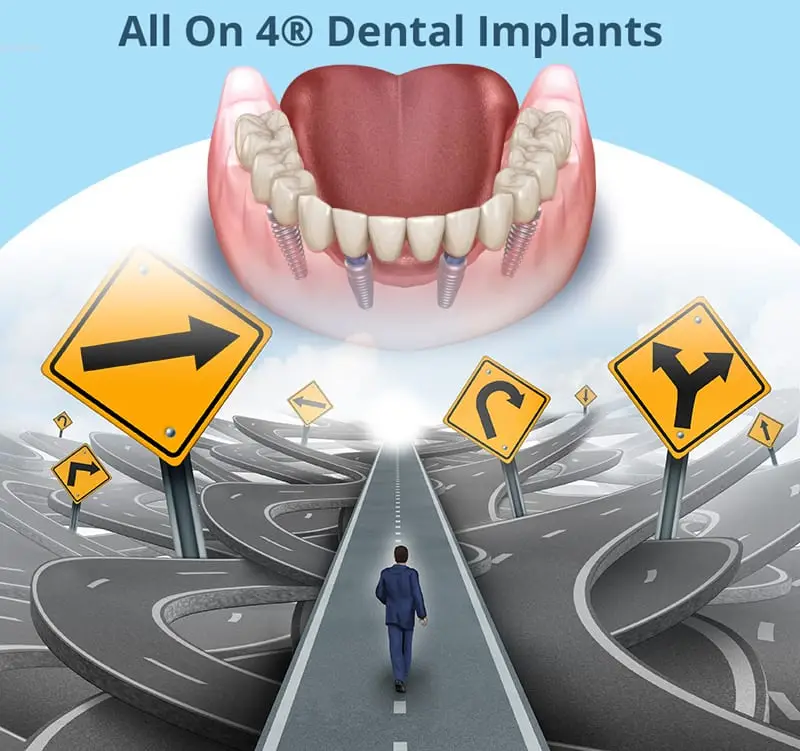
Ready for a dental implant (All-on-4) only practice?
Want a dental implant only practice? A dental implant only practice or having at least a practice with significantly more full arch dental implant cases is the dream of many clinicians. If this describes you, the above graphic literally gives away the secret to getting from where you are now to a practice with many full arch dental implant cases or to having a practice devoted to dental implantology. My [...]

Dental Practice Bonus Systems for Big Case and Trust Based Practices
Dental Practice Bonus Systems for Big Case and Trust Based Practices There are a lot of dental bonus systems floating around and I’ve seen most of them. Quite a few will work for a year or two but then MOST fall by the wayside because they are too easily gamed by the participants. I’ve only seen two variations on dental practice bonus systems that work [...]

Building a Dental Team – What Google Says
Building a Dental Team – What Google Says Our member dentists successfully use Google to build their practices on many levels including building their dental team. Many are amassing large stockpiles of Google reviews using this technology that makes getting hundreds of reviews annually as easy as seating a patient in an operatory. Dentists who are trusted the most tend to have the most reviews. [...]

Flying Lessons and Dentistry-Dental Practice Advice
Flying Lessons and Dentistry-Dental Practice Advice In this dental practice advice series lets talk about how critical it is to review how you go about how you present your cases with a check-list and how you have an advantage over other dentists who have not learned how to use them. Would you personally try to fly a plane (or land it!) without flight lessons? [...]

Lessons from Dental Meetings Like the ICOI Part 1- Online Dental Practice Reviews
Lessons from Dental Meetings Like the ICOI Part 1- Online Dental Practice Reviews I’m one of the few consultants that has spent 20 years treating patients first hand. I still go to clinical dental meetings. I still keep up with new dental science and in particular I keep up with the science of implants and how critical it is to have online dental practice [...]

Believability and Kvetching in Boca Raton- Dental Practice Advice
Believability and Kvetching in Boca Raton- Dental Practice Advice In my dental practice advice series lets talk about those who complain too much. After years of observing and listening to specific situations in practices throughout the world, I can tell you there aren’t a lot of new surprises in what I hear. Being more than a decade into what I call my third career [...]

Procedure TIDAL WAVES!!! – The reality of Dental Practice Marketing
Procedure TIDAL WAVES!!! – The reality of Dental Practice Marketing In this dental practice marketing series let's discuss how all kinds of things cross yours and my inbox. I love Dental-Town and Howard as they are always pitching something through my email box that’s interesting and of benefit to a percentage of the profession. There are some amazing innovative techniques out there such as the [...]

Dental Consultants-What You Don’t Know about Consultants
Dental Consultants-What You Don’t Know about Consultants There are a lot of very good consulting programs and dental consultants and gurus out there. Scheduling Institute, Blatchford, Pride, Miles, Jameson, etc. Some are quiet behind the scenes types that you have to decrypt a special code to track down, some scream at you from a big stage using subliminal selling methods on you leaving you wondering how [...]

How many All-on-4 Phone Calls – What’s Reasonable: All-on-4 training
How many All-on-4 Phone Calls – What’s Reasonable: All-on-4 training I’m often asked “how many phone calls can I expect if we’re doing the right kind of marketing and spending the right amount of money each month for my all-on-4 cases after my all-on-4 training?” One thing to understand about “deep disability” marketing (which is what All-on-4/6/8 etc. is all about) is that when you provide [...]

The Skinny on Dental Practice Websites
The Skinny on Dental Practice Websites Recently, I had calls with several docs who had either recently spent $9,000 plus with Einstein Dental on a dental practice website or were considering it. To be blunt--it’s utter nonsense to spend this kind of money on a dental practice website in 2016 be it with Einstein, Progressive, or whoever, and I’ll go into the reasons below. Yes, I [...]
What is the Marketing Cost for All-on-4-Cases
What is the Marketing Cost for All-on-4-Cases I've gone into the long list of reasons why the public wants this procedure. So, what are the marketing costs for all-on-4-cases to see 50-100 of these cases annually? Well, before we get into actually dollar amounts and ranges, there are four big picture concepts to understand. #1 - The first thing to realize is that with marketing/advertising ANY [...]
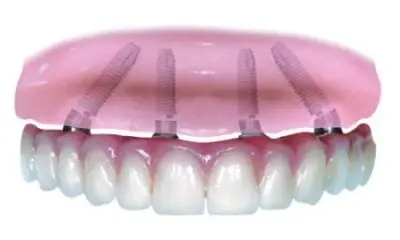
What does it take to have 50-100 All-on-4 cases every year in dental practice marketing ?
What does it take to have 50-100 All-on-4 cases every year in dental practice marketing? When it comes to dental implant marketing what does it take to have 50-100 All-on-4 cases every year? In major metro markets 50-100 cases a year will mean you are one the top 3 docs in the area performing this procedure. In a more rural setting, you very well may [...]

Dental Patient Lifetime Value and Online Reviews
Dental Patient Lifetime Value and Online Reviews In a minute we'll get into the math of online patient reviews and dental patient online value. A big take home message from the numbers you'll see below is that it is possible in many markets and in "stealth" fashion with minimal to no paid advertising to generate most or all of a practice's NP flow just [...]

Dental Patient Financing – The Truth about 3rd Party Financing
Dental Patient Financing – The Truth about 3rd Party Financing If you drink the kool-aid put forth by 3rd party finance companies, they will convince you that you "need" to put every patient on an account and do all of your billing through it when dental patient financing. WHY? Well, because they get an amazing fee out of the deal—duh. There is also a [...]

Dental Specialist Marketing and The State of Specialty Referrals
Dental Specialist Marketing and The State of Specialty Referrals While this article series is centered on the specialist, be aware that if you are a generalist doing niche procedures, there is value for you in understanding the trends which will be discussed. Feel free to forward this article on to your specialist colleagues who can benefit. Dentistry as it relates to the traditional referral [...]
Dental Specialist Marketing and The State of Specialty Referrals Part 2
Dental Specialist Marketing and The State of Specialty Referrals Part 2 Dental Specialist Marketing and The State of Specialty Referrals Part 2 We’re continuing the discussion of changes in referral patterns and how this needs to affect thinking on the specialist part as related to dental specialist marketing. Feel free to forward this article on to your specialist colleagues who can benefit. Due to [...]
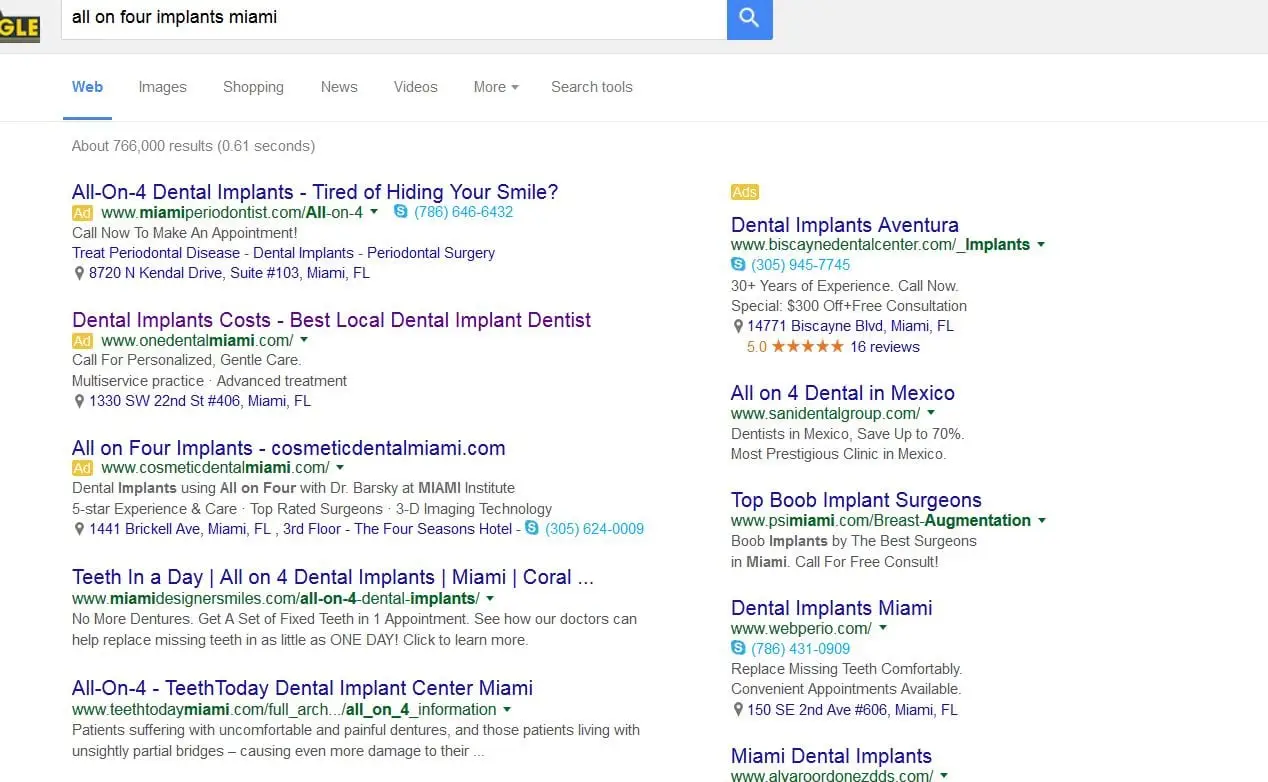
Dental Specialist Marketing and The State of Specialty Referrals Part 1
Dental Specialist Marketing and The State of Specialty Referrals Part 1 Dental Specialist Marketing and the State of Referrals Part 1 While this article series is centered on the specialist, be aware that if you are a generalist doing niche procedures, there is value for you in understanding the trends which will be discussed. Feel free to forward this article on to your specialist [...]
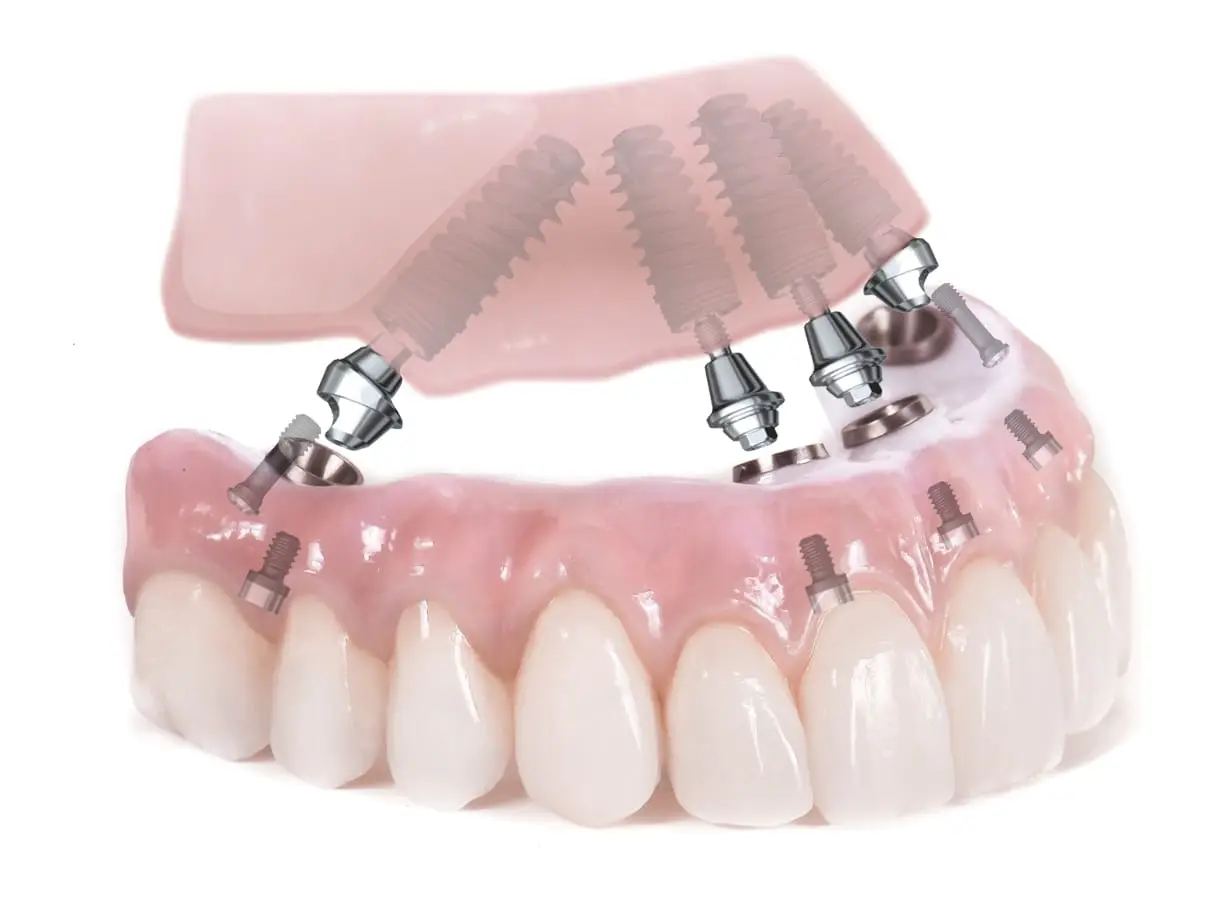
All-on-4 Implants
All-on-4 Implants By popular demand, here are all three parts of the All-on-4 series in one place regarding dental implant marketing. Enjoy! Recently I met with a two doc practice who has been providing implant services for 30+ years and an active client for 6+ years. I meet with them 2 times per year (5 years ago the senior doc brought in a new graduate) [...]

5 Ways to Attract New Dental Patients to Any Practice – Part 2
5 Ways to Attract New Dental Patients to Any Practice - Part 2 We are full speed ahead in the last business period of 2015 (Labor-Day to 2nd Weekend of December). This week we continue with the final 3 Ways to Attract New Dental Patients. “Way” #3 to Attract New Dental Patients Look REALLY professional. Did you know trust in the professions, including dentistry, [...]

5 Ways to Attract New Dental Patients- Part 1
5 Ways to Attract New Dental Patients- Part 1 We are full speed ahead in the last business period of 2015 (Labor-Day to 2nd Weekend of December) and I’ve decided to give you 5 ways to attract new dental patients to any practice. “Way” #1 to Attract New Dental Patients Every 90 days, mail out a letter to all your local friends, family, and [...]

Who is Your Dental Competition- Part 2
Who is Your Dental Competition- Part 2 Last week we covered the non-clinical dental competition you are in with other goods and services that have similar or greater price points than anything you do in your practice. Dentists greatly underestimate the pull of all of the other options in the market place. The wisest set-up a sales method that helps position fees and value against whatever [...]

Who Is Your Dental Competition Part 1
Who Is Your Dental Competition Part 1 You have two forms of dental competition. The one that is routinely thought of is competition with other dentists. If you are serious about performance, you’ll identify the highest performing practices in your market and list them out. More on why that’s important in Part 2 of this series. The second type of dental competition in every [...]
Should I take dental insurance or not? Part 2
Should I take dental insurance or not? Part 2 Last week we started this topic related to what’s the best avenue for most practice when it comes to fee for service dentistry and a client story was being shared to what it takes related to being 100% fee for service and dental insurance. In a moment, we’ll finish with the rest of his story. [...]
Should I take dental insurance or not? Part 1
Should I take dental insurance or not? Part 1 Have you ever wondered what it takes to be dental “insurance free?” Or why it makes sense to be “blended” with a mix of dental insurance and fee for service revenue? If so, this two part discussion will be of interest to you. Before we get into the subject matter, a few insights today from [...]

Dental Practice Marketing Calendars
Dental Practice Marketing Calendars Do you do an annual marketing plan or calendar? If you do, then consider yourself part of the elite. If you are part of the elite, I have little doubt that you get more out of your practice in less time and with less stress AND help more patients versus those who “go with the flow” when it comes to [...]

Even More about Online Dentist Reviews
Even More about Online Dentist Reviews Digital word of mouth advertising comes in two distinct types....... Digital Word of Mouth Advertising Type 1 - Online Dentist Reviews. These are customer/patient reviews about their experience posted on objective, independent, 3rd party platforms that you do not own or control. The key word here is independent. Patients and prospective patients understand there is a difference between [...]

10 Problem Solving Principles for Dental Practice Success
10 Problem Solving Principles for Dental Practice Success My Top 10 Principles of Problem Solving Problem solving principles are not taught in dental school. Dental school teaches clinical problem solving but FAILS at teaching problem solving for running a professional service business. Today you’ll get the distillation of years of trial and error about how I approach “problems” and how it can impact your [...]

Is word of mouth advertising dead? Online Dentist Reviews-Part 2
Is word of mouth advertising dead? Online Dentist Reviews-Part 2 How did Reviews “kill” Old Word of Mouth Advertising? In the online dentist reviews series let's continue the discussion about word of mouth advertising. This thing called the internet came along. Yes, the internet buried old word of mouth advertising plus many other things that are simply no longer true about how the world [...]

Online Dental Practice Reviews-Is word of mouth advertising dead? Part 1
Online Dental Practice Reviews-Is word of mouth advertising dead? Part 1 New Flash - Old fashioned Word of Mouth Advertising IS dead! But…..New Word of Mouth Advertising, or more appropriately,online dental practice reviews or Digital Word of Mouth Advertising (DWOMA) is alive, growing by double digits every year, and far better than the original. Based on review of the data, most dentists are ignorant [...]

Dental Patient Education Truths
Dental Patient Education Truths In dental patient education series lets discuss the area of truths. Ever heard of the show "Shark Tank?" It’s ABC show where entrepreneur's pitch their ideas to a panel of business experts. They grill the entrepreneur with questions about their business idea and occasionally an entrepreneur walks out with business funding (in exchange for giving up part of their business). [...]

Dental Consulting and The 5 Types of Dentists
Dental Consulting and The 5 Types of Dentists Based on my interactions with more than 1,000 clinicians, I can tell you that the profession breaks out into 5 different types of Dentists. Each one has specific ways of thinking and practicing. [If you want to understand the 3 Types of Dental Patients, you'll find it here. Knowing this one thing will have you rethinking [...]
The #1 Place Patients Read Online Dental Practice Reviews
The #1 Place Patients Read Online Dental Practice Reviews If you believe online dental practice reviews are seriously important, you'll want to finish this entire article. As I rarely invite non-member dentists to our special courses, there’s also information at the end on how you can get into a one of kind to the profession course for online dental practice reviews that normally you [...]

The One Thing You Can Control as a Dentist – It’s Not What You Think
The One Thing You Can Control as a Dentist - It's Not What You Think Dentistry in many ways is still in the dark ages. Fundamentally we refuse to learn from history especially when it comes to human behavior related to decision making and how it directly impacts dental case acceptance and fees. For more than 100 years, we've continued to try to “educate” [...]

July 3rd, International Day of the Independent Dentist
July 3rd, International Day of the Independent Dentist For US readers, the 4th of July is nearly upon us. It’s one of MY personal favorite holidays. Each year, I declare July 3rd a day of responsibility for personal dental independence and in that spirit July 3rd is officially hereby known as the International Day of the Independent Dentist. This is hands-down my most lengthy [...]

The 10 Best Dental Practice Management Monitors
The 10 Best Dental Practice Management Monitors In a moment, we’ll get to an exercise related to what you currently spend on dental marketing and how to improve your direct return (meaning production coming to you) from whatever you spend on external advertising right now. Monthly monitors are a fundamental part of good dental practice management systems. They are basic tools that yield outsized [...]
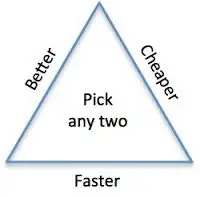
Dental Case Acceptance, Dental Marketing, and Better, Faster, Cheaper.
Dental Case Acceptance, Dental Marketing, and Better, Faster, Cheaper. You current challenges and your immense reward or potential rewards that come from your owning a business are a direct result of one or more of these words and the actions they create in the economic worlds of your patients. Technology and information drives the better, faster, cheaper process and it’s happening in spite of [...]

Dental Case Acceptance is Impacted by Hiring.
Dental Case Acceptance is Impacted by Hiring. Did you know that your dental marketing, dental case acceptance, and fees greatly affect what kind of employees you can attract and hire for the long term? If you want to permanently solve something most practice owners find as frustrating or an annoyance –the task of hiring good and even great team members WHENEVER needed, then this [...]

Dental Practice Management and Pareto’s Law
Dental Practice Management and Pareto's Law Pareto's Law - 20% of effort yields 80% of results. One of the biggest challenges in dental practice management is related to what we allocate time to and what the "to do" priorities are. You’ve probably been exposed to this 80/20 rule before or at least heard someone say it in casual conversation. It's highly doubtful that any [...]

Dental Practice Marketing Graduate advantages
Dental Practice Marketing Graduate advantages Graduates from our Dental Practice Marketing do more and better dentistry than the other 95% of dentists and report a much higher case acceptance. They get the following after graduation: *License to use Dentistry’s only check-list method for selling professional services backed by Harvard, Stanford, Yale, and Columbia Research. 20% of fee for service dentists make 80% of the [...]

Dental Case acceptance…When it is not a good fit move on !
Dental Case acceptance...When it is not a good fit move on ! In our dental case acceptance training we touch on one rule- When it’s not a good fit move on ! What’s a good fit? Well for a clinician with a high level or morals and clinical skills it is: When you can deliver an acceptable result that you’ll happily provide for a [...]
Dental Practice Advice-You Screwed Up So Now What Happens? Do you have a strategy ?
Dental Practice Advice-You Screwed Up So Now What Happens? Do you have a strategy ? Dental schools do not teach you strategies or give advice on how to deal with unpleasant surprises in your practice. You screw up, people are angry, now what? You should have a strategy for dealing with situations like this. Our members are give solid and proven advice which helps [...]

Niche Services Nirvana Revealed for Dental Case Marketing
Niche Services Nirvana Revealed for Dental Case Marketing The McAnally Selling System makes marketing for niche services easy by following our methods. There truly is a secret formula for niche cases (outside 20th century referral networks). We offer advice to our members and reveal the secret formulas for getting strong case acceptance on large cases. The niche nirvana secret formula is: Niche Website (not [...]

Dental Case Acceptance-The Good News about Hard Selling
Dental Case Acceptance-The Good News about Hard Selling McAnally Selling Rule #16 in dental case acceptance- Hard selling focuses on OUR reasons why a patient would pick a certain treatment versus their reasons. This one fact alone suggests that hard selling is a bad idea. To be blunter, hard selling isn't just a bad idea it's something that isn't necessary for case acceptance and [...]

Dental Practice Marketing- Advice about the 101 on Dental Signage
Dental Practice Marketing- Advice about the 101 on Dental Signage Dental Practice Marketing can be tricky for most dentists unless they know how to advertise their practice and expertise. I drive by a lot of Dental offices... and when I do, I mostly cringe at the incorrect ways dentists apply themselves to dental marketing and how they send out their message. No wonder consumers [...]

Dental Practice Advice- Patient Instincts -do you know how they will react
Dental Practice Advice- Patient Instincts -do you know how they will react As part of my dental practice advice and how to market and present to patients I ask my members - "Do you have any idea of how your patient is going to react to your dental marketing and sales in your dental practice ?" McAnally Selling Advice-Rule #16 -If you make the [...]
Dental Practice Marketing-How much do you REALLY want to produce? 2, 4, 6, or 8 Million ??
Dental Practice Marketing-How much do you REALLY want to produce? 2, 4, 6, or 8 Million ?? Doctor’s routinely ask “how much more dentistry” will they do if they begin using The McAnally Selling System as part of their current fee for service dental practice marketing or if they take the sales training and attach themselves to Big Case Marketing through our Elite Advertising [...]

Bombs away-Dental Case acceptance and how they sometimes fail
Bombs away-Dental Case acceptance and how they sometimes fail Every day dentists and teams let bombs (barriers to good patient decision making) blow up their dental case acceptance and treatment recommendations . The sad part is everyone sees and knows the same bombs are going to appear again and again but few do anything to diffuse them or to get out of the way [...]

Dental Practice Marketing- Do you need to redo your website Part 2 ?
Dental Practice Marketing- Do you need to redo your website Part 2 ? In dental practice marketing we often get asked how often do I need to redo my website. The answer in a nutshell is like it or not websites have to be redone and usually more often than we would like.When it comes to appearances of websites, they continue to evolve and [...]

Dental Practice Marketing-Redoing your website and how often ?
Dental Practice Marketing-Redoing your website and how often ? In dental practice marketing a key question is how often should you redo your website ? Answer – more often than any of us would like. We’ve just been through a complete re-design of our website as part of an upgrade of what was already the professions #1 ethical sales training course for selling professional [...]

Dentistry News- Buffett Says to Dentistry Get Off Your..
Dentistry News- Buffett Says to Dentistry Get Off Your.. Breaking Dentistry News........Warren Buffett says that Dentists should get off their...... ....Keesters! Yesterday during my treadmill warm up at the gym (I’m there M-F by 3 pm), I caught Warren Buffett’s interview at the National Automobile Dealers Show. The NADA is sort of like the ADA except they actually demand that their members market and [...]

Dental Practice Advice-Hey doc, this is awkward…
Dental Practice Advice-Hey doc, this is awkward... One of the main rules we like to impart to our members through our dental practice advice is: McAnally Selling Rule #14 – Eliminate awkwardness and more patients win. Awkward; causing or feeling embarrassment or inconvenience. If something has happened in a patient relationship or in the early stages of prospective patient relationship that’s created or is [...]
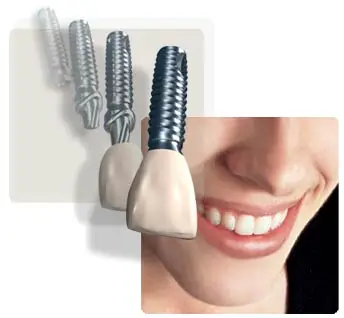
Dental Implant Marketing-For dental implants- media helps
Dental Implant Marketing-For dental implants- media helps The dental implant economy has recovered completely. Better than it was even before the 2008 recession. Sadly, while it’s feast time for a small crowd of implant oriented practices who know how to correctly apply dental implant marketing using our strategies, most who dream of doing these cases aren’t. It's even more unfortunate that thousands are lining [...]

Ethical Selling Dentistry-Professionals don’t take orders
Ethical Selling Dentistry-Professionals don't take orders In my ethical selling dentistry system we do not take orders........we take the lead gently and lead our patients to realize what it is they actually need to help them to better dental health by using my proven sales system. McAnally Selling Rule #13 –Professionals don’t need or have to take orders. Frequently from the podium, you’ll hear [...]

Who else is disappointed in their dental practice marketing results?
Who else is disappointed in their dental practice marketing results? A common refrain, “I wish my dental practice marketing performed better.” Yes, there’s a lot of bad dental marketing that goes on. That is often the issue. Then at other times, it’s pretty good marketing but it is that they failed to prioritize and exhausted their resources (time and money) on the wrong activities. [...]

Dental practice management-Associates and practice owners with associates who whine
Dental practice management-Associates and practice owners with associates who whine When it comes to dental practice management the mumero uno complaint from practice owners – “My associate doesn’t do enough dentistry or doesn’t sell enough dentistry.” Invariably there are two things absent from these practices. Absent item #1 – no sales training/no selling system. Absent item #2 – not understanding that a big key [...]

Dental Marketing Ideas-The best questions are…..
Dental Marketing Ideas-The best questions are….. McAnally Selling Rule #11 in dental marketing ideas - Dumb questions are the best questions. Getting a patient to ask questions is always better than blathering at a patient until their ears turn blue! Remember, EVERYONE but another dentist is a layperson. I advise my clients who have patients with larger needs to have a check-list they follow [...]

Dental Practice Advice on Dental Colleges, Boards, Consultations, and Your Competition
Dental Practice Advice on Dental Colleges, Boards, Consultations, and Your Competition Here is sound dental practice advice: The Dental industry…like many industries, functions in a bubble. Each has its own economy, politics, and agenda. …and like many industries, Dentistry as a profession is segmented. [As a very important aside, your patients as consumers of dentistry are becoming more segmented based on demographic need and [...]

In dental practice marketing a great presentation is key….
In dental practice marketing a great presentation is key.... In dental practice marketing my McAnally Selling Rule #10 is: Give a great presentation before you give a presentation. As part of any check-list system for selling in dental practice marketing, it’s up to you or a well-trained team member to guide the patient through leadership based discussions about what you are seeing in their [...]

Dental Practice Advice-The economy is back…..
Dental Practice Advice-The economy is back….. I ask my members to take my dental practice advice and use the recovering economy to cash in on it. There’s little doubt that the U.S. economy is picking up speed much to the chagrin of at least 50% of politicians. Consumer prices are ticking up. Wage pressure is on. I will bet $100 to anyone reading this [...]

Dental case acceptance-Who is doing the Talking ?
Dental case acceptance-Who is doing the Talking ? In dental case acceptance it is imperative the the patient is interacting with the dentist and involved in the discussion. A patient doing nothing but listening is going to get bored and disinterested by the time you can stop talking. You are likely to lose the case if the patient is not involved in the discussion [...]
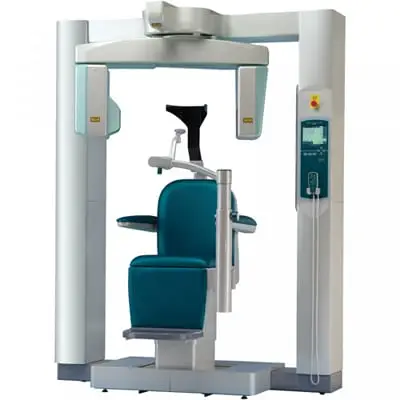
Dental Implant marketing and expensive technology..
Dental Implant marketing and expensive technology.. In dental practice marketing, utilizing your new high tech CBCT unit and making it pay for itself are a must. There’s no doubt that for those who are truly serious (or want to be serious) about ortho or implants, cone beam CT is the new standard. It makes diagnosis and treatment planning more certain and eliminates a lot [...]

When It’s Safe to Assume using Dental Marketing Strategies
When It’s Safe to Assume using Dental Marketing Strategies Using dental marketing strategies and a proven checklist will prevent you from assuming too much and blowing up a case presentation. Assume – taking that something is going to happen or is the case, without proof. We assume things all the time in our daily interactions with patients (and staff). Assuming has a very close [...]

Dental Practice Advice-What the ADA won’t tell you-
Dental Practice Advice-What the ADA won’t tell you- Let's touch on some dental practice advice which all my clients know about already but the ADA certainly won't share with you. Dental insurance has played an amazing role in the profession and in the good it has done for millions patients over the years. If we back up in time to when this employee benefit [...]

Silence is deadly in dental case acceptance. How to deal with it in patient interactions.
Silence is deadly in dental case acceptance. How to deal with it in patient interactions. In dental case acceptance silence can be deadly when dealing with case presentation. To the untrained silence results in discomfort. It is human nature to fill uncomfortable pauses and silences in conversation with something else. Usually that something else is to simply “talk AT” people instead of initiating some [...]

Dentistry News and Harvard Business Review ….
Dentistry News and Harvard Business Review …. In dentistry news it is important to keep an eye on reviews from experts in the business field. During the midst of the last recession Harvard Business Review published a review of the most important consumer trends being slowed and accelerated courtesy of the recession. A number of the accelerated trends have only sped up and become [...]
In Dental Practice Marketing Don’t Whine about Selling
In Dental Practice Marketing Don't Whine about Selling Are you whining about how hard it is for you in dental practice marketing ? If you are you should stop. Dentists have it so easy compared to other industries. Step inside any organization that is truly sales driven where the entire organization lives or dies by sales and you will find non stop building of [...]

Dental Marketing Strategies…why BMWs and iPHONES sell themselves
Dental Marketing Strategies...why BMWs and iPHONES sell themselves Why our dental marketing strategies should emulate large company marketing such as BMW or Apple. Chances are a dentist you know (perhaps yourself) owns a BMW. Most certainly someone in your office owns an iPhone. Ask owners of these devices to name why they’ve bought one (or more) over the years and at or near the [...]

Dental Practice Advice and Avoiding Buyer’s Remorse
Dental Practice Advice and Avoiding Buyer’s Remorse In my dental practice advice I tell my clients that we need a checklist and proper systems in place so we never have an unhappy patient. We’ve all been there. You perform some treatment that is clinically acceptable, ethically within reason, and functioning properly and now months later the patient is unhappy and says “I wished I’d [...]

Dental Practice Marketing-Are you too professional doc?
Dental Practice Marketing-Are you too professional doc? When marketing for the dental practice one has to be aware that you are communication effectively and clearly with your patients. Thankfully, most doctors are professional and should remain just that–professional. But unfortunately, many very good ones and many with amazing clinical skills aren’t seeing the number of patients that they could be NOR do they do [...]
Dental Practice Advice-Real Problems v. Imagined
Dental Practice Advice-Real Problems v. Imagined Would you like some dental practice advice from a professional ? Manage your TIME ! I’m a big fan of Dan Sullivan at Strategic Coach who developed the concept of 10X thinking for entrepreneurs. Most dentists are trapped in 1X thinking in an age where 10X and even 100X is possible; even for dentists. To reset your thinking, [...]

Ethical Selling Dentistry-correctly presenting a case
Ethical Selling Dentistry-correctly presenting a case In ethical selling dentistry, even though you might be the most advanced skilled clinician, if you don't know how to present and listen to the patient, you most likely will blow up the acceptance of the case. If you’re a clinician with advanced niche skills, the clinical questions you ask yourself that lead to an appropriate sequence of [...]

Dental Practice Advice and the Reality of Change
Dental Practice Advice and the Reality of Change Here is some dental practice advice........embrace change and make changes in your dental practice ! I love change and have set up my business and my home life to accommodate it because it’s the only variable in life we can count on as being consistent! Change comes in 2 forms: Welcome and Unwelcome Often times, it’s [...]

My dental practice advice ? Skip Resolutions
My dental practice advice ? Skip Resolutions This may be unusual dental practice advice by why not skip the resolutions this year and apply my ten rules instead for a more satisfying life in dentistry and personally. Nothing makes me happier than having the ability to get what I want both for myself and for others. Give and take is the highest form of [...]

In ethical selling dentistry no is just as important as yes..
In ethical selling dentistry no is just as important as yes.. In ethical selling dentistry and dentistry sales the word no is just as important as yes ! If the patient is saying no after you have gone through your proven sales system and check- list then that patient has shown that he is not the right fit for you. You can read more [...]

Ethical Selling Dentistry-What holidays can teach every dentist about selling
Ethical Selling Dentistry-What holidays can teach every dentist about selling The holiday season always highlights how the ethical selling process works. This time of year there's a lot to learn from all the holiday activity going on around one's practice. Tons of science at work creating demand and buying. Is it ethical selling ?? Deadlines, discounts, exclusivity, limited availability, real and perceived scarcity, and [...]

In Ethical Selling Dentistry-Are you getting your patient’s story ?
In Ethical Selling Dentistry-Are you getting your patient's story ? One of the bare basic foundational “secrets” to ethical selling dentistry is listening and getting your patient’s story BEFORE you give an answer. Existing patients, new patients, and consults are all ready to tell their stories that help you to help them but if you do not have a method or system in place [...]

Dental Practice Management-Are you attending high end courses?
Dental Practice Management-Are you attending high end courses? My dental practice management advice to members is: If you are attending any of the following courses you can use the knowledge you are learning to help pay for these advanced courses............. Are you attending Kois, Pankey, LVI, Scottsdale, or Spear Courses? Familiar names. Some of the best courses on the planet. Attended by the best [...]

Dental Practice Sales-REAL you versus ROLE you
Dental Practice Sales-REAL you versus ROLE you In dental practice sales you must separate the role you play as a competent dental clinician from the person you really are outside of the practice, the real person whom everyone else knows in your personal life. The difference between the REAL-you versus ROLE-you These two words create a lot of issues for dentists. Too often we [...]
In Dental Practice Marketing- The Dental Buck Stops………..
In Dental Practice Marketing- The Dental Buck Stops........... Do you know that in dental practice marketing you are the star of the show !! An old phrase, popularized by former President Harry S. Truman. Truman kept the phrase on the oval office desk reminding him that many decisions, regardless of the input of advisers or experts, were ultimately left to him (and his instinct). [...]

The Independent Dentist-Is the Solo Dental Practice a Dinosaur?
The Independent Dentist-Is the Solo Dental Practice a Dinosaur? Some think that the independent dentist or the solo dental practice is a dinosaur. American dentistry is trending toward more group practices doing more insured dentistry for lower fees. Some believe that independent dentists and solo practices, offering custom fee-for-service treatment, are waning. Big Case Marketing believes the opposite. We see solo practices which have [...]

Dental Practice Advice-Accurate Thinking of Dentists. Only 5% Get It.
Dental Practice Advice-Accurate Thinking of Dentists. Only 5% Get It. When I share some dental practice advice one of the topics that comes up regularly is the subject of time. We’re all in a battle to create time to think, to do work that fulfills us, and to have time for the myriad other things too (e.g. family, hobbies, etc.). During my waking hours, [...]

Dental Practice Marketing and Advertising
Dental Practice Marketing and Advertising In Dental Practice Marketing is advertising an expense or investment? Only a few years ago, advertising by dentists was prohibited and the playing field was level for all. But things have changed and dental practice marketing and advertising has become a necessary expense for dentists in private practices who want to remain independent of insurance dictates and who don’t [...]

Selling and Financial Controls in Dental Practice Management
Selling and Financial Controls in Dental Practice Management In dental practice management-did you know that embezzlement continues to be an issue for practices for far more dental practices than necessary? At least once a year, a high performing client producing and collecting a lot winds up getting a major surprise related to money that’s been siphoned off from the practice. Usually, it’s after several [...]

Ethical Selling Dentistry-Sales Training for Dentists
Ethical Selling Dentistry-Sales Training for Dentists For many doctors their advanced clinical skills are never fully utilized because they lack ethical selling dentistry sales training! They report not getting the fees they deserve for their cases OR are stuck at a " case ceiling" limit above which their better and best treatment plans are not accepted as often as they would like. These common [...]

Dental Practice Marketing- The New Rich and Dentist Lifestyles
Dental Practice Marketing- The New Rich and Dentist Lifestyles Correct dental practice marketing leads to a better lifestyle, more time to do what you enjoy, and doing more case treatments that you like to do in your practice. Author Tim Ferris spends a lot of time talking about “the New Rich” in his series of books that weave together technology, time management, work behaviors, [...]

In dental marketing strategies a mailer gets more attention than postcards
In dental marketing strategies a mailer gets more attention than postcards In my dental marketing strategies I have found that a Direct-to-Prospect Mailer gets more attention than postcards. Best results from a direct marketing campaign depend the number of people who see it. At 11" tall and 17" wide and folded in half the Big Case Marketing Direct-to-Propspect mailer is considerably larger than any [...]

Dental Marketing Ideas-Harvard, Yale, Stanford and The McAnally Selling System
Dental Marketing Ideas-Harvard, Yale, Stanford and The McAnally Selling System I have developed my dental marketing ideas based on a proven behavioral science as taught by Harvard, Yale and many other well known institutions. Ellen Langer, Ph.D. was featured in the NYT last weekend. It is nice to see a researcher whose work has been directly pulled into the selling system that I teach [...]

Free dental marketing-To Yelp or Not to Yelp?
Free dental marketing-To Yelp or Not to Yelp? In free dental marketing- I’d like to talk about Yelp and an unusual way to use it. As most of you know, Yelp is an online app, website, and platform that allows customers the ability to rate businesses (1-5 stars) and post their comments. It’s also where some prospects (even some ideal major prospects) go to [...]

Free dental marketing-Are your testimonials being posted on Google or Yelp ?
Free dental marketing-Are your testimonials being posted on Google or Yelp ? Here is some free dental marketing information- If you asked what the biggest opportunity that comes nearly free of charge to promote a practice that has results which become massive over time, the answer hands down, are patient reviews (success stories) posted at Google and Yelp. There are two types of reviews [...]

Ethical Selling Dentistry and what dental insurance companies don’t want you to know
Ethical Selling Dentistry and what dental insurance companies don't want you to know When discussing ethical selling dentistry what's the #1 complaint among dentists who are "trapped" in dental insurance? It's getting a full fee appropriate to their care skill and judgment. Most dentists fully entrenched in the insurance model are getting hammered on their fees and have psychologically waived the white flag on [...]
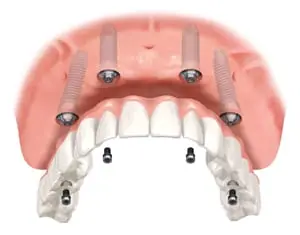
Dental Implant Marketing and How to achieve category killer status in implants and all-on-4
Dental Implant Marketing and How to achieve category killer status in implants and all-on-4 In dental implant marketing category killers in dentistry are procedures or combinations of procedures that when marketed and sold correctly eliminate most competitors and remove pricing constraints on a procedure that when performed generically is commoditized. While others doing similar (but poorly marketed and sold) or lesser (generic) procedures find [...]

Dental Consulting-My Story. A $6M Story. Your Story Is????
Dental Consulting-My Story. A $6M Story. Your Story Is???? I just returned from a private client meet up for whom I offer dental consulting. It's a long term implant/premium denture/LANAP practice. 2 doctors, 2 locations. I have been dental consulting them for 5 years. 5 years ago it was one doc, doing 1 million in one practice and 1.3 in practice two. Today it's [...]

In dental practice marketing- Would YOU pick YOU?
In dental practice marketing- Would YOU pick YOU? When struggling colleagues ask for help in dental practice marketing, often times the simplest questions peel back the layers to reveal where the underlying problem originates. For those struggling with niche and elective dentistry being paid outside of the free money coming from dental reimbursement, I'll commonly ask.... "Imagine I am a prospective patient. Now tell [...]

For Dental Practice Marketing- Take Advantage of low mail volume
For Dental Practice Marketing- Take Advantage of low mail volume Members of the McAnally Selling System use specially created mailers for dental practice marketing to take advantage of the current low mail volume at the USPS. ’Herd’ mentality has lured many businesses into entering into online-only forms of promotion, which is bad for other businesses but a great deal for you ! It is [...]
How to achieve category killer status in dental ortho marketing
How to achieve category killer status in dental ortho marketing In dental ortho marketing you can be a category killer in your specialized dentistry. Category killers in dentistry are procedures or combinations of procedures that when marketed and sold correctly eliminate most competitors and remove pricing constraints on a procedure that when performed generically is highly commoditized. While others, doing the exact same procedures [...]

The Independent Dentist and Advertising-an expense or investment?
The Independent Dentist and Advertising-an expense or investment? For the independent dentist who considers advertising......which is it........and expense or or an investment ? Only a few years ago, advertising by dentists was prohibited and the playing field was level for all. But things have changed and advertising has become a necessary expense for dentists in private practices who want to remain independent of insurance [...]

What immigrants understand about “sales” as applied to dental marketing ideas
What immigrants understand about "sales" as applied to dental marketing ideas A dental marketing idea(s) struck me recently as about every two months, like 22 million other Americans, I head to my local Home Depot. One part is out of necessity to keep a 1935 nationally registered historic art-deco house in well cared for condition and one part purely a human observation field trip [...]

Ethical Selling Dentistry and Case Acceptance Team Training
Ethical Selling Dentistry and Case Acceptance Team Training Announcing our case acceptance team training via our ethical selling dentistry course. If you are eager to help more patients back to dental health then this training is right for you and your team. We are pleased to provide the details of our upcoming live on-line course. It teaches a methodical, step by step, system for [...]

Learn how to be Happier with Dental Marketing Strategies
Learn how to be Happier with Dental Marketing Strategies Check out the newest on-line McAnally Selling System of dental marketing strategies for elective and niche dentistry. Are you going to continue to needlessly hinder your ability to help more patients? If you don't have a System for selling then you most certainly are at the mercy of every customer's random system for buying. Either [...]

Dental Case Acceptance and Barriers to Treatment
Dental Case Acceptance and Barriers to Treatment In my dental case acceptance system I show the dentists in my course how to reduce the barriers to treatment by a proven sales system based on current behavioral science used in all industries. I am the first to apply this science to dentistry. Barriers to Treatment (or deciding to have treatment) - Play out in practice [...]

Working MORE but earning less ? Dental Marketing Ideas can help !
Insurance carriers know that most dentists don't know how to apply dental marketing ideas as they apply to sales and selling their skills to the public. Many doctors are complaining that they are working more and earning less each year because the insurance carriers are relentlessly cutting fees or even refusing to pay at all. The situation will only get worse as long as the dentists put up with [...]

Dental Practice Advice- Learn from Arnold Palmer
Dental Practice Advice- Learn from Arnold Palmer It is hard to believe that you could apply dental practice advice from the famous golfer, Arnold Palmer. He always scoffed at the idea of swing gurus until he overheard a young teaching pro giving advice one winter day at the Tradition Golf Club in La Quinta, California. Doug Mauch, the director of golf back then at [...]

Dental Practice Management and Your Marketing Budget
Dental Practice Management and Your Marketing Budget In dental practice management, it’s not just about the dental marketing budget either.... In addition to this change in thinking related to marketing and the insurance company “write-off” as marketing dollars spent, it also becomes critical to move from a sales process geared for selling “all things UCR and/or free” to one that can effectively help patients [...]

Fourth of July YOUR Responsibility Reminder Day-Dental practice advice
Fourth of July YOUR Responsibility Reminder Day-Dental practice advice It’s National Your Responsibility Day, take this as dental practice advice. For US readers, the 4th of July is upon us. It’s one of MY personal favorite holidays. This is hands-down my most lengthy email of every year. Probably the most important of the year as well from a “philosophical” standpoint with how one thinks [...]

Dental Practice Management of Your Marketing Budget—the real truth. Part 2
Dental Practice Management of Your Marketing Budget—the real truth. Part 2 The most astute dentists when dealing with dental practice management of budgets (certainly many of our Program members are in that category), often have an epiphany moment when they look at their gross fee production/collection/write-off tally in a given year and find that on $1M in gross fees, $100K went to insurance write-offs [...]

Team training for Dental Case Acceptance
Team training for Dental Case Acceptance We are pleased to announce the details of our upcoming live on-line course for dental case acceptance team training. It teaches a methodical, step by step, system for ethically selling fee-for-service and niche dental procedures. The course is grounded in the most current behavioral sciences of persuasion, decision making, and the human-nature aspects of making purchases. It's the [...]

Ethical Selling Dentistry Checklist Sales Training Goes Live
Ethical Selling Dentistry Checklist Sales Training Goes Live Version 4.0 of the world's #1 ethical check list sales training for niche and fee for service dental services is being significantly updated and taught live. Summary: The McAnally Selling System™ and proven "check-list" protocol for ethical selling will be taught via live webcast over 6 sessions with each session spaced approximately one month apart. "Homework" [...]

Dental Practice Management and Your marketing budget—part 1
Dental Practice Management and Your marketing budget—part 1 In the dental practice management of marketing what should you be spending on your budget? You’ll hear the majority of “experts” state 2-4% and a smaller group proclaim 6-7% in writing and from the podium. Unfortunately, what was right 20+ years ago is 100% wrong today. Where did low figures like 2% even come from? Well, [...]

What ethical selling dentistry means financially to a practice
What ethical selling dentistry means financially to a practice Want to know what ethical selling dentistry means to your practice from a financial standpoint ? You can now join a live course that teaches a methodical, step by step, system for ethically selling fee for service and niche dental procedures that's grounded in the most current behavioral science related to persuasion, deciding, and human [...]
In Dentistry News-What’s important to know about John Kois
In Dentistry News-What's important to know about John Kois Periodically, I make recommendations related to a variety of courses and consultants in dentistry news. Some of these things are internal recommendations that give our member doctor’s marketplace advantages. Others, out of an everyday concern to elevate the entire profession. You’ll find Dr. John Kois’ presentations related to treatment planning and occlusion often mentioned in [...]

Dental Practice Advice and the Truth about Dental Alphabet Soup
Dental Practice Advice and the Truth about Dental Alphabet Soup One of my favorite activities when the niche journals arrive (implants, cosmetics, sedation, etc.) is to thumb through the section showing colleagues that have recently been granted a fellowship or diplomate status based on completion of requirements related to the discipline and to share my dental practice advice with my program members. Having a [...]
Dental Ortho Marketing and How to be a category killer
Dental Ortho Marketing and How to be a category killer Let's talk about ortho and dental ortho marketing and how to make you start out from others in your particular niche. Category killers in dentistry are procedures or combinations of procedures that when marketed and packaged correctly eliminate most competitors and remove pricing constraints on a procedure that when performed generically is commoditized. Others [...]

Take some dental practice advice-Bad Mood-Bad Dental Practice
Take some dental practice advice-Bad Mood-Bad Dental Practice It is obvious that bad moods are a bad thing, simple dental practice advice ! The problem with Bad Moods is that others around you can sense 'em. Whether it's simply behavioral cues or actual chemical processes being sensed it creates unrest and anxiety in others. Pretty much the last thing you want in your patients [...]

Independent Dentists worry-Are there too many dentists?
Independent Dentists worry-Are there too many dentists? Independent dentists often ask at professional meetings "why are there too many" dentists? While the economy is in a very unfair state, Dentistry remains a great profession ESPECIALLY for those working to accumulate advantages in their local area. This entire topic of how to create advantages that allow any dentists to win out over market unfairness is [...]

Independent Dentists and Competition -why it’s a good thing to strive for Un-equality
Independent Dentists and Competition -why it's a good thing to strive for Un-equality Independent dentists as business owner's why is it important to understand and care (very much) about the concept of becoming “un-equal’ in your market against the competition ? Because ultimately, how ‘un-equal’ you are in the eyes of the prospective and existing patient ties directly to your ability to stay independent [...]

Dental Consulting and Why many dental practice goals fall short
Dental Consulting and Why many dental practice goals fall short When considering dental consulting and how important it is to think carefully about how we spell out our goals? Because, ultimately, even in simply the way they are described and written out provide insight on what we are really looking for in life and can expect from the goal. Over the years while dental [...]

Independent Dentist and Liberty over Dental Insurance Tyranny
Independent Dentist and Liberty over Dental Insurance Tyranny As an independent dentist do you wonder why don't more dentists already have Liberty over dental insurance? For the most part it's because they have never understood they actually have a choice to make in this matter. Did you know that there are doctors practicing around you, who, at this very moment, are 100% free from [...]

Dental Practice Marketing and what you need to know about dental conformity in mindset
Dental Practice Marketing and what you need to know about dental conformity in mindset Why do some dentists using dental practice marketing tools break free from conformity in the areas that matter and others don't? At least one reason is because of the unfounded fear of leaving behind what everyone else is doing even though they are wrong. Becoming a dentist often results in [...]

End of Year To Do’s in Dental Marketing Strategies
End of Year To Do's in Dental Marketing Strategies At the end of each year dentists should look at their dental market strategies and plan what to change or improve for next year. For those in the mood to do some thinking about their practice while they relax over the holidays, the new book ‘The Dentists Unfair Advantage Volume II” is a great way [...]

Dental Marketing Strategies – The Annual Marketing Calendar Review
Dental Marketing Strategies - The Annual Marketing Calendar Review Dentists should be thinking about their dental marketing strategies and their annual review at the end of each year. The new book ‘The Dentists Unfair Advantage Volume II” is getting RAVE reviews at Amazon. Have you picked up your copy? Since the holidays are fast approaching, this month’s blogs are meant to instill better understanding [...]

Dental Marketing Ideas and What Messages to Send to Patients and Prospective Patients that Motivate
Dental Marketing Ideas and What Messages to Send to Patients and Prospective Patients that Motivate At the end of each year you should be considering your dental marketing ideas and how to motivate patients in the next year. Did you know that much of the business of your practice runs on an annual cycle and many aspects of that cycle can be best managed [...]

What scares dental patients and NOT just on Halloween-some dental practice advice
What scares dental patients and NOT just on Halloween-some dental practice advice Since Halloween is upon us. I thought it perfect timing to impart some dental practice advice and discuss a few of the things that scare dental patients all year round. I'm not saying that they literally scream with terror (although there are certainly some very anxious folks in the population who without [...]

For the Independent Dentist -Tiny excuses = big practice sabotage given enough time.
For the Independent Dentist -Tiny excuses = big practice sabotage given enough time. After interacting with hundreds of colleagues most as independent dentists, I've observed that the successful do and think a lot differently than those who either struggle or underachieve. This doesn't mean that the successful independent dentists are necessarily better doctors ...but one thing is very common amongst them which is they [...]

Dental Practice Time Management-How is time spent ?
Dental Practice Time Management-How is time spent ? Where you allow your time to go in dental practice time management is important to the well-being of your practice and lifestyle. Want to know some personal secrets? I watch almost zero network television with the exception being an addict to presidential debates. Nor do I follow sports beyond a glance that section in the paper [...]

Dental Practice Advice-Money, Needs, Wants, and Happiness.
Dental Practice Advice-Money, Needs, Wants, and Happiness. Money and Dental Practice Advice.........Here are a few tidbits........... You need it to live... and we've all heard, "Money doesn't buy happiness." If that was the only story, why would anyone spend so much time making it? ...and why is it hard for too many to engineer their week to earn it in a set period of [...]

Dental Marketing Ideas-Elegant Marketing Is Dope
Dental Marketing Ideas-Elegant Marketing Is Dope One of my key dental marketing ideas is that keeping it simple and elegant gets the job done and the patient more likely to accept your case presentation every time. Elegant is an under-used word and operational mindset in today's world. -Here's one of the official definitions: -Displaying effortless beauty and simplicity in movement or execution -Refined and [...]

Patients Like “Simple” in Dental Case Acceptance
Patients Like "Simple" in Dental Case Acceptance As ethical doctors, we must diagnose, recommend, treat, and re-examine in everything we do, including case presentation and dental case acceptance..... ...and there's another side to it. Patient perception equals reality. (If you want more in depth reading on this check out my new book on Amazon). Patients look for any reason justify their fears and skepticism. [...]

Lessons from Strawberries in ethical selling dentistry
Lessons from Strawberries in ethical selling dentistry In my new book (available at Amazon.com), I talk a lot about readiness when it comes to ethical selling dentistry and marketing as well as the three types of patients that exist. Recently, something crossed my desk from a friend who works in another health arena related to the strawberry patch he maintains in his backyard. To [...]

In Dental Practice Marketing You Have to Plan around Seasons
In Dental Practice Marketing You Have to Plan around Seasons Are you REALLY open for business? In dental practice marketing you have to be aware of the highs and lows based on the seasons of the year. Every year we go through pretty much the same routine related to the windows of business that come and go. These windows open and close based on [...]

Dental Marketing Strategies and Handling Patient Negativity
Dental Marketing Strategies and Handling Patient Negativity In dental marketing strategies you will have to be ready for patient negativity and BS ! There's almost always some controversy surrounding different branches of health care including us as dentists. It's the reality. Some apples go bad. Most recently there was a story about how many practices with new types of 3D radiography were over-radiating patients. [...]

The Personal BS O’Meter for the Independent Dentist.
The Personal BS O'Meter for the Independent Dentist. As an independent dentist there are many ways that the minority in the profession who attain advanced clinical skills, credentials, or specialty training try to be successful at providing a higher level of services to patients who have serious dental problems. It takes a lot to attain the clinical skills and it takes even more non-clinically [...]

Leaders -Made not Born in dental practice advice
Leaders -Made not Born in dental practice advice In this dental practice advice observation, I have realized that leaders and made, not born. Behavioral scientists have figured out that prodigies almost never exist. There's that one in a 100 million be it very special brain or brawn but most who become great start out simply as above average. Years of dedicated study resulted in [...]

Dental Practice Marketing for Denture Fountain of Youth™
Dental Practice Marketing for Denture Fountain of Youth™ Remember how I've discussed Denture Fountain of Youth™ in dental practice marketing in the past? That topic is on my mind as I just spent a half day in private consulting where we were discussing the results from customized dental practice marketing of Denture Fountain of Youth™ that I designed for one of our client practices that [...]

What is Your Most Valuable Asset in Dental Marketing Strategies
What is Your Most Valuable Asset in Dental Marketing Strategies When it comes to dental marketing strategies and how to improve your bottom line, what is your most valuable asset ? Dental business owners are no different than any other small business owner; they usually don't know what their most valuable asset is... Some think it's the equity in their home, or investments, or [...]

Ethical Selling Dentistry- What’s in it for ME?
Ethical Selling Dentistry- What's in it for ME? Want to know how to attract patients and to interact with your patients on a field that very few dentists ever get to play on via ethical selling dentistry ? If so, then be really good at answering the question, "What's In It For Me?" W.I.I.F.M. is very old radio frequency that everybody is tuned in [...]
In Dental Practice Advice, do you know why patients dislike Dentists
In Dental Practice Advice, do you know why patients dislike Dentists Here are the top ten reasons in dental practice advice that patients don't like dentists. #1 Presence of pain. There's no excuse of this one these days. If you hurt patients, fix YOUR issues (that includes hygienists). #2 Modalities. Predictable? Long lasting? Are you informing patients in their language and in writing for [...]

Dental Practice Time Management & Getting Past Personal Roadblocks
Dental Practice Time Management & Getting Past Personal Roadblocks Previously while discussing dental time management we covered a slew of excuses that dentists like to trot out to make themselves feel better and to avoid taking action. This week, I'm sharing with you some information from Ms. Sydney Barrows that can help remove roadblocks keeping you from moving forward with your practice and life. [...]

Dental Practice Time Management and Institutional Mindsets of Dentists
Dental Practice Time Management and Institutional Mindsets of Dentists Are you effective in your dental practice time management and put time aside for Sales and Marketing ? Step inside any profession or industry and almost everyone inside of it thinks and acts alike. Why? Because everyone comes through similar paths to get there be it via some sort of formal or informal training. There [...]
Independent Dentist or Dependent?
Dental Practice Time Management and Institutional Mindsets of Dentists Independent Dentist or Dependent ?? For US readers, the 4th of July is upon us. It’s one of MY personal favorite holidays. This is hands-down my most lengthy communication of every year. Probably the most important of the year as well from a “philosophical” standpoint with how one thinks and operates from a foundational understanding [...]
Dentist Excuse #4 in dental practice time management
Dentist Excuse #4 in dental practice time management June is national dentist excuse month in dental practice time management. As humans, we use excuses way more than we think. Sometimes explicitly to others and more often simply in our own heads. Excuses keep us "right" or at least make us believe we are. Excuses reduce the need to think differently or change. This is [...]

Dental Practice Time Management-Dentist Excuse #3
Dental Practice Time Management-Dentist Excuse #3 When it comes to time and dental practice time management, June is national dentist excuse month ! As humans, we use excuses way more than we think. Sometimes explicitly to others and more often simply in our own heads. Excuses keep us "right" or at least make us believe we are. Excuses reduce the need to think differently [...]

Dentist Excuse Quote #2 in dental practice time management
Dentist Excuse Quote #2 in dental practice time management June is national dentist excuse month as it applies to dental practice time management. As humans, we use excuses way more than we think. Sometimes explicitly to others and more often simply in our own heads. Excuses keep us "right" or at least make us believe we are. Excuses reduce the need to think differently [...]

Dentist Excuse Quote #1 in Dental Practice Time Management
Dentist Excuse Quote #1 in Dental Practice Time Management When it comes to dental practice time management, excuses kill the practice's bottom line and finances. As humans, we use excuses way more than we think. Sometimes explicitly to others and more often simply in our own heads. Excuses keep us "right" or at least make us believe we are. Excuses reduce the need to [...]

Dental Practice Management-The best in business all do it…..
Dental Practice Management-The best in business all do it..... When it comes to dental practice management you should be doing this routinely- And it's called. MBWA or "Management by Walking Around" I’m taken back by how little most practice owner’s really know about what their staff are up to in the practice and MBWA is a proven way to stop the madness of being [...]
Hidden Dental Practice Marketing Costs that the Majority Doesn’t Understand
Hidden Dental Practice Marketing Costs that the Majority Doesn't Understand Some dentists say they incur nothing or very little on dental marketing costs. On those rare occasions when I speak at a regular dental meeting, I’ll often ask the audience, “how many don’t spend anything on marketing their practice?” Usually 30, 40 and sometimes even 50%+ of the room will raise their hands. Following [...]

Feeling Stuck? Here’s some dental practice advice
Feeling Stuck? Here's some dental practice advice Here is some dental practice advice if you are feeling stuck or treading water. I’m a big believer in the “keep it simple” principle. One of the worst feelings in life is to feel like your “stuck” in situations be they personal or business related and getting mental grid lock on what to do. The more of [...]

Dental Practice Advice-Amos Tversky, You, and Your Patients
Dental Practice Advice-Amos Tversky, You, and Your Patients I bet you’ve never heard of Amos Tversky or his behavioral studies as I apply them to dental practice advice-even though just that kind of study of how your patients decide things is far more important right now to you than anything going on in dental research. During a recent podium presentation, I gave the audience [...]

Dental Consultant advice-Getting more out of each day, week, year, life.
Dental Consultant advice-Getting more out of each day, week, year, life. As a dental consultant ,I'm a productivity nut. The bug bit me hard when I had an insurance driven "treadmill" practice and it stuck with me when I had a low volume/excellent productivity/minimal hour practice and it continues in anything I'm involved in now. We are in an age where it has never [...]

When the clinical and non-clinical skills are aligned using Ethical Selling Dentistry
When the clinical and non-clinical skills are aligned using Ethical Selling Dentistry Using my ethical selling system has worked unbelievably well for me when I was in practice and now for my program members who rave how well my systems have worked for them. And guess what happens when you have an alignment of: good clinical skills, decent personality, being a bit more "out [...]

Does Patient Education Work and dental marketing ideas?
Does Patient Education Work and dental marketing ideas? When considering dental marketing ideas and whether patient education works, consider the following- No beating around the bush on this....here's what "education" really means: *Consults *Case Reports *Case Presentations *Well written materials about your practice *Videos-especially simple *Hygiene visits *Emails *Snail Mail *Websites *Follow-up Calls ...the list is actually endless... AND..HERE'S THE BIG TAKE AWAY: My [...]

Dental Practice Advice and Responsibility
Dental Practice Advice and Responsibility Let's discuss in the dental practice advice arena............ R-E-S-P-O-N-S-I-B-I-L-I-T-Y. Definitely too long of a word to create another hit song like Aretha's 'Respect' but this R word is up there in importance and value. By nature, man is a paradoxical creature. We've repeatedly heard since children that actions have consequences and that message often gets lost. As adults, most [...]

Dental Practice Marketing -How’s this year’s plan going?
Dental Practice Marketing -How's this year's plan going? Annually when we review dental practice marketing, we advise all our member practices well advance of the New Year to revisit the previous year's efforts critically. Do more of what worked, test one or two new activities, and kill off what was proven by the numbers to no longer be effective. If you don't work like [...]

Dental Consultant says beware of…
Dental Consultant says beware of... As a dental consultant I urge my clients to be aware of one of the biggest secrets in dentistry that's hidden in plain sight. So.....what’s the secret? Well....here it is. "Stuff" doesn't sell itself. Worth repeating.... In fact, almost NOTHING besides those things that fulfill basic of human desires-needs (food, shelter, protection, or sex) sells itself. In the medical [...]

Dental Practice Advice-Here’s a few things CE course providers are NOT going to share with you.
Dental Practice Advice-Here's a few things CE course providers are NOT going to share with you. In the dental practice advice category so far, we’ve covered, trade journals and major meetings. Now let’s talk about clinical “CE” courses. [Once again, if there is no direct hands on surgery or lab work of some kind to be imparted with you touching a patient or a [...]

Dental Practice Advice-The hidden unspoken agenda at major professional meetings is….
Dental Practice Advice-The hidden unspoken agenda at major professional meetings is.... To continue on my dental practice advice regarding dental meetings and what goes on at them. Last week, we talked about how equipment makers and a supply houses via the courtesy of big marketing dollars have a virtual strong-hold on editorial content in the major journals. Now for the big professional meetings. Why [...]

Dental Practice Advice-What the dental trade journals don’t want you to know.
Dental Practice Advice-What the dental trade journals don't want you to know. In my dental practice advice series lets talk about trade journals and what they don't want you to know. Did you ever wonder why trade journals featuring clinical CE and/or the latest technical gear don't talk about dealing with the challenges faced with actually having patients want the procedures and the latest [...]

Dental Practice Advice-Why worrying about your competitors is a big waste of time and energy.
Dental Practice Advice-Why worrying about your competitors is a big waste of time and energy. In my dental practice advice series I tell my dentist members that worrying about your competitors is a waste of time and does not accomplish anything. Since there are practically two dentists on every block, it is very tempting to pay attention to what they are all doing. For [...]

Dental Practice Advice-it’s lonely at the top of even the smallest mountain.
Dental Practice Advice-it's lonely at the top of even the smallest mountain. In my dental practice advice series lets discuss how it can be lonely at the top. It's lonely being in charge. It's not uncommon for dentists and other small business owners as independent dentists to feel lonely in their business venture. I used to feel just like that until I cleared up [...]

The Dental Consultant and You
The Dental Consultant and You Let us talk about the dental consultant............ I truly believe most consultants in dentistry are really trying to help doctors and the profession. I truly believe their hearts are in the right place. I'm going to be bold today and tell you that most of what's out there being sold, besides the very most basic administrative systems (which are [...]

In Ethical Selling Dentistry-Consistency is Another under-rated virtue.
In Ethical Selling Dentistry-Consistency is Another under-rated virtue. While discussing ethical selling dentistry recently with program members, confidence and why it's so important was on the discussion list. Consistency is just as under-rated as confidence! Unfortunate, since consistency is a big deal in relationships and most certainly when it comes to ethical selling dentistry. If and when patients experience breakdown of any kind... * [...]

What you need to clean up and out in dental practice advice
What you need to clean up and out in dental practice advice When consulting with my dentist members some simple dental practice advice is to eliminate what you don't use regularly or need in the practice. Simplify !! It's human nature to collect what you don't need and just as easily to ignore what you could really use of value. Just completed a clean-up [...]

For the Independent Dentist-Off Means OFF.
For the Independent Dentist-Off Means OFF. The Independent Dentist as professionals and entrepreneurs are prone to think in terms of putting in lots of hours and never taking time off for a variety of reasons. Did you know that efficiency rates drop dramatically after too many hours or days in a row occur in your work (especially in thinking jobs of which yours is!)? [...]

For the Independent Dentist-Confidence is far more than clinical skills.
For the Independent Dentist-Confidence is far more than clinical skills. Often for the independent dentist, the issue of confidence comes up. Without confidence, nothing works. It is one of the most critical emotions to nurture and project yet so undervalued in the profession much to the average dentists detriment. Confidence comes from a lot of things....all a bit different for each of us. I [...]
Ethical Selling Dentistry-Dental Fees and Pricing
Ethical Selling Dentistry-Dental Fees and Pricing When it comes to my ethical selling dentistry program, I get asked about fees a lot. If you want to get into the coding side of things and UCR there are plenty of people who can analyze your fees based on zip code (one of the smart things I ever did was get Dr. Charles Blair to do [...]

Dentistry is harder today. Fact or Myth for the Independent Dentist ?
Dentistry is harder today. Fact or Myth for the Independent Dentist ? Is dentistry really harder today for the Independent Dentist ? Survey this question or hang out in the dental forums listening to the chatter and the answer you'll get from most in the profession is "fact." But is it? You'll hear that "Times are tough" and that the golden age in dentistry [...]
My dental practice advice-Visualize What You Want in Practice to Get What You Want.
My dental practice advice-Visualize What You Want in Practice to Get What You Want. My dental practice advice to program members is .......Visualize what you want and watch it happen ! You probably visualized becoming a dentist but have you lost this valuable habit. "If you can dream it, you can achieve it." Most of us are very familiar with this 'heuristic' on the [...]

Dental Practice Marketing and why dentists need “extra” skills for the new economy.
Dental Practice Marketing and why dentists need "extra" skills for the new economy. Now more than ever you need dental practice marketing strategies in place to overcome the current stagnant economy. Did you see the latest news, the unemployment rate is unchanged. As every glass is half full, the good news is at least things seem to be stabilizing. The half full part is [...]

My dental marketing ideas and Holiday Thinking – Do You Get It?
My dental marketing ideas and Holiday Thinking - Do You Get It? Here are some dental marketing ideas-Where's YOUR Holiday Head? Our Academy members know that barring some very specific instances, during the holidays it is paramount to stick to promotion being aimed at existing/current patients and prospective patients who previously requested information from the practice. Item #2 is a profound concept once understood. [...]

Dental Practice Advice-What is your story ?
Dental Practice Advice-What is your story ? In the dental practice advice series, I ask my program members.....What is your story ? Good news. The election is over. BIG lesson from both campaigns is STORY. Obama acknowledged early on that they had done a poor job of communicating the story of the things they did right. Romney was able to tailor his story to [...]

Boo! What’s Your Dental Practice Marketing Plan?
Boo! What's Your Dental Practice Marketing Plan? As we are approaching the end of year, how is your dental practice marketing plan for next year going ? I trust you are busy with the fast approaching end of year tasks of most dentists--preparing for the holidays, multiple "free" days and some planning for next year. If you are like most that last item "planning [...]
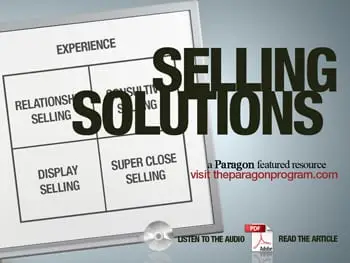
Dental Practice Marketing-Getting what they deserve.
Dental Practice Marketing-Getting what they deserve. Most dentists get the income they deserve especially now that times are no longer easy.....and they are not in the habit of dental practice marketing Just back from speaking in Columbus to a room of about 1,000 dentists and team members at Paragon Consulting's annual client event. Paragon is a great organization for providing the basic management systems [...]

Mistakes Dentists Make with Their Wives (and Husbands!) in dental practice advice
Mistakes Dentists Make with Their Wives (and Husbands!) in dental practice advice In my dental practice advice series let's touch on mistakes dentists make with their significant others in regards to the business. Owning a dental business / being an entrepreneur is lonely and it's virtually impossible for a non-business owner to understand what it really takes to succeed. That is why I avoid [...]

Dental Practice Marketing & Vicious Cycles……Excuses Don’t Cut It.
Dental Practice Marketing & Vicious Cycles......Excuses Don't Cut It. In discussing dental practice marketing and the excuses I hear while marketing systems are not being implements- they are almost always lame. I'm always in a state of revision and tweaking of materials either promotional or case acceptance related that our members actively use. In fact, just this week, as part of our online McAnally [...]

Dental Practice Advice about Inaccurate Thinking
Dental Practice Advice about Inaccurate Thinking In my dental practice advice series lets touch on the subject of inaccurate thinking. If you used to do well but are struggling or are experiencing a decline, today's post is for you! "...But I've been doing it this way for years!" Bad, bad, bad!! This way of inaccurate thinking will not bring back the good old days [...]

Why Dentistry IS a hard sell….without Ethical Selling Dentistry
Why Dentistry IS a hard sell....without Ethical Selling Dentistry If you don't apply ethical selling dentistry in your practice, it makes it so much harder to close cases. The sooner you "get" this, the better. Non-pain relief dentistry is and will always be a hard sell. [Notice I didn't say, you have to hard sell dentistry--because you don't and our ethical sales training Program [...]

10 Things Every Dentist Needs to Know and Understand in Dental Practice Advice
10 Things Every Dentist Needs to Know and Understand in Dental Practice Advice In my dental practice advice series I ask my new program members- How many of these do YOU understand? 1. Maintenance Care and Prevention is and will always be a hard sell. Most people don't like going to the dentist. 2. Give patients what they want. If it's way outside accepted [...]

GM, Dentists and Dental Practice Marketing
GM, Dentists and Dental Practice Marketing With an eye to dental practice marketing, it is interesting to see what the mammoth companies are doing and saying when it comes to advertising............. Have you seen the news? GM, the U.S.'s biggest advertiser in total dollars, has given the big "pfuuiii" to Facebook saying this social "media's" advertising simply does NOT WORK. A few things you [...]

What Dentists (and Patients) Buy…..and Ethical Selling Dentistry
What Dentists (and Patients) Buy.....and Ethical Selling Dentistry I developed my ethical selling dentistry system when studying what patients and dentists buy outside of dentistry, based on the rationale (or lack of) based on their wants and needs. If you want something badly you will seek a way to get it ! Last weekend I was in NYC for a wedding of a staff [...]

Ethical Selling Dentistry and Sticker shock when presenting fees
Ethical Selling Dentistry and Sticker shock when presenting fees Using my proven ethical selling dentistry system, program members avoid the horror of sticker shock during case presentation. Every month in our member publications we discuss key things that one can do to make practice infinitely easier when it comes to promotion and ethical selling dentistry. Here's two that I recently reviewed on our list [...]

The Independent Dentist and Dental practice transitions. Think carefully.
The Independent Dentist and Dental practice transitions. Think carefully. For the Independent dentist, the concept of retirement and how to approach it raises big concerns. Summary: A reasonable and attainable alternative to traditional retirement is to move to a model of only promoting and ethically selling the procedures you love the most at appropriate and profitable fees for as long as you want or [...]

What the Independent Dentist Can Do Now That Chase Health Advance Has Called It Quits
What the Independent Dentist Can Do Now That Chase Health Advance Has Called It Quits What to Do Now That ChaseHealthAdvance Is Calling It Quits if you are an independent dentist ? You’ve probably heard by now ChaseHealth will wind down its dental financing product. That means nearly 50% of the private patient financing pool is set to go POOF! Needless to say, [...]

Dental Practice Advice from Dr. McAnally on American Idol?
Dental Practice Advice from Dr. McAnally on American Idol? Some doctors have seen the Facebook picture of me with Ms. Paula Abdul and asked if I auditioned for American Idol! Fat chance! While I do DJ and produce original electronic music tracks, singing is not my strong point! But....I was invited to participate in a private marketing meeting with Paula and what I learned [...]

In Dental Practice Advice-the easy days are over for Dentistry
In Dental Practice Advice-the easy days are over for Dentistry In the dental practice advice series I will touch on why the good ole' days are over. The a life saying, "what got you here won't get you there" has been a pretty good truism for a long time and under the current realities it has become a bottom line fact for where dentists [...]

Want to Escape the Dental Commodity Trap? Take some dental practice advice
Want to Escape the Dental Commodity Trap? Take some dental practice advice Watch Dr. James McAnally video explain how to escape the dental commodity trap in his dental practice advice series. Learn more from my #1 top best selling book on Amazon. Or see how our dentist members are using advertising templates personalized for their specific market arena by taking advantage of my dental [...]
Dental Practice Marketing of Fountain of Youth™ Denture and What Sells Itself
Dental Practice Marketing of Fountain of Youth™ Denture and What Sells Itself I'm just back from a visit to Dr. Rod Strickland's hands-on Fountain of Youth™ Denture course in Savannah, Georgia and realize that in dental practice marketing of these dentures sell themselves....... This technique when 1) clinically performed well, 2) marketed well, and 3) sold astutely (all three are a MUST) is a [...]

Dental Practice Advice and The Real Cost of Dental CE
Dental Practice Advice and The Real Cost of Dental CE In my dental practice advice series, lets talk about the Real Cost of Dental CE Dental CE is great. It's the path that unlocks all kinds of ways to serve your patients better IF it's thought through. Most dentists don't think anything through carefully regardless of whether it's CE or not. That's the simple [...]
Dental Practice Marketing-Kodak Death Watch
Dental Practice Marketing-Kodak Death Watch While discussing dental practice marketing and how it is a must in this economy, lets look at Kodak, Dollar Stores, and Your Choices. I've watched the series of plunges and gradual descent into economic hell by Koday Corp since the dawn of the digital camera. In corporate time lines, it's been a very quick race from market giant to [...]

Dental Practice Marketing- Apple and Best Buy
Dental Practice Marketing- Apple and Best Buy In dental practice marketing........who do you want to be ...Apple or Best Buy ?? It is no big surprise that big discounter Best Buy continues to head for the inevitable as they ignore the discounting tactics that always put a discounter out of business. Increasing volume on decreasing margins. Are you aware that there are solid laws [...]
Dentistry Today names Dr. McAnally top dental consultant
Dentistry Today names Dr. McAnally top dental consultant In dental consultant news, Dentistry Today names Dr. James McAnally top consultant once again. Newton (MA), Miami Beach (FL): Dentistry Today, one of dentistry's most widely distributed and read trade magazines has named Dr. James McAnally, CEO, Big Case Marketing and President, Master Dentists Academy as a top consultant. This marks the 5th year, in a [...]
Frank Spear, LD Pankey, John Kois, Pete Dawson, LVI, and Dental Practice Advice on Dentition Reality
Frank Spear, LD Pankey, John Kois, Pete Dawson, LVI, and Dental Practice Advice on Dentition Reality In my dental practice advice series, from time to time, things from some of our best clinical post-graduate educators catches my eye like this ad from Dr. Frank Spear. Kudos always go to these folks for providing a wealth of clinical information that puts their attendees on a [...]

In Ethical Selling Dentistry- Important dental marketing statistics to know
In Ethical Selling Dentistry- Important dental marketing statistics to know Let's talk about the current marketing statistics and why you should be using an ethical selling dentistry sales system. Holidays are great. The downside is that when your role is to monitor a large stream of information that effects your member doctors there is a BIG backlog when one returns. I've just "digested" my [...]

Dental Practice Advice-Thanksgiving and the Harvard Study Part I
Dental Practice Advice-Thanksgiving and the Harvard Study Part I At this time of year in my dental practice advice series I would like to touch on a recent Harvard study. Happy Thanksgiving! Still one of my favorites even though I now enjoy it with frozen margaritas and cold smoked turkey on the beach. No snow, no leaves to pick-up, and no funny pilgrim suits. [...]

Ethical Selling Dentistry and the science of Amost Tversky
Ethical Selling Dentistry and the science of Amost Tversky Amost Tversky's behavioral science can be applied to ethical selling dentistry. How much behavioral science do you understand and use to help your patients? I bet you’ve never heard of Amos Tversky and his studies are probably as important right now to you as G.V. Black’s were to dentists a billion years ago. During my [...]

Dental Practice Marketing-What to Know about Social Media Like Facebook
Dental Practice Marketing-What to Know about Social Media Like Facebook Why Social Media is NOT the starting point for dental practice marketing. Every practice has a limited amount of energy, dollars, and, one very finite element that is precious and non-renewable-Time! The reality is every “new patient” strategy, every strategy that creates prospective patients and patients for silos of business in the practice (cosmetics, [...]
Dental Implant Marketing-ClearChoice & Dental Implant Public Seminars–What to Know
Dental Implant Marketing-ClearChoice & Dental Implant Public Seminars--What to Know In dental implant marketing one M.I.A. strategy for many practices looking for implant cases is the public seminar or open house concept. I'm in the midst of updating the how-to's of this evergreen strategy for our current Elite Members and future credentialed members who opt for that route in the online McAnally Selling System. [...]
AAID- discussing dental implant marketing and ethical selling dentistry
AAID- discussing dental implant marketing and ethical selling dentistry While discussing dental implant marketing at the AAID Vegas meeting, we also touched on ethical selling dentistry. AAID Vegas was a great meeting. When big organizations such as the AAID are putting promotion of dental implant marketing and ethical selling dentistry in front of their members you know that the realities of what's required to [...]

Ethical Selling Dentistry-Loss positioning of treatment options
Ethical Selling Dentistry-Loss positioning of treatment options In Ethical Selling Dentistry, loss positioning of treatment options encourages good patient choices based on the behavioral science of top minds around the world. Heard of the Amos Tversky Survival and Thearpy Choice Scenario? Dr. Sheena Iyengar explores this in 'The Art of Choosing' and it has profound implications for YOUR patient treatment plans and how ethical [...]
Fountain of Youth™ Denture–Cosmetic Denture Marketing
Fountain of Youth™ Denture--Cosmetic Denture Marketing Costmetic denture marketing and the "Fountain of Youth™ Denture". New to the entry of cosmetic denture training is some folks here on the East Coast teaching a " Fountain of Youth™denture which is essentially a gain getting the vertical/centric, lip support and tooth position correct. Bravo to them for imparting better denture technique knowledge into the profession. A [...]

Independent Dentist and The Permanent Dental Recession
Independent Dentist and The Permanent Dental Recession For the Independent Dentist here is Economic Reality We recently went through a recession and it's possible depending on whose economic tea leaves that we're headed to another dip into two consecutive quarters of negative growth. Whether the double dip becomes reality or not is really irrelevant because we're in the midst of an economic change just [...]
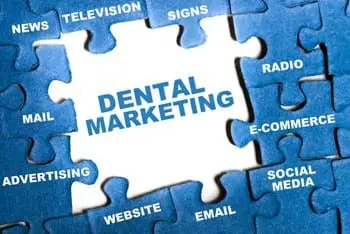
Dental Practice Marketing-Why it is so different
Dental Practice Marketing-Why it is so different In Dental Practice Marketing, learn here how to create your niche to ethically sell your favorite dentistry. Ethically sell to patients wanting your best services. You can spend thousands monthly on advertising with lackluster results. Our proven selling (dental case acceptance) system is an ethical, step-by-step process to close large niche cases (implants, Cerec, reconstructions, cosmetics, fast [...]

The Independent Dentist and Marketing: Decisions Must be Made
The Independent Dentist and Marketing: Decisions Must be Made In today's economy the independent dentist must have a serious dental practice marketing strategy and a proven sales system or he is going to sink in this downward spiraling economy. Just what impact can better "selling" have on different practice models in today’s economy. There's little doubt that the world is permanently different following the [...]

Dentistry News: Anything New?
Dentistry News: Anything New? Two items crossing my desk this morning of note in dentistry news. Item #1. August 15th's ADA News. Am I in a time warp or what? While you won't have any of the pertinent news in this publication that actually effects practices what you will find is the following: "Barriers statement" discussing those who don't have dental care. Same discussion [...]

Dental Practice Marketing Seminars
Dental Practice Marketing Seminars As part of our dental practice marketing training for my McAnally Selling System program members, I lay the foundation for members to hold Open Houses and Seminars to attract new patients who need their help. I just got off the phone with one of our Elite member practices who uses the Public Seminar route to find implant cases via my [...]

A Dental Consultant Who was Never a Dentist???
A Dental Consultant Who was Never a Dentist??? To be a great dental consultant, it is best if the person was a dentist first. It's hard to understand what goes on in a dental practice unless you've lived it. It's one of the unique things we bring to member dentists in all of our Programs. Nearly a hundred years of direct experience in dentistry [...]

Master Dental Case Acceptance without Getting on a Plane
Master Dental Case Acceptance without Getting on a Plane Want to learn about mastering the methods of dental case acceptance without leaving your home or practice ?? Now you don't have to travel to learn and implement dentistry's best and most scientifically validated case acceptance system (now in use on five continents). Available world-wide and at a monthly tuition that even a dental student [...]

Free Dental Marketing Training Materials Valued at $6500
Free Dental Marketing Training Materials Valued at $6500 Want some free dental marketing ? Dentistry has been good to me. As part of a complete redesign of our practice site, I've packaged up some foundational materials into video that every dentists on planet earth can benefit from seeing. Feel free to opt-in on the side, get access to the video series (again something that [...]

Ethical Selling Dentistry & Decision Fatigue
Ethical Selling Dentistry & Decision Fatigue I have researched behavioral science that helps good decision making when it comes to ethical selling dentistry Heard of decision fatigue? Doubtful as most dentists left off their training in human behavior somewhere around dental school year 1. A bevy of scientists have been investigating this issue from a variety of angles: Jonathan Levav, Standfrod, Shai Danziger, Ben-Gurion [...]

Dental Practice Marketing-Create or get your own celebrity
Dental Practice Marketing-Create or get your own celebrity In dental practice marketing my program members use my marketing materials by advertising that they are a dentist to a celebrity or famous local person. My mom sent me a nice newspaper clipping. Seems quaint doesn't it. The reality is most of your ideal candidates for all kinds of procedures are, guess what, reading the newspaper! [...]

Online course in Dental Practice Marketing
Online course in Dental Practice Marketing Dental Practice Marketing is crucial now more than ever Middle Class Riots and Dentists........ A couple of items of interest this week, seemingly unrelated but actually a lot in common that apply to you, your practice, and your kids if you got 'em. First some insight by Thomas Friedman on the one social motivator in common from every [...]

In Dental Practice Time Management-Do you take Friday’s off for dental marketing success?
In Dental Practice Time Management-Do you take Friday's off for dental marketing success? Do you worry about the practice and dental practice time management ? Feel like driving past sometimes and playing "hooky"? Do you feel most happy hiding in your private office, doors closed; away from your patients and staff? Do you cringe when asked, "What do you do for a living?" When [...]

Dental Marketing Ideas-Why patients buy…..
Dental Marketing Ideas-Why patients buy..... Given the shrinking middle class and less money for spending on dentistry, dental marketing ideas and fixed strategies for attracting new patients is a must. The NYT front page today discusses shopping trends at higher end stores like Nordstrom, Neiman Marcus, Bergdorf Goodman. Guess what-their sales are back, big time. While the middle class evaporates there are still consumers [...]

A Look at an Elite Program Members’ Last Six Months of Business as an Independent Dentist
A Look at an Elite Program Members' Last Six Months of Business as an Independent Dentist Just got off the phone with one of our Elite Members who is an independent dentist. All of the below is without a fee increase, which he'll do in the 2nd half of this year. Here’s a snap shot of the last 6 months of my practice: Billings [...]

Dental Practice Advice- DemandForce,Yelp, Google
Dental Practice Advice- DemandForce,Yelp, Google Since August of 2010 in my dental practice advice series I've been warning about now serious one needs to be taking online patient reviews for one's dental practice. Many general practices have been very lazy with this and have outsourced the task to services such as DemandForce. Google's revision of its' rules recently has left those lazy practices "high [...]

Patient Reviews Increasingly Important-Dental Practice Advice
Patient Reviews Increasingly Important-Dental Practice Advice In my dental practice advice series I cannot stress how important positive online reviews are to your practice and success. Do you know how patients are selecting services and providers--even vetting those doing the most complex and comprehensive procedures? All patients are online now checking out what they need services for and whom they will pick based on [...]

Independent Dentist-Countering Poor Economy
Independent Dentist-Countering Poor Economy The independent dentist is never more so at risk of losing his/her practice given the poor state of the economy and a shrinking middle class. My program members know that I keep talking about something called the "new dental economy" which is literally the permanent change in consumer discretionary spending and buying power in the post-credit bust world. Anyone practicing [...]

Dental Implant Marketing-What you can learn from Poland
Dental Implant Marketing-What you can learn from Poland A while back, the ICOI implant chapter in one of Europe's developing economies asked for my help with changing the thinking of its members for how they need to view dental implant marketing and promotion of services. Unless you're living under a rock in Malaysia, this is YOUR reality too. Enjoy! Greetings fellow implant dentistry colleagues [...]

Dental Marketing Strategies
Dental Marketing Strategies Do you have Dental Marketing Strategies in Place to attract new patients ? According to a recent survey, 90% of dentists believe they have ABOVE AVERAGE clinical skills. Superior clinical skills don't guarantee the success of a dental practice. Clinical skills are undoubtedly a necessary ingredient for a successful dental practice but we're in a very tough economy and the new [...]

What is Ethical Selling Dentistry?
What is Ethical Selling Dentistry? Ethical Selling Dentistry is- "Getting patients emotionally engaged with a treatment result that is good for them and emotionally and intellectually committed to treatment." While most dentists search in vain for one “special ad” that solves all problems with finding patients who demand specific services, the wisest in the profession understand that if a solid foundation of ethical selling [...]

Dental Practice Marketing-The Specifics of Closing Large Fee Cases
Dental Practice Marketing-The Specifics of Closing Large Fee Cases Are you applying dental practice marketing as a business owner in your practice ? Most likely you are not and you are losing out and missing many patients who could use your clinical skills. Attracting and closing larger fee-for-service cases combines the science of marketing and the science of influencing human behavior and decision making. [...]
Dentistry News-An open letter to Washington State Dentists regarding WDS (Delta Dental)
Dentistry News-An open letter to Washington State Dentists regarding WDS (Delta Dental) In dentistry news, Change is in the air.....are you ready.......Delta Schmelta !! You are more likely experiencing consternation in dentistry news about the issue in Washington State related to Delta’s recent very sound business decision to stay abundantly profitable by cutting their reimbursements (some would say IV drip) to you—they are making [...]

Dental Marketing Strategies-What’s Good for Delta is Bad for Dentists
Dental Marketing Strategies-What's Good for Delta is Bad for Dentists Let's discuss what’s good for delta is BAD for dentists in our dental marketing strategies series.... Throughout the 50 U.S. states most dentists are finding that general dentistry is becoming an increasingly more difficult endeavor where longer hours or figuring out how to run faster to survive on decreasing reimbursements are the new requirements. [...]
The Independent Dentist and The e-Myth
The Independent Dentist and The e-Myth If you are an independent dentist and business owner you should read the e-myth? Ever heard of the e-myth by Michael Gerber? The majority of dentists would say they’ve never heard of it, never read it, don’t know who Gerber is. Unfortunate. Not only is the e-Myth book the 5th best selling business book of ALL TIME but [...]

Dental Marketing Strategies and Dentist’s Creation of Value
Dental Marketing Strategies and Dentist's Creation of Value In the new changed economy I hope you are taking your dental marketing strategies seriously. Here’s a reality. The best and most successful at anything, tend to flock to others just like themselves. It’s one of the reasons our doctors hang-out together in masterminds and it’s the reason I go to my own business groups, getting [...]

Dental Practice Marketing-Getting Appropriate Fees for Skill, Caring and Judgement
Dental Practice Marketing-Getting Appropriate Fees for Skill, Caring and Judgement In my dental practice marketing series I cannot emphasize enough how much you must attract the correct patient who will be happy to pay you for your skill, care and judgement. Heading back to Miami after a successful Elite meeting. Most members reporting year on year growth, best quarters EVER, etc. Gave an updated [...]

A Sad State for Physicians: Dentists Take Note as an Independent Dentist
A Sad State for Physicians: Dentists Take Note as an Independent Dentist In my independent dentist series I point out to my program members that the writing is on the wall for us as dentists while looking to the medical practice and how they are currently being affected. Last weekend’s NYT did a front page expose of a family practice physician (Dr. Ron Shroka [...]

Dental Practice Marketing- Across State Lines and Even Country Borders
Dental Practice Marketing- Across State Lines and Even Country Borders In dental practice marketing the internet has made it incredibly easy to target patients around your practice- be they right next door, across the state line, or even in a different country. The ability to search and place ads is changing the landscape and will continue to do so. It’s going to eventually come [...]

Dental Practice Advice-Microsoft Billionaire Paul Allen’s Teeth and Vanity Fair Magazine
Dental Practice Advice-Microsoft Billionaire Paul Allen's Teeth and Vanity Fair Magazine In my dental practice advice series let's take a look at people in the spotlight who can afford and should be taking care of their smiles. Seattle Billionaire Paul Allen has a new book out that reveals how much Bill Gates attempted to screw him over in the beginning of the company’s history. [...]

Dental Marketing Ideas-The E-Myth Dentist: A Must Read
Dental Marketing Ideas-The E-Myth Dentist: A Must Read When discussing dental marketing ideas with my program members, sometimes they ask, “what was one of the books that got you started working on marketing and case acceptance systems for your private practice and gave you dental marketing ideas—which ultimately led to the creation of an international consulting business.” Way up there is…..The E-Myth by Michael [...]

Dental Case Acceptance & Dental Economy Showing Its New Colors–
Dental Case Acceptance & Dental Economy Showing Its New Colors-- More reasons than ever are emerging for selling (dental case acceptance) at appropriate fee’s, good margins, and to allot time to keep these skills at their highest levels. Most dentists are stuck in the old model of selling and wondering why the digging is getting harder…they are working harder to get their dental case [...]
You are spending $50,000-$100,000 on Dental Practice Marketing and You Don’t Even Know It
You are spending $50,000-$100,000 on Dental Practice Marketing and You Don't Even Know It Hidden Dental Practice Marketing Expenses You are paying for marketing like it or not In a recent conversation with a dentist, I asked, “How much do you spend on dental practice marketing each year?” The response was “I don’t’ market or advertise so I have no expense”. My next question [...]

Dental Practice Advice- HCG Weight Loss & Dentists
Dental Practice Advice- HCG Weight Loss & Dentists In my dental practice advice series let's discuss the diet phenomenon. Let’s face it—we live in an era of abundance of calories in the western world. Calories are cheap, quick, and easily consumed. Eating only 100 calories beyond what’s required for maintenance will add a pound to your girth every 35 days—folks that’s a little more [...]
In Dentistry News-Toxic Denture Cream is Old News
In Dentistry News-Toxic Denture Cream is Old News In dentistry news toxic denture cream is dangerous.........Really !!! We have known this for a while. Funny how long it takes for information to gain traction. The Journal ‘Neurology’ reported on this topic back in the day. I was one of the first, if not the first, dentists to distribute a national press release concerning the [...]

Dental Practice Marketing-Focusing on the “insured” middle class not a good idea
Dental Practice Marketing-Focusing on the "insured" middle class not a good idea When discussing dental practice marketing I notice that for dentists focusing on the "insured" middle class--the digging is getting harder. While the data is sound, this is going to be a bit of a rant…..so get ready….it’s intended as a wake-up call to a few more in the profession who are asleep [...]
Dental Practice Marketing-Truth in Dentist CE Advertising. What are you buying?
Dental Practice Marketing-Truth in Dentist CE Advertising. What are you buying? After you have left the expensive CE course, have you the tools to do the dental practice marketing required to attract the type of patient you gained the skills you just learned ? I love dental CE marketing that crosses my desk. You’ll find one from Frank Spear below that we’ll look at [...]

Your Dental Practice Marketing Budget: The Real Truth
Your Dental Practice Marketing Budget: The Real Truth Let's discuss your dental practice marketing budget as we approach a new year. We’re gearing up for our Elite Program member’s live meeting on Friday this week. Coming off a fantastic Christmas and New Years. Here’s a photo of my partner, mother and I at Fountainbleau before Christmas dinner at Gotham Steak. No one’s trip to [...]

A Dental Consultant-A look back at James’ predictions…..
A Dental Consultant-A look back at James' predictions..... As a dental consultant I have to be very focused for my program members on events both past and current and how they apply to the economics of dentistry and where we are headed. It’s funny to look back over a decade ago. An article rejected for publication at the time by those “forward thinkers” at [...]

Middle Class Dentistry a sinking ship-Ethical Selling Dentistry a must !
Middle Class Dentistry a sinking ship-Ethical Selling Dentistry a must ! Ethical selling dentistry is a must for every dentist who realizes that the middle class ship is sinking. Those inside the McAnally Selling System world, often hear discussions about why it’s more important know than ever to learn to systematically and ethically. This is from today’s WSJ—not “liberal” by any means (well maybe [...]
Dental Marketing Ideas-Email Open Rates – Only Fools Have Stopped Regular Mail
Dental Marketing Ideas-Email Open Rates - Only Fools Have Stopped Regular Mail When discussing dental marketing ideas with program members, I advise them that regular mail is still the way to go when reaching out for prospective clients who need their clinical skills and care. While many think e-mail is the way to go, we have learned that it is not a helpful as [...]

Ethical Selling Dentistry-Science of Discounting and Comprehensive Dentistry
Ethical Selling Dentistry-Science of Discounting and Comprehensive Dentistry Using the current behavioral science that big businesses apply to sales and discounting can be applied to ethical selling dentistry but most dentists, 95%, don't get it ! The WSJ cracked the door open today on a bit of the science that drives retailers discounting methods that spur purchases. The funny thing is, this information, is [...]

Independent Dentist -Advanced Clinicians Pay Attention
Independent Dentist -Advanced Clinicians Pay Attention Below is a testimonial from an independent dentist who is one of my program members and graduate. He is one of the most qualified clinicians on planet earth. Kois mentor, super skilled, ethical to the nth degree….. If you’re taking tons of CE and aren’t running as fast as you can to our ethical selling program (The McAnally [...]

Dental Marketing Ideas-Movie Sets & Dental Practices
Dental Marketing Ideas-Movie Sets & Dental Practices In my dental marketing ideas series lets talk about..... MOVIE SETS and DENTAL PRACTICES A few days ago, I took one of my customary bike rides around my island paradise. Lots of movie sets come and go here in Miami and this photo is of a bunch of workers from a production company wheeling stuff towards the [...]

Achieving True Dental Mastership and Dental Case Acceptance
Achieving True Dental Mastership and Dental Case Acceptance In dental case acceptance and the increase of such you must have the clinical skills for sure but you must also have a selling system in place that helps and guides you to close the case. Achieving True Dental Mastership is within every dentists reach but most won't take the time to achieve greater dental case [...]

Independent Dentist-Fighting for What You Want Part III
Independent Dentist-Fighting for What You Want Part III As an independent dentist and a savvy business owner you must fight for what you want. That means having sales systems and marketing tools in place to attract prospective clients. Spending a few day sin Montreal Canada visiting friends and family (it’s fall, heading into winter, and I’ll be glad to be back on the beach [...]
The Independent Dentist-When Frank Spear is Discounting….Trouble is A Foot…..
The Independent Dentist-When Frank Spear is Discounting....Trouble is A Foot..... The independent dentist needs to be wary of the current economic changes afoot and how it will affect their practice. When the giants of clinical CE are discounting coursework, there is a lesson to be learned and to take heed of in your practice as an independent dentist. This email crossed my desk recently [...]

Independent Dentist-Fighting for What You Want in Your Practice Part II
Independent Dentist-Fighting for What You Want in Your Practice Part II In Part I of “Fighting for What You Want in Your Practice,” an unspoken factor at the heart of many dental business owner’s problem as an independent dentist is an irrational fear of ‘asking for directions’ when it comes to marketing and selling their services. It’s like those days before GPS when the [...]

Independent Dentist-Fighting for What You Want in Your Practice Part I
Independent Dentist-Fighting for What You Want in Your Practice Part I As an independent dentist, given the weakened economy and shrinking middle class, you must act like a business owner and learn to market and sell your clinical skills. I spent 4 hours at the DMV last week changing my drivers license…… Sitting with the average citizens makes you realize that the really big [...]

Dental Practice Management- Pricing Part III
Dental Practice Management- Pricing Part III In the dental practice management series lets continue our discussion about pricing. We’ve been talking about my favorite Indian restaurant (unfortunately now over 3500 miles away from my new home in Miami!). Chances are you’ve interacted with a business that may have the same problem of Vij and that is pricing not being adjusted to help match demand. [...]

Dental Practice Management–Matching Price to Demand
Dental Practice Management--Matching Price to Demand Recently I discussed a somewhat famous restaurateur in Vancouver BC named Vij and the problem he has at his appropriately name restaurant “Vij’s.” In dental practice management matching price to demand is critical. It doesn’t take a Nobel winning economist to see that Vij is wildly successful. In fact, he’s so successful it is actually hurting himself. Huh?!? [...]

Dental Practice Marketing-Social Media MUST Knows for Dentists
Dental Practice Marketing-Social Media MUST Knows for Dentists Social Media, People Magazine, Authenticity and You. As promised, for all those opting into our social sites, here the BIG things dentists need to understand about this “new” media in regards to dental practice marketing. Understanding the big picture will drive all the small details. Fundamentally, here is NOT what this is going to do (at [...]

Dental Practice Advice–Thoughts on “Maintenance”
Dental Practice Advice--Thoughts on "Maintenance" In my dental practice advice series, I’d like to discuss what most of us refer to as “maintenance” or “preventive” care. Since this type of care is simply a continuation of treatment (i.e. after reconstruction), I recommend not discussing it at length as if it was an entirely new concept following the end of regular treatment. Why? Because it [...]

Dental Consulting-Are you in a room of people getting smarter?
Dental Consulting-Are you in a room of people getting smarter? As part of my dental consulting to help program members, I am constantly surrounding myself with people from other industries who are like minded and the best in the business. I can learn from them and bring back what I have learned to help program members apply the new knowledge for their practices. In [...]

Dental Practice Management:Pricing–Avoid the Herd PLUS Leveraging Pricing Part I
Dental Practice Management:Pricing--Avoid the Herd PLUS Leveraging Pricing Part I In dental practice management and fees-avoiding the “rush to cheap” can be a real challenge since it’s easy to get caught up in “retail mentality” as one watches the majority of the retail world heading there. This something to be aware of and position yourself away from that game. If you weren’t aware of [...]

Independent Dentist-Why you need Ethical Selling Dentistry Systems
Independent Dentist-Why you need Ethical Selling Dentistry Systems For today's independent dentist, having a proven sales and marketing system in place is needed now more than ever before. While the economy is starting to show signs of life, the dental market remains forever changed following the “great recession.” Most aren’t ready for the risk and opportunity. BECAUSE, here’s what you are up against…….. Fundamentally, [...]

Dental Practice Advice-Life’s Short. Enjoy summer.
Dental Practice Advice-Life's Short. Enjoy summer. In my dental practice advice series I talk with members about time management a lot and how crucial it is for downtime and recharging of your batteries. Much can be learned from our colleagues on the other side of the big bodies of water. It’s not unusual to see our cousin dentists over on “the continent” take 3-4 [...]

Dental Practice Advice-The Mayflower Madam has Something to Teach Dentists….
Dental Practice Advice-The Mayflower Madam has Something to Teach Dentists.... Dental Practice Advice taken from Sydney Barrows. Recently, I did a one-on-one interview for our Elite Program members with Ms. Sydney Barrows AKA The Mayflower Madam and applied what I have learned from her in my dental practice advice series. Sydney ran the most exclusive escort service in New York ‘Cachet’ back in the [...]

Independent Dentist-Dental Independence Day
Independent Dentist-Dental Independence Day Butch, The Patriotic Whippet For the independent dentist, breaking free from the insurance tyranny is tantamount to practice success. For US readers, the 4th of July is upon us. It’s one of MY personal favorite holidays. At our house, the flag will fly, Sousa marches will blare in the backyard (my neighbors hate me for that), ridiculous quantities of hamburgers [...]

Dental Marketing Ideas-Decrease the Data You Give Your Patients
Dental Marketing Ideas-Decrease the Data You Give Your Patients In the dental marketing ideas series I advise my program members to keep everything simple in case presentation and decrease the data you give the patients. Here is why-Every 18 months for the last decade, the world has doubled the data it pushes to you. Twice as much email, twice as many friend requests, twice [...]

Ethical Selling Dentistry is Defined
Ethical Selling Dentistry is Defined Here’s my definition of ethical selling dentistry. You heard it from me first. “Getting Patients emotionally engaged in a treatment result that is GOOD FOR THEM and getting them emotionally and intellectually committed to treatment.” Realize that most things pitched to emotionally engage an individual to purchase the good or service are NOT good for them (fast food, sugar [...]

Dental Practice Advice-Ride the Bus or Not?
Dental Practice Advice-Ride the Bus or Not? In my dental practice advice series, I’m going to review what you can learn from America’s finest bus companies (American Airlines, Continental, Southwest, etc.) and the non-bus Airline Companies (Virgin America and Jet Blue). Here’s the agent’s counter at Virgin America, LAX. Just flew through there on Virgin yesterday—delightful experience, wonderful meal, excellent service. When was the [...]

Independent Dentist-Delta Dental – A Call to Arms
Independent Dentist-Delta Dental - A Call to Arms The Independent Dentist is under siege. For the independent dentist- Delta is always on the move finding ways to cut its payments, increase profits, and fool the public and dentists into thinking they are the white knight. The truth is, they are evil incarnate for the independent dentist and are the enemy. Their business success means [...]